
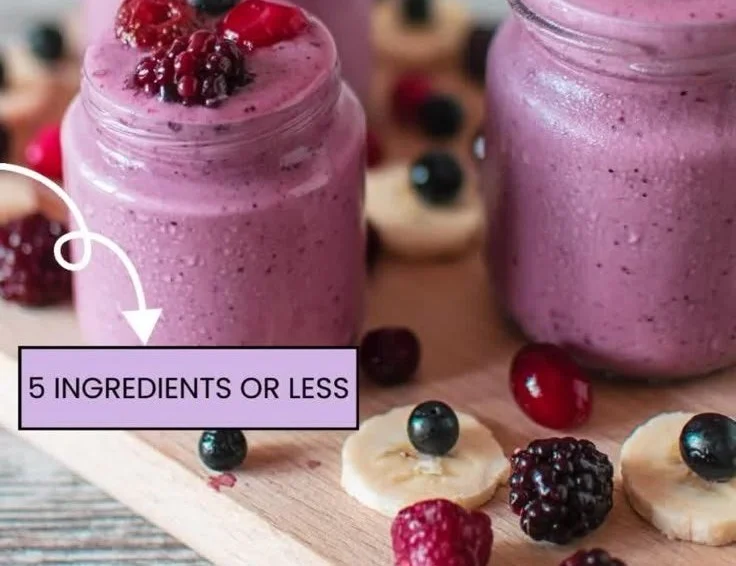
3 Healthy Smoothies to Help Your Toddler Gain Weight
Getting a toddler to gain weight in a healthy way means focusing on nutrient-dense, calorie-rich foods that are still gentle on little tummies. Smoothies are an excellent vehicle because they can pack calories, healthy fats, protein, and vitamins into a drink your child may happily sip. Below are three toddler-friendly smoothie recipes, plus feeding tips, allergy-safe swaps, and storage notes.
If you want more balanced meal ideas to pair with these smoothies, check my collection of healthy toddler recipes.
How to use these recipes safely
- Age: Wait until your toddler is used to purees and cups (usually after 12 months) and always follow your pediatrician’s guidance.
- Choking: Smoothies should be well-blended and served in a cup with a straw or sippy cup appropriate for the child’s age.
- Allergies: Introduce high-allergen foods (like nuts) one at a time and watch for reactions.
- Honey: Do not give honey to children under 12 months.
- Portion: Start with small servings (3–6 ounces) and increase as tolerated.
1) Banana-Avocado Peanut Butter Smoothie (Creamy & Calorie-Dense)
Ingredients (makes ~12 oz; 2 toddler servings)
- 1 small ripe banana
- 1/4 ripe avocado
- 1 tablespoon smooth peanut butter (or sunflower seed butter for nut-free)
- 1/2 cup whole milk (or full-fat fortified plant milk)
- 1/4 cup full-fat plain Greek yogurt
- Optional: 1 teaspoon ground flaxseed or a few oats for extra calories
Directions
- Combine all ingredients in a blender and blend until silky smooth.
- Add a little extra milk if too thick, or a few ice cubes and blend briefly to cool.
Why it helps: Avocado and peanut butter add healthy fats and calories, Greek yogurt contributes protein, and banana adds natural sweetness and potassium.
2) Oat-Coconut Date Smoothie (High-energy, Naturally Sweet)
Ingredients (makes ~12 oz)
- 1/3 cup rolled oats (pre-soaked in 2–3 tbsp warm water for 10 minutes)
- 3 pitted Medjool dates (soaked in warm water for 5–10 minutes if firm)
- 1/2 cup full-fat coconut milk (or whole milk)
- 1/2 cup full-fat plain yogurt
- 1/4 teaspoon cinnamon (optional)
Directions
- Blend soaked oats and dates first with the milk until smooth, then add yogurt and cinnamon and blend again.
- Serve slightly cool.
Why it helps: Oats and dates provide carbohydrates and calories; coconut milk adds medium-chain triglycerides (fats) that are calorie-dense and well tolerated.
Allergy-safe swap: Use dairy or dairy-free yogurt depending on tolerance.
3) Berry-Mango Yogurt Smoothie with Olive Oil (Vitamin-rich + Extra Calories)
Ingredients (makes ~12 oz)
- 1/2 cup frozen mixed berries
- 1/2 cup ripe mango (fresh or frozen)
- 1/2 cup full-fat Greek yogurt
- 1/3 cup whole milk
- 1 teaspoon extra-virgin olive oil or melted unsalted butter (adds 40–45 kcal)
- Optional: 1 teaspoon chia seeds (for older toddlers)
Directions
- Blend fruit, yogurt, milk, and olive oil until smooth.
- Taste and adjust thickness with more milk.
Why it helps: Fruit provides vitamins and natural sugars; the added oil increases calories without changing taste much, making it easy to boost weight gain.
Tips to Increase Calories Without Losing Nutrition
- Add healthy fats: avocado, nut or seed butters, olive oil, full-fat dairy.
- Mix in powdered milk or toddler-formula powder if recommended by your pediatrician.
- Use full-fat dairy or fortified plant milks.
- Sneak in small amounts of ground seeds (flax, chia) or oats for extra calories and fiber.
- Offer smoothies between meals as a snack rather than replacing meals entirely.
For healthy snack and dessert ideas that pair well with these smoothies, browse our suggestions for healthy sweet treats for toddlers.
Storage and Prep Notes
- Refrigerate smoothies up to 24 hours in a sealed container; shake or stir before serving.
- Freeze single-serve portions in ice cube trays and blend a few cubes with milk to refresh texture and flavor.
- Avoid adding sugar or candy; rely on natural sweeteners (fruit, dates) and calorie-dense fats.
When to talk to your pediatrician
If your toddler is not gaining weight as expected, showing signs of poor appetite, or has growth concerns, consult your pediatrician. They can check growth charts, rule out medical issues, and recommend personalized nutrition strategies.
Conclusion
If you want official, evidence-based guidance on healthy weight gain for children, review the NHS advice on how to help your child gain weight: How to help your child gain weight – NHS.
For more creative smoothie recipes specifically aimed at healthy toddler weight gain, see this curated set of ideas: Sneaky Nutrition: Smoothie Recipes for Healthy Toddler Weight Gain.