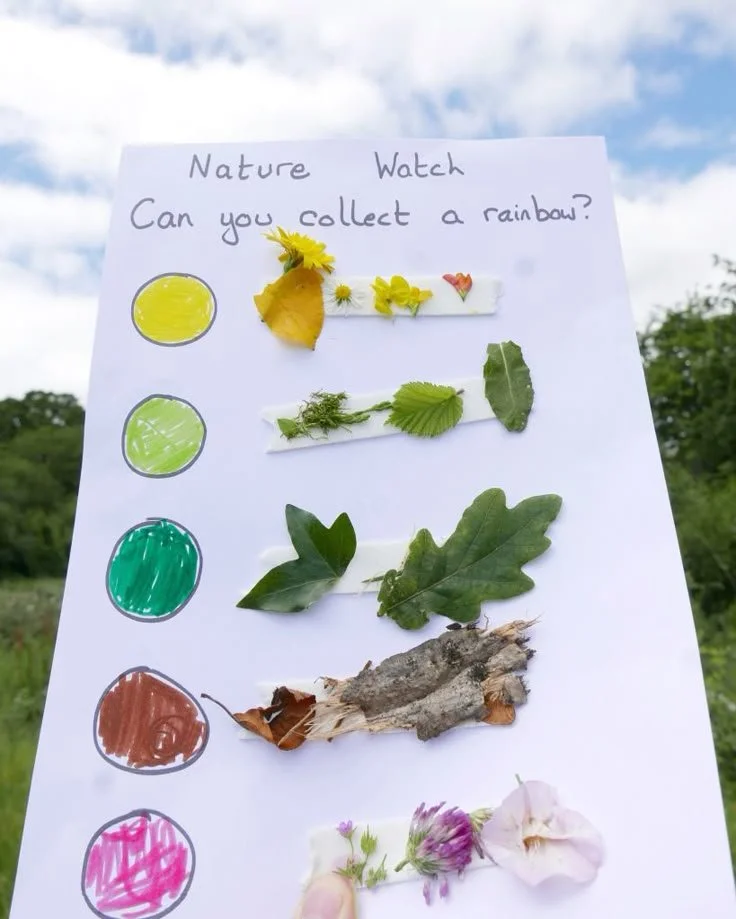
25 Spring Math Activities For Preschoolers
Spring is a wonderful time to bring math outdoors and into hands-on play. These 25 activities are designed to build early number sense, sorting, pattern recognition, measurement, and simple geometry — all through playful, seasonal themes. For ideas on healthy, kid-friendly props you can use in counting and sorting games, see this helpful guide to best vegetables for preschoolers.
Quick tips before you start:
- Keep sessions short (10–15 minutes) and focused.
- Use real objects (rocks, flowers, leaves) to make concepts concrete.
- Turn mistakes into curiosity — ask “How could we check that?” rather than correcting flatly.
- Repeat favorites across several days to build confidence.
Activities (with simple setup and learning goals)
- Flower Petal Counting
- Scatter paper or real petals and have children add or remove petals to match a given number.
- Bug Hunt Tally
- Collect toy bugs or draw insects, then make tallies to record how many of each color were found.
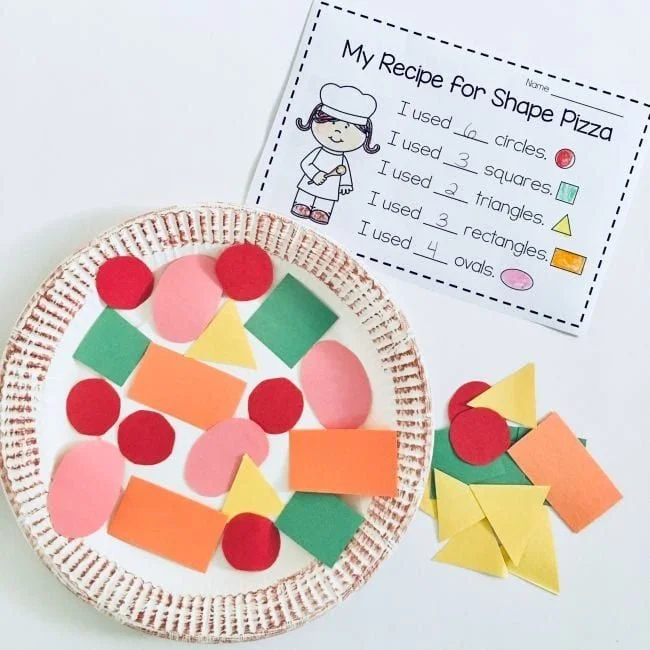
- Garden Shape Match
- Cut shapes from cardboard and have children match them to outlines on a garden mat.
- Seed Sorting
- Use pumpkin seeds, sunflower seeds, or dried beans to sort by size, color, or type.
- Pond Life Graphing
- Create a simple bar graph showing how many frogs, ducks, and fish are in a sensory tray.
- Leaf Length Lines
- Line up leaves from shortest to longest to introduce measurement and ordering.
- Spring Pattern Bracelets
- Use colored beads to make repeating patterns (red-blue-red-blue) on pipe-cleaner bracelets.
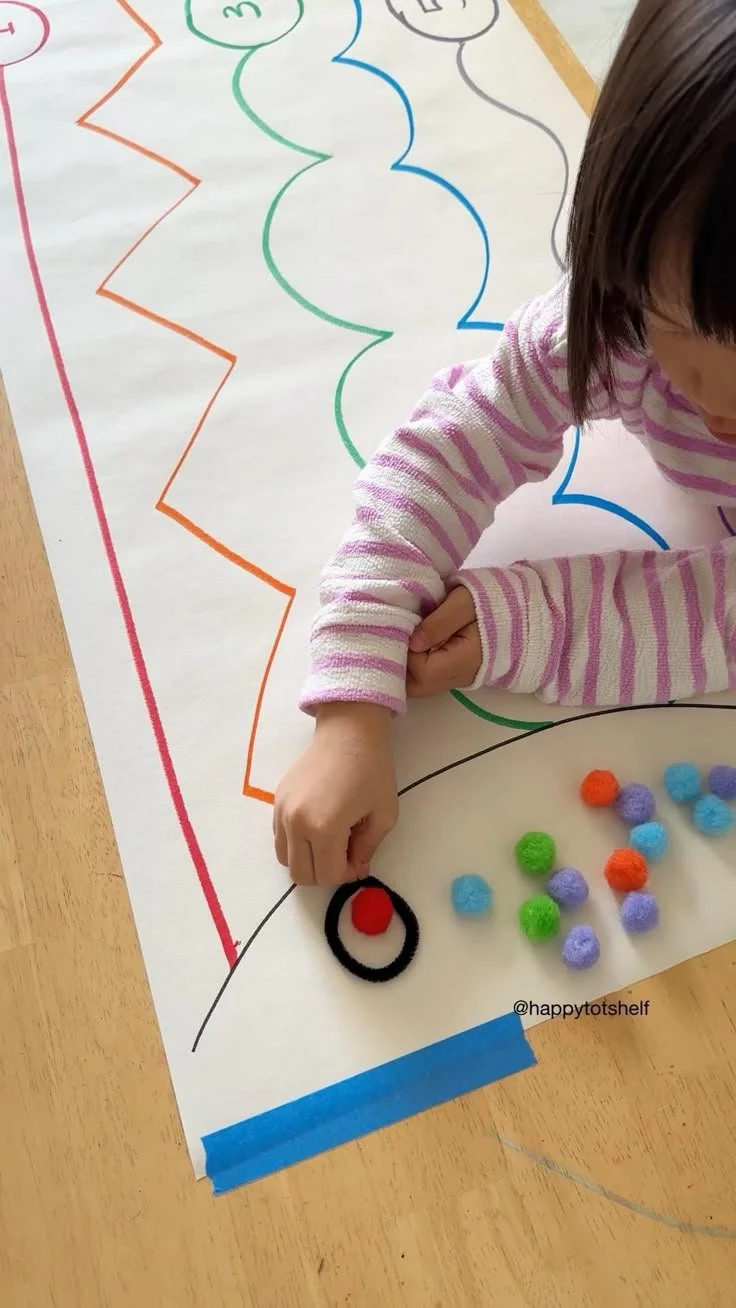
- Caterpillar Addition
- Add paper circles to a caterpillar body to represent simple addition problems (2 + 3 = 5).
- Egg Carton Counting
- Place pom-poms or counters into egg carton cups to practice one-to-one correspondence.
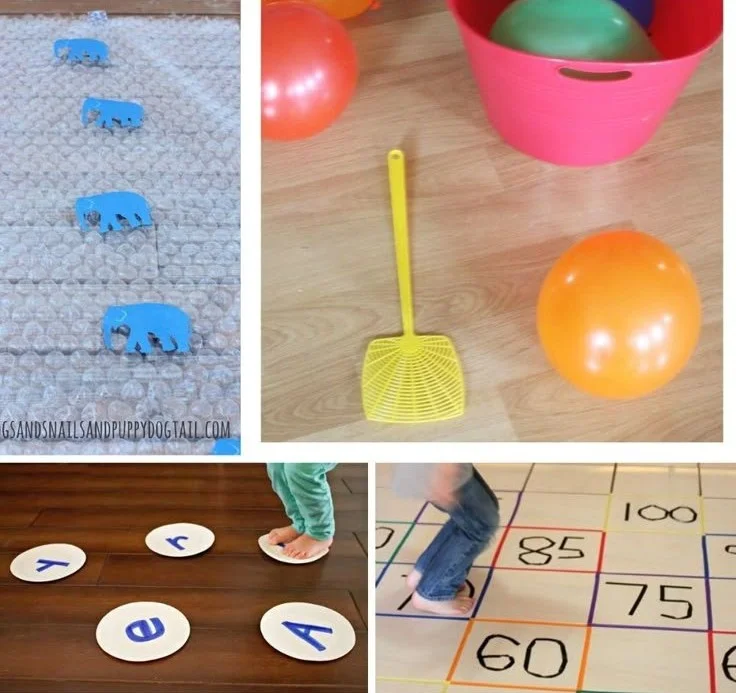
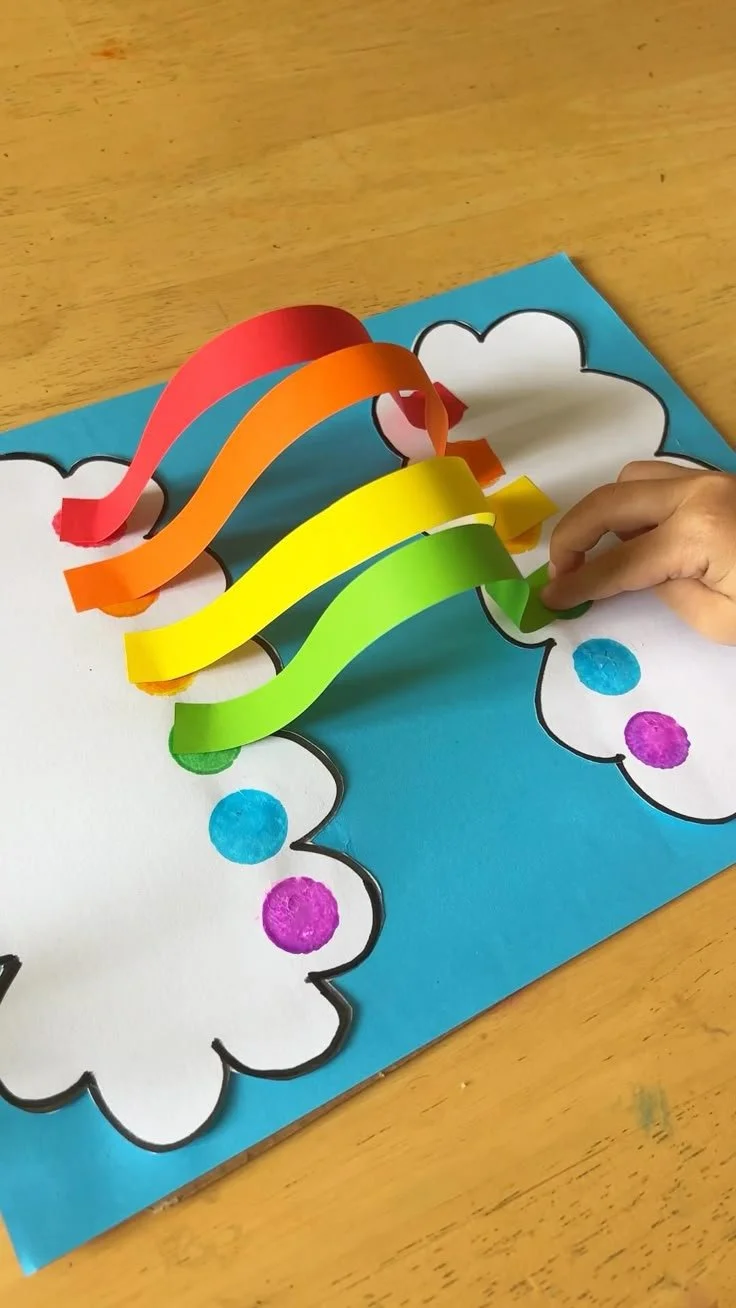
- Rainbow Number Hop
- Number paper plates 1–10 and have kids hop to the plate you call out, reinforcing numeral recognition.
- Butterfly Symmetry Art
- Fold paper, paint one side, and open to reveal symmetrical patterns; discuss halves and mirror images.
- Seed Packet Probability
- Plant mixed-color seeds in small pots and predict which color will sprout most often (early probability talk).
- Spring Sorting Relay
- Set up bins (flowers, insects, tools) and have a relay race to sort items — timing introduces measurement.
- Watering Can Capacity
- Use different-sized cups to fill a watering can, exploring volume and comparisons (more, less, same).
- Match the Shadow
- Cut spring-themed shapes and match them to their shadows; builds visual discrimination and shape knowledge.
- Weather Chart Counting
- Make a daily weather chart and count how many sunny or rainy days occur in a week.
- Seed Counting Mats
- Printable mats with pictures for children to place the correct number of seeds or counters.
- Garden Pattern Paths
- Lay colored stones in repeating sequences to create paths; kids follow and extend the pattern.
- Bunny Hop Skip Counting
- Use bunny cutouts to practice skip counting by twos or fives across a yard or rug.
- Nest Sorting by Size
- Provide different-sized bowls as nests and sort small toy birds into the appropriate nests.
- Spring Measurement Sticks
- Measure items (twigs, flowers) with a nonstandard unit like clothespins or blocks and compare lengths.
- Ladybug Number Match
- Create ladybugs with numbered spots and have kids place the correct number of spots on each ladybug.
- Picnic Plate Fractions
- Divide play plates into halves and quarters using toy food to introduce simple fractions.
- Flower Petal Probability Jar
- Draw colored petals from a jar and record results to discuss chance and prediction.
- Cooking Count-Along
- Use a simple spring snack recipe to measure, count, and sequence steps — great for hands-on math and language development. For a playful book-based cooking idea that supports naming and sequencing, try this cooking name for preschoolers book as a companion to your activity.
Safety and inclusion notes:
- Supervise small objects to prevent choking hazards.
- Offer alternatives for children with sensory sensitivities (e.g., dry materials instead of wet).
- Adapt counting ranges for individual levels — some might work up to 5, others to 20.
Extension ideas:
- Take photos of each activity and create a math scrapbook to track progress.
- Invite families to replicate one activity at home and share results.
- Combine math with literacy by having children describe their process in a sentence or draw what they did.
Conclusion
For a ready-made list of themed ideas and step-by-step instructions, check out this curated collection of 25 Spring Math Activities For Preschoolers – Play Ideas, which pairs well with hands-on teaching. If you want to extend learning into reading and language while keeping activities playful, consider the resource on 25 Fun Literacy Activities for Preschoolers | Rasmussen University to combine literacy with math. You can also find seasonal, kid-friendly projects and printables at 25 Spring Activities for Kids | ABCmouse to keep your spring lessons fresh and engaging.