25 Creative Activities and Ideas For Learning Shapes
Teaching shapes can be playful, hands-on, and woven into everyday moments. Below are 25 fresh, easy-to-set-up activities that help children recognize, name, and use shapes in creative ways. If you’re planning a shape-themed gathering or want fun snack ideas to match, you might enjoy these baby shower food ideas for a girl for inspiration on shape-based treats and presentation.
Each activity lists simple materials, a short how-to, and one extension to deepen learning.
Shape Scavenger Hunt
Materials: paper shapes or picture cards.
How-to: Hide shapes around the room. Give the child a checklist to find and check off each shape.
Extension: Sort found items by size or color.Playdough Shape Makers
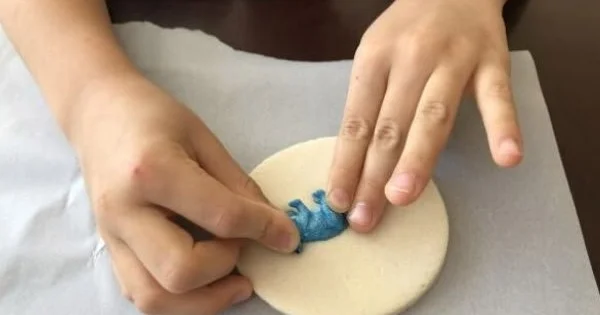
Materials: playdough, cookie cutters (various shapes).
How-to: Press playdough into cutters and name each shape.
Extension: Make patterns of shapes in a row.Shape Stamping with Vegetables
Materials: cut potatoes, paint, paper.
How-to: Carve simple shapes into potato halves, dip in paint, stamp on paper.
Extension: Count how many of each shape were stamped.Shape Collage Art
Materials: magazines, scissors, glue, construction paper.
How-to: Cut out shapes from magazines and assemble them into a collage scene (houses, trees, people).
Extension: Label each shape on the collage.Sensory Shape Tray
Materials: sand, rice, or dried beans; shape templates.
How-to: Place templates in tray and have kids trace shapes with fingers.
Extension: Bury small shape objects and use a brush to uncover them.Shape Hopscotch
Materials: chalk (outside) or tape (inside).
How-to: Draw or tape different shapes on the ground. Call out a shape and have children hop to it.
Extension: Ask them to make the shape with their bodies.Shape Puzzles from Cardboard
Materials: cardboard, scissors, marker.
How-to: Draw large shapes, cut into two or more puzzle pieces. Mix and have children reassemble.
Extension: Color the shapes before cutting.Shape Sorting with Muffin Tin
Materials: muffin tin, small objects or cut shapes.
How-to: Label each cup with a shape and have children place matching items inside.
Extension: Sort by multiple attributes (shape and color).Shape Matching Memory Game
Materials: pairs of shape cards.
How-to: Flip cards face down and play memory matching.
Extension: Increase difficulty by adding rotated shapes.Shape Yoga Poses
Materials: none.
How-to: Create simple poses that resemble shapes (star pose, triangle arms). Call out a shape to pose.
Extension: Sequence shapes into a “shape story” for balance practice.Shape Sorting Sensory Bottles
Materials: clear bottles, small shape confetti, water, glitter.
How-to: Fill bottles and let children identify shapes as they move.
Extension: Use a magnifying glass to inspect shapes closely.Shape Walk: Neighborhood Hunt
Materials: printable checklist with shapes.
How-to: Walk outside and spot shapes in signs, windows, or architecture.
Extension: Take photos to make a shape scrapbook.Shape Pasta Necklaces
Materials: pasta shapes (or use pre-cut shapes), string, paint.
How-to: Paint or color pasta and string into necklaces by shape.
Extension: Use beads to create pattern sequences.Magnetic Shape Board
Materials: magnetic shapes, cookie sheet.
How-to: Let kids build pictures on the magnetic surface using shapes.
Extension: Challenge them to create a specific object using only three shapes.Shadow Shapes with a Flashlight
Materials: a flashlight, paper cutouts.
How-to: Shine a light on shape cutouts to create shadows on the wall and guess the shape.
Extension: Move the light to change the shadow size and discuss how shapes stretch.Shape Baking: Cookie Cutter Creations
Materials: cookie dough or sandwiches, cookie cutters.
How-to: Cut food into shapes and name them before eating.
Extension: Create a shape-themed meal—see simple breakfast ideas for 1-year-old adaptations like pancake shapes.Bead Shape Patterns
Materials: assorted shaped beads, string.
How-to: Create repeating patterns with different shapes.
Extension: Have children describe or replicate the pattern.Shape Storytime: Books with Shapes
Materials: children’s picture books that feature shapes.
How-to: Read aloud and have children point out shapes on each page.
Extension: Draw a scene from the book using only the shapes learned.Cardboard Shape Houses
Materials: cardboard boxes, markers, scissors.
How-to: Cut and decorate houses using different shapes for doors, windows, and roofs.
Extension: Build a cardboard town using repeated shapes.Shape Fishing Game
Materials: paper fish with shapes, magnet wand, fishing pole.
How-to: Attach paper clips to fish and have kids “fish” for a shape you call out.
Extension: Add point values and play a scoring game.Shape Relay Races
Materials: large shape mats or taped shapes.
How-to: Teams race to collect objects matching their shape and return.
Extension: Swap roles so each child names the shape they collect.Digital Shape Hunt
Materials: tablet or computer with photos.
How-to: Search for shapes in digital images or take photos and label shapes.
Extension: Create a digital slideshow of shapes found in the environment.Build with Shapes: LEGO or Blocks
Materials: blocks or LEGO pieces.
How-to: Challenge kids to build specific shapes or combine shapes to make objects.
Extension: Discuss 2D vs 3D shapes during construction.Nature Shapes Collage
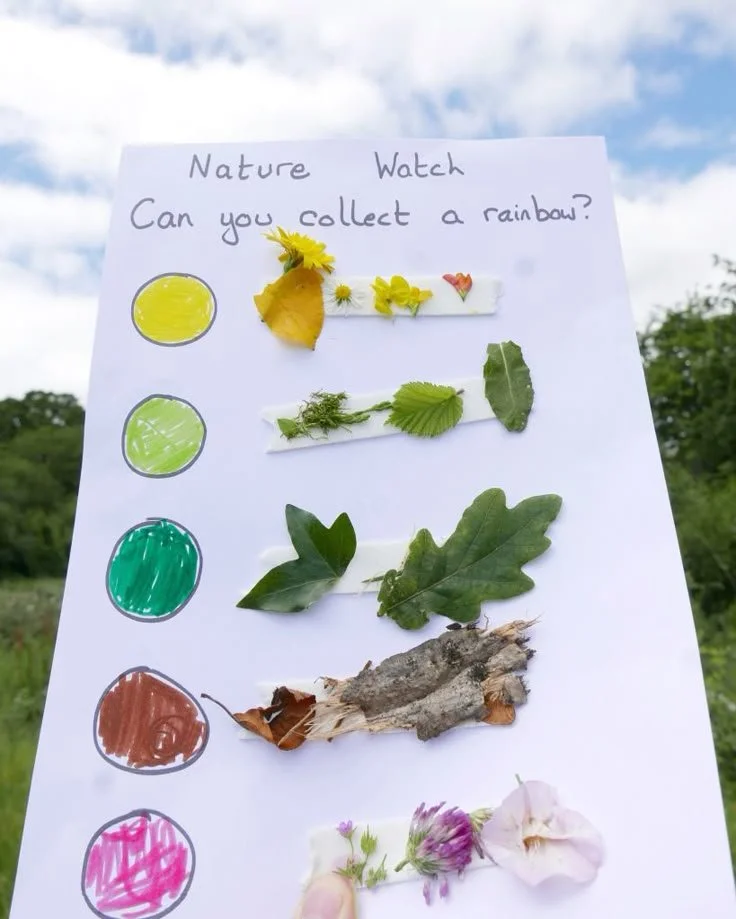
Materials: leaves, sticks, stones, glue, paper.
How-to: Collect natural items and arrange them into shapes on paper.
Extension: Count how many items were used for each shape.Shape Role-Play: Costume Shapes
Materials: colored paper, string, tape.
How-to: Make wearable shape cutouts (e.g., circle hat, triangle cape) and have children act out shape characters.
Extension: Create a short play where each shape has a special skill.
Practical Tips for Success
- Keep sessions short and playful; toddlers learn best in brief bursts.
- Use consistent shape names and reinforce with gestures.
- Rotate materials to sustain interest — switch from paper to fabric, sand to playdough.
- Encourage language: ask open questions (“What can we build with a triangle?”).
- Adapt complexity to age: babies can match and point, preschoolers can classify and create.
Assessment Ideas (informal)
- Observe whether the child can point to a named shape.
- Ask the child to find shapes in a picture book.
- Invite the child to sort mixed shapes into labeled bins.
These quick checks give insight into recognition and categorization skills.
Resources for materials
Most materials are inexpensive or repurposed household items: cereal can act as counters, empty boxes become building blocks, and crayons add color.
Conclusion
For more organized lesson plans and creative activity ideas, see this curated list of 25 Creative Activities and Ideas for Learning Shapes that offers classroom-ready versions. If you want child-friendly craft-focused options, the collection at 25+ Shape Activities and Crafts for Kids has many hands-on projects. For kindergarten-level 2D shapes lessons and printable resources, check out the free ideas at 25 Creative Ways to Teach 2D Shapes in Kindergarten.