15 Essential Things to Teach Your Toddler
Toddlers are curious, busy, and soaking up everything around them. Teaching the right skills now helps them grow confident, compassionate, and capable. If you’re thinking about rules and consequences, remember there are kinder options to punitive measures — for helpful ideas on limits that work without harsh punishment, explore gentle discipline alternatives.
Below are 15 practical, developmentally appropriate things to teach your toddler, with simple ways to practice each one every day.
- Name basic emotions
- Teach words for happy, sad, angry, and scared. Label emotions during moments together (“You’re smiling — you’re happy!”). Reading picture books about feelings helps too.
- Follow simple instructions
- Practice one- or two-step directions like “Please pick up the ball and give it to me.” Use games that reward listening, such as Simon Says.
- Share and take turns
- Model sharing and use turn-taking games with toys. Praise attempts and narrate the process: “You gave Maria the block — how kind!”
- Use polite words
- Teach “please,” “thank you,” and “excuse me” through repetition and modelling. Make it fun with role-play or puppet conversations.
- Self-feeding skills
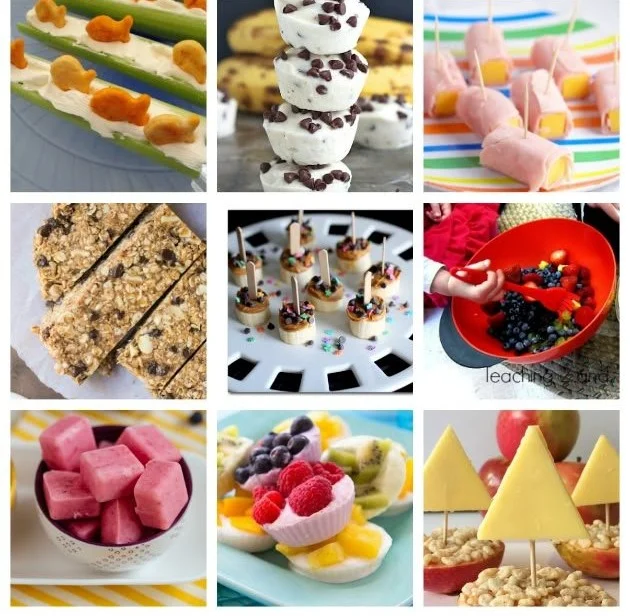
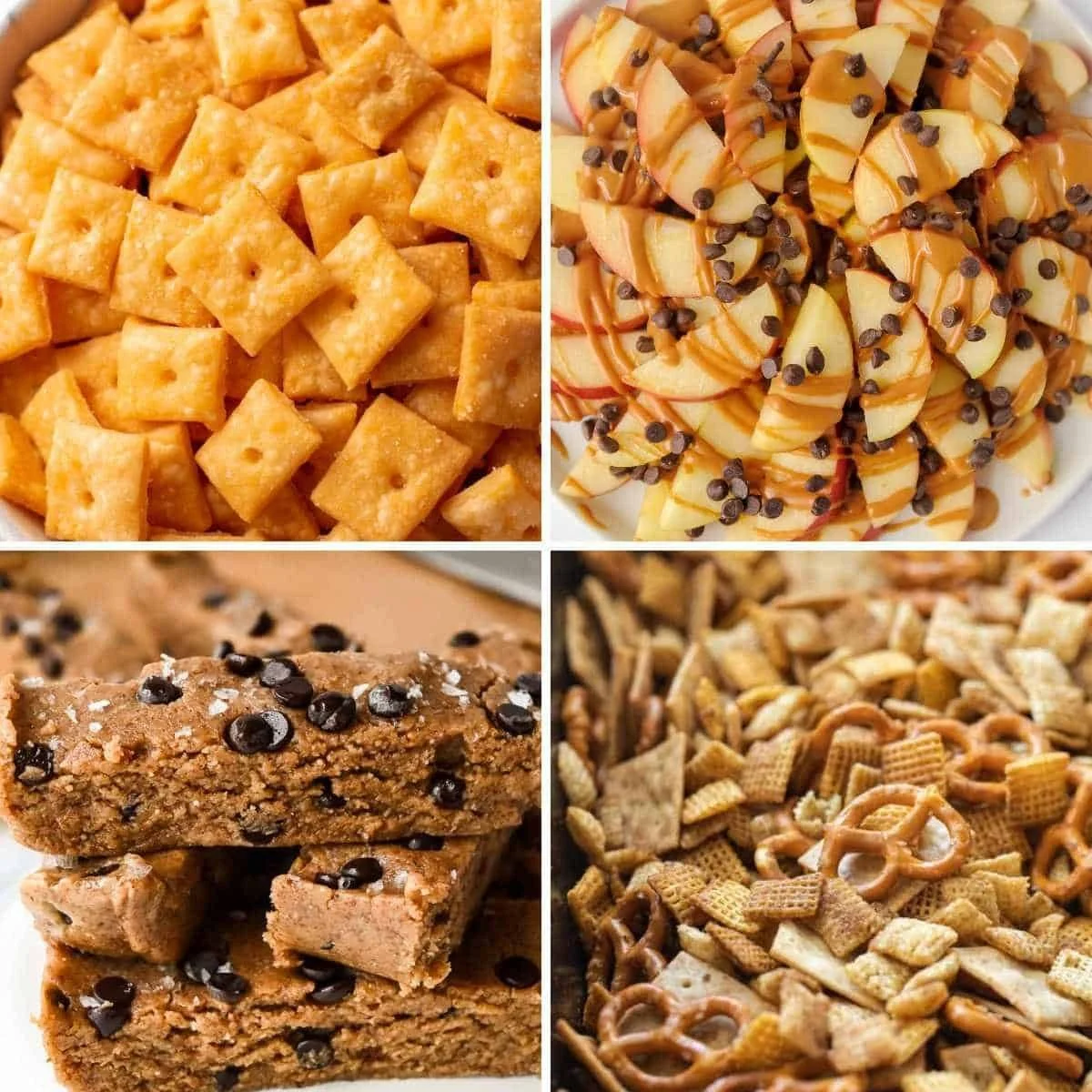
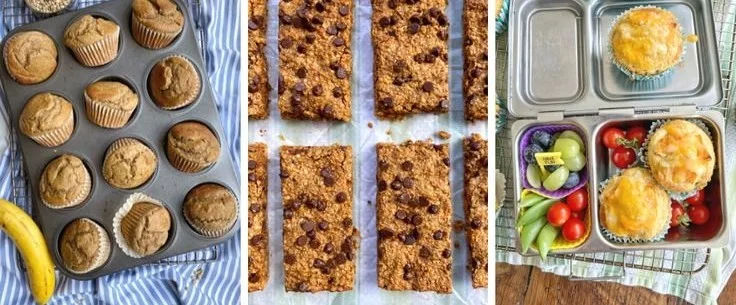
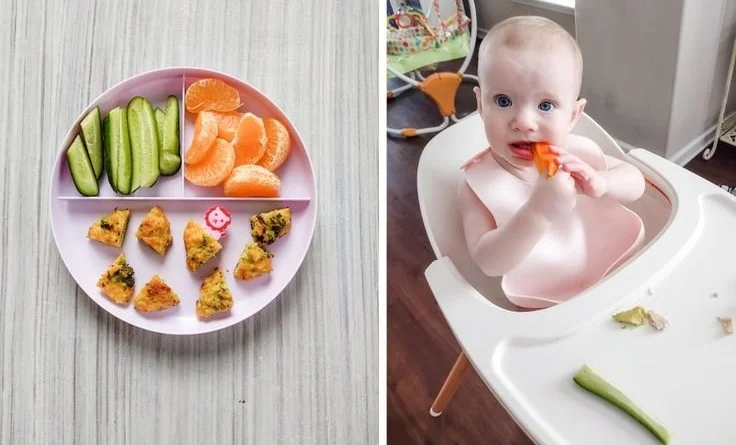
- Encourage use of a spoon or fork and drinking from a cup. Offer finger foods and let them practice — messy is part of learning.
- Basic independence with dressing
- Let them try simple parts of dressing: pulling socks on, pushing arms through sleeves, or choosing between two shirts to build autonomy.
- Safe boundaries and body awareness
- Teach which body parts are private and that they can say “no” to unwanted touch. Practice safe boundaries with clear, calm language.
- Problem-solving through choices
- Offer two acceptable options when disagreements arise (“Do you want the red cup or the blue cup?”) so they learn to decide and cope.
- Basic hygiene habits
- Make brushing teeth, handwashing, and wiping their face part of routines. Sing a short song to mark the two-minute brushing and make it predictable.
- Gross and fine motor skills
- Climbing, kicking, stacking blocks, and scribbling are all practice. Provide safe spaces and materials to move and create.
- Recognize colors and simple shapes
- Scan the environment and name colors and shapes during play and walks. Use puzzles and sorting toys to reinforce learning.
- Early counting and language
- Count steps, snacks, or toys aloud. Read daily and encourage repeating simple rhymes to build vocabulary and number sense.
- Express frustration with words
- Teach phrases like “I don’t like that” or “I need help” and model calm responses when they are upset. Name the feeling and offer choices.
- Bedtime routine and sleep habits
- A consistent bedtime routine (bath, book, song) helps signal sleep. To check whether your child might be too warm at night and how to adjust sleepwear, see signs your baby is too hot while sleeping.
- Creativity and pretend play
- Provide open-ended toys (blocks, dolls, costumes) and follow their lead in imaginative play — it strengthens language, empathy, and flexible thinking.
Quick practice tips
- Short, frequent moments beat long lectures: 3–5 minute practice bursts during the day help toddlers learn.
- Praise specific behavior (“You waited your turn!”) rather than using general praise to reinforce what you want repeated.
- Model calmness and routines; toddlers learn more from what you do than what you say.
Conclusion
If your toddler is sensitive to textures or tastes, these 15 strategies to encourage SPD toddlers to eat offer targeted ideas to make mealtimes less stressful. For ways to practice social skills and burn off energy over the summer, check local listings like Summer @ PVLD Kids Events for activity inspiration.

Click to get the full bundle — instant download