15 Easy Activities to Increase and Practice Fluency
Fluency—the smoothness, accuracy, and expression with which a child reads or speaks—is a key building block for confident communication and stronger comprehension. These 15 easy, low-prep activities can be adapted for preschoolers through older elementary students and used at home, in the classroom, or during tutoring. If you enjoy hands-on learning, pair some of these fluency games with simple materials from this collection of simple craft ideas to make practice more engaging.
How to use this list

- Pick activities that match the child’s age and attention span.
- Start with short practice sessions (5–10 minutes) and increase time as stamina improves.
- Mix spoken and reading fluency routines to build both expression and speed.
- Focus on accuracy first, then on rate and expression.
Activities (1–15)
Echo Reading
Read a short sentence or passage aloud, modeling expression and pacing, then have the child repeat it back. This reinforces phrasing and intonation.Choral Reading
Read together in unison. Choral reading reduces anxiety and helps children match prosody and rhythm.Reader’s Theater
Assign simple roles from a short script or adapted story and perform it with props or puppets. Rehearsal improves expression and automaticity.Timed Re-Reads
Have the child read the same short passage three times while you track time. Celebrate improvements in speed and smoothness rather than raw speed alone.Phrase-Cued Reading
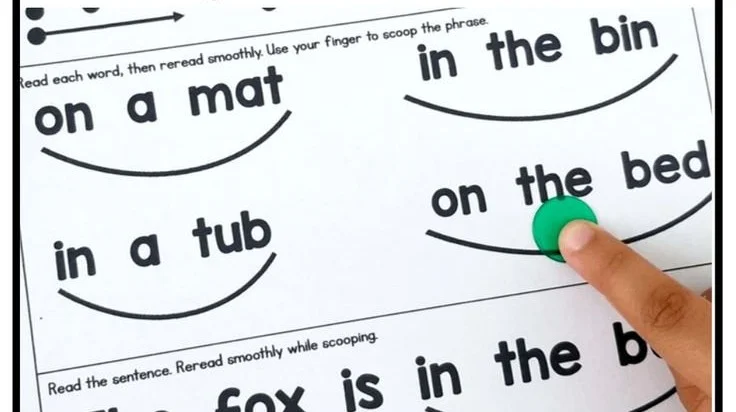
Mark passages with slashes or highlighting to show natural phrase breaks. Practice reading by phrases to avoid word-by-word choppiness.Sight-Word Bingo
Make a bingo card with high-frequency words. When a word is called, the child must read it aloud and use it in a quick sentence.Fluency Charades
Write short phrases or lines from a story on slips of paper. The child draws a slip and acts or says the phrase with expression. For quieter indoor days, combine this with other play ideas from these indoor activity suggestions to keep energy contained and productive.Paired Reading
Pair a stronger reader with a developing reader. The stronger reader models fluency, then the partner reads the same portion aloud with support.Reading Relay
Divide a story into short chunks. Each child reads a chunk and passes the book to the next reader—good for classrooms to maintain engagement.Record and Replay
Use a phone or tablet to record short readings. Playing them back lets children hear their own pacing and expression and track progress over time.Punctuation Practice
Create short sentences that emphasize different punctuation (commas, question marks, exclamation points) and practice reading them with appropriate voice changes.Fluency Dice
Put words, phrases, or reading cues on a die. Roll and read whatever comes up—adds novelty and builds automaticity.Speed-Accuracy Balance Game
Set a comfortable target speed and accuracy goal. Reward attempts that meet both, reinforcing that both elements matter for fluent reading.Musical Reading
Pair short passages with music. Read during musical cues (or when the music stops) to practice pacing and maintaining flow under a playful constraint.Character Voices
Have children read dialogue using different voices for characters. This boosts prosody, comprehension of tone, and expressive reading.
Tips for measurement and progress
- Keep a simple fluency log: date, passage title, words correct per minute (WCPM), and notes on expression.
- Use audio recordings occasionally to document improvement.
- Celebrate small gains—better phrasing or smoother reading is progress even if speed changes slowly.
Differentiation ideas
- For emergent readers: focus on echo reading, sight-word games, and short choral passages.
- For developing readers: add timed re-reads, phrase-cued reading, and recorded playback.
- For older students: use Reader’s Theater, text-based fluency practice, and performance tasks that tie expression to comprehension.
Materials and setup
Most activities require only familiar texts (leveled readers, short poems, or familiar stories), a timer, and optional props. Minimal preparation keeps practice frequent and low-pressure.
Conclusion
For a ready-made collection of activities that inspired this list, see the original compilation at Tejeda’s Tots: 15 Easy Activities to Increase and Practice Fluency, which offers straightforward variations you can try today. For strategies specifically aimed at older students improving oral reading fluency, consider the practical guidance in Teaching Oral Reading Fluency to Older Students to adapt these ideas for higher-grade texts.

Click to get the full bundle — instant download