
10 Subtle Gaslighting Phrases Parents Say to Their Kids (and What to Say Instead)
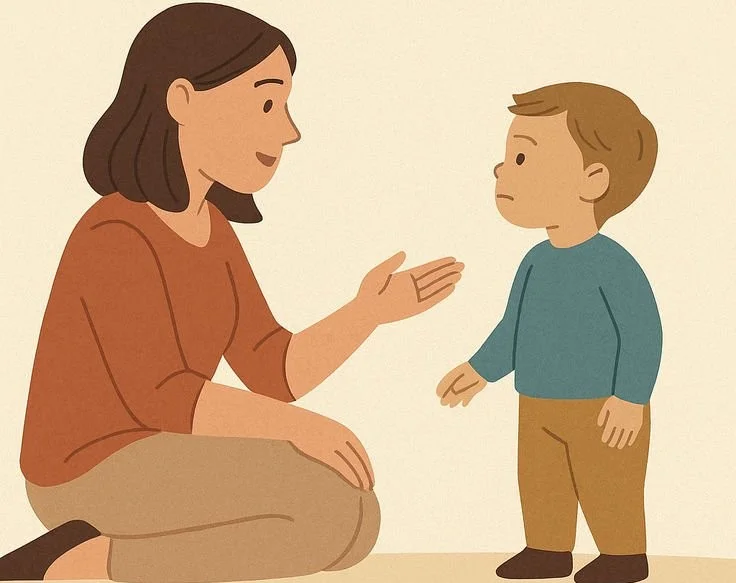
Parents often mean well, but some everyday phrases can quietly undermine a child’s experience and trust. Gaslighting isn’t always dramatic manipulation — it can be subtle, habitual language that tells a child their feelings, memories, or reality are wrong. Below are 10 common phrases parents use, why they can be harmful, how a child might feel, and healthier alternatives that validate and strengthen connection.
Introduction
Children develop emotional intelligence through how adults respond to them. Small dismissals can add up into confusion, self-doubt, and difficulty trusting their own feelings. For ideas that help reduce mealtime stress and nurture a calm household, consider this resource on gluten-free kids’ potato ideas which can make shared family moments gentler and more predictable.

"You’re too sensitive."
Why it hurts: This dismisses the child’s emotional experience and implies there’s something wrong with them for feeling what they feel.
What a child hears: "Your feelings are wrong or exaggerated."
Better: "I hear that upset you. Tell me what happened so I can understand.""I was only joking."
Why it hurts: When a child is hurt by a comment, calling it a joke minimizes their pain and teaches them their reactions aren’t valid.
What a child hears: "Your reaction is not legitimate."
Better: "I didn’t realize that would hurt you. I’m sorry — that wasn’t my intention.""You’re remembering it wrong."
Why it hurts: Challenging a child’s memory can make them doubt their own perceptions and reality.
What a child hears: "Trust your memory less than what I say."
Better: "I remember it differently. Let’s talk about both versions and figure out what really happened.""Calm down."
Why it hurts: Telling someone to calm down while they’re upset usually escalates distress and signals their emotions are inappropriate.
What a child hears: "Your feelings are a problem for me."
Better: "You’re really upset. I’m here — take a breath and tell me what’s going on when you’re ready.""I never said that."
Why it hurts: Flat denials erase the child’s experience and can contribute to long-term distrust.
What a child hears: "You can’t rely on your memories — I’m right and you’re wrong."
Better: "If I said that, I’m sorry. Let’s sort out what was said and how we can fix this.""You’re making that up."
Why it hurts: This accuses the child of lying and invalidates true disclosures, which is especially damaging if the child is reporting harm.
What a child hears: "You shouldn’t tell the truth because no one will believe you."
Better: "Tell me more. I want to understand what happened so I can help.""Stop being dramatic."
Why it hurts: Labels like "dramatic" shame a child and discourage emotional expression.
What a child hears: "Your emotions are a performance, not legitimate."
Better: "I can see this matters to you. Let’s talk about why it feels so big.""It was for your own good."
Why it hurts: Framing hurtful actions as benevolent justification can prevent accountability and make the child feel manipulated.
What a child hears: "You must accept hurt because I know better."
Better: "I thought this was best. I can see it upset you — let’s discuss how to handle it differently next time.""No one else will love you if you act like that."
Why it hurts: Threatening a child’s relationships with shame or fear is emotional manipulation and harms self-worth.
What a child hears: "You are only lovable under conditions."
Better: "Behavior has consequences, but you are loved. Let’s talk about better choices and how I can support you.""You’re just like [negative comparison]."
Why it hurts: Comparing a child to someone negatively reduces them to that trait and can create shame and identity confusion.
What a child hears: "You are defined by this flaw."
Better: "I don’t like that behavior. I know you’re better than that — how can I help you do differently?"
Practical tips for parents trying to stop gaslighting patterns
- Pause before responding: Take a breath so you don’t reflexively dismiss or negate a child’s feelings.
- Reflect their emotion: Use phrases like "You seem…" to name feelings without judgment.
- Ask open questions: "What happened?" or "How did that make you feel?" invites detail and respect.
- Own mistakes: If you dismissed them, apologize and correct course.
- Model vulnerability: Sharing your emotions and admitting uncertainty teaches healthy emotional processing.
If you’re rethinking discipline methods that rely on shaming or threats, exploring alternatives can help build cooperation without eroding trust; for more on options that don’t center on punishment, see this guide to non-punitive discipline alternatives.
Conclusion
If you want a deeper list of common gaslighting phrases and short explanations, this Good Housekeeping article on common gaslighting phrases is a useful reference. For practical strategies on how to stop gaslighting and genuinely hear a child’s pain, this Motherly guide about listening to your child’s pain offers compassionate, actionable advice.

Click to get the full bundle — instant download