Embracing the Montessori Approach with Toys and Activities for Toddlers 18 to 20 Months
Imagine walking into your living room, coffee in hand, and catching a glimpse of your little one, busily engaged in an activity that not only captivates their attention but also fosters their development. Isn’t that an incredible feeling? As parents, we often search for ways to provide enriching experiences for our toddlers, and the Montessori method serves as a wonderful guide. If you’re the parent of an 18 to 20-month-old, you’re in for a treat! Let’s dive into some of the best toys and activities that align perfectly with Montessori principles, nurturing your child’s independence and curiosity.
Understanding the Montessori Method
You might be wondering, “What’s so special about Montessori?” The beauty of Montessori lies in its focus on child-led learning. The idea is that children thrive when they can choose their activities based on their interests. It’s not just about playing; it’s about creating an environment that encourages exploration, discovery, and hands-on interaction.
Here’s the thing: toddlers are naturally curious. At 18 to 20 months, they’re on the brink of discovering more about their world. With the right tools, you can fuel that curiosity, helping them develop skills that will last a lifetime.
Favorite Montessori Toys for Toddlers
1. Wooden Blocks
This classic toy never goes out of style. Wooden blocks aren’t just fun; they promote fine motor skills, hand-eye coordination, and spatial awareness. Plus, they can be used in countless ways! Your toddler can stack, balance, or even sort them by color or size, turning a simple playtime into a learning experience.
2. Practical Life Activities
Think about toys that simulate real-life tasks. Items like child-sized broom sets or small kitchen tools can be fantastic. They not only engage toddlers but also help them learn responsibility and build confidence. Just picture your little one proudly sweeping the floor—pure joy!
3. Puzzles
Puzzles in different shapes and sizes can be a great way to boost cognitive skills. Look for simple wooden puzzles with knobs that make it easy for little hands to grasp. When they successfully fit a piece, their sense of accomplishment is palpable!
4. Sorting and Stacking Toys
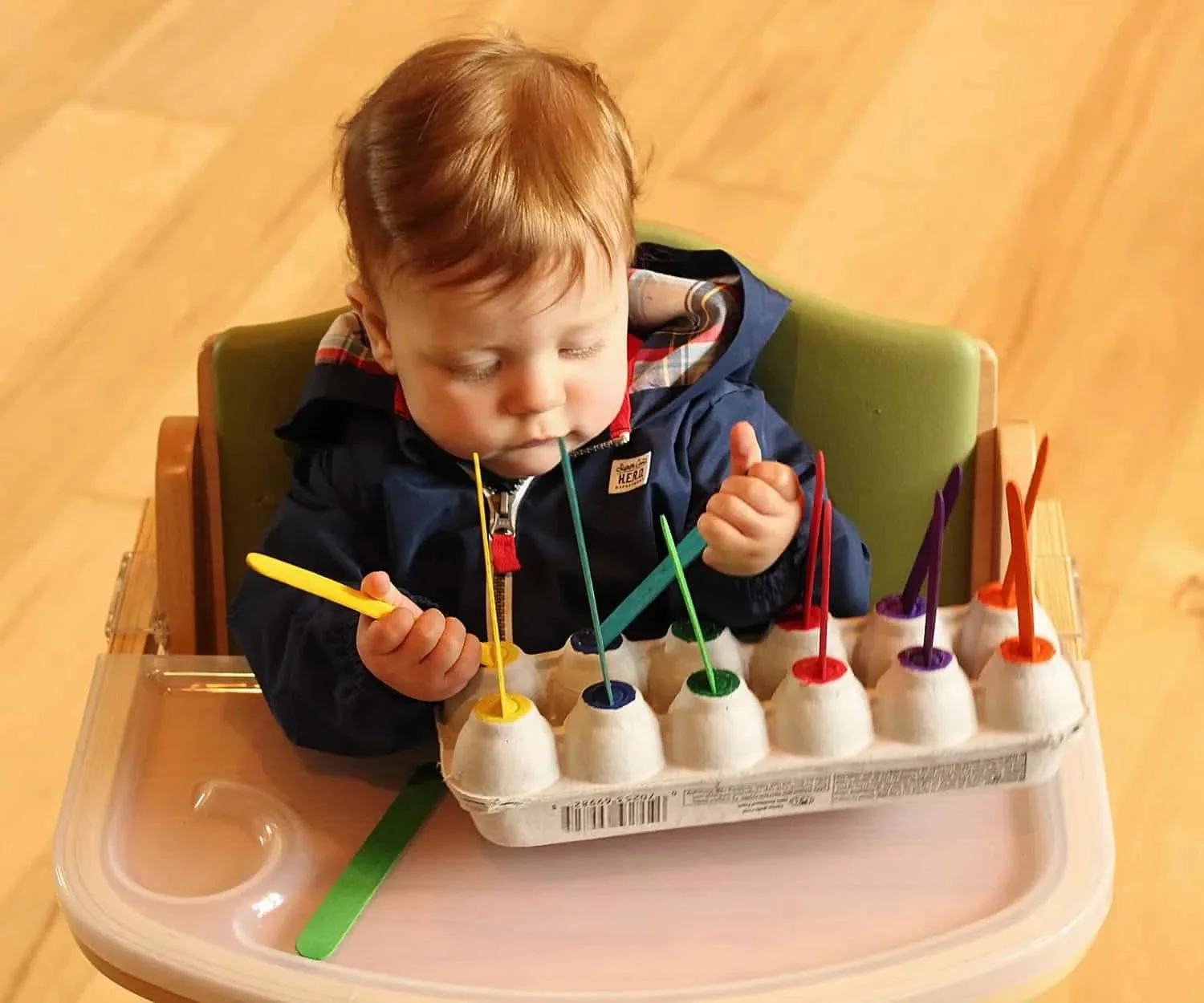
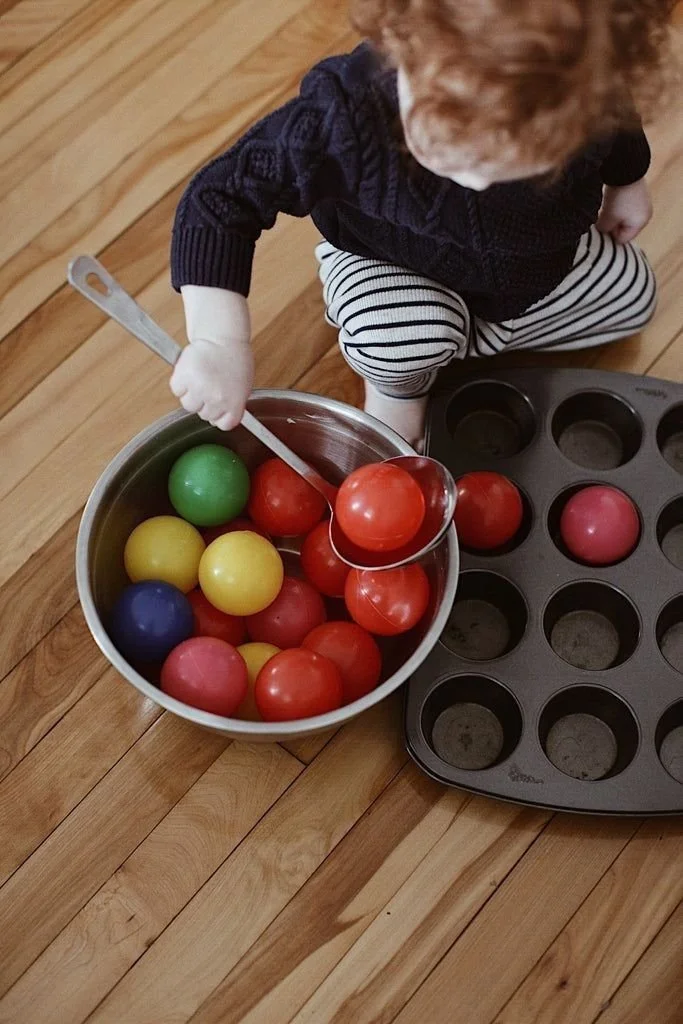
Sorting toys that come with different shapes and colors help toddlers develop critical thinking skills. Stacking toys can enhance their motor skills while encouraging creativity. These playthings allow your child to experiment and discover different possibilities—how fun is that?
5. Sensory Bins
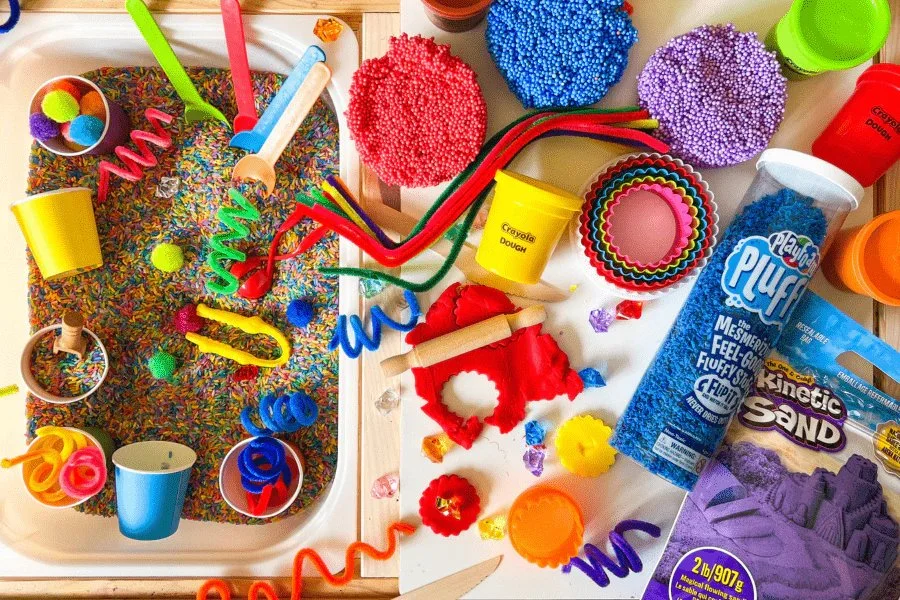
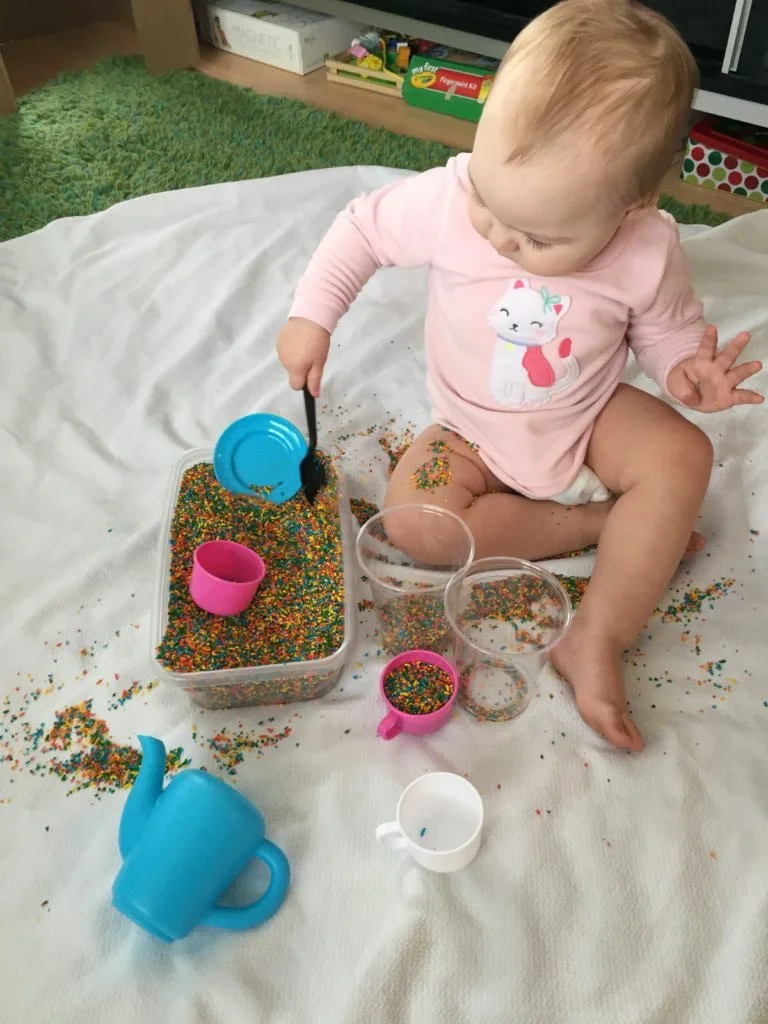
Here’s where you can get really creative! Sensory bins filled with safe materials like rice, beans, or water play items can be endlessly engaging. You might fill them with spoons, scoops, or small containers for pouring. Just remind yourself to set up this area where you don’t mind some mess (trust me, it will happen)!
Engaging Activities for Your Mobile Toddler
6. Nature Walks
Take advantage of the world outside. A simple walk can turn into an adventure filled with discoveries. Challenge your toddler to find different leaves, rocks, or flowers. Talk about colors and textures (you’ll be amazed at how much they absorb)!
7. Water Play
Water play can be as simple as using a container filled with water and a few cups. Your little one will love pouring, splashing, and experimenting with cause and effect. Just be sure to supervise during this time—it’s a splash zone!
8. Art with Natural Materials
Gather some leaves, sticks, and even flowers for a fun art project. Using non-toxic paint or a glue stick, your child can create a masterpiece with items from nature. This not only fosters creativity but also fosters a love for the environment.
9. Role Play with Dolls and Stuffed Animals
What if you encouraged imaginative play? Provide your child with dolls or stuffed animals to spark their imagination. Pretending to take care of a baby or have a tea party helps develop social skills and empathy.
10. Obstacle Courses
You can create a mini obstacle course at home to enhance gross motor skills. Use cushions, chairs, and other safe items for them to climb over, crawl under, or walk around. The joy in their eyes as they navigate the course will be priceless!
Quick Tips to Enhance Learning
- Follow Their Lead: If you notice your child is particularly fascinated by something, create opportunities around that interest.
- Keep It Simple: Limit the number of toys available at one time. A few high-quality, engaging options are better than a cluttered play area.
- Encourage Exploration: Create a safe environment where your toddler feels comfortable exploring. Trust me, sometimes a little mess is part of the process and totally worth it!
Mistakes to Avoid
- Over-managing Playtime: It’s tempting to guide every activity, but let your child explore freely.
- Ignoring Their Cues: Pay attention to what they gravitate towards or show frustration with—and adjust accordingly.
- Buying Too Many Toys: Quality over quantity is essential! Too many toys can lead to overwhelm, and you want them to engage deeply with their play.
FAQs About Montessori for Toddlers
What are the key principles of Montessori?
Montessori focuses on child-led learning, independence, and hands-on experiences. It encourages children to explore their interests at their own pace.
How can I set up a Montessori-inspired space at home?
Keep it simple. Low shelves, open access to materials, and a tidy play area all promote independence. Encourage a “work” mindset rather than just play.
Are toys really that important for development?
Absolutely! Toys provide opportunities for learning through play, enhancing cognitive and physical development, along with social skills.
Bonus Ideas for Additional Montessori-Inspired Fun
- Treasure Baskets: Create a few baskets filled with interesting textures like soft fabric, sponges, and wooden items. Your toddler will love discovering the different sensations!
- Nature Collection: Involve your little one in a collection activity, where they can gather and learn about various natural objects.
- Music and Movement: Incorporate music into your day with simple instruments. Dancing and singing can be a wonderful way to explore rhythm and movement together.
As you journey through this exciting stage with your little one, remember that it’s completely normal to feel a mix of excitement and curiosity (and let’s be real, maybe a little exhaustion too!). By integrating Montessori principles into your home, you’re creating a rich learning environment that taps into your child’s natural desires to explore and learn.
So, here’s to new adventures filled with laughter, mess, and learning together! Together, we’re all doing our best to raise happy, independent children, and that’s something to celebrate.