
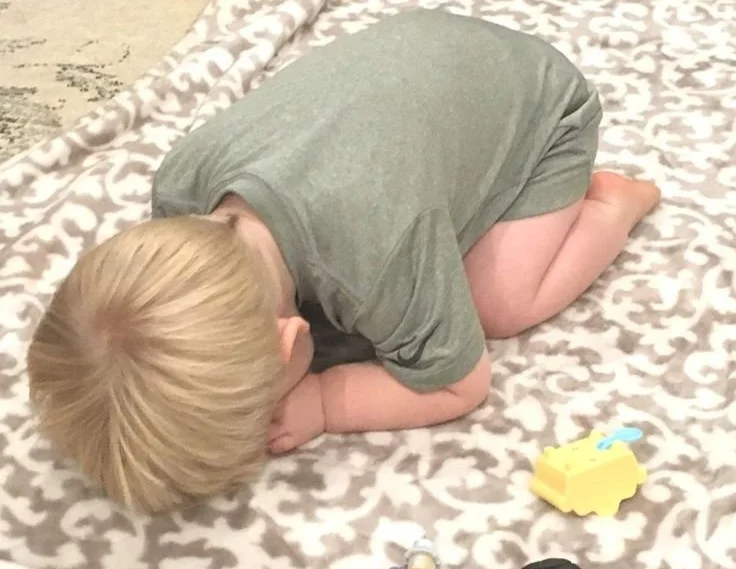
Toddler Discipline: Identifying Behaviors that Need to be Corrected and Making a Behavior Plan
Introduction
Toddlers are testing boundaries as they learn language, motor skills, and social rules. Not every misstep needs correction; distinguishing normal exploration from patterns that interfere with safety or learning is key. Nutrition and routine also affect mood and impulse control, so consider simple supports like the benefits of apples for toddlers when planning predictable meals and snacks that can reduce tantrums.
Recognizing Which Behaviors Need Correction

- Safety risks: hitting, biting, running into streets, or touching dangerous objects must be corrected immediately and consistently.
- Socially disruptive actions: persistent aggressive grabbing, repeated refusal to share, or continual elimination of safe routines (like bedtime) when it interferes with family life.
- Skill-blocking behaviors: actions that prevent a child from learning basic self-care, cooperating in group settings, or following simple directions deserve attention.
- Frequency and context: occasional hitting during frustration is different from a child who regularly hurts others; frequency, intensity, and context determine the need for a plan.
Principles for Choosing What to Correct
- Prioritize safety and respect for others.
- Target one or two behaviors at a time to avoid overwhelming the child or caregivers.
- Use clear, simple rules that a toddler can understand (short phrases, consistent wording).
- Match expectations to developmental stage—toddlers have limited impulse control and language.
Creating a Simple Behavior Plan
- Define the target behavior clearly
- Instead of “be good,” define “use gentle hands” or “sit during snack time.”
- Choose a simple, age-appropriate consequence and reward
- Consequences: brief time-out, removal of a toy for a short, specified time, or a calm redirection.
- Rewards: immediate praise, a sticker, or an extra story when the child follows the rule.
- Teach the replacement behavior
- Model, role-play, and practice the desired behavior repeatedly: show “gentle hands” on a stuffed animal, praise attempts.
- Keep the plan short and consistent
- Use the same language and steps across caregivers so the toddler receives consistent feedback.
- Track progress
- Make a short, daily note of successes and setbacks so you can see trends and adjust the plan.
Tools and Techniques That Work with Toddlers
- Visual cues: simple picture rules or a one-item visual schedule can help toddlers anticipate transitions.
- Immediate, specific praise: “Great job keeping your hands to yourself!” reinforces the exact behavior.
- Natural consequences when safe: if a block tower is knocked down intentionally, the child helps rebuild or takes a short break from blocks.
- Redirection and offering choices: “You can push the truck here or roll the ball there” gives toddlers a sense of control while steering behavior.
- Consistent routines: predictable mealtimes, naps, and bedtime reduce out-of-control behavior caused by fatigue or hunger.
Monitoring, Adjusting, and Communicating
- Review the plan weekly: celebrate improvements and simplify or change strategies if there’s no progress after a few weeks.
- Share the plan with all caregivers so responses are consistent.
- Keep responses calm and brief—toddlers learn more from repeated calm practice than from long lectures.
When to Seek Professional Help
If aggressive behavior persists despite consistent, evidence-based strategies; if a child displays extreme withdrawal, regression, or behaviors that impair daily functioning; or if caregivers feel overwhelmed, consult a professional who specializes in early childhood behavior and development. A skilled practitioner can offer assessment, additional strategies, or therapy tailored to your child’s needs and your family context. For help finding specialized support, consider resources on locating a child behavioral therapist.
Conclusion
For an overview of evidence-based behavior modification approaches you can adapt for young children, see the Behavior Modification – StatPearls – NCBI Bookshelf – NIH. If you want resources related to school and district discipline practices as your child approaches preschool or kindergarten, consult the School Discipline Information and Resources page for policy context and guidance.

Click to get the full bundle — instant download