Snowstorm in a Jar — A Simple Science Activity for Kids
Bring a bit of winter magic indoors with a Snowstorm in a Jar. This hands-on experiment is an easy, visual way for kids to explore density, particle interactions, and how tiny forces create big effects. It’s quick to set up, safe, and adaptable for preschoolers through early elementary ages. After the activity, consider offering a quick, healthy snack such as the protein shakes for kids idea to keep little scientists energized and ready to discuss what they observed.
Materials
- A clear jar with a lid (mason jars work great)
- Warm water
- Baby oil or vegetable oil
- White paint, glue, or alka-seltzer tablet (depending on the method)
- Glitter (optional — for “snow”)
- Food coloring (optional)
- Measuring cups and a funnel (optional, helpful for pouring)
Two easy versions
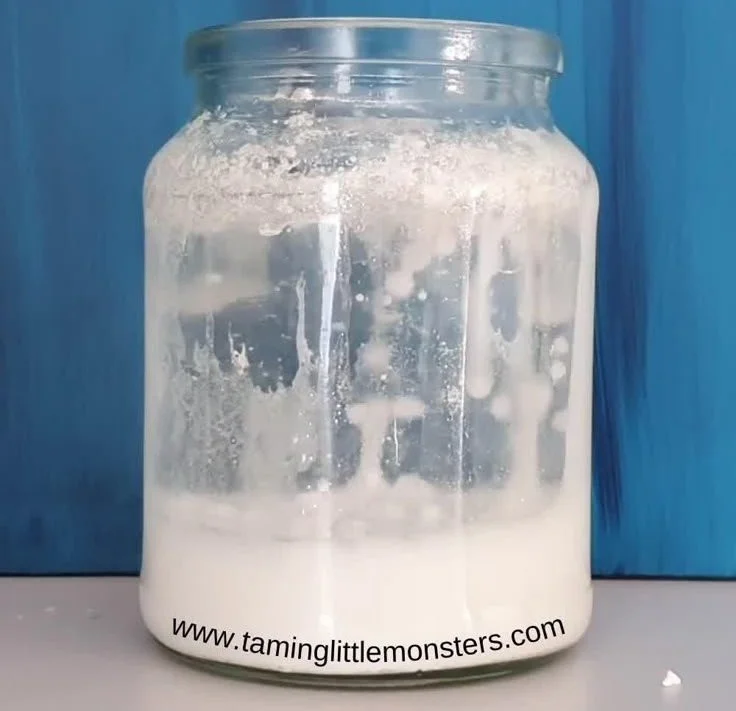
- Paint or glue method (gentle, craft-style snow): Mix white paint or glue with water and a little glitter. Pour oil into the jar, then add the white mixture. Seal and shake to create swirling flakes that fall slowly.
- Fizzy tablet method (more dramatic movement): Fill the jar about two-thirds with warm water, add oil on top, then drop in small pieces of an alka-seltzer tablet and sprinkle in glitter. The fizz drives blobs of water upward through the oil, then they fall like snow when the reaction subsides.
Step-by-step (fizzy tablet version)
- Fill the jar two-thirds full with warm water. Add a few drops of food coloring if you want a tinted background.
- Gently pour oil on top of the water until the jar is nearly full. Let the layers settle so you can clearly see the oil above the water.
- Sprinkle in glitter for extra sparkle.
- Break an alka-seltzer tablet into small pieces and drop one piece into the jar. Watch as bubbles lift the colored water up through the oil; when the bubbles pop, the droplets sink slowly back down, mimicking a snowstorm.
- Replace the tablet pieces as desired to prolong the effect. Seal the lid when finished.
What’s happening (the science)
- Density: Oil and water don’t mix because water is denser than oil. This density difference keeps the two layers separate and allows distinct droplets to form.
- Surface tension and immiscibility: Water molecules tend to stick together, forming beads or droplets when they pass through oil.
- Gas bubbles and motion: In the fizzy version, the alka-seltzer releases carbon dioxide gas. Bubbles attach to droplets of colored water and carry them upward through the oil. When bubbles pop at the top, the droplets lose their lift and fall slowly, creating the “snowfall.”
This simple experiment demonstrates how invisible forces (like gas bubbles) can move liquids and create continuous motion.
Variations and extensions
- Slow-motion snow: Use heavier oil (like baby oil) or reduce the amount of alka-seltzer to make smaller, gentler movements that take longer to fall.
- Color mixing: Try two jars with different colored water layers to compare how the colors move.
- Measurement challenge: Have kids predict how many tablet pieces are needed to keep the jar active for five minutes, then test and record results.
- Story break: If you want a light-hearted classroom reset after several trials, try telling the best joke about anger for kids to get everyone laughing before experimenting again.
Safety and cleanup
- Supervise use of small tablets and glitter with young children to avoid ingestion and spills.
- Seal jars tightly if items include glitter or small pieces to prevent mess.
- Dispose of mixtures according to local guidance — oil should not be poured down drains.
Why kids love it
The visual drama of droplets rising and falling is hypnotic and satisfying. It’s quick to set up, scalable in complexity, and blends sensory play with observable science — a perfect combo for curious minds.
Conclusion
For step-by-step inspiration and variations you can try at home, check out the detailed Snowstorm in a Jar Winter Science Experiment from One Little Project. You can also compare methods and educational tips with the Make a Snowstorm in a Jar guide from Little Passports.

Click to get the full bundle — instant download