
Imagine waking up to a bright, sunny morning, the birds are chirping, and your two-year-old is bouncing out of bed full of energy. You’re thinking, “What on earth are we going to do all day?” You’re not alone in this feeling! We’ve all been there, staring at a wall of toys while our toddlers eagerly look up at us, ready for adventure. The good news is, I’m here to help you navigate through the hours with a structured, fun-filled daily schedule that’s perfect for your little one and helps them thrive.
Structuring Your Day
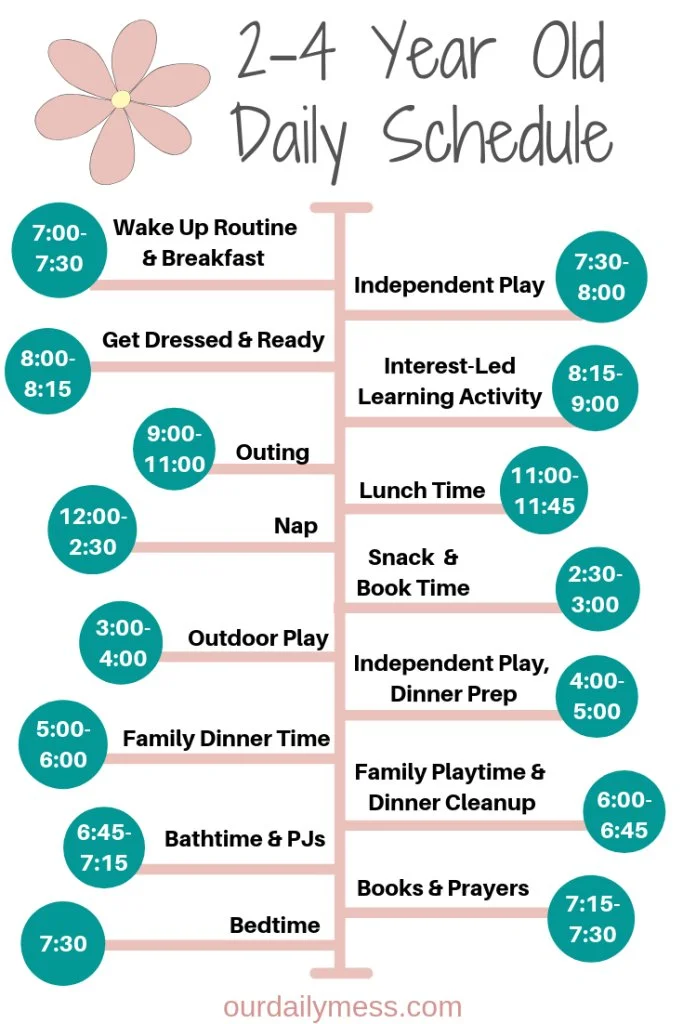
A daily schedule isn’t just about ticking off boxes; it’s about creating routines that foster development, learning, and quality bonding time with your toddler. Now, you might be wondering, “What does a good schedule look like?” Here’s a breakdown of a typical day to get you started.
Morning Routine
Wake-Up and Breakfast
Start the day with a consistent wake-up time, ideally between 7:00 and 8:00 AM. After getting dressed, head to the kitchen for a healthy breakfast. This is a great time to introduce your toddler to new foods. Check out our toddler-friendly breakfast ideas to make mornings easier and healthier.
Morning Play Time
After breakfast, coordinate a mix of independent play and structured activities. You might want to set aside about an hour for this. Engage with them through creative play—think building blocks, puzzles, or art supplies. This not only promotes fine motor skills but also inspires creativity. Sound familiar?
Mid-Morning Snack and Outdoor Play
Snack Time
Around 10:00 AM, it’s snack time again. Offer easily accessible foods like fruit, yogurt, or whole-grain crackers. Keeping their tummy full is crucial for focusing during playtime.
Outdoor Adventures
Post-snack, head outside if the weather permits. A trip to the local park, a nature walk, or even some backyard playtime will work wonders in burning off pent-up energy. Play hide and seek, or simply let them explore the world around them. This engagement with nature enhances their sensory experiences and attention spans.
Lunchtime and Quiet Time
Lunch
By 12:00 PM, it’s time for lunch. Aim for a nutritious meal that includes proteins, veggies, and healthy carbs. If you’re looking for creative ideas, our crunchy lunch options will keep things exciting!
Quiet Time
After lunch, incorporate a quiet time from about 1:00 to 2:00 PM. This might mean napping for them, or some mellow activities like reading books together or maybe watching a short educational show (hey, it’s part of their learning too). Use this time to recharge yourself too.
Afternoon Fun
Sensory Activities
Once the quiet time wraps up, plan for some sensory activities. Kids love feeling different textures—whether it’s play-dough, water play, or even dry sensory bins. These activities can occupy your toddler for at least 30 minutes while stimulating their senses and creativity.
Arts and Crafts
Post-sensory play, hop into some arts and crafts. Painting, coloring, or simple cutting activities can be incredibly engaging. Allow their creativity to flow without giving too many guidelines. Remember, the messier the activity, the more fun they usually have!
Evening Routine
Dinner
Dinner should ideally be served around 5:30 or 6:00 PM. Again, make sure to include a variety of nutrients. Getting your toddler involved in dinner prep can also be a fun activity—kids love to help!
Wind Down
After dinner, it’s important to have a calming evening routine. You might want to include story time, some soft music, and maybe a bit of cuddle time before bed. This is vital to help transition them from the excitement of the day into sleep mode.
Bedtime
By 7:30 PM, it’s time for bed. Consistent sleep routines help establish good sleep habits, so aim to stick to the same time each night. If your toddler is having difficulty with bedtime, it can be useful to incorporate a sleep schedule that’s tailored to their developmental needs.
A Sample Daily Schedule
To make it easier, here’s a downloadable schedule you can print and put on your fridge. This simple visual guide can help you stay organized and make sure you’re hitting all those important developmental milestones.
- 7:00 AM – Wake up and breakfast
- 8:00 AM – Morning play (creative activities)
- 10:00 AM – Snack
- 10:15 AM – Outdoor play
- 12:00 PM – Lunch
- 1:00 PM – Quiet time (nap or relaxation)
- 2:00 PM – Sensory activities
- 2:30 PM – Arts and crafts
- 5:30 PM – Dinner
- 6:30 PM – Wind down with stories
- 7:30 PM – Bedtime
Quick Tips to Make Life Easier
- Have a visual schedule: Kids thrive on predictability. Visual cues help them know what to expect next.
- Balance activities: Mix high-energy activities with quieter, soothing ones to maintain a good flow throughout the day.
- Be flexible: Some days, nothing goes to plan, and that’s okay! Adjusting for the mood of your toddler (and yourself) is key.
- Engage in their interests: If they love dinosaurs, find activities that incorporate that theme. Following their interests makes learning more fun.
Mistakes to Avoid
- Over-scheduling: Avoid packing too many activities into one day. Children thrive with some downtime.
- Ignoring their cues: It’s important to pay attention to when they need a break or a change of pace.
- Comparison with others: Every child is unique, and every family has a different rhythm. Find what works best for you!
Conclusion
Creating a structured daily schedule for your two-year-old doesn’t have to be daunting. By blending play with learning activities, establishing a consistent routine can ease your stress and enhance your child’s development. The moments spent engaging with your little one will strengthen your bond and create lasting memories. Remember, you’re not alone in navigating these early years! If you’d like more examples, check out Busy Toddler’s ideas for daily routines or explore Toddler Approved’s perfect schedule for more tips. For a deeper look into toddler routines, visit Healthline’s daily toddler guideline. Finally, don’t miss out on CanDo Kiddo’s wonderful scheduling ideas to further inspire your planning.
Now go ahead, print that schedule, and watch your days get brighter and more engaging for both you and your toddler!