
Homemade Baby Food Recipes for Busy Parents
Picture this: You’re juggling a million things at once. Your toddler is throwing a tantrum, the baby is crying, and you’re trying to figure out what to feed them for dinner. Sound familiar? In those frantic moments, you might wonder how you can make nutritious meals without spending hours in the kitchen. Well, I’ve got good news for you. Homemade baby food recipes—especially no-cook purees—can save your sanity and your baby’s mealtime!
Here’s the thing: Making your own baby food doesn’t have to be complicated. You don’t need fancy gadgets or a degree from a culinary school. With a few simple techniques and fresh ingredients, you can whip up delicious meals that your little one will love. Plus, it’s a great way to ensure they’re getting all the nutrients they need. If you’re looking for easy recipes that require little prep, you’re in the right place!
Why No-Cook Purees Are Ideal for Babies
Now, you might be wondering why no-cook purees are the way to go. Let me break it down for you. No-cook purees usually retain more of the vitamins and minerals found in the raw ingredients, and they’re super quick to make. This means you can have nutritious meals ready in no time, which is crucial when you’re managing a busy household.
For example, simple fruits like bananas, avocados, or steamed sweet potatoes can be blended into smooth purees without any cooking at all. They make for fantastic first foods, and your baby will enjoy the fresh flavors.
If you’re exploring other homemade baby food options, you may want to check out this resource for easy homemade baby food recipes that are perfect for beginners.
Essential Ingredients for No-Cook Baby Purees
Before getting into the recipes, let’s talk about what you’ll need. The beauty of no-cook purees is in their simplicity. Here are some must-have ingredients:
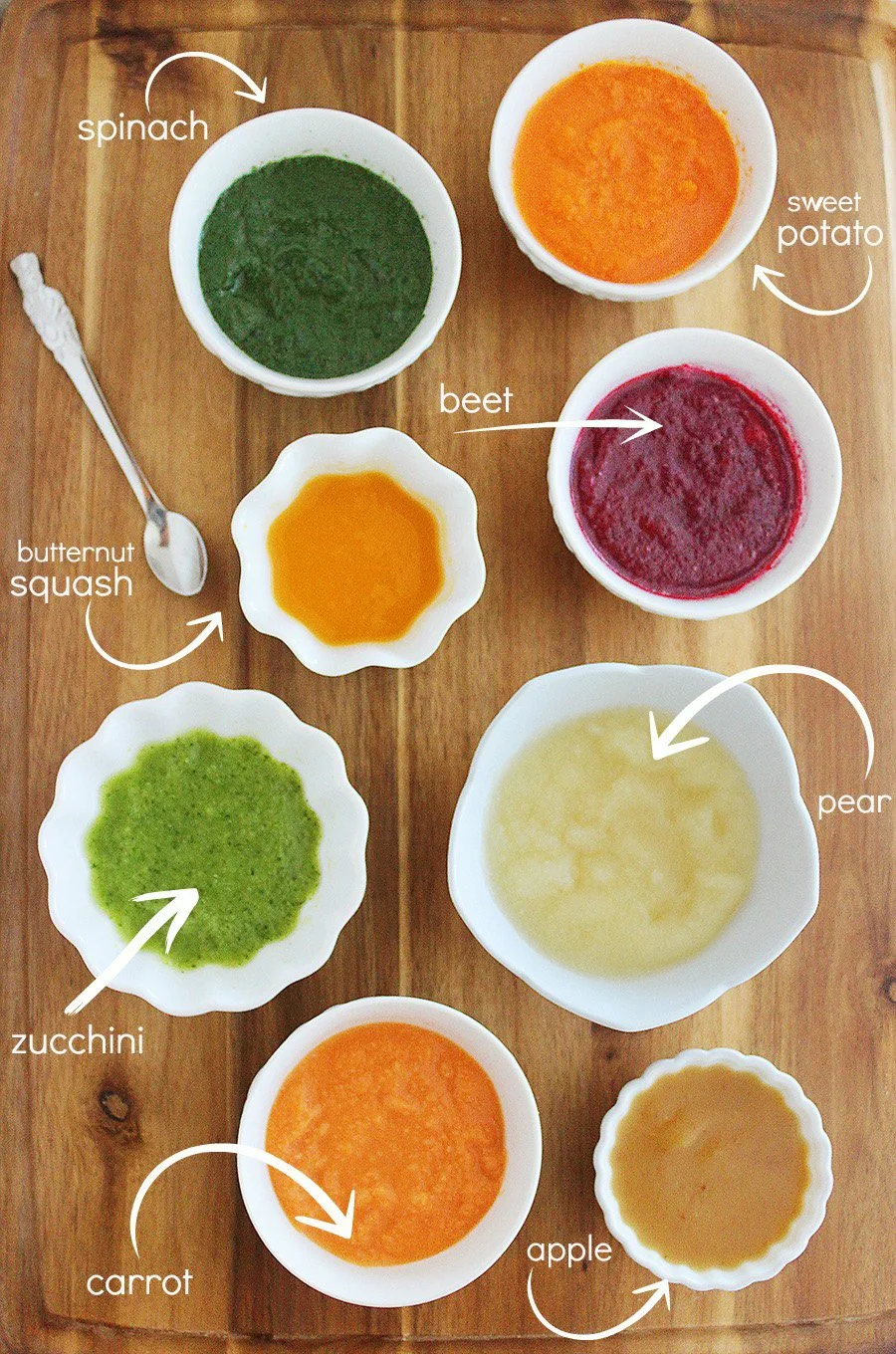
- Fruits: Bananas, avocados, apples, pears, and peaches are all fantastic choices.
- Vegetables: Sweet potatoes, carrots, and peas can often be blended raw if they’re tender enough.
- Grains: Oats can be ground and added to purees for extra nutrition.
- Protein: Yogurt and soft cheeses can be mixed in for a creamy texture and added protein.
You can mix pieces of fruits or veggies with each other to create exciting combos, keep your little one’s palate intrigued, and ensure they’re getting a variety of nutrients.
Easy No-Cook Puree Recipes
Avocado and Banana Mash
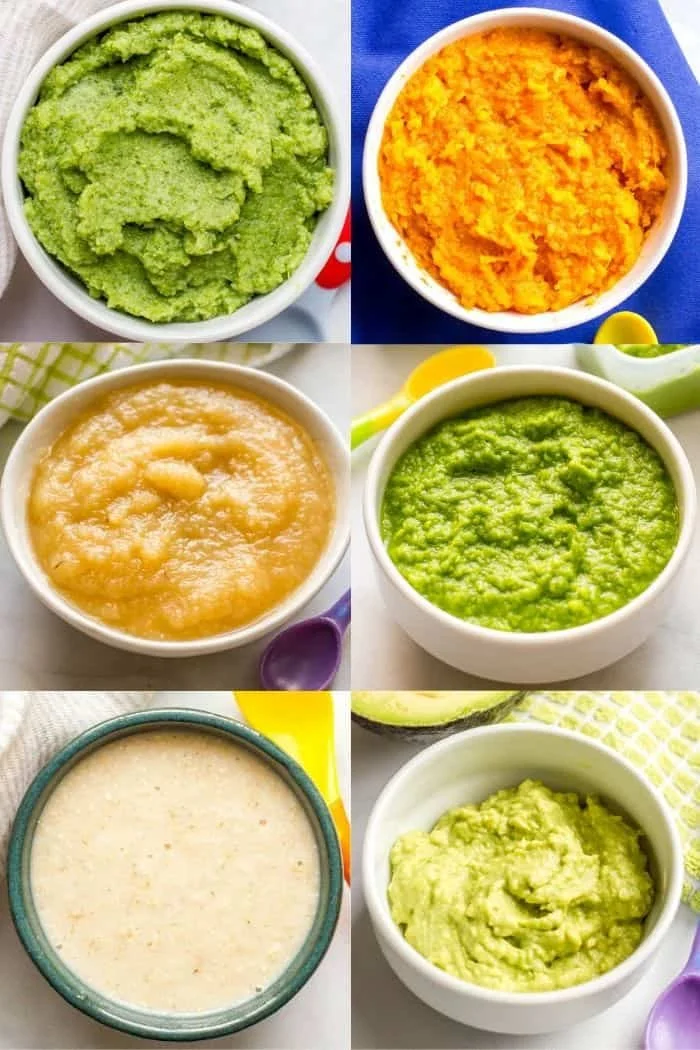
This is a classic favorite that’s easy to make. Simply mash one ripe avocado and one ripe banana together until they reach your desired consistency. Not only does this combination offer healthy fats and potassium, but it’s also perfect for baby’s developing taste buds.
Pear and Spinach Puree
Grab a ripe pear, peel it, and chop it into small pieces. Combine it with a handful of fresh spinach leaves. Using a blender or food processor, blend until smooth. This puree is rich in vitamins A and C—perfect for your little one’s immune system!
Pea and Mint Puree
Take a cup of fresh or thawed peas and blend them with a few mint leaves for a refreshing twist. The sweetness from the peas combines beautifully with the mint, giving your baby a taste of something a little different!
Tips for Storage and Usage
Once you’ve made your purees, you’ll want to store them properly. I recommend using ice cube trays to freeze portions for easy serving later on. Just pop out a cube when it’s mealtime and defrost it in the fridge or using a warmer. This method allows you to have home-cooked baby food ready to go, which can be a lifesaver on busy days.
The great thing is that as your baby grows, you can gradually introduce more textures. You can mix in cooked grains or even some shredded chicken from your previous meals. If you are looking for chicken recipes, consider exploring our easy chicken baby food recipes that can inspire your cooking.
Mistakes to Avoid When Making Baby Food
We’ve all been there, right? You whip up a batch of food only to have it rejected outright. Here are some common pitfalls to avoid:
- Too Much Variety Too Soon: It’s essential to introduce one new food at a time to monitor for allergies. Stick with single-ingredient purees initially.
- Over-Seasoning: Keep it simple. Babies certainly don’t need salt or sugar in their purees.
- Ignoring Texture: While you’re prepping no-cook purees, remember to adjust the consistency as your child grows. They’ll need to learn how to handle different textures.
Final Thoughts
Being a parent can feel overwhelming at times. But providing your baby with nutritious meals doesn’t have to be one of those stressors. By incorporating no-cook purees into your routine, you not only save time but also give your baby a foundation for healthy eating habits.
Remember that every little bit counts, and giving your child a variety of flavors will help them develop a more adventurous palate. So here’s to the delicious adventures ahead!
Conclusion
Creating homemade baby food can be so rewarding, especially when you see your baby enjoy what you’ve prepared. If you’re interested in exploring more ideas, check out these simple no-cook purees that can replace store-bought options. Additionally, you might like these homemade baby food recipes to diversify your baby’s diet. Happy cooking!