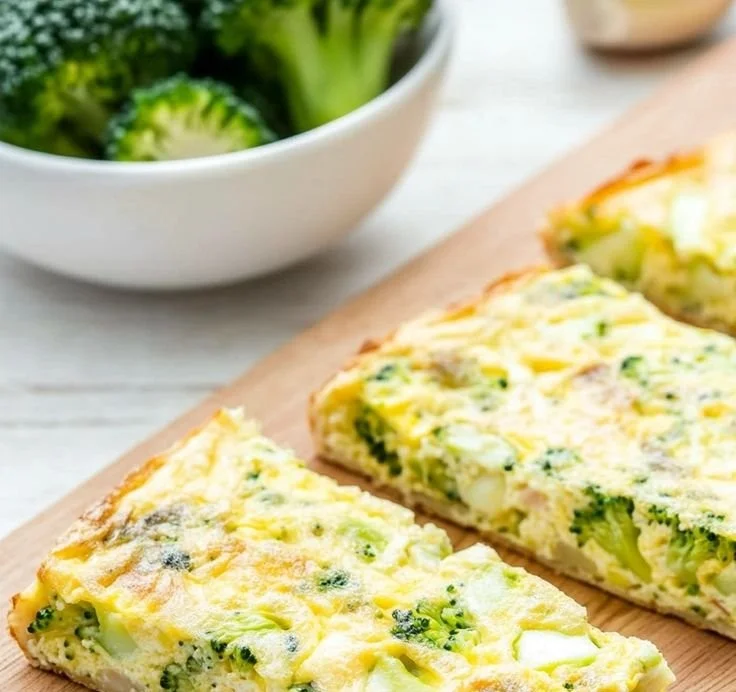
Delicious Frittata for Babies
A frittata is a wonderful way to introduce eggs, vegetables, and mild cheeses to your baby’s diet. Gentle on tiny palates and easy to pick up for self-feeding, a well-made frittata can become a staple in your baby’s menu rotation. For a creamy accompaniment on the side, consider a soft, mashed option like an avocado egg salad for babies to boost healthy fats and flavor.
Why frittatas are great for babies
- Nutrient-dense: Eggs provide high-quality protein, choline, and vitamin D, while added veggies contribute fiber, vitamins, and minerals.
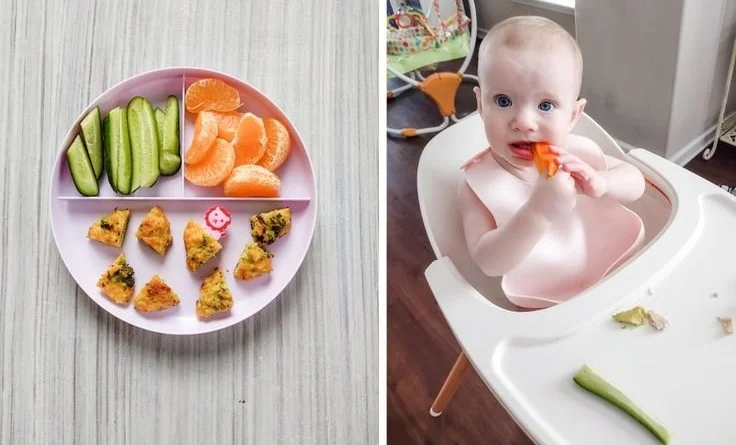
- Textural variety: Baked frittatas can be cut into fingers that are easy for little hands to grasp, making them excellent for baby-led weaning (BLW).
- Versatile: You can change vegetables, cheeses, and herbs based on what your baby tolerates and enjoys.
Baby-friendly frittata recipe (simple base)
Ingredients:
- 3 large eggs
- 1/4 cup milk or breastmilk/formula
- 1/4 cup finely grated mild cheese (cheddar or mozzarella)
- 1/2 cup cooked, finely chopped vegetables (e.g., spinach, sweet potato, zucchini)
- 1 tsp olive oil or a small knob of butter
- Pinch of mild seasoning (optional; avoid added salt for under 1 year)
Instructions:
- Preheat the oven to 350°F (175°C) and lightly grease a small baking dish or muffin tin.
- Whisk eggs and milk until combined, then stir in cheese and vegetables.
- Pour mixture into the prepared dish and bake 15–20 minutes for a small dish, or 12–15 minutes for muffin cups, until set and lightly golden.
- Cool completely before slicing into finger-sized portions suitable for your baby.
Tip: For younger babies or those still getting used to solids, cut into small cubes; for BLW, make thicker strips that are easy to hold.
Vegetable and flavor ideas
- Mild greens: finely chopped spinach or kale (lightly sautéed).
- Colorful veggies: sweet potato, carrot, peas, or red pepper (roasted and finely diced).
- Cheese: small amounts of mild cheddar, ricotta, or cottage cheese for creaminess.
- Herbs: tiny flecks of parsley or chives for gentle flavor—avoid strong spices for infants.
If you plan to pair the frittata with fruit, choose soft, appropriately prepared options and always supervise—learn more about serving fresh fruits safely, such as cherries for babies, which need pitting and careful preparation.
Safety and allergy notes
- Eggs are a common allergen. Introduce them at home when you can observe for reactions, and consult your pediatrician if there’s a family history of allergies.
- Avoid added salt and limit processed cheeses to reduce sodium.
- Ensure pieces are an appropriate size and texture to prevent choking; always supervise your baby while eating.
Make-ahead and storage
Frittatas freeze well. Cut into portions and store in an airtight container for up to 2 months. Reheat gently and check temperature before serving. Use refrigerated frittata within 2–3 days.
Serving suggestions
- Serve warm or at room temperature alongside soft cooked vegetables or mashed fruit.
- For older infants practicing self-feeding, serve longer finger strips. For spoon-fed babies, mash a portion with a little breastmilk, formula, or full-fat yogurt.
Conclusion
For a cheesy vegetable option that’s easy to mold into baby-friendly fingers, the Broccoli & Cheese Frittata Fingers recipe offers a straightforward template with familiar flavors. If you want a high-iron variation with bold color, try the Kale Frittata with Red Pepper (High Iron BLW Recipe) for ideas on incorporating iron-rich greens into a baby-safe frittata.

Click to get the full bundle — instant download