
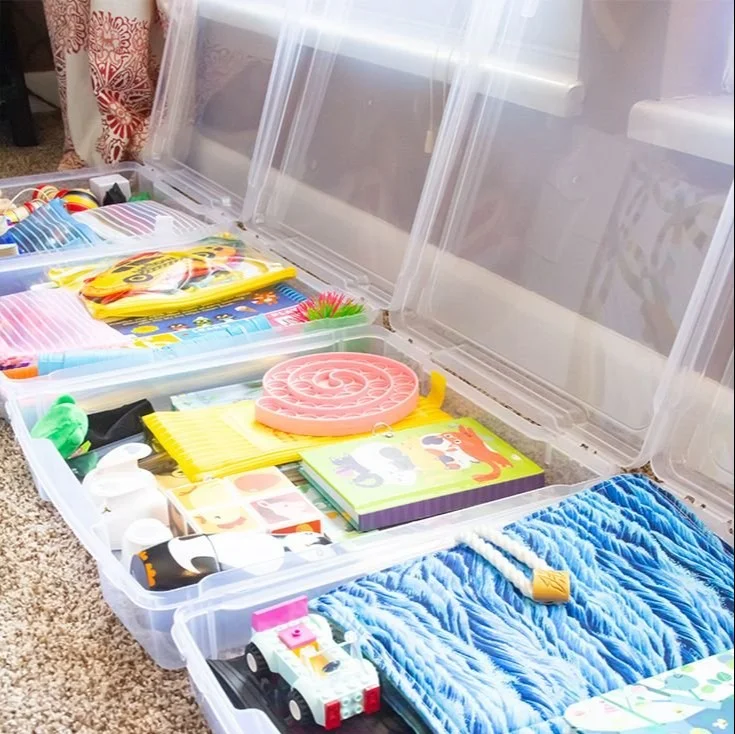
The Magic of Quiet Time Bins for 3 Year Olds
Imagine it’s a chilly afternoon, and you’re juggling laundry, meal prep, and an endless list of to-dos while your little one is bouncing off the walls. Sound familiar? We’ve all been there. You want your child to have fun and explore, but at the same time, you need a moment of peace. Enter the magic of quiet time bins—a simple but powerful solution that can transform your chaotic afternoons into serene moments of productivity and play.
So, what exactly are quiet time bins? These are containers filled with carefully curated activities and materials that engage your child’s curiosity and creativity while allowing them the independence to play on their own. They’re a lifesaver for busy parents, giving you that much-needed breather while keeping your child entertained.
Understanding Quiet Time Bins
So, you might be wondering, how do quiet time bins work? They serve as a tool for teaching your child how to play independently while they explore various activities at their own pace. When you present them with engaging materials, you foster creativity and problem-solving skills. Plus, there’s a sense of accomplishment that they feel when they complete tasks or create something on their own.
Quiet time bins can include various items such as puzzles, building blocks, sensory materials, art supplies, and more. The key is to tailor these bins to your child’s interests and developmental level. For instance, if your little one enjoys animals, consider including animal figurines and a small world setup.
Essential Components of a Quiet Time Bin
Now, let’s break down what makes a great quiet time bin. Here are a few essential components to consider:
Variety: Include different types of materials to keep things interesting. Think about incorporating sensory items like rice or beans, along with art supplies and books.
Themes: You can have themed bins based on holidays, seasons, or your child’s favorites. For example, a pirate-themed bin with treasure maps, toy ships, and puzzles can really ignite their imagination.
Accessibility: Ensure the bin is easy for your child to access. This not only empowers them to take charge of their playtime but also teaches responsibility when it comes to clean-up.
Duration: Keep activities within the bin appropriate for their attention span. For a 3-year-old, short bursts of creative play can often yield greater engagement.
Instructions (if needed): For some children, a brief visual guide can be helpful in understanding how to utilize the items in the bin effectively.
Tips for Creating Your Quiet Time Bins
As you dive into creating quiet time bins for your 3-year-old, here are some tips to maximize effectiveness:
Observe Their Interests: What does your child gravitate toward? Do they adore animals? Are they budding artists? Tailoring the bins to their interests makes a world of difference.
Rotate Contents: Don’t feel the need to keep the same materials in the bins indefinitely. Rotating the contents every couple of weeks can keep things fresh and exciting!
Incorporate Learning: Look for materials that can support early learning. For instance, letters, numbers, or shapes can be integrated into sensory play.
Make It Special: Present the quiet time bin as a treat! You could even create a special "quiet time corner" in your home where your child knows the magic happens.
Examples of Engaging Quiet Time Activities
You might be wondering what types of activities work well in quiet time bins. Here are a few popular options:
Sensory Play: Use items like kinetic sand, water beads, or even simple rice in the bin. Add scoops, containers, and small toys for them to discover and explore.
Art Supplies: Include crayons, colored pencils, and stickers. Perhaps throw in a coloring book, or even let your child create their masterpiece on blank paper.
Small Building Blocks: Items like LEGO Duplo or other large blocks can keep them busy for hours. You can also set challenges like building a house or a specific shape.
Puzzles: Simple puzzles with their favorite characters can provide a sense of achievement when completed and require focus.
Books: A few age-appropriate books can provide quiet engagement as your little one immerses themselves in a story.
Encouraging Independent Play
It’s important to remember that introducing quiet time bins doesn’t mean you have to walk away and ignore your toddler. Initially, you might want to sit nearby and engage with them as they explore the contents. This helps them understand how to use items and offers you a moment to bond too.
You could even discuss the activities together, reinforcing language development and cognitive skills. Over time, as they become more confident in playing independently, you can gradually allow them to take the lead.
As you start this journey, you may also consider integrating other activities into their routine, such as fun activities for toddlers that promote growth and learning.
Benefits of Quiet Time Bins
The benefits of using quiet time bins extend beyond mere entertainment. Here are some key advantages you can expect:
Skill Development: Your toddler will naturally be developing fine motor skills as they manipulate items in the bin.
Self-Soothing: Quiet time can help your child learn to calm themselves and engage with the world independently.
Creativity Boost: Having a variety of materials allows for endless imaginative play, enhancing their creative thinking.
Parental Peace: Most importantly, these bins provide you with a little breather amidst the chaos of parenting.
Common Mistakes to Avoid
As you dive into creating quiet time bins for your little one, it’s essential to be mindful of some common pitfalls:
Overloading the Bin: While variety is important, too many options can overwhelm a toddler. Stick to two or three activities per bin to keep it manageable.
Neglecting to Refresh: If your child seems bored, it might simply be time to refresh the contents. Keep their interests in mind, and don’t hesitate to switch things out.
Ignoring Safety: Always consider age-appropriate materials. If the bin includes small objects, ensure they are suitable for your child to avoid any choking hazards.
If you’re looking for more creative ideas, you might also enjoy exploring these creative egg carton activities that are fun and easy to set up.
Conclusion
Quiet time bins are a magical way to engage your child while giving you some much-needed breathing room. By providing various activities in a dedicated space, you’re fostering independence, creativity, and learning. It’s a win-win for both parents and kids! For additional fun ideas, consider checking out Pin & Pound Pumpkin Kid Activities or explore options at PINSTACK for more family activities that can turn any day into an adventure. Happy bin-making!