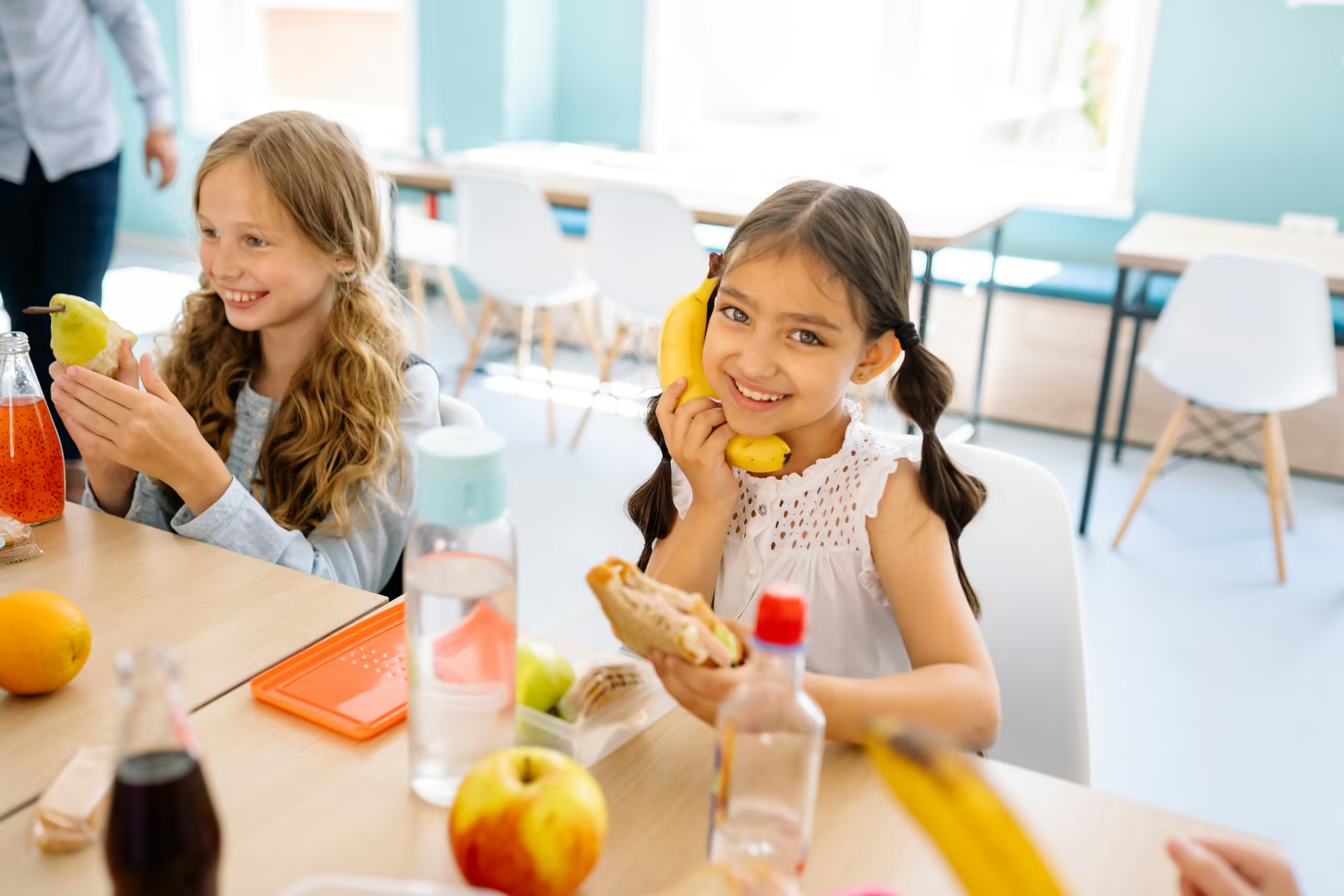
Remember those days when you’d rush home from school, eager to dig into your favorite after-school treat? Childhood snacks aren’t just food; they’re time machines that transport us back to simpler times. In this article, we’ll explore the world of childhood snacks, from the classics that have stood the test of time to the quirky treats that defined generations.
Key Takeaways: Childhood Snacks
- Childhood snacks play a crucial role in forming lasting memories
- Popular snacks vary by generation and culture
- Many classic snacks have stood the test of time
- Homemade snacks can be healthier alternatives to store-bought options
- Moderation is key when it comes to sugary or salty treats
Table of Contents
The Power of Nostalgic Nibbles
Childhood snacks hold a special place in our hearts. They’re more than just fuel for growing bodies; they’re comfort food that reminds us of carefree days and youthful adventures. Whether it’s the satisfying crunch of a favorite cereal or the sweet burst of flavor from a fruity candy, these treats have the power to evoke strong emotions and memories.
According to a study published in the journal Appetite, nostalgic foods can even impact our mood and behavior, often leading to increased feelings of social connectedness and overall well-being.
Classic Childhood Snacks That Never Go Out of Style
Some childhood snacks have become timeless classics, loved by generation after generation. Here are a few that have stood the test of time:
- Peanut Butter and Jelly Sandwiches: The perfect blend of sweet and savory, this simple sandwich remains a lunchbox staple.
- Chocolate Chip Cookies: Whether homemade or store-bought, these sweet treats are a universal favorite.
- Apple Slices with Peanut Butter: A healthier option that combines the crunch of fresh fruit with creamy protein.
- Cheese and Crackers: A versatile snack that can be dressed up or down, depending on the type of cheese and crackers used.
Generational Snack Attack: Popular Treats Through the Decades
Each generation has its own set of iconic snacks. Let’s take a trip down memory lane and explore some popular childhood snacks from different eras:
1960s and 1970s
- Pop Rocks
- Fruit Roll-Ups
- Otter Pops
1980s and 1990s
- Gushers
- Dunkaroos
- Lunchables
2000s and 2010s
- GoGurt
- Fruit by the Foot
- Takis
While some of these snacks have come and gone, others continue to be enjoyed by children today. The evolution of childhood snacks reflects changing tastes, nutritional awareness, and food technology advancements.

Homemade vs. Store-Bought: The Great Snack Debate
When it comes to childhood snacks, there’s often a divide between homemade treats and packaged convenience foods. Both have their place in the world of kid-friendly munchies:
Homemade Snacks
- Often healthier
- Can be customized
- Create bonding opportunities
- More cost-effective
Store-Bought Snacks
- Convenient
- Longer shelf life
- Consistent taste
- Often more appealing to kids
While store-bought snacks offer convenience, homemade alternatives allow parents to control ingredients and portion sizes. The Centers for Disease Control and Prevention (CDC) recommends limiting added sugars and saturated fats in children’s diets, making homemade snacks an attractive option for health-conscious parents.
Childhood Snacks Around the World
Childhood snacks vary greatly across cultures, offering a delicious glimpse into global food traditions. Here are some popular snacks enjoyed by children in different parts of the world:
- Japan: Onigiri (rice balls)
- India: Chikki (peanut brittle)
- Mexico: Elote (grilled corn on the cob)
- Australia: Fairy Bread (buttered bread with sprinkles)
- Netherlands: Stroopwafel (syrup waffle)
These diverse snacks showcase how childhood treats can be influenced by local ingredients, cultural preferences, and traditional cooking methods.
The Role of Marketing in Childhood Snacks
Marketing plays a significant role in shaping children’s snack preferences. Colorful packaging, cartoon mascots, and catchy jingles are all designed to appeal to young consumers. However, this has led to concerns about the promotion of unhealthy foods to children.
“Food marketing to children is a major public health concern. It promotes overconsumption of unhealthy foods and contributes to poor diet quality and health outcomes among youth.” – American Psychological Association
Parents can help their children navigate the world of marketed snacks by teaching them to read nutrition labels and make informed choices. Encouraging a balance between treats and healthier options can help foster a positive relationship with food.
Healthy Alternatives to Classic Childhood Snacks
For parents looking to provide nutritious options that still satisfy kids’ cravings, here are some healthier alternatives to popular childhood snacks:
| Classic Snack | Healthier Alternative |
|---|---|
| Potato Chips | Baked veggie chips or air-popped popcorn |
| Candy | Fresh or dried fruit |
| Sugary Cereals | Homemade trail mix with whole grain cereal |
| Soda | Flavored sparkling water or homemade fruit-infused water |
By offering these alternatives, parents can help their children develop healthier eating habits while still enjoying tasty snacks.
The Future of Childhood Snacks
As we look to the future, the world of childhood snacks continues to evolve. Here are some trends shaping the next generation of kid-friendly treats:
- Plant-based options: More snacks are being made with plant-based ingredients to cater to various dietary needs and preferences.
- Reduced sugar formulations: Manufacturers are finding ways to create tasty snacks with less added sugar.
- Functional ingredients: Snacks fortified with vitamins, minerals, and other beneficial compounds are gaining popularity.
- Eco-friendly packaging: There’s a growing focus on sustainable packaging to appeal to environmentally conscious families.
These trends reflect a growing awareness of health and environmental issues, even in the world of childhood snacks.
Conclusion: The Lasting Impact of Childhood Snacks
Childhood snacks are more than just food; they’re a part of our personal history. They connect us to our past, bring comfort in the present, and shape our food preferences for the future. Whether you’re revisiting an old favorite or introducing your children to new treats, childhood snacks will always hold a special place in our hearts and taste buds.
As parents, we have the opportunity to create positive snack-time memories for our children while also teaching them about balance and healthy eating habits. So the next time you reach for a childhood snack, take a moment to savor not just the flavor, but the memories it brings.
Frequently Asked Questions (FAQ)
1. Are childhood snacks from the past healthier than today’s options?
Not necessarily. While some older snacks may have used simpler ingredients, many were still high in sugar and unhealthy fats. Today’s snacks often come in healthier varieties, but it’s important to read labels and choose wisely.
2. How can I make healthier versions of popular childhood snacks at home?
Try using whole grain ingredients, reducing sugar content, and incorporating fruits and vegetables. For example, make oatmeal cookies with less sugar and add dried fruit, or create homemade fruit leather using pureed fresh fruits.
3. What are some easy, healthy snacks for kids?
Some options include cut vegetables with hummus, yogurt with fresh fruit, whole grain crackers with cheese, or a small handful of nuts (for children without allergies).
4. How often should children have treats or less healthy snacks?
It’s all about balance. Treats can be part of a healthy diet when consumed in moderation. Consider following the 80/20 rule: 80% nutritious foods and 20% treats.
5. Can childhood snack preferences affect adult eating habits?
Yes, early food experiences can influence lifelong preferences. However, tastes can change over time, and adults can develop new preferences with repeated exposure to different foods.