Freezer-Friendly Breakfast Ideas for Babies and Toddlers
Busy mornings with little ones can feel chaotic, but a small bit of planning and a well-stocked freezer turns breakfast into a stress-free routine. Below are practical, safe, and baby-friendly breakfast ideas that freeze and reheat well, plus tips on batch-making, storage, and serving sizes so you can feed tiny bellies quickly and confidently.
If you’d like more age-targeted inspiration, see this roundup of breakfast ideas for 1-year-olds for additional portion ideas and textures.
Why freeze breakfast?
- Saves time: cook once, eat all week.
- Reduces waste: freeze leftovers in toddler-sized portions.
- Encourages variety: rotate different frozen options so meals don’t get boring.
- Supports independence: many frozen items are easy for toddlers to self-feed after reheating.
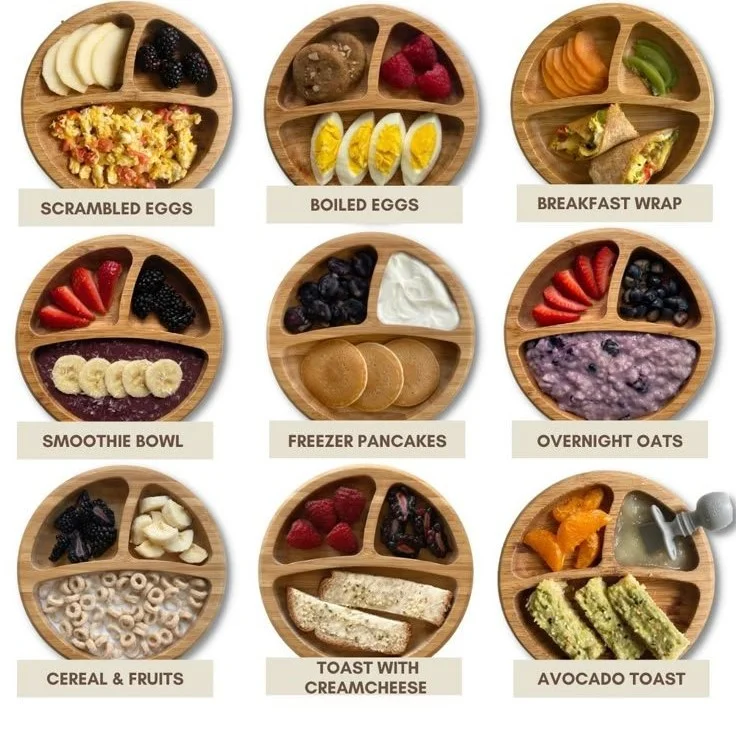
Freezer-friendly breakfast ideas
- Banana oat muffins
- Ingredients: mashed banana, oats or oat flour, an egg, a little baking powder, and cinnamon.
- Freeze: cool completely, then freeze individually on a tray before transferring to a labeled bag.
- Reheat: microwave for 20–30 seconds or warm in a toaster oven.
- Savory egg muffins
- Ingredients: whisked eggs, finely chopped soft vegetables (spinach, red pepper), mild cheese.
- Freeze: bake in muffin tins, cool, then freeze flat in a single layer before bagging.
- Reheat: steam briefly or microwave until warm; check consistency before giving to baby.
- Pancake/pancake discs
- Make batter with mashed fruit and oats or whole-grain flour.
- Freeze: stack cooled pancakes with parchment between layers and store in a freezer bag.
- Reheat: toaster or microwave; break into smaller pieces for babies working on finger feeding.
- Oat and fruit bars
- Combine oats, softened fruit, and a binder (egg or mashed banana). Press into a pan and bake.
- Freeze: cut into individual bars and freeze between parchment.
- Reheat: briefly in the oven or microwave; cut into toddler-friendly sticks.
- Smoothie packets
- Pre-portion fruit, spinach, and oats into freezer bags. Add yogurt or milk when blending.
- Freeze: keep packets flat for easy storage.
- Prepare: blend frozen packet contents with liquid for a nutrient-packed smoothie.
- Mini french toast bites
- Use day-old bread, dip in egg-milk mixture, and bake until set.
- Freeze: cool then freeze in single layers with parchment.
- Reheat: warm in the oven or toaster oven to keep edges slightly crisp.
- Breakfast bowls (meat/veg/grain combos)
- Cook grains (quinoa, rice), soft veg, and mild protein (tofu, shredded chicken) and portion into small containers.
- Freeze: cool fully, portion, then freeze.
- Reheat: microwave thoroughly and check temperature before serving.
Portioning and safety tips
- Age-appropriate sizes: for babies just starting solids, mash or cut into tiny, manageable pieces. For older toddlers, serve larger finger foods.
- Labeling: always date and label containers with contents and portion size.
- Storage time: generally, most items keep well for 1–3 months. For best flavor, consume within 1 month.
- Avoid choking hazards: remove skins, seeds, and whole nuts; cut grapes and cherry tomatoes into quarters or smaller.
- Watch for added sugar and salt: keep recipes low in salt and added sugars; use fruit and spices for sweetness.
- Reheat safely: reheat thoroughly and test temperature before serving. Never refreeze once thawed.
Batch-cooking workflow
- Plan two to three breakfast types per week.
- Shop and prep ingredients on one day (chop, mash, mix).
- Cook in bulk using sheet pans and muffin tins.
- Cool completely on racks (important to prevent extra condensation).
- Freeze flat on trays, then transfer to labeled, date-stamped bags.
- Rotate: use older items first; keep a simple checklist on the freezer door.
Texture progression and feeding cues
- Start with soft, mashed, or pureed textures for younger babies, then increase chunkiness as chewing skills develop.
- Let toddlers explore finger foods to build autonomy; frozen options that reheat into firm-but-soft textures are ideal.
- Follow baby-led cues—if they gag (a reflex), it’s often a learning response; if choking is suspected, follow first-aid steps and consult guidance.
Simple reheating and serving ideas
- Microwave for short bursts, stirring between intervals to prevent hot spots.
- Use toaster oven for crisping pancakes and french toast.
- Warm on the stovetop in a little milk or water for cereal-like dishes.
- Combine a frozen savory muffin with a small scoop of yogurt for a balanced plate.
For a creamy, protein-rich option that freezes and thaws well, try an avocado-based egg spread at home which can be portioned and frozen for quick breakfasts or snack times—see a detailed version here: avocado egg salad recipe for babies.
Troubleshooting common issues
- Soggy reheated items: crisp briefly in a toaster oven or use a nonstick skillet.
- Strong freezer flavors: package tightly and remove as much air as possible.
- Dry or crumbly batches: add a splash of milk or mashed fruit to the batter next time.
Conclusion
If you want printable recipes and step-by-step freezer tips inspired by a popular roundup, check the original collection of Breakfast Ideas For Toddlers And Babies (Freezer Friendly) for more ideas. For a specific pancake recipe that’s toddler-approved and freezer-friendly, see the Blueberry Oat Pancakes with Greek Yogurt recipe for a tasty batch-cooking option.