
Best Kids Games for Under 4 on Steam – Top Picks 2024
Exploring toddler games on Steam can make learning fun for young kids. Parents can find games that teach important skills while entertaining. These games are perfect for preschoolers.
Steam has a special section for early childhood games. These games are safe and easy for little ones to use. They help kids learn and play without getting lost in too much technology.
Choosing the right Steam games is important. Look for games that are right for your child’s age and help them learn. The best games are both fun and educational, making sure your child’s screen time is good for their brain.
Key Takeaways
- Steam provides diverse educational game options for young children
- Interactive games can support cognitive and motor skill development
- Parental guidance is crucial in selecting age-appropriate content
- Early childhood gaming can enhance problem-solving skills
- Look for games that offer engaging, multi-sensory experiences
Table of Contents
Understanding Steam Gaming for Toddlers
Digital literacy for toddlers is changing how young kids use technology. Early gaming education is a fun way to help kids learn and grow. Steam has games made just for young minds.
When introducing digital games to toddlers, we must be careful. The right games can teach a lot while keeping kids safe.
Benefits of Early Gaming Education
Early gaming can really help kids develop:
- Improves hand-eye coordination
- Develops problem-solving skills
- Teaches basic digital skills
- Encourages creativity
“Gaming can be an incredible educational tool when designed thoughtfully for young learners.” – Early Childhood Education Expert
Safety Considerations for Young Players
Parents need to focus on digital safety with gaming. Steam has strong parental controls to keep toddlers safe while gaming.
Age-Appropriate Content Guidelines
Choosing the right games is key for good digital learning. Look for games that:
- Have simple, easy-to-use interfaces
- Teach something new
- Don’t have too many complicated parts
- Have bright, fun graphics
Games like Dorfromantik and 100 Hidden Frogs are great for kids aged 2-4.
Why Choose Steam Games for Preschoolers
Finding the right educational gaming platform for your preschooler can change their early learning journey. Steam offers a unique digital playtime experience that goes beyond traditional learning methods.
Interactive learning through Steam provides several key advantages for young minds:
- Engaging visual learning experiences
- Age-appropriate content designed for preschoolers
- Safe and controlled digital environment
- Diverse educational game selections
“Early exposure to educational games can spark curiosity and love for learning” – Early Childhood Education Experts
The platform’s user-friendly interface makes navigation simple for both parents and children. With robust parental controls, you can ensure a secure gaming experience while supporting your child’s cognitive development.
| Game Type | Learning Benefit | Recommended Age |
|---|---|---|
| Puzzle Games | Problem-solving skills | 3-4 years |
| Color/Shape Learning | Cognitive recognition | 2-3 years |
| Simple Adventure Games | Storytelling comprehension | 3-4 years |
According to research, children exposed to educational gaming platforms can develop enhanced cognitive skills and problem-solving abilities from an early age. Steam provides a structured yet fun approach to digital playtime that supports early childhood learning.
By choosing Steam’s educational games, you’re investing in your child’s developmental journey through engaging, interactive digital experiences.
Educational Value in Early Gaming Experience
Introducing digital games to young children can be a powerful tool for cognitive development. Brain development games on Steam offer an engaging platform to nurture critical skills during crucial early learning years.
Young children learn best through interactive and playful experiences. Steam provides a variety of educational games that support multiple developmental areas, making learning both fun and effective.
Cognitive Development Through Gaming
Gaming experiences can significantly enhance cognitive skills for toddlers. Logical thinking for toddlers develops through carefully designed game mechanics that challenge young minds to:
- Recognize patterns
- Understand spatial relationships
- Practice decision-making
- Enhance memory retention
Motor Skills Enhancement
Fine motor skills are crucial for early childhood development. Steam games provide interactive experiences that help children improve hand-eye coordination through:
- Touchscreen interactions
- Mouse control activities
- Precision-based gameplay
- Drag-and-drop challenges
Problem-Solving Capabilities
Puzzle-based games designed for young players can foster critical problem-solving skills. These games introduce logical challenges that encourage children to think creatively and develop strategic thinking.
“Play is often talked about as if it were a relief from serious learning. But for children, play is serious learning.” – Mr. Rogers
| Skill Development | Game Type | Age Range |
|---|---|---|
| Cognitive Skills | Puzzle Games | 2-4 years |
| Motor Skills | Interactive Challenges | 3-5 years |
| Logical Thinking | Strategy Games | 4-6 years |
By selecting age-appropriate games, parents can transform screen time into a valuable learning experience that supports their child’s developmental journey.
Best Kids Games for Under 4 on Steam
Looking for the right games on Steam for your toddler can turn their playtime into a learning journey. The best Steam games for toddlers are fun and help with early learning skills.
When picking educational Steam games for little ones, think about games that are both fun and teach something. Here are some important things to look for:
- Age-appropriate content
- Simple game mechanics
- Interactive learning experiences
- Colorful and engaging visuals
Some top games for kids under 4 are:
| Game Title | Price | Educational Focus |
|---|---|---|
| Toca Life World | $9.99 | Social Skills |
| Paw Patrol Games | $14.99 | Problem Solving |
| Animal Crossing | Free | Creative Exploration |
“Early gaming experiences can spark curiosity and learning in remarkable ways”
When choosing Steam games for toddlers, look for games with:
- Intuitive controls
- No complex reading requirements
- Positive reinforcement
- Minimal stress or challenging elements
Remember, it’s important for parents to guide their children in a safe and educational gaming space.
Adventure Games for Toddlers
Exploring story-based games for kids on Steam opens a magical world for your toddler. These games turn screen time into a fun learning journey. They spark imagination and curiosity.
Interactive Storytelling Options
Visual learning games offer an immersive experience for young minds. Toddlers can go on digital adventures that mix fun with learning. These games often have:
- Simple, colorful stories
- Character-driven tales
- Little text with audio
- Easy-to-follow plots
Simple Navigation Features
These games have interfaces made for toddlers. They have big, bright buttons and controls that are easy to use. This lets even the youngest players explore on their own.
“Learning through play is the most natural way for children to discover the world around them.” – Early Childhood Education Expert
Visual Learning Elements
The best adventure games for toddlers make learning exciting. Interactive graphics help kids develop:
- Spatial awareness
- Color recognition
- Basic problem-solving skills
- Hand-eye coordination
Pro tip: Always watch over your child’s gaming and pick titles that fit their age and development.
Puzzle Games That Enhance Critical Thinking
Explore brain teasers for kids that make learning fun! Steam has a great selection of logic games for preschoolers. These games spark curiosity and help develop critical thinking skills. They’re not just games; they’re tools for growing your mind.
“Games are the most elevated form of investigation.” – Albert Einstein
Preschoolers can solve puzzles that challenge their growing minds. They’ll find fun ways to:
- Develop spatial reasoning skills
- Practice pattern recognition
- Enhance logical thinking
- Boost memory capabilities
Research shows educational games are good for kids’ brains. Puzzle games help them:
- Improve decision-making skills
- Stimulate imaginative thinking
- Develop strategic problem-solving abilities
Choose puzzle games that get harder as you play. The best logic games for preschoolers are fun and challenging. Steam has many titles that make learning exciting. They keep brain teasers for kids both fun and educational.
Creative and Artistic Games for Young Minds
It’s important to help young children grow creatively. Steam has many art games for toddlers that make learning fun. These games let kids explore art and music in new ways.
Drawing and Coloring Activities
Digital art platforms for toddlers make it easy to play creatively on Steam. Kids can enjoy:
- Simple drawing tools with large, easy-to-use interfaces
- Colorful digital coloring books
- Interactive art creation spaces
- Guided drawing tutorials for kids
Music and Sound Exploration
Musical games for kids on Steam introduce a world of sound. These games help kids:
- Experiment with different musical instruments
- Learn basic rhythm and sound patterns
- Create their own musical compositions
- Develop early musical appreciation
Creative Building Games
Digital building games are great for kids’ spatial reasoning and imagination. Toddlers can:
- Stack virtual blocks and shapes
- Create simple architectural designs
- Explore geometric concepts through play
- Develop problem-solving skills
Early exposure to creative digital platforms can significantly enhance a child’s cognitive development and artistic potential.
| Game Type | Developmental Benefits | Recommended Age |
|---|---|---|
| Digital Coloring | Color Recognition, Fine Motor Skills | 2-4 years |
| Musical Exploration | Auditory Learning, Rhythm Comprehension | 3-5 years |
| Building Games | Spatial Reasoning, Problem Solving | 3-4 years |
Animal-Themed Games for Preschoolers
Explore the magical world of animal games for toddlers. These games turn learning into an exciting adventure. Steam offers a wide range of wildlife learning for kids that capture young minds. They teach valuable insights about the animal kingdom.
Young children can dive into pet care games that teach empathy and understanding of different animals. These games offer more than fun. They create educational chances that engage preschoolers in meaningful ways.
- Virtual animal interactions that teach basic wildlife recognition
- Interactive sound and movement experiences
- Simple virtual pet care mechanics
- Realistic and cartoon-style animal graphics
“Learning about animals should be fun and immersive for young children” – Child Development Experts
The best animal games for toddlers include several key learning elements:
| Game Feature | Educational Value |
|---|---|
| Animal Sound Recognition | Auditory Learning |
| Interactive Feeding | Nurturing Skills |
| Movement Simulation | Physical Understanding |
Parents can trust these wildlife learning for kids games. They offer safe, engaging content. This content sparks curiosity about the natural world and develops crucial cognitive skills.
Parent-Child Co-op Gaming Options
Steam has changed how families enjoy digital fun together. Playing games together helps build strong bonds, improves communication, and makes memories that last.
Co-op games for kids offer exciting ways to share experiences. They go beyond just playing games. Studies show that playing games with your kids can really help with talking and solving problems.
Shared Gaming Experiences
Interactive games create special moments of connection. Families can explore virtual worlds together. They face challenges and celebrate wins as a team. Some great games for this include:
- Minecraft Dungeons: Promotes teamwork and communication
- Trine 4: Encourages creative problem-solving
- Children of Morta: Offers narrative-driven family experiences
Family-Friendly Controls
Steam has many games that are easy for kids to play. These games have controls that are simple and fun for younger players. They often have:
- Adjustable difficulty levels
- Simple, kid-friendly interfaces
- Cooperative gameplay mechanics
Multiplayer Features
Steam has many multiplayer games that are great for family fun. Prices are usually between $15 and $40. Sales often make these games even more affordable.
“Gaming together isn’t just about playing a game – it’s about building connections that last a lifetime.” – Family Gaming Experts
| Game | Age Range | Key Benefits |
|---|---|---|
| Minecraft Dungeons | 6-12 | Teamwork, Communication |
| Trine 4 | 8-14 | Problem-Solving, Creativity |
| Children of Morta | 10-16 | Narrative Understanding, Family Dynamics |
Pro tip: Choose games with cooperative modes. This lets parents help or play with their kids, making gaming fun and supportive.
Safe Gaming Settings and Parental Controls
Steam has great child safety settings for a safe gaming space for kids. With over 132 million active users every month, Steam knows how important it is to have fun, family-friendly games.
Parents can use Steam’s strong parental control tools to keep their kids safe online. These tools help control game access, watch content, and make a safe place for kids to play online.
- Family View restricts access to inappropriate content
- Purchase controls prevent unauthorized spending
- Age-specific game filtering
- Limited chat and community interactions
The Family Library Sharing feature lets parents share games with up to five accounts. But not all games can be shared because of certain rules.
“Protecting children in digital spaces requires active parental engagement and smart technology tools.” – Gaming Safety Expert
| Steam Parental Control Feature | Protection Level |
|---|---|
| Family View | High |
| Purchase Restrictions | Complete |
| Content Filtering | Customizable |
Steam Guard adds extra security by needing a one-time passcode for login. This keeps your child’s gaming account safe from unwanted access.
Alternatives to Steam Games for Toddlers
Steam has great games, but there are many other places for kids’ games. Now, educational apps for preschoolers are on many devices. They offer fun and safe ways for young ones to learn.
There are many non-Steam games for kids. This means parents have lots of choices for fun games. Some top picks include:
- ABCmouse – a full learning platform
- PBS Kids Games – fun learning with favorite characters
- Nick Jr. Games – games that are just right for their age
- Mobile apps on iOS and Android
When picking games for toddlers, think about a few things:
- Is it right for their age?
- Does it teach something new?
- Is it easy to use?
- Can parents control what they play?
“The best games for toddlers blend entertainment with educational value” – Early Childhood Learning Experts
Mobile games have special benefits for toddlers. They offer:
- Touchscreen fun
- Games that are short and sweet
- Controls that are easy to use
- A wide range of learning games
Parents should play games with their kids. Use sites like Common Sense Media to check if games are good for them. This helps make sure kids have safe and fun online times.
Conclusion
Steam games for kids under 4 are a smart way to start learning early. Parents can make screen time educational by choosing the right games. These games should help kids solve problems and think creatively.
It’s important to have balanced screen time for kids. Educational games on Steam help kids learn and grow. They make learning fun and interactive, helping kids develop important skills.
Studies show that digital play can improve critical thinking if parents watch closely. Parents should pick games that match their child’s age and learning goals. This way, kids get the best of both digital and traditional learning.
Technology is becoming a big part of early learning. Steam games mix fun with learning, helping kids grow. By using these games wisely, kids can do well in a world full of technology.
FAQ
Are Steam games safe for children under 4?
Steam has strong parental controls to keep gaming safe. You can set filters, time limits, and block purchases. This way, kids can only play games meant for their age.
What types of educational games are available for toddlers on Steam?
Steam has many educational games for toddlers. These include puzzle games that teach colors and numbers. There are also games to recognize animals and creative drawing apps. Plus, interactive stories that help with thinking and problem-solving.
How can gaming benefit my child’s development?
Early gaming can boost thinking skills and problem-solving. It also helps with digital skills. Games can improve hand-eye coordination and teach basic concepts in fun ways.
How much screen time is appropriate for children under 4?
Experts say kids under 4 should have less screen time. Steam’s educational games are good, but balance is key. Parents should watch and play with their kids.
Are there alternatives to Steam for toddler games?
Yes, there are other great options for toddlers. ABCmouse, PBS Kids Games, and Nick Jr. Mobile apps are all good. They offer educational games that are easy to use.
Can I play games with my toddler on Steam?
Steam has games that let you play with your toddler. These games have simple controls and adjustable difficulty. They’re made for playing together and learning.
What are some popular game titles for children under 4 on Steam?
Toca Life World and Paw Patrol are favorites for young kids. There are also puzzle and animal games. They’re colorful, easy to use, and teach important lessons.
How do I ensure my child only accesses appropriate content on Steam?
Use Steam’s parental controls to make a child profile. Set filters, block purchases, and watch time limits. Always check games first and play with your child.
External Resources for Further Reading

Key Benefits of Apples for Toddlers | Healthy Development
Apples are a superfood that can make a big difference in your toddler’s diet. They are crunchy, sweet, and full of nutrients. With almost 8,000 types around the world, apples are a fun way to help your child stay healthy.
One apple gives your child important vitamins and minerals. The US National Health and Nutrition Examination Survey says apples are great for kids. They are full of nutrients that help your child grow strong. Learning about the benefits of apples for toddlers can show how these delicious fruits contribute to your child’s overall health and well-being.
Key Takeaways
- Apples are a low-calorie, nutrient-dense food for toddlers
- One medium apple contains approximately 100 calories
- Provides 14% daily value of vitamin C
- Contains 4 grams of dietary fiber per serving
- Supports digestive and immune system health
- Offers natural antioxidants for cellular protection
Table of Contents
Understanding the Nutritional Profile of Apples
Discovering the nutritional power of apples can change how you see this simple fruit. Apples are full of important nutrients that help your child grow and develop.
Apple nutrition is more than just a snack. A medium apple has lots of vitamins and minerals that are key for your toddler’s health.
Essential Vitamins and Minerals
Apples are full of nutrients that are good for your health. They have:
- Vitamin C for immune system support
- Potassium for heart health
- Antioxidants that protect cells
Natural Sugars and Fiber Content
The fiber in apples makes them very nutritious. One medium apple has about 3 grams of fiber. This helps with digestion and keeps blood sugar steady.
“An apple a day keeps the doctor away” – This old saying is true because of the fruit’s great nutrition.
Caloric Value for Growing Children
Are you worried about calories? A medium apple has only 95 calories. It’s a great snack for growing kids because it gives quick energy without making them gain weight.
| Nutrient | Amount per Medium Apple |
|---|---|
| Calories | 95 |
| Carbohydrates | 25g |
| Dietary Fiber | 3g |
| Vitamin C | 14% Daily Value |
Pro tip: Choose organic apples when possible to minimize pesticide exposure while maximizing nutritional benefits.
Benefits of Apples for Toddlers

Apples are full of nutrients that help toddlers grow strong. They are a tasty way to keep your child healthy and happy.
Apples do more than just satisfy hunger. They are packed with benefits for kids. Here’s why apples are great for your child’s diet:
- Energy Boost: Natural sugars give quick and lasting energy
- Heart Health: Helps lower bad cholesterol
- Digestive Support: Pectin fiber keeps the gut healthy
- Immune System Enhancement: Rich in antioxidants
Apples are a top choice for kids’ health. One apple has only 95 calories and lots of important nutrients. They have fiber, vitamins, and minerals that help your child grow.
“An apple a day keeps the doctor away” isn’t just an old saying – it’s nutritional wisdom for growing children!
Apples have antioxidants like quercetin in their skin. These protect the body and brain. They might even help your child’s brain grow stronger.
Adding apples to your child’s meals is a smart move. They are full of good stuff and help kids eat well.
Supporting Digestive Health in Young Children
Digestive health is key for your toddler’s well-being. Apples are a natural way to help with gut health and digestion in young ones.
Fiber: The Digestive Health Champion
Apples are full of fiber, with 4-5 grams in a medium apple. They are great for keeping your toddler’s digestive system healthy. The fiber in apples helps in two ways:
- Insoluble fiber moves food through the intestines
- Soluble fiber helps with regular, smooth bowel movements
Pectin’s Powerful Gut Health Benefits
Pectin, a special fiber in apples, supports digestion naturally. Studies in Nutrients show that apples’ prebiotic fibers help good gut bacteria grow.
“Apples can be a delicious way to support your child’s digestive wellness” – Pediatric Nutrition Expert
Managing Digestive Comfort
Adding apples to your toddler’s diet can ease digestive issues. Their high water content and fiber help:
- Prevent constipation
- Keep intestines moving smoothly
- Keep the gut microbiome healthy
| Apple Fiber Benefits | Digestive Health Impact |
|---|---|
| Soluble Fiber (Pectin) | Regulates blood sugar, supports gut bacteria |
| Insoluble Fiber | Adds bulk, promotes regular bowel movements |
| Water Content | Helps prevent dehydration, supports digestion |
Experts say we need 25-35 grams of fiber a day for good digestion. Apples are a tasty, easy way for kids to get this fiber.
Immune System Enhancement Through Apple Consumption
Apples are a great way to help your toddler’s immune system grow strong. They are full of important nutrients. These nutrients give your child a natural boost to fight off sickness.
Apples have a lot of vitamin C, which is key for fighting off infections. Eating one apple gives your child about 14% of the vitamin C they need every day. This helps keep their body healthy and strong.
“Let food be thy medicine,” and apples certainly embody this ancient wisdom for young immune systems.
Apples have many things that help the immune system:
- Powerful antioxidants in apples that combat free radicals
- Soluble fiber supporting beneficial gut bacteria
- Natural compounds that reduce inflammation
Studies show apples are good for the immune system. Eating apples regularly can lower the risk of chronic diseases. It also helps keep the immune system working well.
| Immune-Boosting Nutrients | Benefit to Immune System |
|---|---|
| Vitamin C | Strengthens immune response |
| Flavonoids | Reduces inflammatory responses |
| Antioxidants | Protects against cellular damage |
Interesting fact: Eating two apples a day can lower cancer risk. This shows how amazing apples are for health.
Adding apples to your toddler’s diet is a tasty way to support their immune system. Apples are full of vitamin C, antioxidants, and other nutrients. This makes them a superfood for young kids.
Brain Development and Cognitive Benefits
Apples are more than just a tasty snack for toddlers. They are key in supporting brain growth and cognitive health. The nutrients in apples help your child’s mind grow in amazing ways.
Antioxidants for Neural Protection
The brain is very sensitive to damage. Apples protect it well. Quercetin, found in apple peels, guards brain cells from harm. Studies show these antioxidants can:
- Reduce inflammation in neural tissues
- Protect against cell damage
- Support overall cognitive health
Impact on Memory and Learning
Cognitive growth is vital in early childhood. Apples have special compounds that boost memory and learning. Eating one apple a day can help grow brain cells and improve thinking skills.
Nutrition is key in brain development, with 90% of brain growth happening by age 5.
Supporting Focus and Attention
Apples’ nutrients help improve concentration and mental clarity. Vitamin C and antioxidants support brain function. This is crucial for young children to stay focused.
Adding apples to your toddler’s diet is a natural, tasty way to support brain and cognitive health.
Dental Health and Apple Consumption
Apples are great for your teeth, acting like a natural toothbrush. Their fibrous texture makes your gums healthier and boosts saliva production. This is key for keeping your mouth clean.
When you eat an apple, its crunchy texture cleans your teeth. The fiber in apples helps remove food and plaque. This makes your teeth healthier.
- Fibrous fruits like apples can reduce plaque buildup
- Apples stimulate saliva production, which neutralizes harmful bacteria
- The fruit’s natural texture helps clean teeth surfaces
Apples have many dental benefits:
| Apple Component | Dental Health Benefit |
|---|---|
| Calcium | Strengthens tooth enamel |
| Water content | Promotes saliva production |
| Fiber | Natural teeth cleaning action |
“An apple a day might just keep the dentist more impressed than away!”
For the best oral health, rinse your mouth after eating apples. This removes natural sugars and prevents tooth decay. Brushing your teeth after eating apples also helps protect your teeth.
Note for parents with children wearing braces: Consider cutting apples into smaller, manageable pieces to prevent excessive pressure on dental hardware.
Safe Ways to Serve Apples to Toddlers
Introducing apples to your toddler’s diet needs careful steps and safety focus. Apple preparation for toddlers is more than just cutting and serving. Knowing the right methods can prevent choking and make meals fun and healthy.
Age-Appropriate Preparation Methods
Every age needs its own way to serve apples safely. For younger toddlers (6-9 months), try these:
- Grate apples into fine, soft pieces
- Steam or bake apples until extremely soft
- Puree apples for smooth consistency
Avoiding Choking Hazards
Choking prevention is key when giving apples to young kids. Raw apples are risky for babies and toddlers. The American Academy of Pediatrics suggests certain cutting methods:
- Cut apples into tiny, thin slices (1/4 inch or smaller)
- Remove all seeds and core completely
- Supervise children during eating
Remember: Always watch your child while they’re eating to ensure their safety.
Creative Serving Suggestions
Make eating apples fun and safe with these ideas:
- Apple chips baked until crisp
- Grated apples mixed into yogurt
- Soft, cinnamon-baked apple pieces
- Apple puree as a smooth dip
By following these tips, you can safely add apples to your toddler’s diet. This ensures their safety and nutrition.
Best Apple Varieties for Toddlers
Choosing the right apple for kids is key for their health and fun. With over 2,500 apple types around the world, picking the best sweet apples for your toddler is a fun journey.
Looking for apples that are easy for kids to eat? Here are some top picks:
- Gala Apples: Exceptionally sweet and soft, ideal for young palates
- Fuji Apples: Crisp texture with a delightful sugary flavor
- Red Delicious: Mild sweetness and gentle bite perfect for toddlers
- Honeycrisp: Balanced sweet-tart taste with juicy crunch
Think about these things when picking apples for your little ones:
- Softness of flesh
- Sugar content
- Ease of chewing
- Flavor profile
“The right apple can transform a picky eater into a fruit-loving child” – Pediatric Nutrition Expert
For cooking and baking, Granny Smith or Braeburn apples are great. Always wash apples well and cut them into sizes that are safe for toddlers to avoid choking.
Incorporating Apples into Daily Meals
Adding apple recipes for kids to your toddler’s diet can be fun and healthy. Apples are a versatile ingredient that makes snacks exciting and tasty for young children.
It’s easy to add apples to your child’s meals. These fruits are packed with nutrients and can become a regular part of their diet.
Breakfast Apple Delights
- Sprinkle chopped JAZZ apples over morning oatmeal
- Create apple cinnamon smoothies
- Prepare mini apple pancakes
- Mix diced apples into yogurt
Healthy Apple Snack Options
Apple meals can be both creative and nutritious. Here are some quick and easy options:
- Apple slices with almond butter
- Baked apple chips
- Apple and cheese roll-ups
- Mini apple muffins
Toddler-Friendly Apple Recipes
| Recipe | Preparation Time | Nutritional Benefit |
|---|---|---|
| Apple Cinnamon Oatmeal | 10 minutes | Fiber, Vitamin C |
| Apple Squash Soup | 25 minutes | Antioxidants, Vitamin A |
| Apple Peanut Butter Sandwich | 5 minutes | Protein, Healthy Fats |
“Apples are a portable and delicious ingredient suitable for healthy breakfasts, snacks, and lunch boxes” – Nutrition Expert
The secret to successful apple recipes for kids is creativity and presentation. Make healthy apple snacks look good and fun. This will encourage your toddler to enjoy nutritious eating.
Potential Concerns and Precautions
Apples are very good for you, but parents need to watch out for some safety issues when giving them to toddlers. It’s important to know about risks that could affect your child’s health.
About 2% of people in Western countries have apple allergies. It’s key for parents to spot allergic reactions early. Symptoms can be mild or serious, especially in kids with food sensitivities.
- Watch for signs of apple allergies such as:
- Skin rashes
- Mild swelling
- Digestive discomfort
Pesticide residue is another big worry for parents. Organic apples are recommended to minimize exposure to harmful chemicals. Here’s how to pick the right apples:
- Choose organic varieties whenever possible
- Thoroughly wash apples under running water
- Peel the skin for younger children
“Prevention is always better than cure when it comes to your child’s nutrition.” – Pediatric Nutrition Expert
Choking hazards are a big deal with apples. Always cut apples into small pieces for your toddler. Make sure to watch them while they eat to keep them safe.
Also, keep an eye on sugar content. Apples have natural sugars, but too much can add extra calories. Try to keep apple servings in check and mix them with other healthy foods.
Conclusion
Getting your toddler to eat right can be tough, but apples are a great help. They are full of health benefits that help your child grow. As a top pick for kids, apples add important nutrients to their diet.
Apples are packed with fiber, vitamins, and antioxidants. They help with digestion, boost the immune system, and support brain growth. They also have nutrients like quercetin and vitamin C that are good for bones and muscles.
When adding apples to your toddler’s meals, pick organic ones and wash them well. Cut them into safe sizes and try different ways to serve them. This way, you make mealtime fun and healthy for your child.
In short, apples are more than a snack. They are a key part of a healthy diet for your toddler. They help your child stay healthy with every bite.
FAQ
Are apples safe for toddlers to eat?
Yes, apples are safe for toddlers when cut right. Make sure they’re small to avoid choking. Always watch your child while they eat. For the youngest, try grating or cooking apples to make them softer. Avoid giving whole apples or big chunks.
What are the main nutritional benefits of apples for toddlers?
Apples are full of good stuff like vitamin C, fiber, and antioxidants. A medium apple has less than 100 calories. They also have calcium, magnesium, and potassium. Apples are good for the heart, boost immunity, help with digestion, and might control blood sugar.
How can I serve apples to my toddler?
There are many fun ways to give apples to toddlers. Try apple slices with peanut butter, grated apples in oatmeal, or baked apple chips. You can also blend them into smoothies. Apple and peanut butter sandwiches, individual baked apples, or adding chopped apples to yogurt or cereal are great too.
Which apple varieties are best for toddlers?
Gala, Fuji, and Red Delicious apples are great for toddlers. They taste sweet and are soft. Honeycrisp apples have a nice balance of sweet and tart. Choose apples that are easy to chew and have a mild taste.
Can apples help with my toddler’s digestive health?
Yes, they can! Apples have both soluble and insoluble fiber, which is good for digestion. The pectin in apples helps with diarrhea and keeps bowel movements regular. It also helps clean the intestines and move food smoothly.
Are there any risks associated with giving apples to toddlers?
While apples are mostly safe, there are some risks. They can be a choking hazard if not cut right. They might have pesticide residues, and too much can lead to high sugar intake. Some kids might get upset stomachs from the fiber. Always wash apples well and introduce them slowly.
Can apples support my toddler’s brain development?
Yes, they can. Apples have compounds that might help the brain. These antioxidants can improve memory and learning. They might also protect brain cells from damage. More research is needed to fully understand their brain benefits.
Do apples help with dental health?
Apples can help clean teeth by making gums healthier and increasing saliva. This helps fight bacteria. But, the sugars in apples can cause cavities if not brushed away. So, brush teeth after eating apples.
External Resources for Further Reading

10 Healthy Vegetable Options for Kids to Try Today
Introducing kid-friendly vegetables to your child’s diet can be fun. These veggies are key for their growth, offering a variety of tastes and nutrients. Yet, making healthy eating appealing to kids can be a challenge for parents.
Studies show that kids become more open to trying new foods with time. By exploring different, colorful, and tasty veggies, mealtime can become an adventure for them.
There are many ways to make veggies fun and tasty. From sweet bell peppers to crunchy carrots, there’s something for every picky eater.
Key Takeaways
- Vegetables provide essential nutrients for child development
- Repeated exposure helps children accept new foods
- Colorful and creatively prepared vegetables are more appealing
- Different cooking methods can make vegetables more enjoyable
- Patience is key when introducing new vegetables to children
Table of Contents
Understanding the Importance of Vegetables in Children’s Diet
Vegetables are key for kids’ health, packed with nutrients that help them grow. They are vital for your child’s diet, supporting their development every day.
Essential Nutrients for Growth and Development
Vegetables are full of nutrients important for kids. They give:
- Vitamins that boost immune function
- Minerals supporting bone development
- Fiber for healthy digestion
- Antioxidants that protect cellular health
Impact on Long-term Health
Eating veggies early is crucial. It helps prevent chronic diseases later on. It also boosts brain function and heart health, improving mental well-being.
Recommended Daily Vegetable Intake for Kids
The Australian Dietary Guidelines suggest how much veggies kids should eat:
- Ages 1-2 years: 2-3 serves daily
- Ages 2-3 years: 2½ serves daily
- Ages 4-8 years: 4½ serves daily
“Introducing vegetables early can create lifelong healthy eating habits.”
Pro tip: Kids might need up to 10 tries to like a new veggie. Be patient and keep offering to help them get used to different tastes.
Sweet and Colorful Bell Peppers: A Rainbow of Nutrition

Bell peppers are like candy for kids, with a fun crunch and bright colors. They come in red, orange, yellow, and green, making veggies a feast for the eyes. This makes eating them a joy for kids.
Bell peppers are also super nutritious. They’re full of vitamin C, more than many other veggies. Just one medium pepper gives kids 169% of their daily vitamin C. This helps their immune system and growth.
“Eating the rainbow isn’t just a fun phrase – it’s a delicious way to get important nutrients!” – Pediatric Nutrition Expert
- Red bell peppers are the sweetest and most nutritious
- Orange and yellow peppers offer a milder flavor
- Green peppers have a slightly bitter taste that some kids might find interesting
Bell peppers for kids can be served in many fun ways:
- Raw pepper sticks with hummus dip
- Sliced in colorful salads
- Roasted as a side dish
- Chopped in stir-fries
Pro tip: Let your children choose their favorite pepper colors and help prepare the meal. This involvement can make trying new veggies an exciting adventure!
Crunchy Carrots: Nature’s Healthy Snack Option
Carrots are superheroes for kids, offering a fun crunch and sweet taste. They are full of nutrients that help growing bodies. Plus, they make great snacks for kids of all ages.
Creative Ways to Serve Carrots
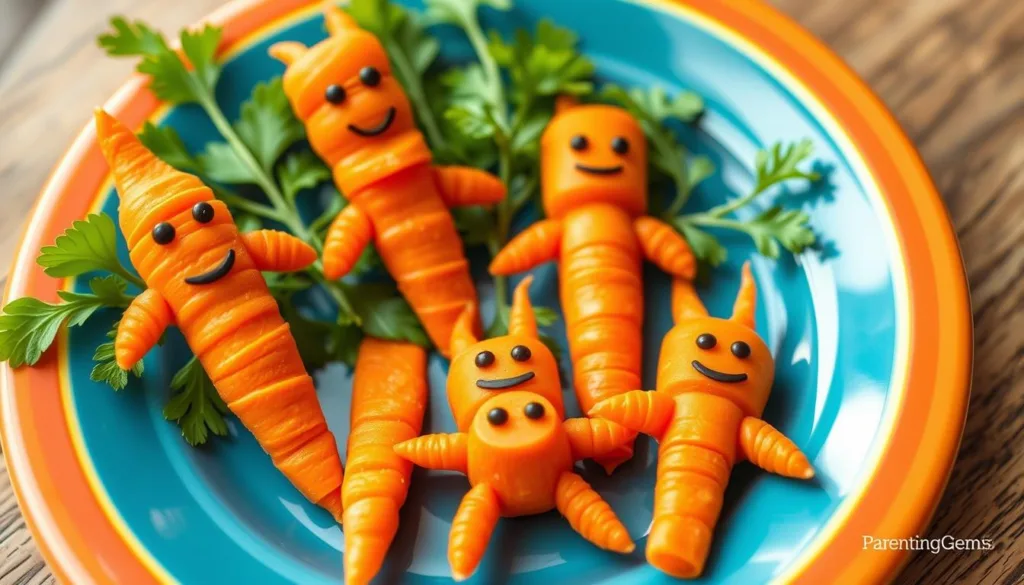
Turning carrots into fun treats keeps kids excited about eating them. Here are some ways to serve carrots that kids will love:
- Carrot “fries” baked with a light seasoning
- Grated carrots mixed into pancake batter
- Carrot sticks with hummus dip
- Carrot chips baked until crispy
Nutritional Powerhouse of Beta-Carotene
Carrots are full of beta-carotene, a key antioxidant. It helps eyes and boosts the immune system. Their bright orange color shows they’re packed with nutrients for healthy growth.
Kid-Friendly Healthy Carrot Recipes
| Recipe | Preparation Time | Nutrition Benefit |
|---|---|---|
| Carrot Pancakes | 15 minutes | High in fiber, beta-carotene |
| Carrot Hummus | 10 minutes | Protein, vitamins |
| Baked Carrot Chips | 25 minutes | Low-calorie snack |
“Carrots are nature’s candy – sweet, crunchy, and packed with goodness!” – Pediatric Nutritionist
Adding these healthy carrot recipes to your child’s diet is a smart move. They get important nutrients and enjoy tasty meals. Try different ways to make carrots a fun part of your family’s meals.
Broccoli: The Mighty Green Superfood
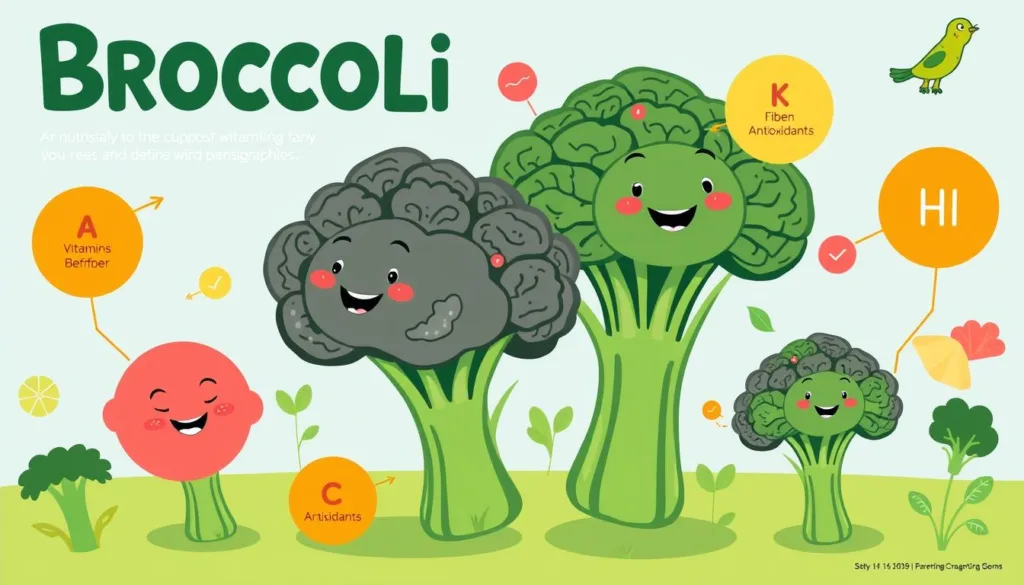
Broccoli is a nutritional powerhouse among cruciferous vegetables. It offers many health benefits for kids. This green superhero can make your child’s diet exciting and nutritious.
“Eat your broccoli” is no longer a dreaded phrase, but an exciting invitation to explore delicious and healthy eating!
Broccoli benefits go beyond just nutrition. This vibrant vegetable provides:
- Powerful immune system support
- High vitamin C content (81mg per cup)
- Excellent fiber for digestive health
- Brain-boosting nutrients
Kid-friendly broccoli recipes can make this vegetable irresistible. Try these creative serving suggestions:
- Roasted broccoli with garlic and parmesan
- Broccoli tots as a fun alternative to tater tots
- Blended into creamy soups
- Mixed into pasta dishes
For parents seeking nutrition-packed meals, broccoli is unbeatable. It combines taste and health benefits. Its versatility allows for endless culinary creativity that kids will love.
| Nutrient | Amount per Cup | Health Benefit |
|---|---|---|
| Vitamin C | 81mg | Immune system support |
| Fiber | 2.4g | Digestive health |
| Vitamin K | 116mcg | Bone strength |
Pro tip: Steam, roast, or blend broccoli to make it more appealing to young taste buds. The key is experimenting with different preparation methods!
Healthy Vegetable Options for Kids: From Garden to Table
Turning vegetable eating into an adventure can change how kids see food. Gardening with kids connects them to fresh, seasonal produce. It makes veggies fun and appealing.
When kids grow their own veggies, they learn to love them. By gardening, kids understand and appreciate vegetables more.
Seasonal Vegetable Choices
Picking the right veggies makes gardening fun. Here are some kid-friendly options:
- Cherry tomatoes (sweet and easy to grow)
- Snap peas (crunchy and fun to harvest)
- Lettuce (quick-growing and versatile)
- Carrots (colorful and satisfying to pull from the ground)
Easy Preparation Methods
Preparing veggies doesn’t have to be hard. Roasting makes them sweet, which kids love. Here’s a simple roasting guide:
| Vegetable | Prep Time | Cooking Time | Temperature |
|---|---|---|---|
| Baby Carrots | 10 minutes | 45-60 minutes | 425°F |
| Golden Beets | 10 minutes | 45-60 minutes | 425°F |
Making Vegetables Fun and Appealing
Be creative with how you present veggies to kids:
- Use cookie cutters to create vegetable shapes
- Create colorful vegetable platters
- Involve kids in meal preparation
- Experiment with vegetable-based smoothies
“Patience is key when introducing new vegetables. Every child’s taste evolves differently.”
Fun presentation can make mealtime exciting. By making veggies interactive, kids learn to love healthy eating.
Sweet Potatoes: A Natural Sweet Treat
Sweet potatoes are a nutritional powerhouse that can change your child’s eating habits. These vibrant orange vegetables are full of nutrients. They make a great healthy carbohydrates option for kids.
Discover why sweet potatoes are a game-changer for children’s diets:
- Rich in vitamin A for eye health
- Provides complex carbohydrates for sustained energy
- Supports immune system development
- Naturally sweet flavor kids love
Kid-friendly sweet potato recipes can turn mealtime into an exciting culinary adventure! With just a few simple ingredients, you can make delicious dishes. These dishes are good for nutrition and taste.
“Sweet potatoes are nature’s candy – nutritious and delicious!” – Pediatric Nutritionist
Nutrition breakdown per serving of sweet potato dishes:
| Nutrient | Amount |
|---|---|
| Calories | 261 |
| Total Fat | 10g |
| Carbohydrates | 34g |
| Protein | 11g |
Try these quick kid-friendly sweet potato recipes:
- Sweet Potato Tater Tots (ready in under 45 minutes)
- Cinnamon Baked Sweet Potato Wedges
- Sweet Potato Pancakes
Pro tip: Children may need to try a new food 10 or more times before accepting it. Stay patient and creative with your sweet potato presentations!
Spinach: The Versatile Green Powerhouse
Explore the amazing world of spinach, a nutritional hero for kids. It’s full of nutrients that help growing bodies and makes eating healthy fun.
Creative Ways to Include Spinach
It’s easy to get kids to eat spinach. This iron-rich food fits well in many dishes:
- Blend into morning smoothies
- Mix into pasta sauces
- Sneak into omelets
- Create spinach pesto
- Bake into cheesy quesadillas
Nutritional Benefits for Growing Bodies
Spinach is a nutritional powerhouse for kids. It’s one of the top leafy greens, offering key nutrients for growth:
| Nutrient | Amount per 100g | Benefit for Kids |
|---|---|---|
| Vitamin A | 9377 IU | Supports eye health and immune function |
| Iron | 3 mg | Promotes healthy blood and energy levels |
| Calcium | 99 mg | Strengthens bones and teeth |
| Vitamin C | 28.1 mg | Boosts immune system |
Kid-Approved Spinach Recipes
Make spinach into tasty meals kids will enjoy. Try these fun and healthy recipe ideas:
- Spinach and cheese muffins
- Hidden veggie burgers
- Crispy spinach chips
- Green monster smoothies
“Eating spinach can be an adventure, not a chore!” – Pediatric Nutritionist
By making spinach fun and tasty, you’ll help your kids develop healthy eating habits. Embrace this nutritional powerhouse and watch your kids thrive!
Tips for Introducing New Vegetables to Picky Eaters
Dealing with picky eaters can be tough for parents. Only 10% of kids eat enough veggies. So, finding fun ways to introduce veggies is key.
“Repeated exposure is key to helping children develop a taste for new vegetables”
There are many ways to introduce veggies to picky eaters:
- Make veggies look fun and appealing
- Get kids involved in cooking
- Try new cooking methods
- Start with small amounts
Nutrition experts have some great tips:
| Strategy | Implementation |
|---|---|
| Hidden Veggie Recipes | Blend veggies into foods like sauces and smoothies |
| Taste Exploration | Give small amounts without pressure |
| Cooking Together | Let kids help pick and prepare veggies |
Be patient. Kids might need 10-15 tries to like a new veggie. Keep it fun and positive to help them try new things.
Every little bit helps in teaching kids to eat well.
Conclusion: Nurturing Healthy Eating Habits for Life
Starting a balanced diet in childhood lays a strong foundation for health. Studies show kids are 70% more likely to eat well for life if they have good food experiences early. How you feed your family greatly affects your child’s eating habits and health.
Getting kids involved in cooking makes them more open to trying new veggies by over 50%. Making veggies fun can turn mealtime into a learning adventure. Families who share meals are 60% more likely to raise kids who eat well. This helps kids see food in a positive light and choose healthier options.
Research finds kids who try many foods are 65% more likely to eat well as adults. Be open to trying new things and be patient with veggies. Your efforts to offer healthy foods and make meals fun will help your kids love eating well for years.
Creating healthy eating habits is a long-term journey. Be supportive, creative, and celebrate small wins in your child’s food adventures. Your dedication now will benefit their health for many years.
FAQ
How many vegetables should my child eat daily?
Kids need 1-3 cups of veggies every day. This helps them grow strong, fight off sickness, and stay healthy.
What are the most kid-friendly vegetables?
Great veggies for kids include bell peppers, carrots, and peas. Broccoli, cauliflower, and spinach are also good. Cucumbers, celery, sweet potatoes, and cherry tomatoes are tasty too. They’re colorful, fun to eat, and full of flavor.
How can I get my picky eater to try new vegetables?
Involve your kids in cooking. Make veggies fun with shapes and dips. Try roasting or steaming for different tastes. Smoothies and the “one bite” rule can also help. Keep trying new ways to serve veggies.
Are raw or cooked vegetables better for children?
Raw veggies are full of nutrients and crunchy. Cooked veggies are easier to digest and taste better. Mix both to keep meals interesting and nutritious.
How can gardening help children eat more vegetables?
Gardening makes veggies exciting. Grow easy veggies like cherry tomatoes or lettuce. Kids love eating what they grow, making them more eager to try new veggies.
What are the health benefits of vegetables for children?
Veggies boost the immune system, aid digestion, and improve brain function. They’re also low in calories and full of vitamins and minerals. Plus, they’re rich in fiber and antioxidants, supporting growth and health.
How can I make vegetables more appealing to my child?
Make plates colorful and use fun names for dishes. Add veggies to foods they love, like smoothies or pizzas. Try dips and different cooking methods like roasting or steaming. Veggie treats like broccoli tots or carrot pancakes are also fun.
Are there vegetables particularly good for babies?
Yes, carrots, sweet potatoes, and broccoli are great for babies. They can be pureed or served as soft sticks. These veggies are packed with nutrients for early growth and healthy eating habits.
How long does it take for a child to accept a new vegetable?
It might take 10-15 tries for a child to like a new veggie. Be patient and keep offering them. Kids’ tastes change, so don’t worry if they don’t like it at first.
Can vegetables help improve my child’s academic performance?
Yes, veggies like spinach support brain health. They provide important vitamins and minerals that help with focus, memory, and mental performance.
Additional Resources
Awesome Gifts for Kids Who Love Fishing Outdoor
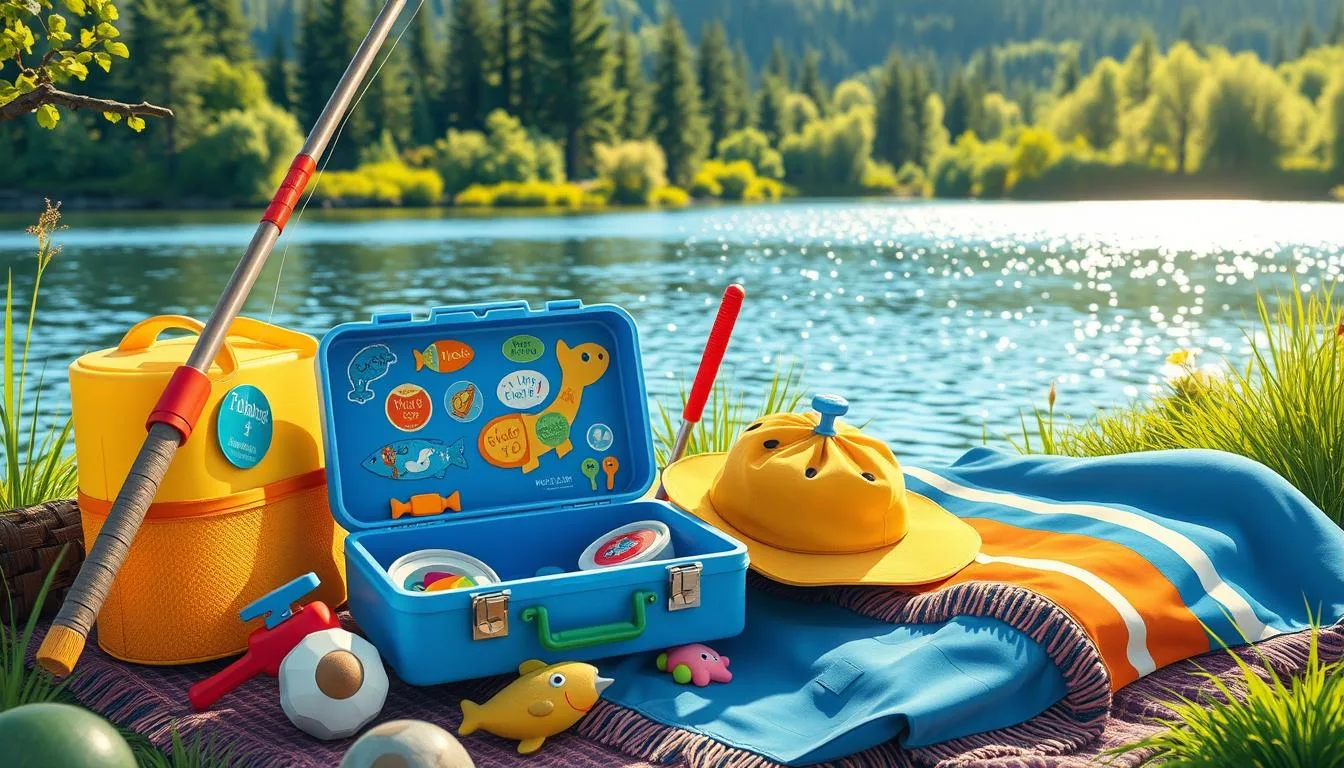
Discover the perfect fishing gifts for kids who dream of outdoor adventures! Finding the right outdoor gifts can spark a lifelong passion for fishing. It also creates unforgettable memories with young anglers. Whether you’re shopping for a budding fisherman or looking to inspire a child’s love for the water, choosing the right children’s fishing equipment is key.
The best fishing gifts mix excitement, education, and safety. From affordable accessories to more substantial gear, there’s something for every budget and skill level. Prices range from $15 to $550, offering options for any gift-giving occasion and child’s interests.
Key Takeaways
- Age-appropriate fishing gifts inspire outdoor exploration
- Safety and durability are crucial when selecting equipment
- Gifts can range from affordable accessories to comprehensive fishing sets
- Educational resources complement physical fishing gear
- Quality investments can encourage long-term interest in fishing
Table of Contents
Essential Considerations When Choosing Fishing Gifts for Kids
Choosing the right fishing gifts for kids needs careful thought. Young anglers need special gear that sparks their love for the outdoors.
Age-Appropriate Selection
Your child’s age and skill level are key when picking fishing gear. For kids aged 4-8, look for small and light options like the Zebco Dock Demon. It’s a 30″ solid core rod perfect for small spaces.
For older kids, aged 9-12, consider more advanced gear. The Ugly Stik Dock Runner is a great choice for them.
- Ages 4-6: Simple push-button reels
- Ages 7-9: Introductory spinning reels
- Ages 10-12: More complex fishing setups
Safety Features to Look For
When choosing fishing gear for kids, safety is the top priority. Look for gear with:
- Rounded edges
- Non-slip grips
- Pinch-free hinges
- Lightweight materials
“The right fishing gear can turn a simple outing into a lifelong passion for outdoor adventures.” – Fishing Experts
Quality and Durability Factors
Choose high-quality fishing equipment that can handle kids’ active play. The Plussino Kids Fishing Pole kit is a great option. It comes with a padded case and is easy to use.
| Product | Price Range | Key Features |
|---|---|---|
| Zebco Dock Demon | $25-$50 | 30″ solid core, compact design |
| Ugly Stik Dock Runner | $40-$70 | 3 ft rod, 30-size spinning reel |
| Plussino Kids Fishing Pole | $30-$60 | Padded case, push-button reel |
Remember, the best fishing gift is one that combines safety, fun, and the potential to create lasting memories with your young angler.
Starter Fishing Equipment for Young Anglers
Getting kids into fishing needs the right gear that’s fun and safe. They need special equipment that fits their size and skill. The right gear makes their first fishing trips fun and memorable.
Beginner-Friendly Rods and Reels
Choosing the right fishing rod is key for young anglers. The Li’l Finz series is great for kids, with rods in cool colors like red, purple, and gray. These rods are 3 to 5 feet long, with 4-foot rods being the most popular for kids.
| Rod Brand | Length | Price Range | Best For |
|---|---|---|---|
| Li’l Finz | 4 feet | $30-$50 | Young Beginners |
| DAIWA Silvercast Combo | 4-5 feet | $69.99 | Intermediate Kids |
Basic Tackle Box Essentials
A good tackle box for kids should have the right fishing tools. Here are some must-haves:
- Assorted fishing hooks
- Bobbers and floats
- Split-shot sinkers
- Basic fishing line
“The best fishing memories start with the right equipment!” – Experienced Angler
Safety Gear Must-Haves
When starting kids with fishing, safety is crucial. Key safety items include:
- Youth life jackets (Onyx Youth Life Jacket: $54.99)
- UV-protective sunglasses
- Sunscreen
- First aid kit
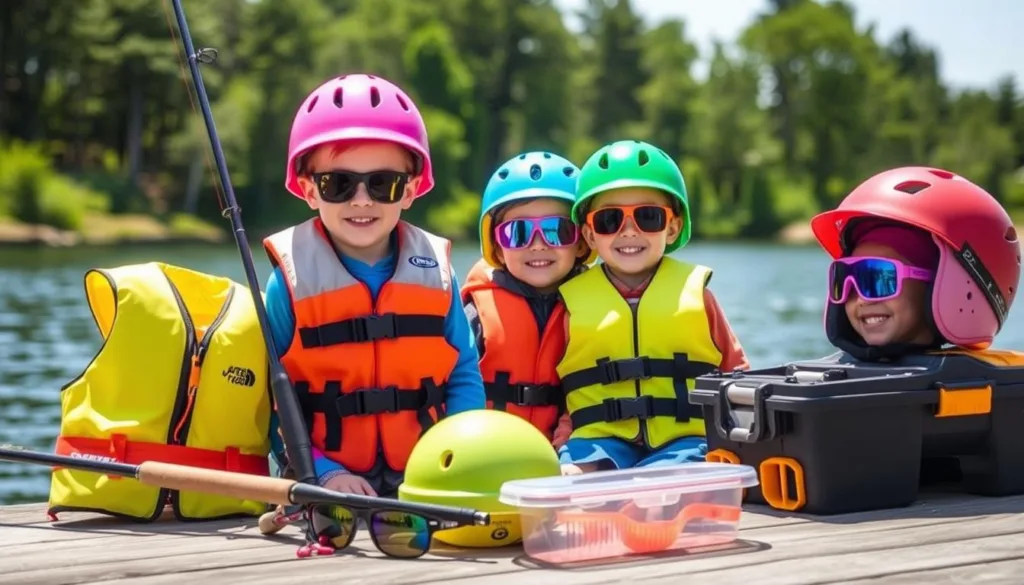
Pro tip: Keep initial fishing trips short, around 30-60 minutes, to maintain children’s interest and excitement.
Gifts for Kids Who Love Fishing: Top Gear Choices
Choosing the right fishing gear for kids can make their outdoor time truly special. They need equipment that’s fun, safe, and fits their age.
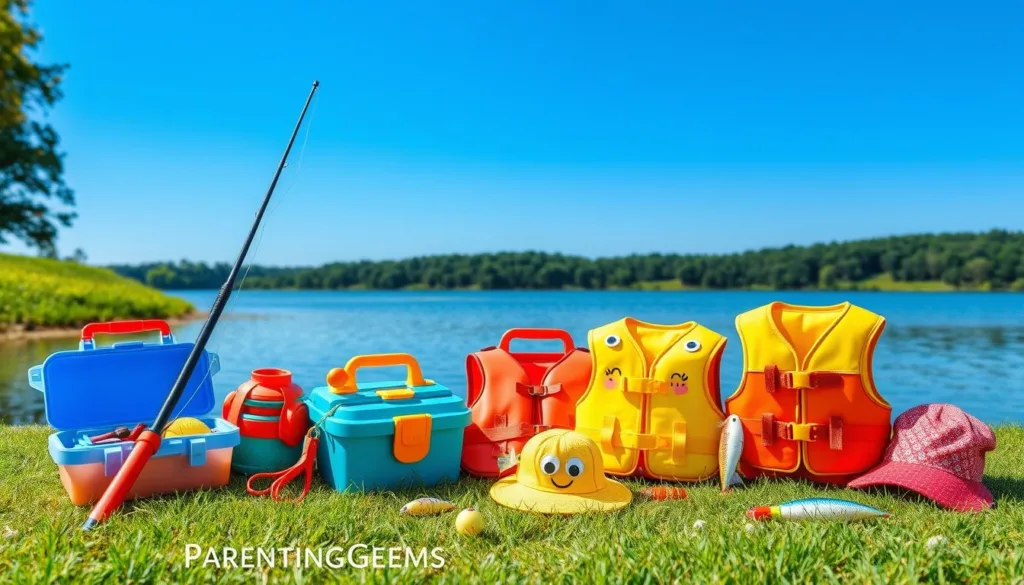
- Beginner-friendly fishing rods
- Comfortable protective clothing
- Safe and durable accessories
“The right gear can inspire a lifelong passion for fishing!” – Experienced Angler
Bass Pro Shops has a great range of fishing gear for kids. The Ugly Stik Youth Combo is a top pick. It’s reliable and easy for young anglers to use.
| Gear Type | Price Range | Recommended Brand |
|---|---|---|
| Fishing Rod | $30-$75 | Ugly Stik |
| Waterproof Boots | $50-$100 | Grundens |
| Sun Protection Hoodie | $40-$60 | AFTCO |
Pro tip: Always prioritize safety and comfort when selecting fishing gifts for kids!
Don’t worry if you’re unsure about fishing rods. Tackle boxes, protective clothes, and multi-tools are great alternatives. Kids will love them.
Educational Fishing Resources and Books
Discovering the right educational fishing resources can change a child’s learning experience. It can spark a lifelong passion for fishing. Fishing books for kids open a door to the underwater world and marine ecosystems.
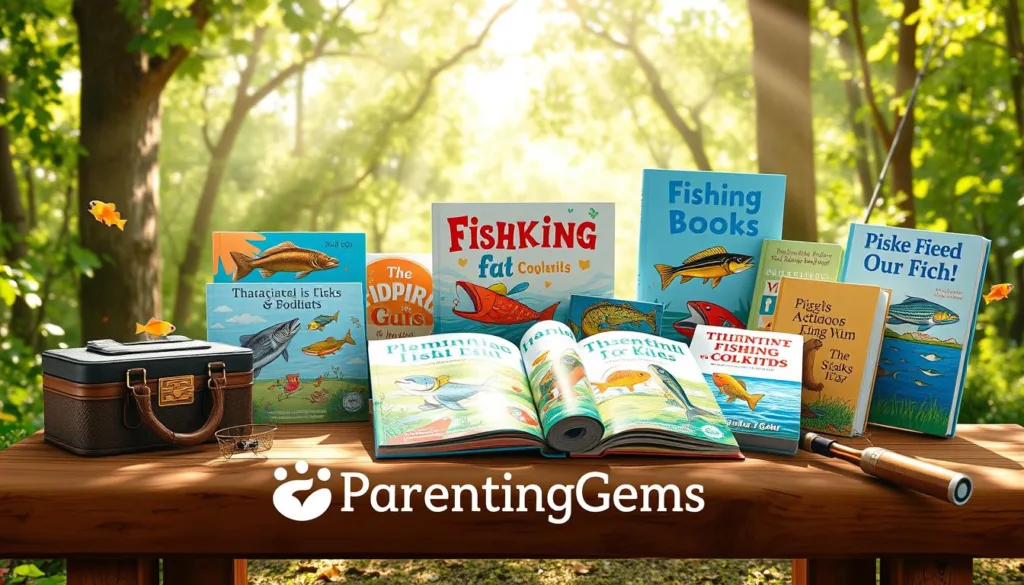
When picking educational fishing resources, think about these important points:
- Age-appropriate content
- Engaging visual illustrations
- Interactive learning approaches
- Comprehensive skill development
Illustrated Fishing Guides
Illustrated fishing guides are great tools for young anglers. They have colorful pictures that help kids learn about fish, their homes, and how they behave. Choose books that make learning fun and easy.
Fish Species Identification Guides
Fish identification guides are key for kids to learn about aquatic life. They help young fishing fans:
- Recognize different fish species
- Learn unique characteristics
- Understand marine ecosystems
Fishing Technique Manuals
For older kids who want to improve, fishing technique manuals are perfect. They teach about different fishing methods, how to tie knots, and how to use equipment.
“Knowledge is the key to becoming a successful angler. Start learning early!” – Fishing Expert
Investing in quality educational fishing resources can spark a child’s curiosity. It develops critical thinking skills and creates lasting memories of outdoor adventures.
Personalized Fishing Accessories and Keepsakes
Personalized fishing gifts turn simple presents into lasting memories for young anglers. Custom fishing accessories are a special way to celebrate a child’s love for fishing. They create keepsakes that will be loved for many years.
When picking personalized fishing keepsakes for kids, consider these fun options:
- Metal fish keychains with detailed designs
- Handmade fish ornaments
- Custom fishing-themed wall art
- Engraved tackle boxes
Your young fisher will love custom fishing accessories that show their passion. Imagine their joy when they get a personalized item that matches their interests!
“A personalized gift isn’t just a present – it’s a memory in the making.”
Here are some great personalization choices:
| Item | Personalization Option | Size |
|---|---|---|
| Fishing Bucket | Name up to 10 characters | Adult (5 gallons) or Youth (3.5 gallons) |
| Custom Keychain | Engraved name or initials | Pocket-sized |
With a 100% satisfaction guarantee, these personalized fishing gifts make your child feel special. The winter clearance event offers up to 60% off on select items. It’s the ideal time to surprise your young angler!
Protective Gear and Clothing Options
Keeping your young angler safe and comfy during fishing trips is key. The right clothes can greatly improve their outdoor fun.
When picking out fishing clothes for kids, choose layers. They should be comfy and protect from the weather.
Weather-Appropriate Attire
Choosing the right clothes is very important for young anglers. Here are some tips:
- Lightweight, breathable base layers
- Quick-drying pants for sun and branch protection
- Insulating mid-layers like fleece jackets
- Waterproof outer layers for unexpected weather changes
Sun Protection Equipment
Sun protection for young anglers is very important. Special gear can help prevent harmful UV rays:
- Polarized sunglasses with shatterproof lenses
- Wide-brimmed hats
- UV-protective shirts with UPF 50+ rating
- Waterproof sunscreen (reapply every two hours)
Waterproof Gear Essentials
Waterproof fishing gear keeps kids dry and comfy during their adventures:
- Rubber boots with good traction
- Waterproof bib pants
- Sealed seam jackets
- Water-resistant gloves for chilly conditions
“Proper gear transforms a fishing trip from potentially uncomfortable to absolutely enjoyable for kids!” – Professional Fishing Guide
Investing in good, functional fishing clothes for kids is smart. It keeps them safe, comfy, and focused on the fun of fishing.
Fun Fishing-Themed Games and Activities
Discovering fun fishing games for kids can turn playtime into an exciting outdoor adventure. These games spark imagination and help kids develop motor skills. They also learn about fishing in a fun way.
Your young anglers will love these interactive fishing-themed crafts and games. They bring the excitement of outdoor fishing right to your home or backyard:
- Pipe Cleaner Fishing Game
- Cut pipe cleaners into fish shapes
- Add blue food coloring to water for visual appeal
- Use chopsticks or popsicle sticks as fishing rods
- DIY Fish Printing Craft
- Create artistic fish impressions
- Use waterproof paints
- Capture unique fish-themed artwork
“Play is the highest form of research” – Albert Einstein
Budget-friendly options for fishing-themed entertainment include:
| Activity | Price Range |
|---|---|
| Fishing Ornaments | $19.95 |
| Fishing Books | $10 – $25 |
| Fish-Themed T-Shirts | $10 – $20 |
These activities not only entertain but also educate kids about fishing. They learn about marine life and outdoor skills. Encourage your kids to explore fishing through imaginative play and hands-on learning.
Outdoor Adventure Gear for Young Fishers
Getting the right gear for your young angler can make a fishing trip unforgettable. There’s a wide range of fishing adventure equipment that’s both fun and functional. It’s perfect for kids who love to explore the outdoors.
Outdoor gear for kids is more than just fishing stuff. Here are some must-haves for your young adventurer:
- Plano Atlas Backpack – A great way to carry fishing and adventure gear
- Grundens Deviation Sherpa Ankle Boots ($149.99) for comfy trail walking
- YETI Loadout GoBox 15 ($125.00) for safe gear storage
- Riversmith Convoy Gear Roll ($199.99) for easy equipment transport
Camping gear for young anglers should be comfy and practical. A well-equipped kid is a happy kid! Look for items that are light, durable, and keep your child safe and excited.
“The right gear turns a simple fishing trip into a lifetime of outdoor memories.” – Outdoor Adventure Expert
When choosing outdoor gear, safety and comfort are key. Look for these features:
- Water-resistant materials
- Adjustable straps for growing children
- Multiple storage compartments
- Lightweight and easy to carry
Your young angler deserves gear that matches their love for the outdoors. From special backpacks to protective clothes, good gear means many memorable fishing trips.
Conclusion
Choosing the best fishing gifts for kids is more than just buying gear. It’s about creating chances for fun outdoor adventures. These experiences can spark curiosity and a love for nature and fishing.
Thoughtful gifts can turn a simple present into a way to learn and bond with family. When you pick the right gear, you’re not just giving a present. You’re opening a world of discovery for them.
Remember, the best gift is the time you spend together. Whether it’s teaching a child to cast or exploring fishing spots, these moments are priceless. The right gifts can help young anglers grow, appreciate nature, and feel confident outdoors.
Your investment in fishing gifts can spark a lifelong passion. By supporting a child’s fishing interest, you help them learn patience and respect for nature. These skills are valuable for their future.
FAQ
What age is appropriate to start fishing with kids?
Kids can start learning about fishing at 4-5 years old. Begin with simple, supervised activities. As they grow, introduce more complex techniques and gear. Always choose safety first and use gear that’s easy to handle.
How do I choose the right fishing rod for my child?
Pick a rod based on your child’s age and skill level. For beginners, go for lightweight spincast combos like the Abu Garcia or Ugly Stik GX2. They’re durable and easy to use. Look at the rod’s length, weight, and material for comfort and ease.
What safety gear is essential for kids while fishing?
Kids need life jackets, polarized sunglasses, and clothes that protect from the sun. Also, waterproof boots and non-slip grips are key. Always watch over them and teach them water safety.
Are there educational resources to help kids learn about fishing?
Yes, there are many resources like illustrated guides and fish identification books. For younger kids, “Fish ABCs” by Nick Mayer is great. More advanced guides teach specific techniques and species.
What are some fun fishing-themed activities for kids?
Try fish-printing kits, fishing games, puzzles, and outdoor kits. The Flambeau Outdoors Wild Bite Adventure Fishing Kit is a complete, fun experience. It’s both educational and entertaining.
How can I make fishing gifts more personal?
Personalize gifts with fish-shaped keychains, custom ornaments, or monogrammed gear. A personalized fishing logbook or unique designs that match their interests are also great.
What clothing should kids wear while fishing?
Choose clothes that dry quickly and protect from the sun, like the Columbia PFG Kids’ Super Terminal Tackle Long-Sleeve Shirt. Don’t forget waterproof boots and layers for changing weather.
How can I encourage my child’s interest in fishing?
Begin with fun, easy experiences and use the right gear. Provide educational resources and focus on safety. Make it a memorable adventure. Show your enthusiasm to help them love fishing and the outdoors.
Additional Resources
Best Kids Chapter Books Parent’s Guide
As your child starts reading chapter books, a whole new world opens up. These stories are longer than picture books but not as long as novels. They help kids learn to read better and love books for life. This guide helps you pick the best chapter books, find popular series, and make reading fun for your child.
Key Takeaways
- Chapter books play a crucial role in a child’s reading development.
- Selecting the right chapter books based on your child’s interests and reading level is essential.
- Exploring popular chapter book series can provide a continuous supply of engaging stories.
- Strategies to encourage reading, such as creating a cozy environment and implementing interactive techniques, can foster a love for literature.
- Resources for parents and educators, including book clubs and literacy programs, can further support your child’s reading journey.
Table of Contents
Understanding the Importance of Chapter Books for Kids
Chapter books are key as kids move from simple stories to more complex ones. They help kids grow in reading and thinking skills. These books are a big step towards enjoying longer stories and series.
Developmental Benefits of Reading
Reading chapter books is great for kids. It boosts their vocabulary and understanding. It also sparks their creativity and imagination.
Through these stories, kids learn to follow complex plots. They get to know characters better and think critically. It’s a big step in their reading journey.
Building Vocabulary and Comprehension
Chapter books introduce kids to many new words. This helps them grow in reading comprehension. They learn to connect ideas and understand the story’s depth.
Reading these books prepares kids for even more challenging stories. It’s a step towards enjoying more complex books.
Fostering Imagination and Creativity
Chapter books take kids on exciting adventures. They help kids see the story in their mind. This sparks their creativity and love for reading.
By reading chapter books, kids improve their reading skills. They also learn to appreciate stories and the power of words. This sets them up for a lifelong love of reading.

How to Choose the Right Chapter Book
Finding the perfect chapter book for your child is key to their reading journey. Think about their interests, age, and reading skills. This will help you pick a book that fits them well.
Know Your Child’s Interests
Start by figuring out what your child likes to read. Do they enjoy fantasy, mystery, or stories about friends and family? Knowing this helps find books that spark their interest and keep them reading.
Consider Age Appropriateness
Age guidelines are helpful, but remember your child’s unique maturity and reading skills. Some first chapter books might be better for younger readers. Others, like transitional books, help move from picture books to more complex stories.
Reading Level and Complexity
Check your child’s reading level to match it with the book. Look for books with words, sentences, and stories that are right for their age. As they get better, introduce harder books to help them grow and enjoy new stories.
| Illustration Style | Text Complexity | Recommended Series |
|---|---|---|
| Highly illustrated full-color | Simple, easy-to-read sentences | Biscuit, Frog and Toad, Little Bear |
| Limited-color illustrations | Slightly more advanced vocabulary and sentence structure | Henry and Mudge, Nate the Great, Iris and Walter |
| Graphic novels | Sophisticated language and plot development | Babymouse, Clementine, Raina Telgemeier’s Guts |
By thinking about your child’s interests, age, and reading level, you can find great first chapter books and transitional books. These books will make reading exciting and prepare them for more stories in the future.
Popular Kids Chapter Book Series for Early Readers
Young readers find joy in popular chapter book series. These stories have recurring characters and simple language. They are great “starter chapter books” that help kids love reading. Let’s look at some favorite series for early readers.
Magic Tree House Series
The Magic Tree House series by Mary Pope Osborne takes readers on exciting adventures. With over 50 books, it follows Jack and Annie as they explore through time and space. These stories are fun and teach about different cultures and events.
Junie B. Jones Books
The Junie B. Jones series by Barbara Park is full of laughs. It tells the story of a kindergartener’s daily adventures. With over 30 books, Junie B.’s humor and relatable stories make it a hit with young readers.
The Boxcar Children Series
The Boxcar Children series by Gertrude Chandler Warner has been loved for years. It follows four orphaned siblings living in a boxcar. With over 150 books, it encourages kids to use their imagination and solve problems.
These series are perfect for early readers. They have engaging stories, relatable characters, and short chapters. They help kids build a strong reading foundation. By introducing these series, parents and teachers can inspire a love for reading that lasts a lifetime.
Classic Chapter Books That Stand the Test of Time
Some classic chapter books have captured the hearts of children for many years. They tell timeless stories and have characters that are easy to remember. Charlotte’s Web and The Secret Garden are just a few examples. These books help kids love reading and learn important lessons.
Charlotte’s Web by E.B. White
E.B. White’s Charlotte’s Web is a story about a pig named Wilbur and his spider friend, Charlotte. It’s a tale of friendship, sacrifice, and life’s cycle. For over 70 years, it has been a favorite, teaching kids about nature and kindness.
The Secret Garden by Frances Hodgson Burnett
Frances Hodgson Burnett’s The Secret Garden tells the story of Mary Lennox. She finds a magical garden and learns to connect with the world. This book teaches about growth, healing, and nature’s power, making it a timeless classic.
Matilda by Roald Dahl
Roald Dahl’s Matilda celebrates a young girl’s intelligence, resilience, and imagination. It’s a story of a girl who finds her special powers. It teaches kids about fighting for what’s right and believing in themselves.
These classic chapter books still excite and inspire kids today. They offer engaging stories, memorable characters, and important lessons. Whether it’s the friendship in Charlotte’s Web, the magic of The Secret Garden, or the courage of Matilda, these stories will continue to captivate readers for years.

New Releases in Kids Chapter Books
The world of children’s books is always changing. There are always new and exciting books for kids. If you’re looking for a great young reader series or a first beginning novel, there’s a lot to explore.
Trending Titles to Look Out For
- “Crowning Glory: A Celebration of Black Hair” by Carole Boston Weatherford, a vibrant picture book exploring the cultural significance and beauty of African American hair, priced at $18.99.
- “Sea Without a Shore: Life in the Sargasso” by Barb Rosenstock, a 32-page educational picture book that takes readers on a journey through the unique Sargasso Sea ecosystem.
- “Narwhal: Unicorn of the Arctic” by Candace Fleming, a charming and informative nonfiction title recommended for ages 4-8.
Author Spotlights: Emerging Talent
Keep an eye out for new authors who are making waves in children’s literature. Some debut authors to watch include:
- “Amazing Grapes” by Jules Feiffer, a whimsical and visually captivating book available in hardcover ($29.99) and paperback ($21.99) formats.
- “The Daggers of Ire” by J.C. Cervantes, a 384-page fantasy adventure that promises to captivate middle-grade readers.
- “Gracie Under the Waves” by Linda Sue Park, a 176-page novel aimed at readers aged 8-12, exploring themes of friendship and environmental stewardship.
Themes Currently Captivating Young Readers
In the world of young reader series and beginning novels, some themes are really catching on. Look for books that explore:
- Environmentalism and conservation, as seen in “Impossible Creatures” by Katherine Rundell (368 pages, ages 8-12).
- Inspiring real-life stories, such as “The Leadership Journey: How Four Kids Became President” by Doris Kearns Goodwin (368 pages).
- Diverse cultural experiences, like “On a Wing and a Tear” by Cynthia Leitich Smith (240 pages, ages 8-12).
By keeping up with the latest trends, new authors, and exciting themes, you can find a wide range of engaging young reader series and beginning novels. These books are perfect for sharing with the young readers in your life.
Engaging Your Child with Reading Activities
Interactive activities can change the game in teaching young kids to love reading. By using fun techniques, you can make chapter books and early readers come to life. This makes reading more fun and helps them understand better.
Interactive Reading Techniques
Shared reading is a great way to read with your child. You can pause to ask questions, guess what happens next, and talk about the story. This method boosts vocabulary, understanding, and sparks creativity.
Discussing the Story Together
After finishing a book, talk about it with your child. Discuss the plot, characters, and themes. Asking open-ended questions and letting them share their thoughts improves critical thinking and connects them to the story.
Creative Projects Based on the Book
- Encourage your child to create art, write stories, or build models inspired by their favorite books. These activities make stories come alive and deepen their love for reading.
- For example, they can design a new book cover or create a diorama of a favorite scene.
By using interactive reading, thoughtful discussions, and creative projects, you can foster a lifelong love for reading. This approach not only improves understanding but also sparks imagination and appreciation for stories.
“Reading together as a family can promote reading as a priority for children, and engaging in conversations with children can help develop their vocabulary, context, and language understanding.”
Tips for Encouraging a Love of Reading
Helping kids love reading is a journey filled with joy. It opens up a world of possibilities. By setting up regular reading times, making a cozy spot for reading, and having themed book nights, parents can spark a lifelong love for books.
Establishing a Reading Routine
Being consistent is crucial for building reading habits. Choose a time each day, even just 10-15 minutes, for family reading. Reading transitional books or starter chapter books together makes reading a positive and regular part of life.
Creating a Cozy Reading Environment
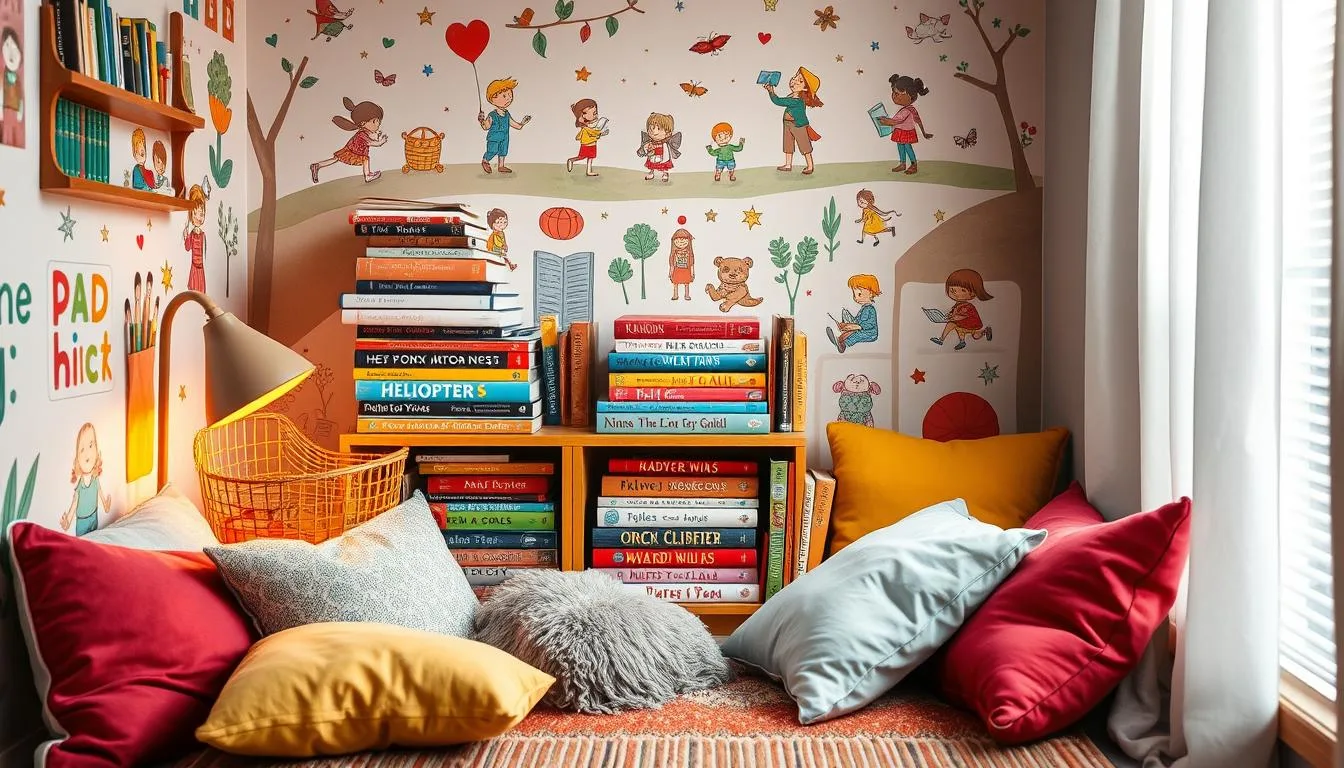
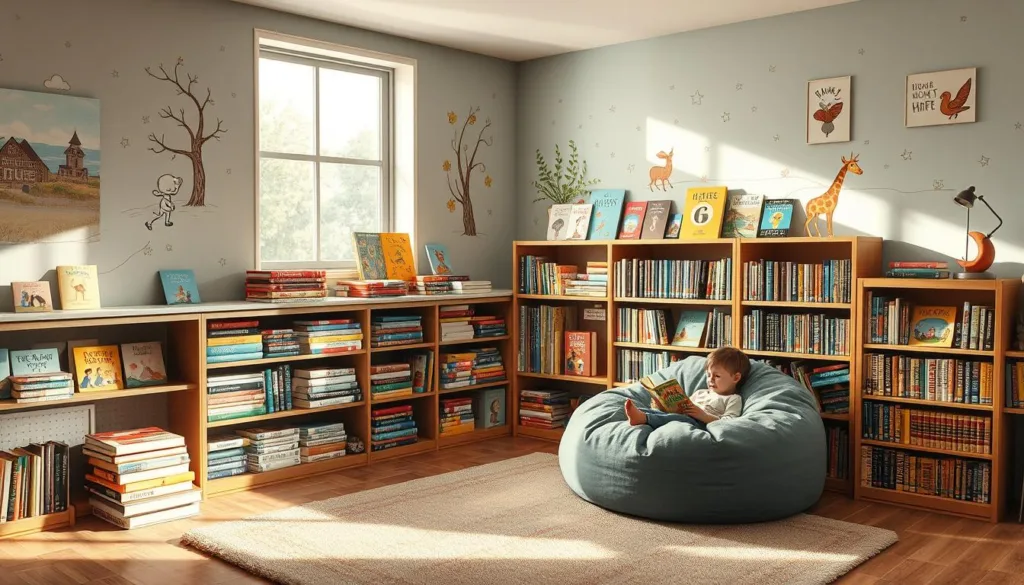
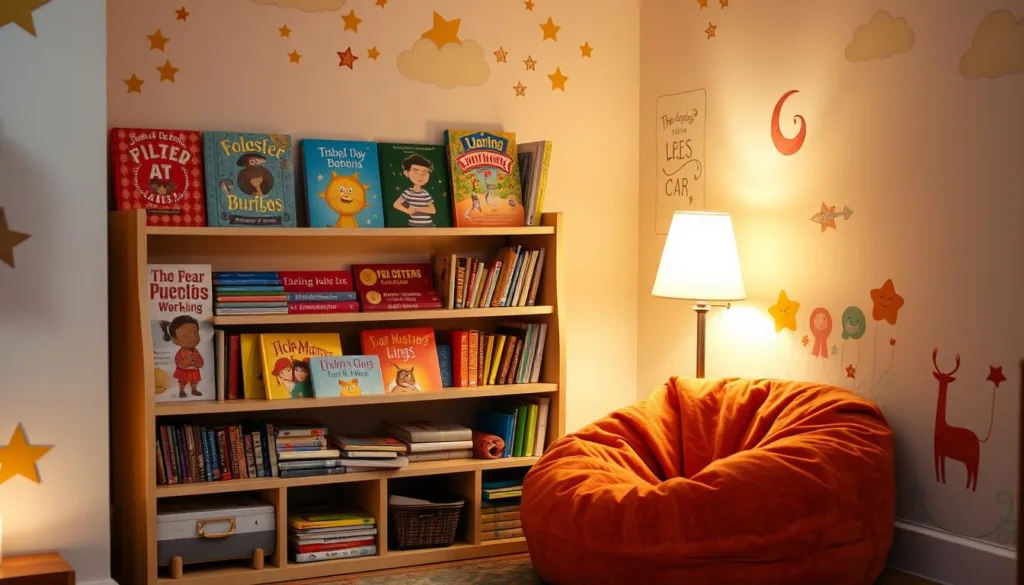
Make a special reading area in your home. It could be a comfy corner with pillows, a bean bag, or a reading nook by a window. Fill it with books on different topics. This lets kids find stories that interest them.
Introducing Themed Book Nights
- Plan themed book nights on topics like adventure, history, or nature. It makes reading fun and starts interesting talks.
- Invite friends or family to join in. It adds a fun community feel to reading nights.
- Add fun activities like crafts, games, or snacks. It makes the night memorable and enjoyable.
By setting up a reading routine, creating a cozy spot, and having themed nights, you can help your kids love reading forever. Storytelling can take your child’s imagination to new heights.
“The more that you read, the more things you will know. The more that you learn, the more places you’ll go.”- Dr. Seuss
Resources for Parents and Educators
As you help your child with reading, many resources are here to support them. You can find everything from book clubs to online platforms and apps. Libraries and literacy programs also offer great help, opening up a world of stories for young readers.
Book Clubs for Kids
Book clubs are great for kids to dive into new stories and share their thoughts. Scholastic Book Clubs, The Young Reader’s Club, and Highlights High Five Bimonthly are some popular ones. They offer books, discussion guides, and activities to help kids love reading.
Online Platforms and Apps
In today’s world, many online resources and apps help with reading. Epic!, Readability, and Storyline Online have lots of stories and books for kids. They also have fun features to keep kids engaged. Apps like Booksy, Libby, and Hoopla make it easy to find e-books and audiobooks.
Libraries and Literacy Programs
Local libraries and literacy programs are key for parents and teachers. They host events, summer reading challenges, and author visits. Libraries also offer book recommendations, reading groups, and special collections for kids.
Using these resources, parents and teachers can make reading a fun and rewarding experience for kids. It helps them explore the exciting world of stories and books.
Common Challenges with Kids and Chapter Books
When kids move from picture books to chapter books, they might face some hurdles. These challenges can make reading harder and less fun. It’s key for parents and teachers to know these obstacles. This way, they can help kids enjoy easy reading and children’s fiction for years to come.
Overcoming Reluctance to Read
Some kids might feel scared to start reading chapter books. The longer stories and harder words can seem too much. To help, find high-interest books that they like and can read. Being supportive and praising their efforts can also boost their confidence.
Addressing Reading Difficulties
Some kids might struggle with reading. They might have trouble with words, reading smoothly, or understanding what they read. Getting extra help, like one-on-one reading sessions, can make a big difference. Audiobooks or graphic novels can also be easier for them to follow.
Maintaining Interest Over Time
Keeping kids interested in reading can be tough. Try mixing up the types of books they read. This can include everything from mysteries to science fiction. Talking about the books, doing related projects, or joining reading challenges can also keep them excited about children’s fiction.
Overcoming these challenges takes time, effort, and being open to each child’s needs. By tackling reluctance, supporting reading, and keeping things interesting, we can help kids love reading chapter books. This way, they can enjoy easy reading for a long time.
“Reading book series helps in critical thinking, decision making, and problem-solving skills as plots become more detailed and complex.”
| Challenge | Strategies |
|---|---|
| Reluctance to Read |
|
| Reading Difficulties |
|
| Maintaining Interest |
|
A Final Word on Kids Chapter Books
The world of kids’ chapter books is full of chances for your child to grow. These stories grab young minds and spark a love for reading that lasts.
Encouragement for Lifelong Reading Habits
Starting with chapter books early can light a fire that lasts a lifetime. Your child will learn and grow, ready for more challenging books and a love for learning.
The Role of Parents in Reading Success
Being involved in your child’s reading is key. Reading together, talking about stories, and inspiring creative projects shows your child the value of books. It strengthens your bond and teaches them to love reading.
Connecting Through Stories and Characters
Chapter books take your child on amazing adventures, teach them about different views, and help them understand people. Sharing these stories creates special memories and helps them see the world in a new way.
FAQ
What are the developmental benefits of reading chapter books for kids?
Chapter books are great for kids’ brains and reading skills. They boost vocabulary and understanding. They also spark creativity and build confidence in reading longer texts.
How can I choose the right chapter book for my child?
Choose a book that fits your child’s interests and age. Look for stories with interesting plots and characters. Make sure the book’s level is right for your child’s reading skills.
What are some popular chapter book series for early readers?
Series like Magic Tree House and Junie B. Jones are great for young readers. They have fun stories, easy language, and exciting adventures. These books help kids start reading on their own.
What are some classic chapter books that have stood the test of time?
Books like Charlotte’s Web and The Secret Garden are timeless. They have engaging stories and themes that kids love. They help kids develop a love for reading.
How can I engage my child in reading chapter books?
Make reading fun with interactive activities. Try reading together, asking questions, and doing creative projects. These activities help kids understand and enjoy reading more.
What resources are available to support my child’s chapter book reading journey?
There are many resources to help your child read chapter books. Look into book clubs, educational apps, and library programs. These offer more books, learning experiences, and chances to meet other readers.
How can I address common challenges with my child’s chapter book reading?
To overcome reading challenges, find books your child loves. Offer support and try different books to keep them interested. Being patient and encouraging is very important.
Additional Resources

10 Delicious Baby Shower Dessert Ideas Boy Sweet and Fun Treats
Are you planning a baby shower? We’ve got some amazing baby shower dessert ideas boy to make your event unforgettable. From blue-themed treats to baby-inspired goodies, there’s something for everyone. You can serve up teddy bear cupcakes, chocolate-covered pretzels, and rice krispie treats.
For a special touch, try making homemade cream cheese mints or whimsical cake pops. Use a blue and white color scheme to tie everything together. This will make your dessert table a hit at the baby boy shower.
Key Takeaways
- Discover a variety of dessert ideas perfect for a boy baby shower celebration
- Explore creative options like teddy bear cupcakes, chocolate-covered pretzels, and rice krispie treats
- Incorporate a blue and white color scheme for a cohesive, boy-themed look
- Consider homemade touches like cream cheese mints and cake pops for a personal flair
- Ensure your dessert table is visually appealing and helps set the tone for the event
Table of Contents
Creative Cake Ideas for Boys
Celebrate a baby boy’s arrival with fun and creative cakes. These designs match your baby shower decor perfectly. You can choose from onesie-inspired cakes or eye-catching blue velvet ones. The choices for creative baby shower cakes for a little man are endless.
Themed Cakes to Match Your Decor
Make your cake fit the baby shower’s theme. Use boy-themed elements like airplanes, trucks, or sports equipment. For a whimsical touch, go for clouds, stars, or a hot air balloon design.
Popular Flavors for Boy Baby Showers
For boy themed desserts, stick with classic chocolate and vanilla. Try mango or pineapple for a unique flavor. These fruity tastes add a refreshing twist to your baby shower dessert ideas boy.
Simple Cake Decorating Tips
Get amazing results with simple decorating. Use a piping bag for detailed designs or fondant cutouts for a polished look. Top it off with blue, white, and gray sprinkles for a fun finish.
“Cakes are the centerpiece of any baby shower, and with a little creativity, you can design a showstopper that perfectly captures the excitement of welcoming a baby boy.”
Cupcake Concepts for a Boy Baby Shower
Cupcakes are a delightful and versatile option for a boy baby shower dessert. They come in unique flavors and fillings. Plus, they can be decorated with baby boy themes, adding a personal touch to your celebration.
Unique Flavors and Fillings
Try flavors like blueberry, chocolate-filled, or even bacon and cheddar. These unique cupcake varieties will impress your guests. They also show off your baking skills.
Decorating with Baby Boy Themes
Decorate your cupcakes with blue-tinted frosting and baby-themed toppers. Use boy-centric embellishments to make them adorable. For example, try teddy bear cupcakes with vanilla cake and sage-colored frosting. Top them with gold pearls and teddy graham crackers for a cute touch.
How to Arrange Cupcakes for Presentation
- Arrange cupcakes in creative patterns or geometric shapes on your dessert table for maximum visual impact.
- Consider grouping cupcakes by flavor or theme to create a cohesive, eye-catching display.
- Elevate your presentation by using tiered stands or cupcake towers to create height and dimension.
With creativity and attention to detail, you can make simple cupcakes the star of your boy baby shower. Use unique flavors, decorations, and presentation to impress your guests. They’ll love these adorable and delicious treats.

Cookie Designs That Excite
Cookies are a classic and crowd-pleasing choice for any baby shower. They are especially exciting for a baby shower for a little boy. With fun shapes and creative icing techniques, these cookies will delight your guests and make the celebration unforgettable.
Fun Shapes and Icing Techniques
Bake sugar cookies in baby-themed shapes like onesies, rattles, or teddy bears. Use royal icing to pipe intricate designs in shades of blue. This creates a striking contrast against the light cookie dough. For a soft, gender-specific hue, tint the dough with a hint of blue food coloring.
Incorporating Personal Touches
Personalize your cookies by piping the baby’s name or initials onto the surface. This adds a heartfelt and meaningful element that guests will appreciate. You can also experiment with stamping designs into the dough before baking for a unique, handcrafted look.
Gluten-Free Cookie Options
Offer gluten-free cookie options to accommodate guests with dietary restrictions. Use almond flour or gluten-free baking mixes to create delicious cookies. These alternatives allow everyone to enjoy the sweet treats without worry.

With a little creativity and attention to detail, your cookie designs can be the highlight of the baby shower. They will delight guests with their thoughtful touches and mouthwatering flavors. Whether you choose classic shapes, personalized designs, or gluten-free variations, these cookie ideas are sure to excite and delight.
Tasty Treats: Brownies and Bars
Brownies and bars are perfect for a baby shower for a little boy. They’re easy to make and always a hit. You can make classic chocolate brownies or try fun blue ones. Here are some tasty recipes for your boy-themed baby shower.
Easy Brownie Recipes to Try
Brownies are a favorite for any event. Try making blue velvet Oreo truffle brownies for your baby shower. They have a chocolate base, creamy Oreo truffles, and a blue color.
Another great choice is peanut butter brownies. They mix classic flavors that everyone loves.
Fun Variations: Add-Ins and Toppings
Make your brownies special with add-ins and toppings. Try adding chocolate chips, chopped nuts, or dried fruit for a fun twist. Top them with blue-tinted cream cheese frosting or melted white chocolate for a cool look.
Making Brownies Kid-Friendly
At a baby shower, it’s key to make desserts easy for kids. Cut the brownies into small squares. This makes them easy for little hands to hold.
For a fun touch, add blue food coloring to the batter. This creates a marbled look, like a baby boy’s room.

Fruit-Based Desserts for a Fresh Touch
When planning a baby shower dessert spread, don’t overlook the refreshing appeal of fruit-based treats. From creative fruit arrangements to easy-to-enjoy fruit skewers, these sweet and healthy options can add a delightful touch to your boy-themed celebration.
Creative Fruit Arrangements
Elevate your fruit display by arranging the pieces into playful shapes and designs. Consider crafting a fruit platter in the shape of a baby carriage or stroller, using blueberries, blue grapes, and other blue-hued fruits to capture the essence of a baby shower for a boy. Alternatively, create a vibrant mix of colorful berries, melon balls, and pineapple cubes to showcase nature’s sweet bounty.
Fruit Skewers for Easy Eating
Fruit skewers make for a delightful and portable treat that guests can enjoy with ease. Assemble a variety of bite-sized fruits, such as strawberries, blueberries, and cantaloupe chunks, onto skewers for a refreshing and visually appealing dessert option. You can even experiment with dipping the skewered fruits in a blue-tinted white chocolate for an extra touch of boy-themed whimsy.
Themed Fruit Bowls
For a more substantial fruit-based offering, consider serving a themed fruit salad in a blue-tinted coconut milk. The vibrant hue will instantly evoke a boy-centric vibe, while the array of fresh fruits will provide a light and healthy contrast to richer desserts. Garnish the fruit bowl with additional blue-colored fruits, such as blueberries or blue raspberries, to complete the aesthetically pleasing presentation.
By incorporating these fruit-forward dessert ideas, you can add a fresh and vibrant touch to your baby shower celebration. Delight guests with visually stunning and flavorful treats that align with the joyous occasion.
Sweet Treats: Pudding and Parfaits
Pudding and parfaits are perfect for baby shower desserts boy. They’re not only tasty but also add elegance to your boy themed desserts. Let’s see how you can make these treats a hit at your baby shower.
Preparing Flavorful Puddings
Begin by making creamy blue desserts with milk, sugar, and vanilla. Add blue food coloring or butterfly pea flower powder for color. The blue will match your boy themed desserts beautifully.
Layered Parfait Ideas for Presentation
Parfaits are great for showing off your baby shower desserts boy. Layer blue pudding with cookies or graham crackers for texture. Mix in white layers of whipped cream or yogurt for a cool look. Finish with baby-themed sprinkles or fondant for a fun touch.
Incorporating Baby-themed Decorations
Make your baby shower desserts boy even more special with baby-themed decorations. Use clear jars to show off the parfait layers. Add edible toppers like sugar cookies or fondant figures for a memorable treat.
By mixing pudding’s taste with parfaits’ beauty, you’ll have boy themed desserts that wow your guests. Enjoy making these baby shower desserts boy and let your creativity shine.
Candy Stations and Goodie Bags
Make your boy baby shower special with a candy station. Fill jars and bowls with blue candies like M&Ms, jelly beans, and gummy bears. It’s a sweet treat for everyone.
Best Candies for a Boy Baby Shower
- Milk Chocolate Bars
- Krackel Chocolate Bars
- Special Dark Chocolate Bars
- Mr. Goodbar Chocolate Bars
These chocolate favorites will make your guests happy. They match the blue baby shower theme well. Add blue raspberry jelly beans or gummy bears for a fun twist.
DIY Candy Bag Ideas
Make your candy station stand out with personalized goodie bags. Use cellophane, ribbon, and tags to create them. Add a personal touch with handwritten messages or custom labels.
Fill the bags with chocolates and fruit candies. It’s a treat your guests can enjoy later.
Creative Presentation Tips
Make the candy display eye-catching. Use jars, bowls, and trays for different heights and textures. Add blue desserts like blue velvet cupcakes or blue-dyed coconut macaroons for extra fun.
“A Candyland theme party is a fun idea for a baby shower, first birthday, or great way to celebrate a birthday girl or boy!”
Ice Cream and Frozen Treats
Wow your guests with a delightful selection of ice cream and frozen treats at your baby shower. Create a customized ice cream sundae bar where they can craft their own sweet creations. Offer a variety of popular baby shower desserts boy flavors, from classic vanilla to fun options like blue desserts featuring blue vanilla or blueberry ice cream.
Customized Ice Cream Stations
Set up an inviting ice cream station with 3-4 ice cream flavors, including crowd-pleasers like chocolate, strawberry, and cookies and cream. Provide an array of tempting toppings such as sprinkles, crushed cookies, chopped nuts, and vibrant fruit sauces. Don’t forget the cherries – an essential sundae topping! Encourage your guests to mix and match to create their perfect easy baby shower dessert recipes.
Fun Toppings and Mix-ins
To elevate the sundae experience, offer a variety of fun toppings and mix-ins. Crushed Oreos, mini M&Ms, and crumbled pretzels can add delightful textures and flavors. Fruit-based toppings like strawberry, raspberry, and peach sauces provide a refreshing contrast to the creamy ice cream. Encourage your guests to get creative and customize their treats.
Non-Dairy Alternatives
Ensure all your guests can indulge by offering non-dairy options like sorbet or coconut milk-based ice creams. These alternatives cater to those with dietary restrictions, making the dessert table inclusive and accommodating for everyone to enjoy.
By creating a customizable ice cream bar, you’ll delight your guests with a fun, interactive dessert experience that caters to a range of tastes and preferences. Embrace the baby shower desserts boy theme with creative flavors and toppings, and don’t forget the non-dairy options for a truly inclusive celebration.
Themed Desserts for a Memorable Impact
Planning a boy-themed baby shower? Creative desserts that fit the theme can make it unforgettable. Think sports cakes or animal cupcakes. These desserts add a personal touch and make the celebration better.
Incorporating Popular Themes
Think about themes like sports, animals, or transportation for your desserts. For sports, try football cookies or cupcakes with tiny jerseys. Animal desserts can have fondant zoo animals or woodland creatures.
Transportation treats might include cookie cars or train brownies. Cupcakes with fondant hot air balloons are also great.
Ideas for Gender-Specific Decorations
Use blue hues to highlight the baby boy theme in your desserts. Tint cheesecakes or frostings blue for a striking look. Add blue toppers like fondant teddy bears or sports items.
Choosing Colors that Fit the Theme
Choose colors that match the party decor and theme. For a boy shower, a blue ombre on cakes or cupcakes is perfect. It looks great and ties the desserts to the theme.
With popular themes, gender-specific decorations, and matching colors, your dessert display will wow guests. It will make your boy-themed baby shower unforgettable.
Tips for Serving and Displaying Desserts
Presenting desserts at a baby shower can really make a difference. Use tiered stands, decorative platters, and matching linens to create a stunning dessert table. A blue tablecloth or runner can add to the boy theme. Serving desserts in mini cups, jars, or on fancy plates makes it easy for guests to enjoy without needing to cut or use plates.
Eye-Catching Dessert Table Ideas
Set up your desserts on multi-tiered stands for height and interest. Use decorative platters, trays, and pedestals to display your treats. Add blue accents like ribbons, flowers, or creative labels to tie in the baby shower theme.
Best Ways to Serve Individual Treats
Serving individual portions in mini cups, jars, or on decorative plates is convenient. It means guests don’t need to cut or use plates, making it easier to try different desserts. Make sure to label each treat clearly, including any allergens, so everyone can enjoy safely.
Accounting for Dietary Restrictions
When planning your dessert menu, think about different dietary needs. Offer gluten-free, nut-free, and dairy-free options for your guests. Label each dessert clearly so guests know what they can eat. This way, everyone can enjoy the treats without worry.
FAQ
What are some creative cake ideas for a boy baby shower?
For boy-themed cakes, think about designs like onesie cakes or sports equipment. Use blue colors and flavors like mango. Simple decorating with piping and fondant works well.
What unique cupcake ideas can I try for a boy baby shower?
Try flavors like blueberry or chocolate for your cupcakes. Decorate with blue frosting, teddy bear toppers, and baby-themed sprinkles. Arrange them in fun patterns for a wow factor.
How can I make the cookies extra special for a boy baby shower?
Bake sugar cookies in fun shapes like onesies or teddy bears. Use royal icing for detailed designs in blue. Add the baby’s name or initials, and offer gluten-free options.
What unique twist can I add to brownies for a boy baby shower?
Make blue velvet Oreo truffle brownie bars for a twist on classic brownies. Add chocolate chips, nuts, or dried fruits. Top with blue-tinted cream cheese frosting or white chocolate drizzle.
How can I incorporate blue and boy-themed elements into fruit-based desserts?
Use blue fruits like blueberries and grapes for colorful fruit platters. Arrange them in baby carriage shapes. Prepare fruit skewers with berries and melon balls. Serve fruit salad in blue-tinted coconut milk.
What are some ideas for a themed candy station at a boy baby shower?
Set up a candy station with blue candies like M&Ms and gummy bears. Use apothecary jars and decorative bowls for display. Create DIY candy bags with personalized labels. Include chocolates and fruit-flavored candies.
How can I make the dessert table stand out at a boy baby shower?
Use tiered stands and decorative platters for an eye-catching dessert table. Add blue tablecloths or runners for the boy theme. Serve in mini cups or jars for easy access. Label the desserts and offer various options for different diets.
Additional Resources
Kind Bars Nutrition Your Perfect Healthy Snack Guide
Looking for healthy snacks that taste great and keep you going? Kind Bars Nutrition makes them a top pick. They’re made with simple, natural ingredients. This makes them a great choice for anyone wanting a healthy snack.
Key Takeaways
- Kind bars are made with whole food ingredients, primarily nuts, providing a nutritious snacking option.
- They are known for their simple ingredient lists, with no artificial sweeteners or preservatives.
- Kind bars offer a variety of flavors and nutritional profiles to cater to different dietary needs and preferences.
- These bars are generally gluten-free, making them accessible to those with dietary restrictions.
- Incorporating Kind bars into your diet can provide a convenient and healthy energy boost throughout the day.
Table of Contents
Introduction to Kind Bars
Kind Bars are a favorite among healthy snack lovers. They use whole foods like nuts, fruits, and grains. Since 2004, Kind Bars have been known for their tasty, nutritious snacks without artificial stuff.
What Are Kind Bars?
Kind Bars are all about being open with their ingredients and nutrition. They mix nuts, seeds, fruits, and grains to offer many flavors and textures. Whether you like nut, protein, or fruit bars, Kind has something for everyone.
The History of Kind Snacks
Daniel Lubetzky started Kind Bars in 2004. He made the first bars by hand, tasting up to 40 each day. As the company grew, it moved to machines, making millions of bars every day.
In 2017, Mars bought Kind Bars for $5 billion. Lubetzky still has a piece of the company. Today, Kind Bars leads the healthy snack market, thanks to Lubetzky’s vision.
“The first Kind Bar was unique in the market due to its approach of celebrating and preserving the identity of whole nuts, fruits, and grains.”
– Daniel Lubetzky, Founder of Kind Snacks
Nutritional Overview of Kind Bars
Kind bars are known for their wholesome ingredients and balanced nutrient profile. They are made with nuts, dried fruits, whole grains, and natural sweeteners. This mix provides a range of nutrients, making Kind bars a healthy choice for a quick energy boost or satisfying snack.
Key Ingredients in Kind Bars
The key ingredients found in Kind bars include:
- Nuts (such as almonds, peanuts, cashews, or a blend)
- Dried fruits (such as cherries, cranberries, or coconut)
- Whole grains (such as oats or brown rice)
- Natural sweeteners (such as honey, maple syrup, or brown rice syrup)
Typical Nutrient Profile
The nutrient profile of Kind bars can vary slightly between flavors. But they generally provide a good balance of macronutrients. A typical Kind bar contains:
- Calories: 170-240
- Fat: 9-17 grams
- Saturated Fat: 1.5-4.5 grams
- Carbohydrates: 14-34 grams
- Fiber: 3-10 grams
- Added Sugars: 0-10 grams
- Protein: 4-20 grams
The combination of healthy fats, fiber, and moderate protein makes Kind bars a satisfying snack option. They can help support overall health and well-being.
| Flavor | Calories | Fat | Saturated Fat | Carbs | Fiber | Added Sugars | Protein |
|---|---|---|---|---|---|---|---|
| Caramel Almond & Sea Salt | 170 | 15g | 3g | 16g | 7g | 4g | 6g |
| Peanut Butter Dark Chocolate | 150 | 12g | 3g | 14g | 6g | 0g | 5g |
| Chocolate Hazelnut Butter with Almonds & Peanuts Minis | 90 | 8g | 1.5g | 8g | 3g | 2g | 3g |
| Dark Chocolate Cherry Cashew | 90 | 6g | 2g | 12g | 2g | 4g | 2g |
As shown in the table, Kind bars offer a range of nutrient profiles. Consumers can choose flavors that align with their kind bars nutrition, protein content, and fiber content goals.
Benefits of Choosing Kind Bars
Kind bars are a top choice for healthy snacking. They are both convenient and nutritious. These energy bars provide many benefits, making them perfect for a balanced snack.
Healthy Snacking Options
Kind bars are made with wholesome ingredients like nuts, fruits, and grains. They have healthy fats, fiber, and natural sugars. This mix gives you steady energy, ideal for quick snacks.
Many Kind bar flavors are gluten-free and don’t have artificial sweeteners, preservatives, or flavors. This makes them appealing to those who care about their health.
Convenient Energy Boost
In today’s fast world, Kind bars are very convenient. They are easy to grab and can give you a quick energy boost. They’re great for the gym, errands, or a mid-afternoon snack.
Choosing Kind bars means you get healthy ingredients, steady energy, and convenience. These bars help you keep a balanced diet without losing taste or ease.
Varieties of Kind Bars
Kind bars come in many flavors and types to meet different tastes and health needs. They offer everything from classic nut bars to fruit bars and protein bars. There’s something for every snack lover.
Popular Flavors to Try
Some top Kind bar flavors include:
- Dark Chocolate Nuts & Sea Salt
- Peanut Butter Dark Chocolate
- Caramel Almond & Sea Salt
- Salted Caramel & Dark Chocolate
- Nuts & Spices
These bars mix nuts with tasty flavors like dark chocolate, caramel, and sea salt. They’re a tasty and fulfilling snack.
Limited Edition Options
Kind also introduces special flavors all year round. These limited editions offer something new and exciting for fans. They might include seasonal ingredients or unique flavor mixes.
Some past limited edition Kind bars are:
- Pumpkin Spice Latte
- Salted Caramel Apple
- Chocolate Hazelnut Butter with Almonds & Peanuts Minis
- Maple Glazed Pecan & Sea Salt
These special bars let Kind try out new flavors. They keep their offerings fresh and exciting for their loyal customers.
Understanding Ingredients
Kind bars are made with whole, recognizable ingredients. They use nutrient-dense nuts and fruits as the main ingredients. This includes crunchy almonds and cashews, and chewy dates and tart cranberries.
They focus on using minimally processed, whole food ingredients. This makes their snacks healthier and more natural.
Whole Nuts and Fruits
The main ingredients in Kind bars are whole nuts. These include:
- Almonds
- Peanuts
- Cashews
- Walnuts
These nuts add a satisfying crunch and provide healthy fats, protein, and fiber. They also have dried fruits like:
- Dates
- Cranberries
- Apricots
This mix of nuts and fruits makes for a balanced, wholesome snack. It offers both nutrition and flavor.
Natural Sweeteners Used
Kind bars are not sugar-free, but they use natural sweeteners. These are less processed than refined sugar. Some common natural sweeteners include:
- Honey
- Maple syrup
- Fruit juices
These sweeteners add a touch of sweetness and extra nutrients and antioxidants. Kind bars aim to avoid artificial or highly processed sweeteners. This shows their commitment to usingkindingredients.
Kind bars focus on whole nuts, fruits, and natural sweeteners. They aim to offer a snack that’s both nutritious and satisfying. Their emphasis on transparency and whole food nutrition makes them stand out in the snack bar market.
Comparing Kind Bars to Other Snacks
Kind bars are a top pick for healthy snacking. But how do they compare to other snack bars like granola and protein bars? Let’s look at the nutritional differences.
Kind Bars vs. Granola Bars
Kind bars have more nuts and less added sugar than granola bars. This makes them higher in healthy fats and fiber. Granola bars, on the other hand, have more carbs and calories from sugar.
A typical granola bar has up to 12 grams of added sugar. Kind bars have 8-10 grams, mostly from natural sources like honey or fruit.
Kind Bars vs. Protein Bars
Protein bars aim to boost protein, but Kind bars have less protein and more whole foods. Many protein bars use protein powders and additives. Kind bars, however, use recognizable, natural ingredients.
Kind’s protein bars have 6-8 grams of protein per bar. They focus on using natural ingredients without artificial additives.
| Nutrition Comparison | Kind Bars | Granola Bars | Protein Bars |
|---|---|---|---|
| Calories | 210-220 | 150-250 | 180-300 |
| Protein | 5-8 g | 2-6 g | 12-17 g |
| Fiber | 4-5 g | 2-4 g | 3-5 g |
| Added Sugars | 8-10 g | 8-12 g | 5-12 g |
| Saturated Fat | 1-1.5 g | 1-3 g | 1-4 g |
In summary, Kind bars offer a mix of wholesome ingredients and protein. They are a healthy snack option for those looking for a better choice than traditional bars.
Dietary Considerations
Snacking is easy for those with dietary needs or preferences thanks to Kind bars. Many are gluten-free, perfect for those with celiac disease or gluten sensitivity. Kind also offers vegan-friendly options for those on plant-based diets.
Gluten-Free Options
Kind bars are a great choice for those who need to avoid gluten. The brand uses high-quality, whole-food ingredients. This means many of their bars are naturally gluten-free.
Customers can find gluten-free Kind bars by checking labels or the company’s website. There, they can find a full list of gluten-free options.
Vegan-Friendly Varieties
Not all Kind bars are vegan because some use honey. But, the brand has many plant-based snack bars for vegans. These bars are made without animal products, offering a healthy snack choice.
People with specific diets, like kosher, should check the ingredients and nutrition facts. This ensures the bar fits their dietary needs and preferences.
Kind bars offer gluten-free and vegan options, showing their dedication to diverse dietary needs. This variety lets everyone enjoy Kind bars’ taste and health benefits, fitting their personal food choices.
Portion Sizes and Serving Suggestions
Snacking right is all about portion control. Kind bars help you keep your diet balanced. Each bar is about 30-40 grams, making it a perfect snack size. You can enjoy them alone or with other foods for a bigger meal.
Recommended Portion Size
Kind bars are best when eaten as one. This size is just right for a healthy snack. It lets you enjoy a tasty treat without eating too much.
Pairing with Other Foods
- Pair a Kind bar with a piece of fresh fruit for added vitamins, minerals, and fiber to create a more filling snack.
- Combine a Kind bar with a serving of plain Greek yogurt to boost the protein content and create a nutrient-dense mini-meal.
- Enjoy a Kind bar as a pre- or post-workout snack, as the balanced macronutrient profile can provide a sustainable energy boost.
Adding Kind bars to your snacks and pairing them with other foods helps you eat well. It makes snacking balanced and enjoyable.
| Snack Item | Protein (g) | Fiber (g) | Calories |
|---|---|---|---|
| Kind Bar (1 bar) | 5-7 | 3-5 | 180-200 |
| Greek Yogurt (1 cup) | 23 | 0 | 130 |
| Apple (1 medium) | 0 | 4 | 95 |
Pairing a Kind bar with Greek yogurt and an apple makes a great snack. It’s full of protein, fiber, and carbs to keep you going all day.
Reading Nutritional Labels
It’s important to know what’s in Kind bars to make smart snack choices. The nutrition label tells you about serving size, calories, and nutrients. This info helps you pick healthier snacks.
How to Interpret the Nutrition Facts
When looking at nutrition labels, focus on protein, fiber, and sugars. The FDA has updated labels to show serving sizes and dual columns for single servings.
- The calorie count shows the energy in a serving.
- The % Daily Value (DV) shows how much of a nutrient you get in one serving.
- Keep saturated fat under 10% of your daily calories and avoid trans fats.
- Dietary fiber, vitamins, and minerals like vitamin D, iron, and calcium are key for a healthy diet.
Ingredient List Breakdown
Kind bars have simple ingredient lists, often starting with nuts. As a health-conscious eater, watch for allergens and sweeteners like honey or added sugars.
| Nutrient | Recommendation | Kind Bar Example |
|---|---|---|
| Calories | Varies by individual needs | 200 calories per serving |
| Total Fat | Less than 30% of daily calories | 12g per serving |
| Saturated Fat | Less than 10% of daily calories | 1.5g per serving |
| Trans Fat | As little as possible | 0g per serving |
| Dietary Fiber | At least 28g per day | 5g per serving |
| Added Sugars | Less than 50g per day | 5g per serving |
Knowing the nutrition facts and ingredients helps you choose Kind bars wisely. They can be a healthy snack option.
Common Misconceptions
Many people think all calories are the same, but that’s not true. The source of calories matters a lot. Calories from whole foods are better than those from added sugars.
Kind Bars have sugars, but most come from dried fruits, not added sweeteners. Knowing the difference between natural and added sugars is important.
Calories and Nutritional Value
Not all calories are the same. Kind Bars get their calories from nuts, seeds, and dried fruits. These ingredients give good fats, proteins, and fiber. Other snack bars might have more added sugars and less good stuff.
Sugar Content Explained
Kind Bars have sugars, but most are from natural sources like dates and apricots. This is different from added sugars in other bars. Added sugars can lead to weight gain and other health problems. It’s important to know the difference.
“Distinguishing between natural and added sugars is key when evaluating the healthfulness of snack bars.”
Where to Buy Kind Bars
Kind bars are easy to find across the United States. You can buy them in many places, from big grocery stores to health food stores.
Retail Locations Across the U.S.
Here are some common places to buy Kind bars:
- Walmart
- Target
- Whole Foods
- CVS
- Walgreens
- Rite Aid
- Grocery stores like Kroger, Safeway, and Publix
- Convenience stores like 7-Eleven and Circle K
- Natural food stores like Sprouts and Trader Joe’s
Online Purchase Options
Kind bars are also available online. You can buy them on the Kind Snacks website and on Amazon. Instacart and other grocery delivery services also offer them for delivery.
Looking to buy a single bar or a bunch? Kind bars are available in many places online and in stores. They make it easy to add healthy snacks to your diet.
Conclusion: Making Kind Bars Part of Your Diet
Incorporating Kind Bars into Your Lifestyle
Kind bars can be a great addition to a healthy lifestyle. They are packed with nutrients and are easy to grab on the go. They have healthy fats, fiber, and protein to keep you full.
Even though Kind bars are healthier than many snacks, eat them in moderation. A balanced diet with whole foods is key.
Final Thoughts on Healthy Snacking
Choosing the right snacks is crucial for your health. Kind bars are a good option, especially with fruits, nuts, or yogurt. They help control hunger and support an active lifestyle.
Always check the nutrition labels and watch your portion sizes. This way, Kind bars can be a part of your healthy lifestyle, balanced diet, and nutritious snacking habits.
FAQ
What are Kind bars?
Kind bars are snack bars made from whole nuts, fruits, and natural ingredients. They aim to offer nutritious and tasty snacks without artificial additives.
What are the key ingredients in Kind bars?
Kind bars use whole nuts and fruits as main ingredients. Nuts like almonds, peanuts, cashews, and walnuts are common. Fruits such as dates, cranberries, and apricots are also used. They use natural sweeteners like honey, maple syrup, or fruit juices.
What is the typical nutrient profile of Kind bars?
Kind bars offer a good mix of macronutrients. They have healthy fats from nuts, fiber from fruits and nuts, and moderate protein. They are also lower in added sugars than many other snack bars.
What are the benefits of choosing Kind bars?
Kind bars are a convenient energy source from natural ingredients. They are great for eating on the go. The mix of nuts and fruits provides healthy fats, fiber, and natural sugars for steady energy. Many flavors are gluten-free and have no artificial sweeteners, preservatives, or flavors.
What are some popular flavors of Kind bars?
Popular Kind bar flavors include Dark Chocolate Nuts & Sea Salt, Peanut Butter Dark Chocolate, and Caramel Almond & Sea Salt. The brand also offers fruit-based bars, protein bars, and breakfast bars. They even have limited edition flavors.
Are Kind bars gluten-free and vegan-friendly?
Many Kind bar varieties are gluten-free, making them good for those with gluten issues. Not all Kind bars are vegan because some use honey. But, the brand does offer several vegan-friendly options.
How should I read the nutrition label on Kind bars?
It’s important to understand the nutrition facts on Kind bars. Look at the protein, fiber, and added sugars. The ingredient list is short and easy to read, with nuts often first.
Where can I purchase Kind bars?
Kind bars are available across the United States. You can find them in major grocery chains, convenience stores, and health food stores. They’re also online on Amazon, the Kind website, and through online grocery delivery services.
Additional Resources
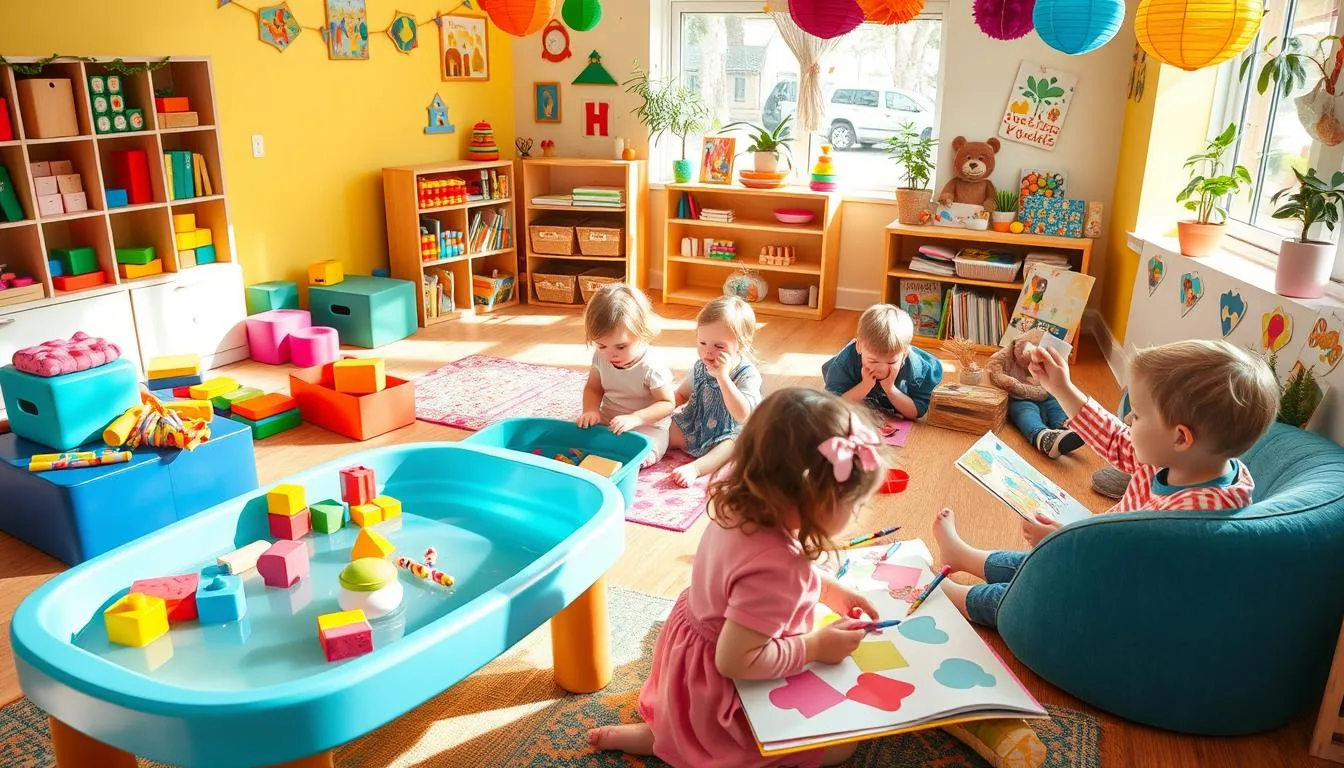
Inspiring Things to Do with 2 Year Olds Activities Guide
When your little one turns 2, they start to explore the world with curiosity and energy. Things to do with 2 year olds include finding fun and educational activities that help with their growth and meet their interests.
There are many activities to choose from, like arts and crafts, sensory play, and storytelling. These activities help with physical, cognitive, and social skills. This guide will give you lots of ideas to enjoy this special time with your child.
Key Takeaways
- Toddlers (18 months – 4 years) experience significant developmental strides, including language bursts, interest in pretend play, and improved gross motor skills.
- Activities for this age group should focus on filling emotional, mental, and physical needs, including everyday tasks, obstacle courses, board books, and fine motor skill activities.
- For 2-year-olds, activities should include building with blocks, reading together, fort construction, and independent play with puzzles.
- Emphasis on developmental milestones and learning processes within the activities can provide engaging and enriching experiences for toddlers.
- Incorporating everyday routines like bath time into fun and interactive play can make activities more accessible and enjoyable for both parents and toddlers.
Table of Contents
Engaging Indoor Activities for 2 Year Olds
When it’s too cold to go outside, there are still lots of fun things to do indoors. You can try arts and crafts, sensory play, and interactive storytime. These activities will keep your toddler learning and having fun.
Creative Arts and Crafts
Let your 2-year-old show off their creativity with simple arts and crafts. They can paint with washable watercolors, draw their body on paper, or make cards with alphabet stamps. These activities help them learn and improve their fine motor skills.
Sensory Play Ideas
Sensory play is key for 2-year-olds. It helps them use their senses and think creatively. You can set up a water table, a color sorting station, or a sensory bin with different textures. These activities are great for exploring and learning.
Storytime Techniques
Reading interactive books is a great way to bond with your child. Ask them to point out things in the book or act out parts of the story. This makes reading fun and helps them learn to focus.
Offering a variety of indoor activities can really enrich your child’s life. With a bit of creativity, your home can become a place of learning and fun.
Outdoor Adventures for Toddlers
Outdoor activities are great for your 2-year-old. They help with their growth and development. You can enjoy nature walks and playground fun together.
Nature Walks and Exploration
Start nature walks with your toddler. Let them collect leaves and watch insects. They can also enjoy the sounds of nature. According to a study on HealthyChildren.org, children who engage in outdoor activities show improved learning outcomes and more positive behavior.
Playground Fun and Safety
Playgrounds are perfect for toddlers. Choose equipment that’s right for their age and safe. Outdoor play for 2-year-olds leads to better motor development and reduced risks of obesity and myopia.
Gardening with Your Little One
Get your toddler into gardening. They can water plants and dig in the soil. Children benefit from engaging in messy sensory play with mud as it enhances sensory perception and introduces them to different textures.
These activities help your toddler grow physically and learn about nature. They also improve their senses and connection with the outdoors. Start exploring the great outdoors with your toddler today.
Educational Activities for Early Learning
When your 2-year-old starts learning, it’s key to offer fun games that spark their curiosity. These games help lay the groundwork for a love of learning that lasts. You can try simple science experiments or games that teach numbers and letters.
Simple Science Experiments
Help your toddler’s scientific curiosity grow with easy experiments. Try mixing colors to see new shades or watch objects sink and float. These activities not only grab their attention but also prepare them for science later on.
Introduction to Numbers and Letters
Start teaching numbers with songs, games, and hands-on fun. Help your child spot letters in their name or around them. Activities like matching letters, sorting, and making simple words build a strong literacy base.
Keep learning fun and interactive for 2-year-olds. By encouraging their curiosity, you’ll help them succeed in school for years to come.
Music and Movement Games
Music and movement activities are great for toddlers. They help develop skills and create a love for music early on. These activities also improve physical, language, communication, and social skills.
Sing-Along Songs for Kids
Encourage your toddler to sing along with songs like “The Wheels on the Bus” or “The Eensy Weensy Spider.” Singing together boosts language skills and confidence. Adding simple movements or gestures makes it more fun.
Dance Activities to Enjoy Together
Enjoy dance activities with your toddler. Try animal movements or simple choreography. Dance games for 2 year olds like “Dance Like an Animal” or “The Hokey Pokey” improve gross motor skills and coordination. Exploring different musical moods helps your child understand music and emotions.
| Activity | Benefits |
|---|---|
| Musical Statues | Spatial intelligence, rhythm, and beat movement |
| Dancing with Props | Sharing, quick movement, and self-expression |
| Follow the (Musical) Leader | Social and communication skills |
| Rhythm Sticks | Rhythm, beat-matching, and spatial awareness |
Remember, toddler music activities that mix music and movement are good for your child. They help with cognitive, physical, and social-emotional growth. Enjoy gross motor skills activities and make memories through music and dance.
Imaginative and Pretend Play
Encouraging imaginative play is key for your 2-year-old’s growth. It boosts creativity, helps with language, social skills, and understanding feelings.
Role-Playing Scenarios
Let your child try out different roles and stories through pretend play. They might like to play house, be a doctor, or run a pretend restaurant. These games help them understand the world and feel empathy.
- Art and craft help toddlers learn about new textures, shapes, and colors. It also improves their fine motor skills.
- Music and singing help with word use, memory, and dealing with feelings.
- Drama lets toddlers mimic what they see and feel, building empathy.
- Dance lets them explore feelings, their body, and the world through movement.
DIY Play Spaces at Home
Creating DIY play areas at home boosts your toddler’s creativity and independence. Think about making a cardboard box fort or a pretend kitchen. These spaces encourage creativity, problem-solving, and language skills.
| Age | Developmental Milestones in Pretend Play |
|---|---|
| 8 months | Children start exploring symbolic play |
| 18 months | Children begin combining objects in play |
| 36 months | Pretend play activities become more structured and sequential |
Through various pretend play activities, your 2-year-old can develop important skills. They can express feelings and learn about the world in a fun, imaginative way.
Crafting a Routine: Daily Activities
Creating a daily routine is key for toddlers. It makes them feel safe and teaches them about time. By adding toddler daily routines to your family’s plan, you help your child grow and develop.
Incorporating Chores into Play
Make chores fun for your two-year-old. For example, they can sort laundry by color or help set the table. These tasks teach them responsibility and make them feel proud of their work.
Establishing Healthy Habits
Teaching healthy habits for toddlers can be fun. Sing while brushing teeth or make handwashing a game. Present new foods in a fun way to encourage trying new things.
| Age Group | Sleep Needs (per day) |
|---|---|
| 4-12 months | 12-16 hours |
| 1-2 years | 11-14 hours |
| 3-5 years | 10-13 hours |
By setting a routine and adding toddler daily routines, chores for 2 year olds, and healthy habits for toddlers, you create a fun and structured space. This supports your child’s growth and independence.
“Consistency in nap times and bedtime routines assists children in winding down for sleep smoothly.”
- Maintain a balanced schedule with regular mealtimes, snacks, and naps
- Incorporate educational and play-based activities throughout the day
- Communicate the daily routine with family members and caregivers for consistency
- Be flexible and adapt the routine as your toddler’s needs and interests change
Seasonal Activities for Year-Round Fun
As the seasons change, so do the fun activities you can do with your little one. You can splash in summer or make cozy crafts in winter. There’s always something new to try. Enjoy the changing seasons with your 2-year-old and have fun learning and bonding together.
Summer Outdoor Games
When it’s warm outside, get outside with your toddler. Summer games for 2 year olds include playing with water. You can run through sprinklers or play with water balloons.
Pack a picnic and go on a nature scavenger hunt at the park. Or let your child’s imagination run wild in the backyard.
Winter Crafts and Indoor Activities
When it gets cold, bring the fun inside with winter crafts for toddlers. Make paper snowflakes, build an indoor obstacle course, or create a cozy fort for pretend snow play with shaving cream.
These seasonal activities for toddlers are fun and teach about weather and seasons.
| Seasonal Activity | Benefits | Engagement Level |
|---|---|---|
| Water Balloon Toss | Gross motor skills, hand-eye coordination | High |
| Nature Scavenger Hunt | Exploration, problem-solving, language development | Moderate |
| Paper Snowflake Making | Fine motor skills, creativity, cognitive development | Moderate |
| Indoor Obstacle Course | Gross motor skills, problem-solving, spatial awareness | High |
By trying different seasonal activities for toddlers, you help your child grow and make memories all year.
“Embracing the seasons and engaging in a variety of activities not only keeps young children entertained but also supports their overall development in meaningful ways.”
Technology and Screen Time Management
Being a parent of a 2-year-old means finding the right balance with technology. It’s key to limit screen time but use educational apps wisely. These apps should teach colors, shapes, and counting in fun ways.
The American Academy of Pediatrics suggests no screen time for kids under two, except for video calls. But, in small amounts, technology can help your child learn. It’s all about mixing screen time with lots of play and hands-on activities.
Educational Apps for Toddlers
Choosing the right educational apps for 2-year-olds can be tough. Look for apps that spark creativity and problem-solving. Apps that let your child create stories or explore virtual worlds are great.
Balancing Screen Time with Play
Technology is useful, but it shouldn’t take over your child’s learning. Limit screen time to 20-30 minutes a day for your 2-year-old. Make sure they have lots of time for play, games, and being outside.
When setting screen time rules, start with a test period. This helps you see how it affects your child. Children might not like the change at first, but they’ll get used to it in a few days if you stick to it.
By mixing technology and play, your 2-year-old can learn to use digital devices well. This way, they can keep exploring and learning without screens taking over. With the right balance, screen time can actually help your child grow and learn more.
Tips for Engaging with Your 2 Year Old
Engaging with your 2-year-old means understanding their unique behavior and creating a safe space. Toddlers at this age are learning to be independent and may test limits. This can sometimes make parents feel overwhelmed.
By recognizing these milestones and being patient and enthusiastic, you can create a positive learning space. This also strengthens your bond with your little one.
Understanding Toddler Behavior
Two-year-olds often have big emotions and want to be independent. This can show in challenging behaviors. Remember, this is a natural part of their growth.
By keeping your expectations realistic and responding with empathy, you help your toddler manage their feelings. This way, they learn important social and emotional skills.
Creating a Safe Environment for Play
Creating a safe and stimulating play area is key for your 2-year-old. Childproof your home by securing hazardous items and setting up play areas. Always supervise their activities.
This lets your toddler play independently and safely. Get down to their level, use simple language, and show excitement for their discoveries. This approach helps create a positive learning environment and strengthens your bond.
FAQ
What are some fun indoor activities for 2-year-olds?
Indoor fun for 2-year-olds should spark creativity and curiosity. Try watercolor painting, tracing their body, or using stamps for arts and crafts. For sensory play, use water with floating objects, sponge shapes, and color sorting.
Storytime can be interactive. Ask toddlers to point to objects in books or act out the story. This makes learning fun and engaging.
What are good outdoor activities for toddlers?
Outdoor fun for toddlers includes nature walks, playground visits, and gardening. Nature walks can be about collecting leaves or watching insects. Playgrounds should have safe, age-appropriate equipment.
Gardening lets toddlers water plants or dig in soil. These activities improve gross motor skills, teach about nature, and offer sensory experiences.
What kind of educational activities can I do with my 2-year-old?
Learning should be fun and interactive for 2-year-olds. Simple science experiments, like mixing colors or watching objects float, are great. Counting songs or games help with number recognition.
Letter recognition can be taught by matching shapes or finding letters in everyday things. These activities prepare them for future learning and keep them interested.
How can I incorporate music and movement into play?
Music and movement games boost gross motor skills and rhythm. Sing songs like “The Wheels on the Bus” or “The Eensy Weensy Spider” to teach language. Dance activities, like mimicking animals or simple choreography, are also great.
These activities help with physical development, language, and social skills. They make learning fun and engaging.
What are some ways to encourage imaginative play in 2-year-olds?
Imaginative play is vital for 2-year-olds’ cognitive growth. Try role-playing scenarios like playing house, doctor, or restaurant. Creating DIY play spaces at home, like a cardboard box fort or pretend kitchen, is also beneficial.
These activities boost creativity, language, and social skills. They let toddlers explore different roles and scenarios.
How can I establish a daily routine with my 2-year-old?
A daily routine helps toddlers feel secure and learn time management. Incorporate chores, like sorting laundry or setting the table, into play. This teaches responsibility.
Make healthy habits fun with songs or games. This promotes independence and self-care skills.
What kinds of seasonal activities can I do with my toddler?
Seasonal activities keep toddlers engaged all year. Summer games might include water play, picnics, or nature scavenger hunts. Winter crafts and indoor activities, like making paper snowflakes or indoor obstacle courses, are also fun.
These activities teach about weather and seasons. They offer varied sensory experiences.
How much screen time is appropriate for a 2-year-old?
Limiting screen time is key, but some educational apps can be beneficial. Choose apps that teach colors, shapes, or counting. Balance screen time with physical play.
For 2-year-olds, aim for no more than 20-30 minutes of screen time daily. This ensures hands-on learning and social interaction aren’t neglected.
How can I effectively engage with my 2-year-old during play?
Understanding toddler behavior is crucial for effective engagement. Recognize their need to assert independence and test boundaries. Create a safe environment by childproofing and supervising.
Engage by getting down to their level, using simple language, and showing excitement for their discoveries. This fosters a positive learning environment and strengthens your bond.
Additional Resources
How to Dress Baby for Sleep? The Safe and Cozy Essentials
Dressing your baby for sleep is all about finding the right balance. How to Dress Baby for Sleep? The room should be between 68°F and 72°F (20°C – 22°C) for the best sleep. Dress your baby in one more layer than you would wear in the same room.
Check your baby’s comfort by feeling their chest, neck, back, and tummy. They should feel warm, not hot or sweaty. Overheating is a big risk for Sudden Infant Death Syndrome (SIDS), especially in the first six months. Make sure to avoid loose items like hats, mittens, and hair bows during sleep.
The American Academy of Pediatrics (AAP) says no hats for newborns after the first few hours. They also suggest keeping the room temperature between 68 and 72 degrees Fahrenheit. This helps prevent overheating and lowers SIDS risk.
Key Takeaways
- The ideal room temperature for baby sleep is between 68-72°F (20-22°C).
- Dress your baby in one more layer than what you’re wearing for comfort.
- Avoid loose items or clothing that can pose a safety hazard during sleep.
- Newborns should not wear hats to sleep or indoors after the first few hours of life.
- Overheating is a serious risk factor for SIDS, especially in the first six months.
Table of Contents
Understanding Your Baby’s Sleep Needs
Dressing your newborn for bedtime is a big responsibility. The room temperature is key to their comfort and sleep. It should be between 68°F and 72°F (20°C to 22°C). A warm core and no flushed cheeks mean they’re cozy.
The Importance of Temperature for Sleep
Keeping your baby’s room at the right temperature is vital. It helps prevent SUDI, SIDS, and fatal sleep accidents. Babies lose heat from their heads and faces, so keep them uncovered. Adjust their clothes to match the room temperature for a comfortable sleep.
Signs Your Baby Is Comfortable
It’s crucial to check if your baby is comfortable while sleeping. Look for a warm core and no flushed cheeks. These signs mean they’re cozy and their sleep space is perfect.
How Sleep Needs Change Over Time
- Newborns (0-3 months) sleep about 14 to 17 hours a day in short intervals.
- Infants (3-6 months) need 12 to 15 hours of sleep per day, with longer stretches at night.
- Older infants (6-12 months) require about 11 to 15 hours of sleep daily, mainly at night.
- Toddlers (1-3 years) sleep for 11 to 14 hours a day, with one or two naps.
As your baby grows, their sleep needs change. Adjust their sleep routines and clothes to meet these changes. This ensures a cozy and safe sleep environment for their growth.

Choosing the Right Sleepwear
When it comes to your baby’s sleep, picking the right sleepwear is key. You have many options, from breathable sleep sacks to cozy swaddle blankets. These choices help keep your baby comfortable and safe all night long.
Types of Sleepwear Options Available
Baby sleepwear comes in many styles, like gowns, footed sleepers, onesies, swaddles, and sleep sacks. Each style has its own benefits. It’s important to think about what your baby needs and likes when choosing.
Materials to Consider for Comfort
The material of your baby’s sleepwear is very important for comfort. Muslin, jersey knit, fleece, and polyester are popular choices. Look for soft and breathable materials to keep your baby cozy and happy all night.
Sizes and Fit: Finding the Right One
Finding the right fit is key for safety and comfort. Check size charts carefully and choose clothes that fit well. Also, consider the TOG rating to make sure your baby is dressed right for the room’s temperature.
For your baby to sleep well, they need comfortable and safe sleepwear. Stay away from clothes with strings or ties. Choose simple designs for easy diaper changes. The right sleepwear helps your baby sleep soundly and peacefully.
“About 80% of the team at Monica + Andy consists of moms who have experience dressing their own babies.”
Layering for Optimal Comfort
Dressing your baby for sleep is all about layering. You need to match their clothes to the room’s temperature. This keeps them comfortable and helps them sleep well.
How to Layer Appropriately
The room should be between 68°F and 72°F (20°C to 22°C) for your baby’s sleep. If it’s warmer, like 80°F (27°C), a diaper or a light 0.25 TOG sleep bag is enough. For cooler rooms, a 1.0 TOG sleep bag over a diaper and/or sleeper is better.
As it gets colder, add more layers. A 3.5 TOG sleep bag over a warm sleeper works at 50°F to 61°F (10°C to 16°C). For really cold, use a 4.0 TOG sleep bag over a sleeper.
Benefits of Sleep Sacks and Swaddles
Sleep sacks and swaddles are great for keeping babies warm without loose blankets. They help keep your baby’s body temperature right and prevent them from getting tangled. Swaddling, especially in the early months, can make your baby feel safe and cozy.
When to Add or Remove Layers
Always check your baby’s skin for signs of being too hot or cold. Look for sweating, damp hair, flushed cheeks, heat rash, and rapid breathing if they’re too warm. Clammy skin and shivering mean they’re too cold. Change the layers to keep them comfortable and safe.
Stop swaddling when your baby tries to roll over, usually around 2 months. This is to avoid suffocation risks.
Promoting Safe Sleep Practices
Keeping your baby safe while they sleep is very important. To do this, follow the ABCs of safe sleep: Alone, on their Back, in a Crib. This helps lower the risk of sudden infant death syndrome (SIDS) and other dangers.
Following the ABCs of Safe Sleep
Babies should sleep alone, without loose bedding, toys, or objects. They should lie on their back to reduce SIDS risk. And, they should sleep in a crib or approved, flat, firm surface without soft materials or pillows.
Choosing Recommended Sleepwear
Choose temperature-appropriate sleepwear for your baby, as advised by pediatricians. Avoid loose or bulky clothes that could suffocate them. Also, don’t use weighted swaddles or sleep sacks, as they’re unsafe for infants.
Checking for Potential Hazards
Check your baby’s safe sleepwear for infants often for loose buttons or small parts that could choke them. Make sure the sleep area is free of soft bedding, toys, or items that could cover their face and block breathing.
“The American Academy of Pediatrics advises against the use of weighted swaddles, sleep sacks, and blankets, as they can increase the risk of suffocation and overheating.”
By sticking to these safe sleep practices and picking the right temperature-appropriate sleepwear, you can make a safe and cozy sleep space for your baby.

Dressing Babies for Different Seasons
As the seasons change, it’s important to adjust your baby’s sleepwear. This ensures their comfort and safety at night. Whether it’s winter’s warmth or summer’s coolness, finding the right layers is key for restful sleep.
Winter Sleepwear Essentials
In the colder months, choose snuggly fabrics like fleece or thermal materials. Opt for pajamas with long sleeves and legs. Consider a warmer sleep sack or wearable blanket with a 2 to 2.5 TOG rating.
For temperatures under 60°F, add mittens, socks, and a long-sleeved onesie. This provides extra insulation.
Summer Sleepwear Guidelines
In warmer weather, switch to lighter, breathable fabrics. Choose short-sleeved or sleeveless pajamas made from natural fibers like organic cotton. A sleep sack with a 1.2 or less TOG rating is best for temperatures between 68-72°F.
Transitioning Between Seasons
When the weather changes, gradually adjust your baby’s sleepwear. In the fall, add layers like long-sleeved onesies or thicker sleep sacks. In the spring, remove excess layers to prevent overheating.
Always watch your baby’s comfort and adjust as needed. This ensures a peaceful night’s sleep.
The ideal room temperature for a baby’s sleep is 16-20°C (61-68°F), as sleep experts recommend. Dressing your little one in the right fabrics and layers keeps them cozy, comfortable, and safe all year.
Understanding Sleep Environment Factors
Creating a cozy and safe sleep area is key for your baby’s rest. Knowing about room temperature, the right tools, and a peaceful space helps your baby sleep well at night.
The Role of Room Temperature
Keeping the room at the right temperature is vital for your baby’s sleep. The American Academy of Pediatrics suggests a temperature of 68-72°F for comfort. Premature or low-birth-weight babies need this temperature to stay warm.
Just a small drop in skin temperature can increase oxygen use by 10% for these babies.
Using Humidifiers and Other Tools
Using a humidifier can make the air moist and comfy. Dry air can bother your baby’s skin and breathing, making it hard to sleep. White noise machines also help by blocking out sounds and creating a womb-like environment.
Creating a Dark and Quiet Space
Darkness and quiet are crucial for your baby’s sleep. Use blackout curtains or blinds to block light. White noise machines can add a calming sound. Avoid placing the crib near air vents for comfort.
Try calming scents like lavender or chamomile to make the sleep space even better.
Understanding temperature, using helpful tools, and making a peaceful sleep area are important. They help your baby sleep better, supporting their growth and development.
Safety Tips for Dressing Your Baby
We all want our babies to be cozy and safe while they sleep. It’s important to watch out for safety risks when dressing them for bed. Following safe sleepwear practices can stop accidents and help your baby sleep well.
Common Mistakes to Avoid
One big mistake is dressing your baby too warmly. The American Academy of Pediatrics says to dress them in one layer more than you wear. Don’t use loose blankets, as they can be dangerous. Also, never put hats on sleeping babies to avoid overheating.
Safe Fabric Choices
Choose lightweight, breathable fabrics like cotton or bamboo for your baby’s sleepwear. These materials keep your baby’s body temperature right and prevent irritation. Stay away from synthetic fabrics that can make your baby too hot. Make sure the sleepwear fits snugly but not too tight.
When to Seek Advice from Experts
If you’re not sure about your baby’s sleepwear or their sleep comfort, ask your pediatrician. They can help with what clothes are safe, room temperature, and more for safe sleep. Also, talk to a sleep specialist if your baby keeps waking up or seems uncomfortable.
Creating a safe and comfy sleep space for your baby is key for their growth and health. By following these tips and being careful, you can help your baby sleep peacefully.
Monitoring Baby’s Comfort During Sleep
Keeping your baby comfortable while they sleep is key for their health and growth. Watch their temperature and look for signs of discomfort. This helps you adjust their sleepwear and create a cozy sleep space.
How to Check for Overheating
Overheating is a big worry when dressing your baby for sleep. Check their core body temperature by gently touching it. If it’s too warm or sweaty, or if their cheeks are red, they might be too hot.
Also, look for fast or shallow breathing. These signs can mean they’re too warm.
Signs Your Baby Is Uncomfortable
Watch for signs of discomfort besides overheating. Fussiness, a fast heart rate, or heat rash mean they’re not comfortable. If they’re restless or wake up a lot, they might need different baby sleep clothes.
Adjusting Sleepwear as Needed
If your baby is too warm, take off a layer or switch to a lighter sleep sack. If they’re cold, add a layer or use a warmer sleep sack. Always make sure their face is clear and they’re not too hot or cold.
It’s important to keep checking and adjusting your baby’s sleepwear. This helps them stay comfortable and sleep well. By paying attention and making changes, you can keep your baby cozy and happy all night.
Frequently Asked Questions About Dressing Babies
As a new parent, you might wonder how to dress your baby for sleep. Let’s tackle some common questions. This way, your little one will stay safe and cozy while they sleep.
How Many Layers Does My Baby Need?
The number of layers your baby needs depends on the room’s temperature. Dress your baby in one more layer than you would wear in the same room. For instance, if you’re okay with a sweater, your baby might need a onesie and a sleep sack.
Remember, the American Academy of Pediatrics suggests keeping the room between 68 to 72 degrees Fahrenheit. This is for the best sleep conditions.
What Should Babies Wear for Naps?
Dressing your baby for naps is similar to dressing them for nighttime. Think about the room’s temperature and choose the right layers. A onesie, sleep sack, or a lightweight muslin blanket is good.
But, avoid heavy or loose blankets. They can be a safety hazard. The goal is to keep your baby comfortable, not too hot or cold.
Are Sleepsacks Better Than Blankets?
The American Academy of Pediatrics suggests using sleep sacks or wearable blankets for babies under 12 months. Sleep sacks are safer than loose blankets. They prevent suffocation or entanglement risks.
They also keep your baby’s body temperature steady without extra layers. When picking a sleep sack, choose one with a Tog rating that fits the room’s temperature. This ensures your baby is comfortable and safe.
FAQ
How many layers does my baby need for sleep?
The number of layers depends on the room temperature. Generally, your baby needs one more layer than you would wear. For naps, dress your baby like they are sleeping at night, but adjust for the daytime temperature.
What should babies wear for naps?
Dress your baby for naps like they are sleeping at night. Adjust the layers for the daytime temperature. Sleep sacks are safer than loose blankets for babies under 12 months.
Are sleep sacks better than blankets?
Yes, the American Academy of Pediatrics recommends sleep sacks over loose blankets for babies under 12 months. Sleep sacks keep your baby warm without the risk of loose bedding covering their face.
Additional Resources

Why Would a Dog Attack a Sleeping Baby – Pet Safety Tips
Dog attacks on babies are tragic and more common than many think. Why Would a Dog Attack a Sleeping Baby? The Centers for Disease Control and Prevention (CDC) reports that about 4.5 million people in the U.S. get bitten by dogs each year. Kids aged 5 to 9 are especially at risk.
Dogs might attack due to loud noises, sudden movements, or even a baby’s scent. It’s vital to watch over them to prevent dog bites and keep babies safe. Taking care of your dog and following safety steps can help avoid these sad events.
Key Takeaways
- Dog attacks on sleeping babies can happen unexpectedly, often due to a dog’s instincts, lack of socialization, or medical issues.
- Proper supervision, obedience training, and gradual introduction of a baby to a dog are essential to prevent aggressive behavior.
- Recognizing signs of stress in dogs and addressing factors like territoriality and resource guarding can help create a safe environment.
- Consulting with professional trainers or organizations like the American Kennel Club (AKC) can provide valuable resources for pet owners.
- Being proactive and vigilant about dog and baby safety is crucial to avoid tragic incidents.
Table of Contents
Understanding Canine Behavior
To keep your family safe from dog bites, it’s important to know how dogs behave. Dogs have lived with humans for over 12,000 years. Yet, we often don’t understand their motivations and instincts well. Learning about canine psychology helps you manage your dog’s behavior, especially around kids.
The Pack Mentality
Dogs are social animals with a pack mentality. In the wild, they live in groups with roles and responsibilities. At home, they see you and your family as their pack. Knowing this helps you understand their behavior and be the pack leader.
Instincts and Survival
Dogs have instincts from centuries of evolution. These instincts help them survive, like guarding resources and territory. Understanding these instincts can explain why dogs might act aggressively, even to people they know.
Socialization Factors
How a dog is socialized affects its adult behavior. Positive experiences with people and animals help a dog be well-adjusted. But, without socialization or traumatic events, dogs can become fearful, anxious, or aggressive.
| Canine Psychology Concepts | Importance for Dog Behavior |
|---|---|
| Pack Mentality | Establishes the dog’s role within the family hierarchy and influences their interactions with humans |
| Instincts and Survival | Drives behaviors like resource guarding, territorial protection, and response to perceived threats |
| Socialization Factors | Shapes a dog’s temperament and ability to interact safely with people, especially children |

Understanding canine behavior helps you manage your dog’s actions around your family. This knowledge prevents dog bites and creates a safe, harmonious home for everyone.
Common Triggers for Aggression
Aggression in dogs can come from many sources, posing a danger to young kids. Knowing what triggers this behavior is key to keeping your family safe.
Fear and Anxiety
Dogs may get aggressive when they feel scared or anxious. Things like sudden movements or loud noises can upset them. Even being grabbed or poked can make them fearful.
Toddlers or preschoolers getting too close to a resting dog can make the dog feel nervous. This can lead to an attack.
Territory and Resources
Dogs may also get aggressive when they feel their territory or resources are being threatened. This includes their personal space, food, toys, or even their owners. When kids enter the dog’s space or try to take their things, the dog may defend itself.
Pain and Illness
Dogs in pain or discomfort may become more aggressive. Even a gentle touch or being approached by a child can upset them. This is especially true if they’re sick or hurt.
By knowing what triggers aggression in dogs, you can prevent dangerous situations. This helps keep your family safe around your dog.

“A dog bite can have lasting physical and emotional effects on a child, which is why it’s crucial to understand the potential triggers for dog aggression.”
The Role of Breed and Temperament
Dog behavior is shaped by both breed traits and individual temperaments. Some breeds, like pit bulls and mixed breeds, are more likely to bite and cause harm. Mixed German shepherds, Labrador retrievers, and golden retrievers can also show aggression under certain conditions.
Breeds Prone to Aggression
Breed traits can hint at a dog’s behavior, but individual temperaments matter a lot. A study by Wexner Medical Center found pit bulls and mixed breeds at high risk for biting. Yet, not every dog in these breeds will be aggressive.
Individual Temperament Variations
Every dog is different, shaped by early socialization, training, and life experiences. Some breeds, like Great Pyrenees, may guard resources or show aggression between 1 and 3 years old. Knowing your dog’s personality and using positive training can help manage these issues.
| Breed | Aggression Risks | Potential Triggers |
|---|---|---|
| Pit Bull | Highest risk of biting and causing the most damage per bite | Territoriality, resource guarding, fear/anxiety |
| Mixed Breed | Second highest risk of biting and causing the most damage per bite | Unpredictable behavior, potential for inherited aggression traits |
| Great Pyrenees | Prone to resource guarding and behavior issues like aggression between 1-3 years | Protecting possessions, fear/anxiety, lack of early socialization |
The relationship between breed and temperament in dog behavior is complex. Each dog is unique, and understanding their individual traits is key. Proper training, socialization, and knowing your dog’s personality can foster a safe and loving bond.

Signs of Stress in Dogs
It’s important to know the signs of stress in dogs, especially when kids are around. Dogs show stress through body language and sounds. Knowing signs like growling, licking lips, staring, trying to walk away, and whining helps keep everyone safe.
Body Language to Watch For
Dogs communicate through body language. Look out for signs like:
- Ears pulled back
- Tense or stiff body posture
- Whale eye (showing the whites of the eyes)
- Tucked tail
- Panting or yawning without being hot or tired
Petting or hugging a stressed dog can make it even more anxious.
Vocalizations and Behavior Changes
Dogs also show stress through sounds and actions. Watch for:
- Growling or snarling
- Whining or whimpering
- Barking excessively
- Pacing or restlessness
- Urinating or defecating in the house
Spotting these signs helps you know when your dog is stressed. This lets you make a calmer space for them.

By paying attention to your dog’s body language, vocalizations, and behavioral changes, you can catch stress early. This is especially helpful when kids are around, keeping everyone safe and happy.
How to Safeguard Your Baby
Supervision is key to keeping your baby safe around your dog. It’s best to keep them in separate rooms, especially when they sleep. Always keep a door closed between them to avoid accidents.
If they must be in the same room, be extra careful. Be ready to step in if needed to stop any bites.
Supervision is Key
The Dogs Trust says 91% of dog bites to kids happen at home with a familiar dog. Always watch your baby and dog closely when they’re together to prevent accidents.
Creating Safe Spaces
Make sure your baby and dog have their own safe areas. This could be separate rooms or spots where they can safely play and relax together.
Training Your Dog
Teaching your dog good behavior around your baby is crucial. The Dogs Trust offers a virtual masterclass for parents and caregivers. It teaches how to understand your dog’s body language and spot warning signs.
By using positive training, your dog will feel safe and happy around your baby.
To create a safe space for your baby and dog, you need to be proactive. Follow these steps to enjoy having them together while keeping them safe.
The Importance of Socialization
Proper socialization is key to stopping aggressive behavior in dogs. Start early, exposing them to many people, animals, and places. This helps them make good associations and learn social skills.
How to Socialize Your Dog Properly
Start socializing your dog early, between 3-12 weeks. Introduce them to new things slowly and positively. Use treats and praise for good behavior, and don’t force them if they’re uncomfortable.
- Expose your dog to different people, including children, the elderly, and individuals with disabilities.
- Take your dog to various locations, such as parks, pet stores, and public transportation.
- Introduce your dog to other well-socialized pets in a calm and supervised setting.
- Enroll your dog in puppy training classes to help them learn appropriate social skills.
Introducing Your Baby to the Dog
When you bring a new baby home, introduce them to your dog slowly and watch closely. Positive reinforcement during these moments can help your dog and baby get along well.
- Start by having your dog get used to the baby’s scent before the introduction.
- Establish a safe, designated space for the dog and baby to interact, with clear boundaries.
- Reward your dog with treats and praise when they display calm and gentle behavior around the baby.
- Never leave your dog and baby unsupervised, even for a moment, to ensure their safety.
By focusing on socialization and introducing your dog to your baby carefully, you can create a positive and safe bond. This makes your home a happy and enriching place for your family.
Recognizing Dog Body Language
It’s key to understand your dog’s body language to avoid attacks, especially around kids. Dogs send out signals about how they feel and what they plan to do. Spotting these signs early can stop things from getting worse.
Understanding Relaxed vs. Aggressive Signals
When a dog is relaxed and friendly, it shows in its body language. It will have a loose, wiggly body, wag its tail, and have a calm, open mouth. But, if a dog looks stiff, has raised hackles, bares its teeth, or stares intensely, it’s showing aggressive signs.
The Importance of Reading Signs Early
Teaching family, especially kids, about dog body language is vital for safety. Spotting aggressive signals or relaxed signals early lets you act fast. This can stop any early warning signs of aggression before they happen.
| Relaxed Signals | Aggressive Signals |
|---|---|
| Loose, wiggly body posture | Stiff, upright body |
| Wagging tail | Raised hackles |
| Relaxed, open-mouthed expression | Bared teeth, direct staring |
Knowing these dog body language signs and acting quickly can make your home safer for everyone. It’s about creating a safe space for your family and your pet.
“The key to preventing dog attacks is recognizing the early warning signs and taking appropriate action.”
Should You Worry About a Dog’s Reaction?
Keeping pets safe, especially around babies, is very important. A dog’s reaction to a sleeping baby can be hard to predict. Knowing what might cause problems and your dog’s past can help keep your baby safe.
Assessing Situational Risks
Looking at the environment and stressors is key to understanding your dog. Think about your dog’s age, size, and how they act. A survey showed 31% of dog owners said their dog growled or acted aggressively towards a child.
Also, research found that unneutered male dogs were in 70-76% of dog bite cases.
Understanding Your Dog’s History
Your dog’s past and training matter a lot in new situations, like with a baby. A study in Pediatrics found family dogs were in 88.7% of child dog bite cases. Knowing about any past issues or challenges is crucial.
Even calm dogs can act strangely in new situations, like a baby. Being careful and watchful can help keep your child and pet safe.
“According to the Centers for Disease Control and Prevention (CDC), about 4.5 million dog bites occur each year in the United States.”
What to Do After an Incident
If a dog bites your child, the first thing to do is get them medical help. Even small bites can cause serious infections. It’s important to get help right away to avoid bigger problems.
After the child is safe, you must report the dog attack to the police. This helps keep everyone safe by tracking dangerous dogs. Give the police all the details you can about what happened.
Ensuring Medical Attention
When a dog bites, keep the child away from the dog. It’s crucial to get medical help, no matter how small the bite is. Dog bites can quickly turn into serious infections if not treated.
The CDC says about 885,000 people need medical help for dog bites every year. Kids and seniors are most often hurt by dogs.
Reporting the Attack
After making sure the child is okay, report the dog bite to the police. This helps keep the community safe by tracking dangerous dogs. It also warns the dog’s owner of possible legal trouble.
The cost of dog bite injuries has gone up a lot. In 2022, the average cost of a claim was $64,555. This is a 32% increase from the year before.
Reporting the incident quickly is key. It keeps everyone safe and warns the dog’s owner of legal and financial risks.
Training Techniques to Prevent Aggression
To manage dog behavior and stop aggression, you need to act early. Positive reinforcement training and getting help from experts are key.
Positive Reinforcement Strategies
Positive reinforcement is a great way to train dogs. It rewards good behavior, making your dog feel good around kids and babies. This builds trust and a strong bond with your family.
- Reward calm, gentle interactions with treats, praise, and affection.
- Gradually introduce your dog to the presence of children, ensuring positive experiences.
- Teach your dog commands like “leave it” or “go to your mat” to redirect their attention away from potential triggers.
Professional Training Options
For serious behavior problems, professional training is a big help. Places like the American Kennel Club (AKC), Petco’s Dog Training Program, or Cesar Millan’s Dog Psychology Center offer expert advice. They help with dog behavior around babies and kids.
| Training Provider | Specialty | Locations |
|---|---|---|
| American Kennel Club (AKC) | Obedience, Agility, Therapy Dog Training | Nationwide |
| Petco Dog Training | Puppy, Basic, and Advanced Obedience Training | Petco Stores Nationwide |
| Cesar Millan’s Dog Psychology Center | Behavior Modification, Pack Leadership Training | Los Angeles, California |
Using positive reinforcement and getting professional help can stop aggression. This creates a safe, happy home for your family and dog.
Establishing a Routine for Safety
Creating a routine for your dog and baby is key for their safety. Set clear rules and keep things calm. This way, you can lower the chance of accidents.
Consistent Interaction Guidelines
Make sure everyone knows how to interact with your dog and baby. Set rules like:
- No unsupervised interactions between the dog and baby
- No sharing of food or treats between the dog and baby
- Gentle petting and no rough play with the dog
- Respecting the dog’s personal space and boundaries
Tips for Calm, Controlled Environments
Give your dog and baby their own spaces for a stress-free home. Create a “dog zone” and a “baby zone”. This helps keep things calm.
When introducing them, do it slowly and watch closely. Keep your dog happy and active. This can help them stay calm and friendly.
By following a routine and keeping things calm, you ensure your dog and baby’s safety. Focus on positive interactions and avoid conflicts. This is all about proactive management and training.
Resources for Pet Owners
Being a responsible pet owner means having the right resources. This is especially true when it comes to managing your dog’s behavior around babies. Organizations like the Association of Professional Dog Trainers (APDT), Dogs Trust, and The Humane Society are great places to start. They offer lots of information and training materials to help you.
Books and Online Courses
There are many books and online courses that can help you understand your dog better. Titles like “The Puppy Primer” by Patricia McConnell are full of useful information. Online courses from the APDT also offer valuable insights and strategies to keep your baby safe.
Professional Help for Dog Behavior Issues
If your dog’s behavior is causing problems, it might be time to get professional help. A dog behaviorist or trainer can help address issues like anxiety or resource guarding. They can create a training plan that keeps your family safe. Getting professional help is a smart choice for your baby’s safety.
FAQ
Why would a dog attack a sleeping baby?
Dogs might react to loud noises or sudden movements. They could also be triggered by a baby’s scent. Always watch over dogs and babies to prevent bites and keep everyone safe.
What factors contribute to a dog’s aggressive behavior around a baby?
A dog’s pack mentality and survival instincts are key. Socialization also plays a big role. Dogs may bite due to fear, pain, or aggression. Territorial behavior or guarding can also lead to aggression.
What breeds of dogs are more prone to biting and causing damage?
Pit bulls and mixed breed dogs are at high risk of biting. Other breeds like mixed German shepherds, Labrador retrievers, and golden retrievers are also mentioned. But, a dog’s behavior can vary a lot, even within the same breed.
What are the signs of stress or anxiety in dogs that can lead to aggression?
Signs of stress or anxiety in dogs include growling and licking lips. They might stare, try to walk away, or whine. It’s important to recognize these signs, especially when there are children around.
How can I keep my baby safe around a dog?
Always supervise when dogs and babies are together. It’s best to keep them in separate rooms, especially when they’re sleeping. If they must be in the same room, be extra careful and ready to step in if needed.
How can I properly socialize my dog to be safe around a baby?
Start socializing your dog early, exposing them to different people and animals. When introducing a new baby, do it slowly and watch closely. Positive reinforcement during these interactions can help your dog and baby get along well.
What should I do if a dog bite incident occurs?
If a dog bites, separate the child and dog right away. Get medical help for the child, even if the wound seems small. Dog bites can lead to infections. Report the incident to the authorities but don’t punish the dog. Instead, get help from a professional dog behaviorist.
What resources are available to help me learn about dog behavior and safety around babies?
Groups like the Association of Professional Dog Trainers (APDT), Dogs Trust, and The Humane Society offer great resources. You can also find books, online courses, and professional behaviorists for more detailed advice on dog behavior and safety around babies.
Additional Resources