
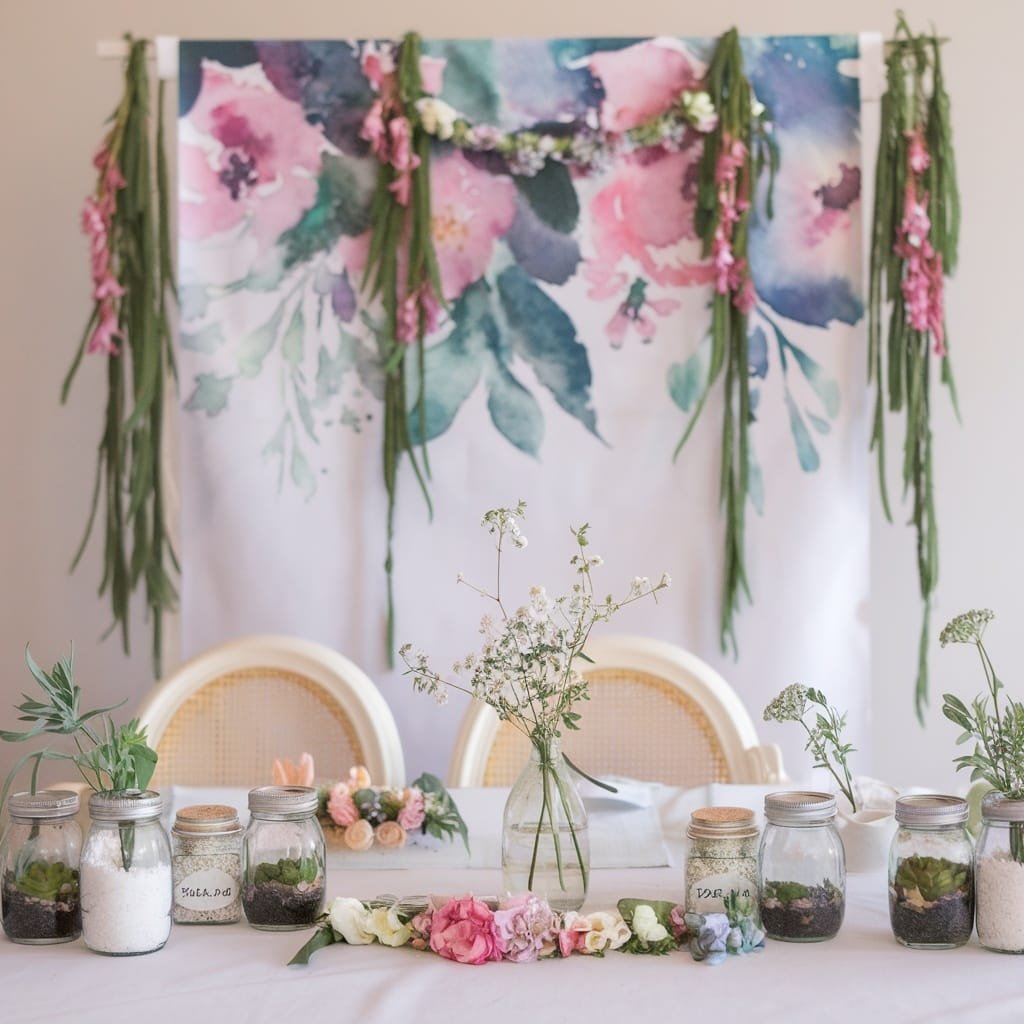
17 Floral Baby Shower Decorations Ideas You Should Try
Have you ever attended a baby shower that felt like stepping into a dreamy garden? Imagine walking into a room where the air smells fresh, and every corner is adorned with beautiful flowers. Wouldn’t it be wonderful to recreate that magic for your own event? If you’re planning a baby shower and want decorations that are both elegant and inviting, then floral-themed ideas might just be what you need. But here’s the question: Why stick to plain old balloons when you can create something truly memorable with Floral Baby Shower Decorations ?
In this guide, we’ll explore 17 floral baby shower decoration ideas that will transform any space into a stunning celebration. Whether you’re hosting a small gathering or a grand affair, these tips will help you craft an unforgettable experience for everyone involved.
Overview
Floral baby shower decorations add charm and personality to any setting, making them perfect for celebrating new life and love. This guide offers step-by-step instructions for creating 17 unique designs, all of which require minimal effort but yield maximum impact. Most projects take under two hours to complete, and many involve beginner-friendly techniques, so even if you’re not crafty, you can still achieve professional results.
The best part? These ideas are versatile enough to suit any budget or theme. From DIY bouquets to printed watercolor backdrops, there’s something here for everyone. So grab your scissors, glue gun, and creativity—it’s time to bloom!
Table of Contents
Essential Ingredients
To bring these 17 floral baby shower decorations to life, you’ll need a few key supplies:
- Fresh Flowers : Roses, peonies, daisies, and baby’s breath work beautifully. Choose colors that match the mom-to-be’s preferences.
- Dried Flowers : For a rustic touch, consider using dried lavender or eucalyptus.
- Decorative Backdrops : Consider purchasing pre-made floral backdrops or printing your own watercolor designs 6.
- Mason Jars : Perfect for holding flower arrangements or crafting personalized favors.
- Epsom Salt & Baking Soda : Combine these ingredients to make scented bath salts as party favors.
- Printable Labels : Add a personal touch by labeling jars or gift bags with custom messages.
- Greenery Sprigs : Use greenery like ferns or ivy for added texture and depth in arrangements.
If fresh flowers aren’t in your budget, artificial blooms or fabric alternatives can save money while maintaining beauty. Don’t forget ribbons, twine, and candles for extra flair!
Step-by-Step Instructions
Idea 1: Sweet Bud Vases Backdrop

Create a stunning focal point with sweet bud vases filled with tiny blossoms. Arrange them on a long table or hang them from strings to form a backdrop. Use varying heights and widths for visual interest.
Tips:
- Place heavier vases at the bottom to prevent tipping.
- Mix real and silk flowers for variety.
Idea 2: DIY Flower Crowns
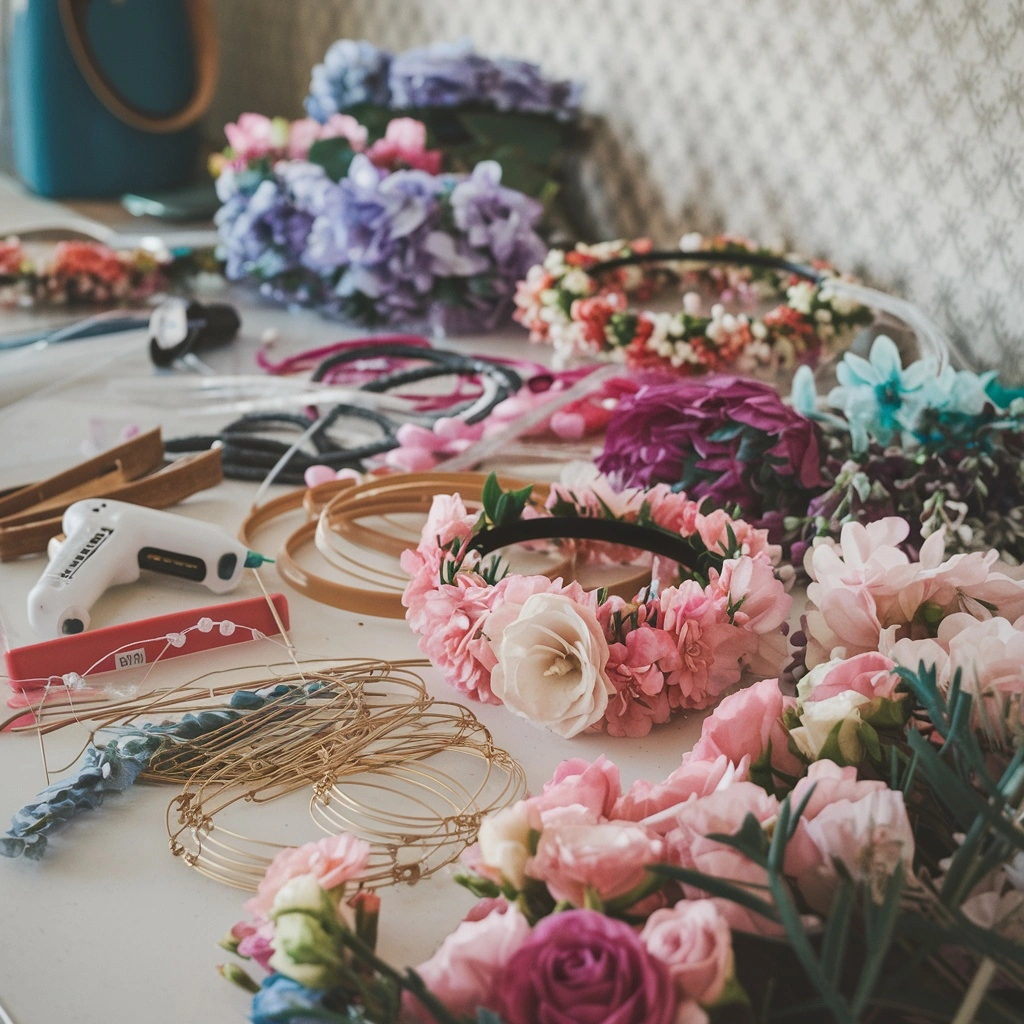
Make flower crowns for guests to wear during photoshoots. Simply attach faux flowers to headbands or wire frames using hot glue.
Tips:
- Test fit each crown before attaching flowers.
- Opt for lightweight materials to ensure comfort.
Idea 3: Scented Bath Salts
Craft aromatic bath salts as favors. Combine Epsom salt, baking soda, and essential oils in mason jars, then tie ribbon around the lids.
Tips:
- Label jars clearly with usage instructions.
- Experiment with different fragrances like cherry blossom or rose.
Idea 4: Watercolor Floral Backdrop

Print or paint a large watercolor floral design onto canvas or paper. Hang it behind the guest of honor for a soft, romantic look.
Tips:
- Use templates or stencils for precision.
- Frame the backdrop with fairy lights for ambiance.
Idea 5: Hanging Greenery Swags

Hang swags of greenery across walls or above tables. Add small clusters of flowers for pops of color.
Tips:
- Secure swags with fishing line or invisible tape.
- Trim excess stems for a polished appearance.
Idea 6: Mason Jar Centerpieces

Fill mason jars with flowers, herbs, or even candy. Tie ribbons or tags around the necks for a personalized touch.
Tips:
- Layer sand or pebbles at the bottom for stability.
- Include a note inside the jar as a keepsake.
Idea 7: Blooming Photo Booth Props

Design photo booth props shaped like flowers, leaves, or stems. Let guests hold them up for playful snapshots.
Tips:
- Use cardstock or foam board for durability.
- Attach sticks or dowels for easy handling.
Idea 8: Floral Garland Table Runner

Weave together flowers, greenery, and ribbon to create a garland-style table runner. Lay it down the center of your dining table for elegance.
Tips:
- Refresh the garland periodically to keep flowers fresh.
- Incorporate seasonal blooms for relevance.
Idea 9: Mini Terrarium Favors

Assemble mini terrariums filled with succulents or moss. Guests can take them home as living souvenirs.
Tips:
- Choose clear glass containers for visibility.
- Provide care instructions for longevity.
Idea 10: Petal Scattered Pathway
Sprinkle petals along walkways or seating areas for a whimsical effect. Use biodegradable options to minimize waste.
Tips:
- Avoid overloading surfaces to prevent slipping.
- Collect petals from local florists or farmers.
Idea 11: Customized Flower Name Tags
Create name tags shaped like flowers or decorated with floral patterns. Pin them onto napkins or place settings.
Tips:
- Use adhesive-backed vinyl for waterproofing.
- Personalize with guest names for added charm.
Idea 12: Flower Pot Cakes
Bake cupcakes or cakes in flower pot molds. Frost them with edible flowers for a delightful dessert.
Tips:
- Chill frosted desserts to set the icing.
- Serve with coordinating plates and utensils.
Idea 13: Floating Flowers in Water Bowls
Fill shallow bowls with water and float flowers on top. Place them strategically around the venue for serene decor 9.
Tips:
- Use sturdy blooms like roses or lilies.
- Ensure bowls are stable to avoid spills.
Idea 14: Ribbon-Wrapped Chairs
Wrap chair backs with wide ribbons and tie bows. Tuck in small sprigs of greenery or flowers for detail.
Tips:
- Choose ribbons that complement your color scheme.
- Secure bows tightly to avoid unraveling.
Idea 15: Floral Wreath Signage
Craft wreaths out of flowers or greenery and use them as signage for food stations, gift tables, or entrances.
Tips:
- Attach signs with pushpins or hot glue.
- Balance heavy elements evenly around the wreath.
Idea 16: Themed Gift Bags
Package gifts in themed bags adorned with floral tissue paper, stickers, or stamps.
Tips:
- Coordinate bag colors with overall decor.
- Include handwritten notes for sentimentality.
Idea 17: Live Plant Centerpieces
Use potted plants as centerpieces that guests can take home after the event. Succulents, ferns, or small trees work well.
Tips:
- Place pots on saucers to protect surfaces.
- Offer care tips to encourage plant survival.
Assembly
Once you’ve gathered all your materials, it’s time to assemble your decorations. Here’s how:
- Start with the Focal Point : Set up your main backdrop first—it sets the tone for the entire event. A floral arch or garland wall works wonders 2.
- Add Table Decorations : Place centerpieces strategically along tables. Use tall vases for height and shorter ones for intimacy.
- Personalize Favor Stations : Fill baskets or stands with handmade gifts like scented salts or mini succulents 8.
- Final Touches : Hang string lights or lanterns for ambiance, and scatter petals across seating areas for extra charm.
For presentation, remember symmetry isn’t always necessary. Sometimes asymmetrical arrangements look more natural and inviting.
Storage and Make-Ahead Tips
Planning ahead ensures stress-free execution on the day of the shower. Store delicate items like fresh flowers in cool environments until setup time. Artificial decorations can be stored flat in boxes or hung on racks to avoid crushing.
When preparing favors like bath salts, package them several days in advance but keep them sealed tightly to preserve freshness. Reheat components only apply to edible treats; otherwise, most decorations won’t require reheating.
Recipe Variations
Feel free to adapt these ideas based on your needs:
- Seasonal Themes : Incorporate seasonal elements like pumpkins in autumn or poinsettias in winter.
- Color Palettes : Swap traditional pastels for bold hues like blush pink, gold, and green.
- Interactive Elements : Set up a DIY station where guests can create their own flower arrangements or crafts.
FAQ
Q: How far in advance should I start preparing my baby shower decorations?
Begin shopping for essentials about two weeks prior to the event. Assemble non-perishable items earlier, but finalize fresh florals closer to the date.
Q: Are there health benefits associated with using certain materials?
Yes! Using natural products like dried herbs or organic salts promotes relaxation and well-being among guests.
Q: Can I reuse some of these decorations for other events?
Absolutely! Many floral pieces, especially artificial ones, can last through multiple celebrations with proper care With these tips and tricks, you’re ready to host a breathtaking baby shower filled with flair and finesse. Happy decorating!
Conclusion
There you have it—17 floral baby shower decoration ideas that promise to make your event shine. Whether you choose one idea or combine multiple concepts, the goal is to celebrate new beginnings with style and warmth. So roll up your sleeves, let your imagination run wild, and enjoy the process of bringing these visions to life. After all, the joy lies in the journey!

Toddler Easter Basket Ideas 5 Fun Ways to Fill Their Baskets
Have you ever wondered why Easter baskets for toddlers are often filled with the same old candies and toys year after year? Isn’t it time to shake things up and create something truly memorable for your little one this Easter? If you’re looking for fresh, exciting ideas that go beyond the usual chocolate eggs and plastic trinkets, you’ve come to the right place. Today, we’re diving into seven fun ways to fill a Toddler Easter Basket that will not only delight but also inspire and educate your child.
Table of Contents
Toddler Easter Basket
Creating the perfect Toddler Easter Basket doesn’t have to be stressful or complicated. With just a bit of creativity and planning, you can craft an Easter basket that’s both special and meaningful. This guide is designed to help you put together a basket in under an hour, with items that cater to different interests and developmental stages. The best part? It’s easy enough for even beginners to follow, ensuring your toddler has an unforgettable Easter experience without breaking the bank.
Essential Ingredients
Before we dive into the steps, let’s talk about what makes a great Toddler Easter Basket . Here are some key components:


- Books : Choose age-appropriate storybooks that align with Easter themes or focus on values like kindness and sharing. For example, consider adding a Little Golden Book about Jesus or springtime adventures .
- Toys & Games : Small games or educational toys can keep your toddler entertained long after Easter Sunday. Think wooden counting toys, sensory sorting sets, or musical egg shakers .
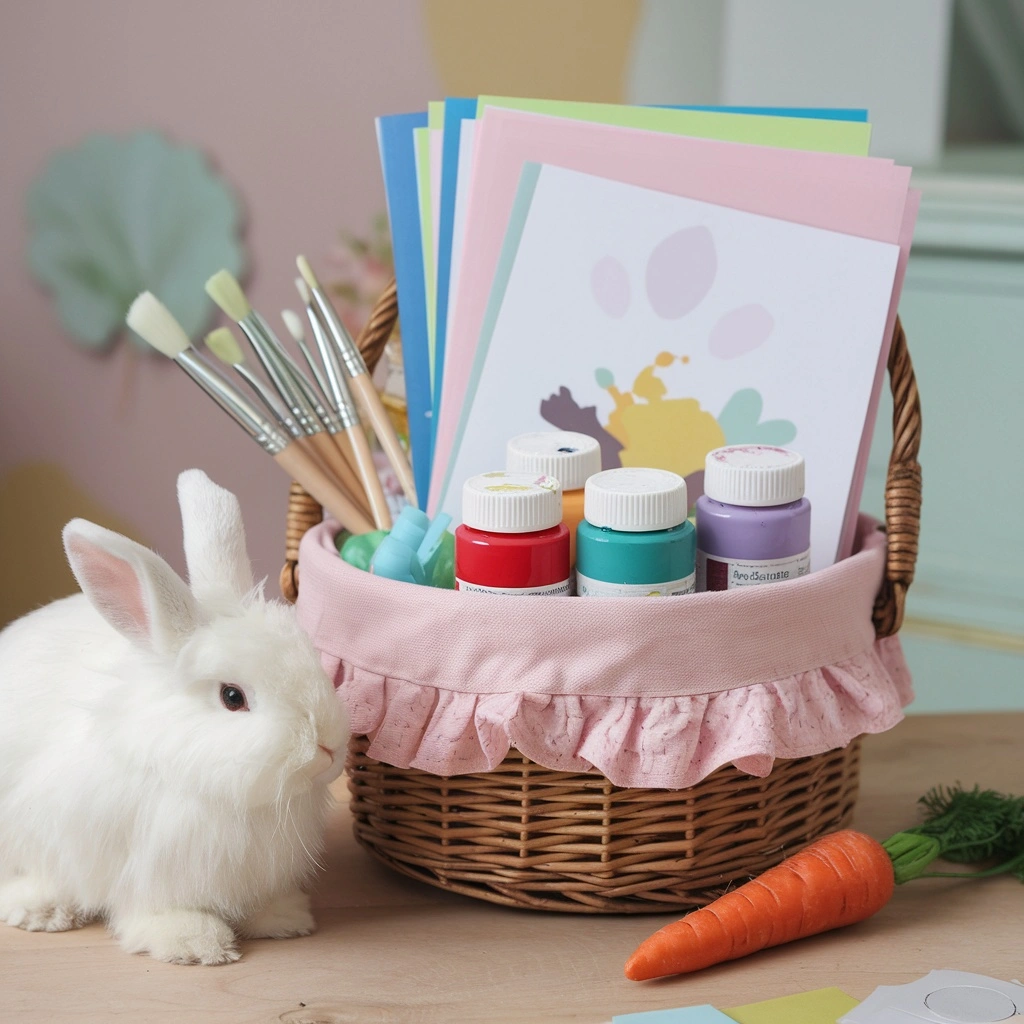
- Craft Supplies : Encourage creativity by including craft paint, brushes, and paper. These supplies allow your toddler to express themselves while developing fine motor skills .
- Snacks : Healthy snacks like organic veggie puffs or gummies shaped like peas and carrots add a tasty touch to the basket 4. Don’t forget to include some candy if your toddler enjoys sweets!
- Practical Items : Consider practical gifts such as new socks, pajamas, or even a small blanket—these make thoughtful additions that won’t clutter your home later.
If you want to switch things up, try substituting traditional plastic eggs with biodegradable ones or swap out sugary treats for healthier alternatives like fruit leathers or trail mix.
Step-by-Step Instructions
Now that you know the essentials, here’s how to assemble your Toddler Easter Basket step by step:
- Start with a Cute Container : Begin by selecting a charming basket or container. You could use a classic wicker basket, a personalized DIY peg basket , or even a repurposed plastic cup wrapped in pastel yarn Make sure it’s sturdy enough to hold all the goodies inside.
- Add Something Sweet : Place one or two statement pieces of candy or chocolate at the bottom of the basket. This acts as the foundation and adds excitement when your toddler opens their gift .
- Layer with Toys and Books : Next, layer in the toys and books. Arrange them neatly so they stand out but still leave room for other items. A well-placed book or toy can serve as the centerpiece of your basket.
- Include Craft Materials : Tuck craft supplies around the edges or between larger items. Use tissue paper or shredded filler to cushion these delicate objects and prevent movement during transport.
- Finish with Snacks and Practical Gifts : Lastly, fill any remaining space with snacks and practical items. Ensure everything fits snugly but isn’t overcrowded, allowing each item to shine.
Assembly Tips
When assembling your Toddler Easter Basket , presentation matters! Wrap individual items in colorful cellophane or tie ribbons around them for added flair. To maximize visual appeal, alternate colors and textures throughout the basket. Remember, symmetry isn’t necessary; sometimes a slightly chaotic arrangement looks more playful and inviting.
Storage and Make-Ahead Tips
Once your Toddler Easter Basket is complete, store it in a cool, dry place until Easter morning. If you’re preparing baskets ahead of time, wrap them securely in plastic wrap or place them in sealed bags to protect against dust and moisture. For perishable snacks, prepare those closer to the event date to ensure freshness.
Recipe Variations
Feeling adventurous? Here are a few creative twists on the classic Toddler Easter Basket :
- Themed Baskets : Create a farm-themed basket with stuffed animals, mini tractor replicas, and animal crackers. Or opt for a beach theme featuring sand molds, seashells, and sunscreen sticks.
- Educational Focus : Fill the basket with puzzles, alphabet blocks, and learning flashcards to promote cognitive development.
- Outdoor Adventure Kit : Pack binoculars, a magnifying glass, and a picnic blanket for a day of outdoor exploration.
FAQs
Q: Can I make my Toddler Easter Basket eco-friendly?
Absolutely! Opt for reusable containers, biodegradable materials, and sustainable products whenever possible. Swap plastic eggs for wooden ones and replace single-use plastics with durable alternatives 8.
Q: How far in advance can I prepare the basket?
You can prepare non-perishable items weeks ahead of time, but save perishable snacks for the last few days leading up to Easter 9.
Q: Are there health benefits to using specific fillers?
Yes! Incorporating healthy snacks like organic veggie puffs or fruit-based treats ensures your toddler gets a nutritional boost alongside the fun 4. Additionally, craft supplies and educational toys foster cognitive and physical development.
Conclusion
There you have it—seven fun ways to fill a Toddler Easter Basket that’s as unique as your child. Whether you choose to stick with tried-and-true classics or experiment with innovative ideas, the key is to tailor the contents to your toddler’s personality and preferences. So gather your materials, unleash your creativity, and get ready to watch your little one’s face light up with joy this Easter!
With these tips and tricks, you’re all set to create a Toddler Easter Basket that’s as delightful as it is meaningful. Happy crafting, and enjoy the magic of Easter with your family!
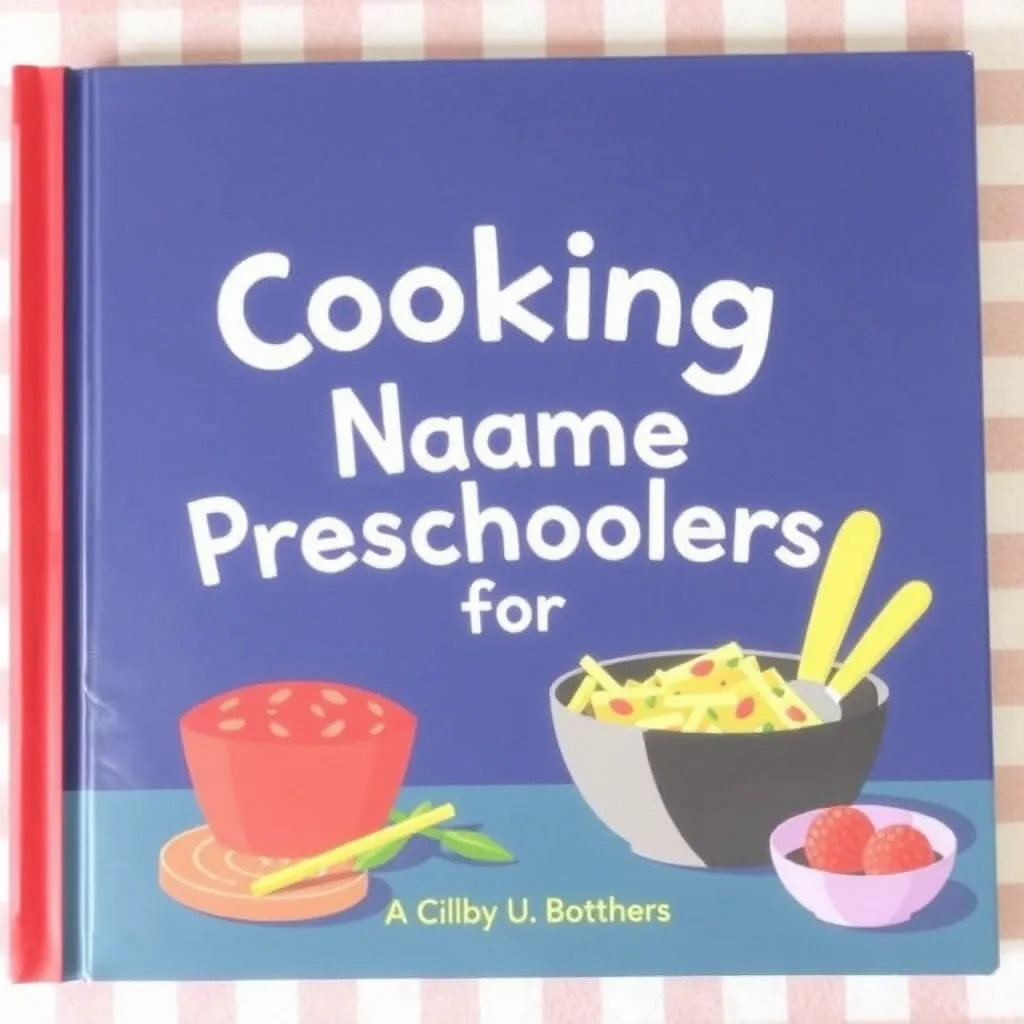
How to Choose a Cooking Name for Preschoolers Book!
Are you looking for a fun and engaging way to introduce your little ones to the world of cooking? A cooking name for preschoolers book is the perfect solution! These books are designed to make cooking a delightful and educational experience for young children. Whether you’re a parent, teacher, or caregiver, these resources will help you and your preschoolers create delicious meals together while learning valuable skills.
Table of Contents
Key Takeaways
- Cooking name for preschoolers book introduces kids to basic cooking techniques and ingredients.
- These books often include colorful illustrations and simple recipes to keep young chefs engaged.
- Montessori-inspired toddler cookbooks focus on hands-on learning and independence.
- Using a recipe book for toddlers can enhance fine motor skills and cognitive development.
- Many best toddler recipe books offer tips for parents and caregivers to make cooking safe and enjoyable.
Why Choose a Cooking Name for Preschoolers Book?
Introducing your preschooler to cooking through a cooking name for preschoolers book offers numerous benefits. Here are some reasons why these books are a great choice:
1. Educational Value
Cooking is a practical and fun way to teach various skills to young children. A cooking name for preschoolers book can help your child learn about:
- Math: Measuring ingredients and counting steps.
- Science: Understanding how ingredients change when cooked.
- Reading: Following simple recipes and recognizing words.
- Language: Expanding vocabulary related to food and cooking.
2. Sensory Exploration
Cooking engages all five senses. Your child can:
- See the colors and textures of different ingredients.
- Smell the aromas of spices and herbs.
- Taste the flavors of the dishes they prepare.
- Touch the textures of dough and vegetables.
- Hear the sounds of sizzling and bubbling.
3. Independence and Confidence
Montessori-inspired toddler cookbooks encourage children to take an active role in the kitchen. By following simple recipes and completing tasks independently, your child will gain confidence and a sense of accomplishment.
4. Family Bonding
Cooking together is a wonderful way to spend quality time with your child. A cooking name for preschoolers book provides opportunities for laughter, learning, and creating lasting memories.
Top Cooking Name for Preschoolers Books
Here are some highly recommended cooking name for preschoolers books that you can consider:
1. “Food Play: Fun Recipes for Kids” by Annabel Karmel
This book is a fantastic resource for parents and educators. It features over 50 easy and nutritious recipes that are perfect for young chefs. Each recipe is accompanied by clear instructions and colorful illustrations, making it easy for preschoolers to follow along.
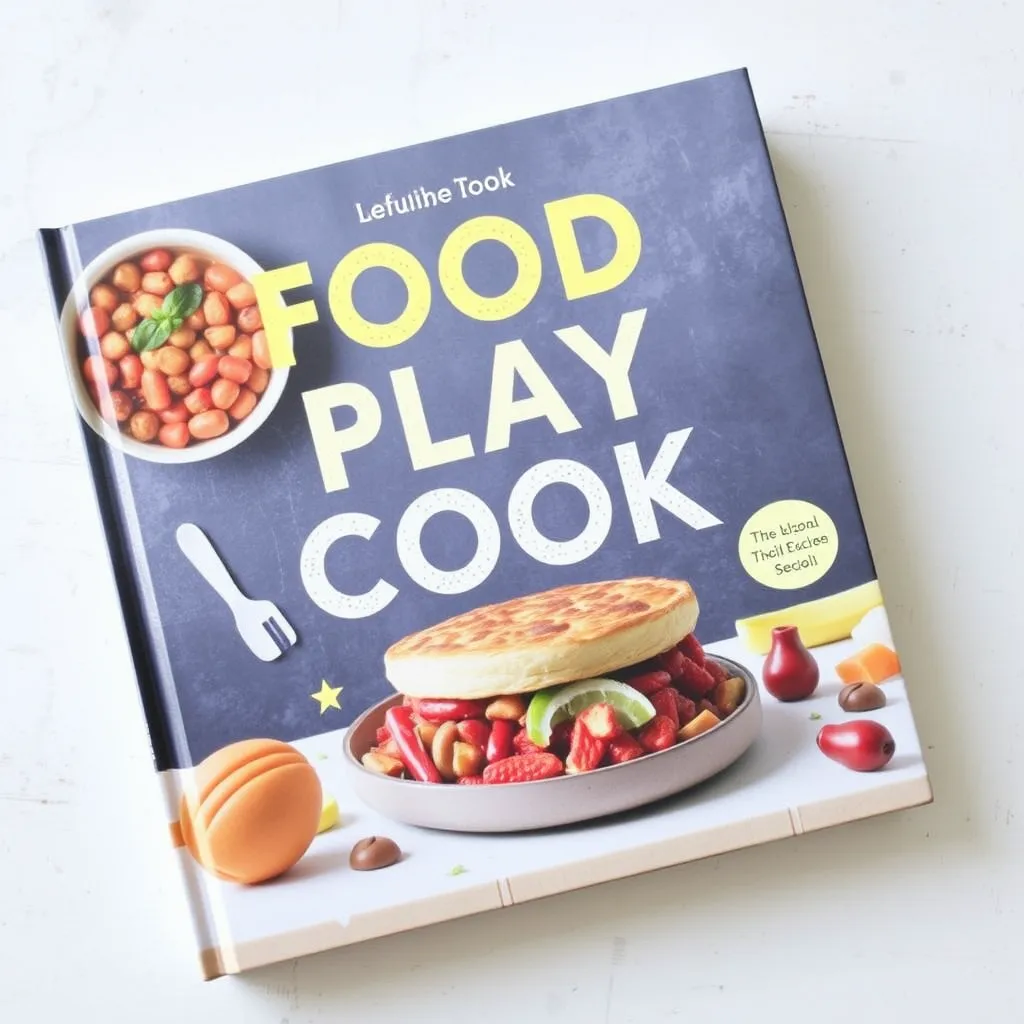
One of the standout features of this book is its emphasis on safety. It includes tips for parents to ensure that cooking is a safe and enjoyable experience for everyone involved. For more information, visit Yummy Toddler Food.
2. “The Montessori Kitchen: Simple Recipes for Toddlers and Preschoolers” by Mary Ellen Maunz
If you’re interested in a Montessori approach to cooking, this book is an excellent choice. It focuses on hands-on learning and independence, which are core principles of the Montessori method. The recipes are simple and use common ingredients, making them accessible for families.
The book also includes activities and extensions to further engage your child’s curiosity and creativity. To learn more, check out KinderCare.
3. “First Book of Easy Cooking for Kids” by DK Publishing
This visually appealing book is perfect for visual learners. It features step-by-step photographs and simple text, making it easy for preschoolers to understand and follow the recipes. The book covers a wide range of dishes, from breakfast to dinner, ensuring that there’s something for every meal of the day.
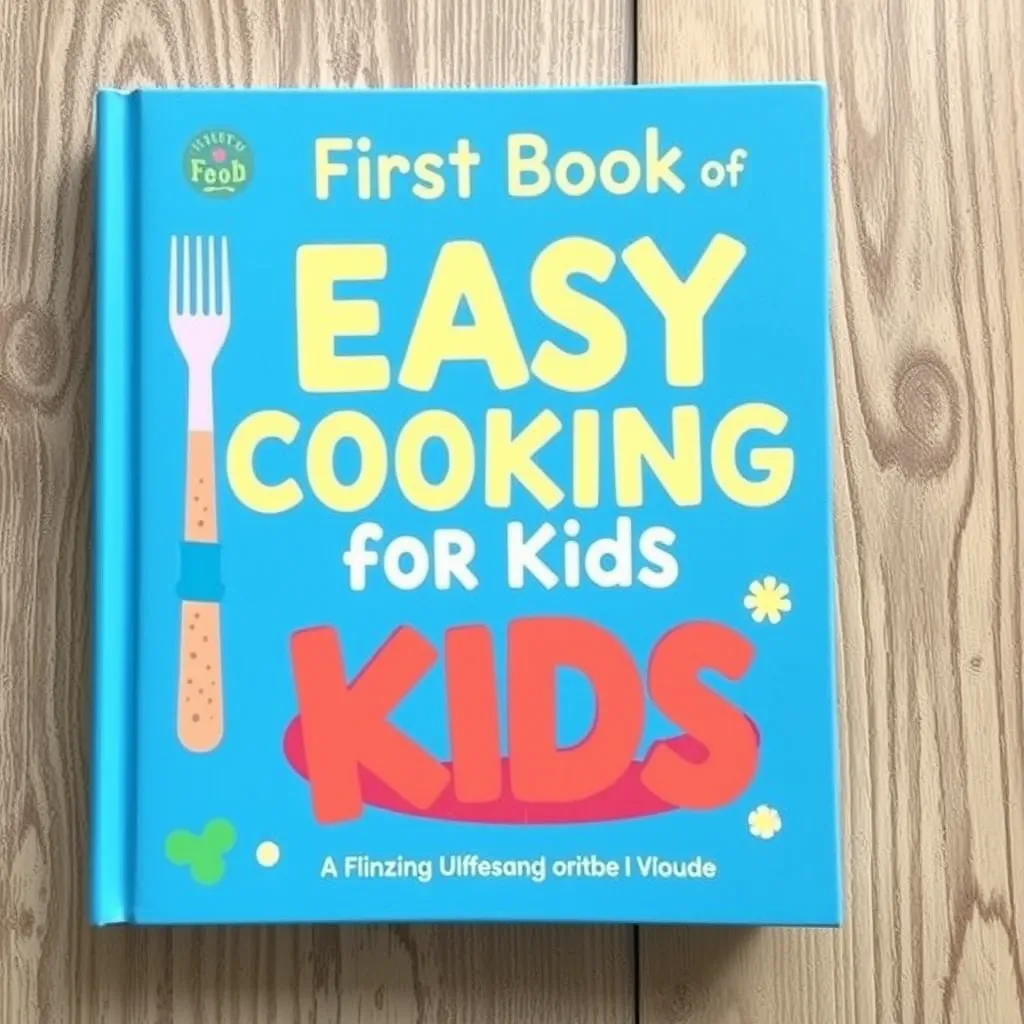
DK Publishing is known for its high-quality educational materials, and this book is no exception. It’s a great addition to any family’s cookbook collection. For more details, visit DK Publishing.
4. “The Toddler’s Cookbook: 50 Recipes to Cook Together” by Amy Fleming
This book is designed specifically for toddlers and their caregivers. It includes 50 simple and delicious recipes that are perfect for young chefs. Each recipe is accompanied by clear instructions and beautiful photographs, making it easy for toddlers to follow along.
The book also includes tips for making cooking a safe and enjoyable experience, as well as ideas for extending the learning beyond the kitchen. To explore more, visit Kitchen Titbits.
5. “Diverse Cooking & Food Books for Preschoolers” by Megan Alissa
If you’re looking for a book that celebrates diversity and inclusivity, this collection is a great choice. It includes a variety of recipes from different cultures, providing an opportunity for your child to explore and appreciate different cuisines.
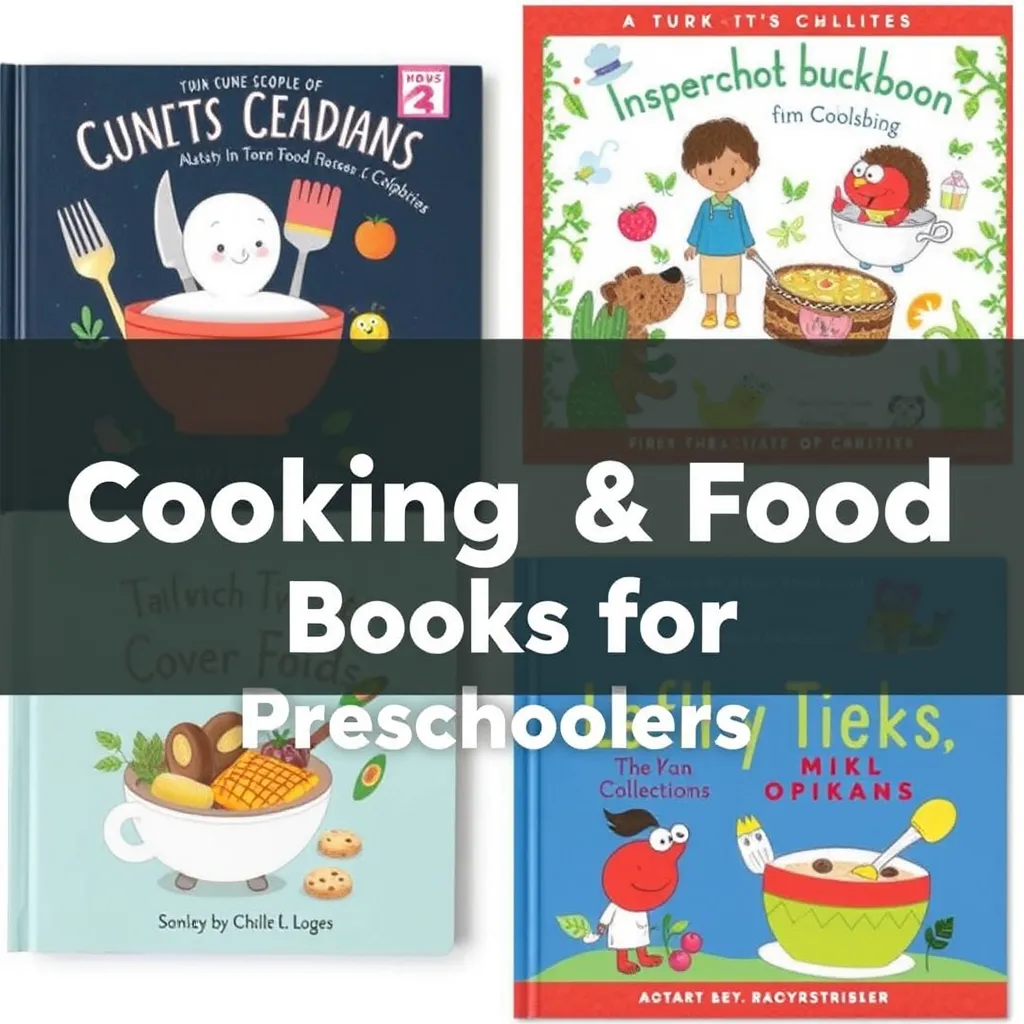
The book also includes activities and discussions to promote cultural awareness and understanding. For more information, visit Mama Megan Alissa.
How to Choose the Right Cooking Name for Preschoolers Book
With so many options available, choosing the right cooking name for preschoolers book can be overwhelming. Here are some factors to consider:
1. Age Appropriateness
Make sure the book is suitable for your child’s age and skill level. Look for books that offer simple recipes and clear instructions, especially if your child is just starting to explore the kitchen.
2. Visual Appeal
Preschoolers are often drawn to colorful and visually appealing books. Choose a book with bright illustrations and photographs to keep your child engaged and excited about cooking.
3. Safety Features
Safety is paramount when cooking with young children. Look for books that include safety tips and guidelines to ensure that the cooking experience is both fun and safe.
4. Educational Content
Consider the educational value of the book. Does it teach basic cooking skills, math, science, and language? A book that combines cooking with learning is a great investment for your child’s development.
5. Cultural Diversity
Exposing your child to different cultures and cuisines can broaden their horizons and promote inclusivity. Look for books that feature a variety of recipes from around the world.
Frequently Asked Questions (FAQ)
1. What is a cooking name for preschoolers book?
A cooking name for preschoolers book is a resource designed to introduce young children to the basics of cooking. These books typically include simple recipes, clear instructions, and colorful illustrations to make cooking a fun and educational experience.
2. Are these books suitable for toddlers?
Yes, many cooking name for preschoolers books are suitable for toddlers. They often include recipes and activities that are appropriate for young children, focusing on safety and simplicity.
3. How can cooking with preschoolers benefit their development?
Cooking with preschoolers can enhance their fine motor skills, cognitive development, and language skills. It also promotes independence, confidence, and family bonding.
4. What should I look for when choosing a cooking name for preschoolers book?
When choosing a cooking name for preschoolers book, consider factors such as age appropriateness, visual appeal, safety features, educational content, and cultural diversity.
5. Can these books be used in a classroom setting?
Absolutely! Many cooking name for preschoolers books are designed for use in classrooms and can be a valuable resource for teachers and educators. They often include group activities and discussion points to facilitate learning.
Conclusion
A cooking name for preschoolers book is a fantastic tool for introducing young children to the joys of cooking. These books not only provide delicious recipes but also offer educational value, sensory exploration, and opportunities for family bonding. Whether you choose a Montessori-inspired toddler cookbook or a diverse collection of recipes, the key is to make cooking a fun and safe experience for your little ones.
So, gather your ingredients, put on your aprons, and get ready to create some delicious memories with your preschoolers!
Related Articles
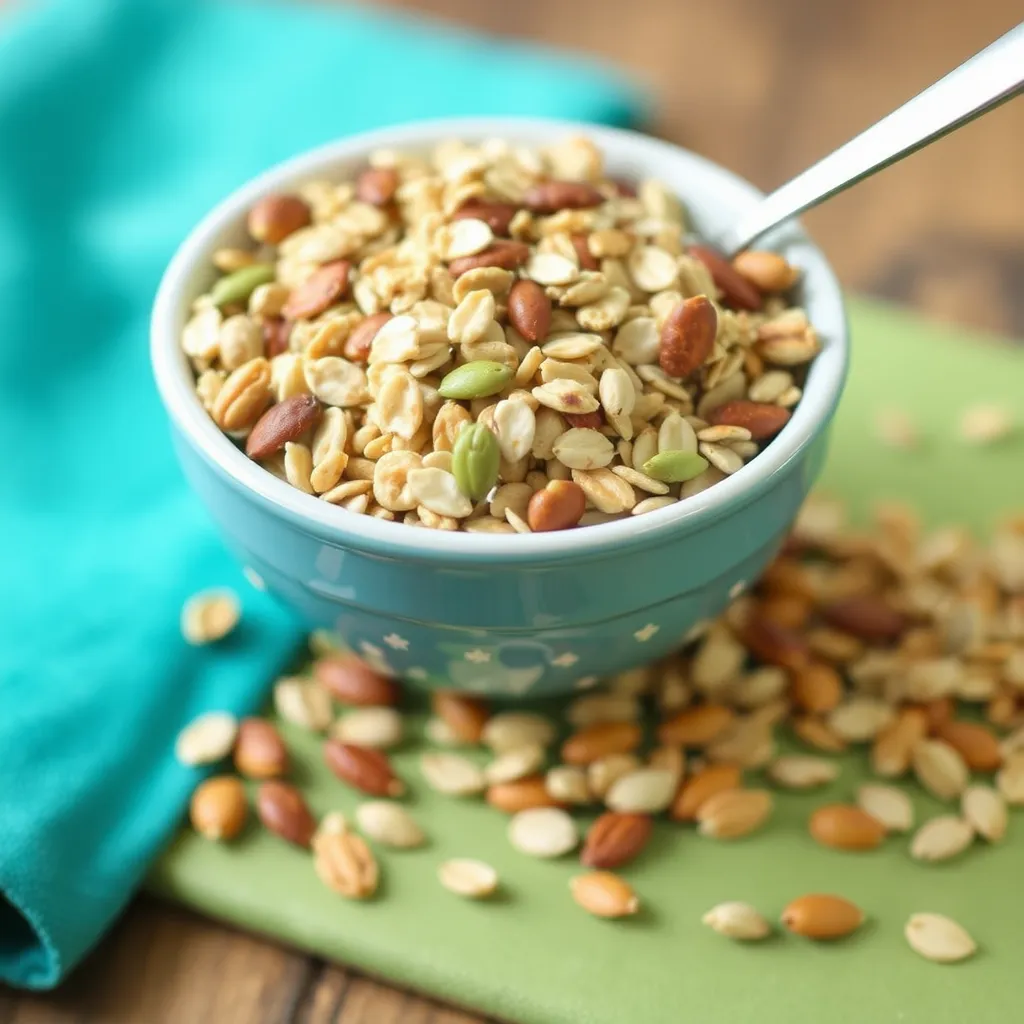
Names of Recipes That Include Oats and Sunflower Seeds
Are you looking for some tasty and nutritious names of Recipes That Include Oats and Sunflower Seeds? Look no further! In this article, we will explore a variety of delicious dishes and snacks that incorporate these wholesome ingredients. Whether you’re a seasoned chef or a beginner in the kitchen, you’ll find something to love here. Let’s dive right in!
Table of Contents
Key Takeaways
- Oatmeal Sunflower Seed Cookies: A sweet and crunchy treat.
- Sunflower Seed Salad: A refreshing and healthy side dish.
- Crispy Sunflower Seed Granola: Perfect for breakfast or snacking.
- Sunflower Seed Chicken Stir-Fry: A protein-packed main course.
- Sunflower Seed Energy Balls: Quick and easy no-bake snacks.
Why Oats and Sunflower Seeds?
Oats and sunflower seeds are both superfoods packed with nutrients. Oats are rich in fiber, which helps keep you full and supports digestive health. Sunflower seeds are high in vitamin E, magnesium, and selenium, which boost your immune system and provide energy. Combining these two ingredients in your recipes not only adds flavor but also enhances their nutritional value.
Oatmeal Sunflower Seed Cookies
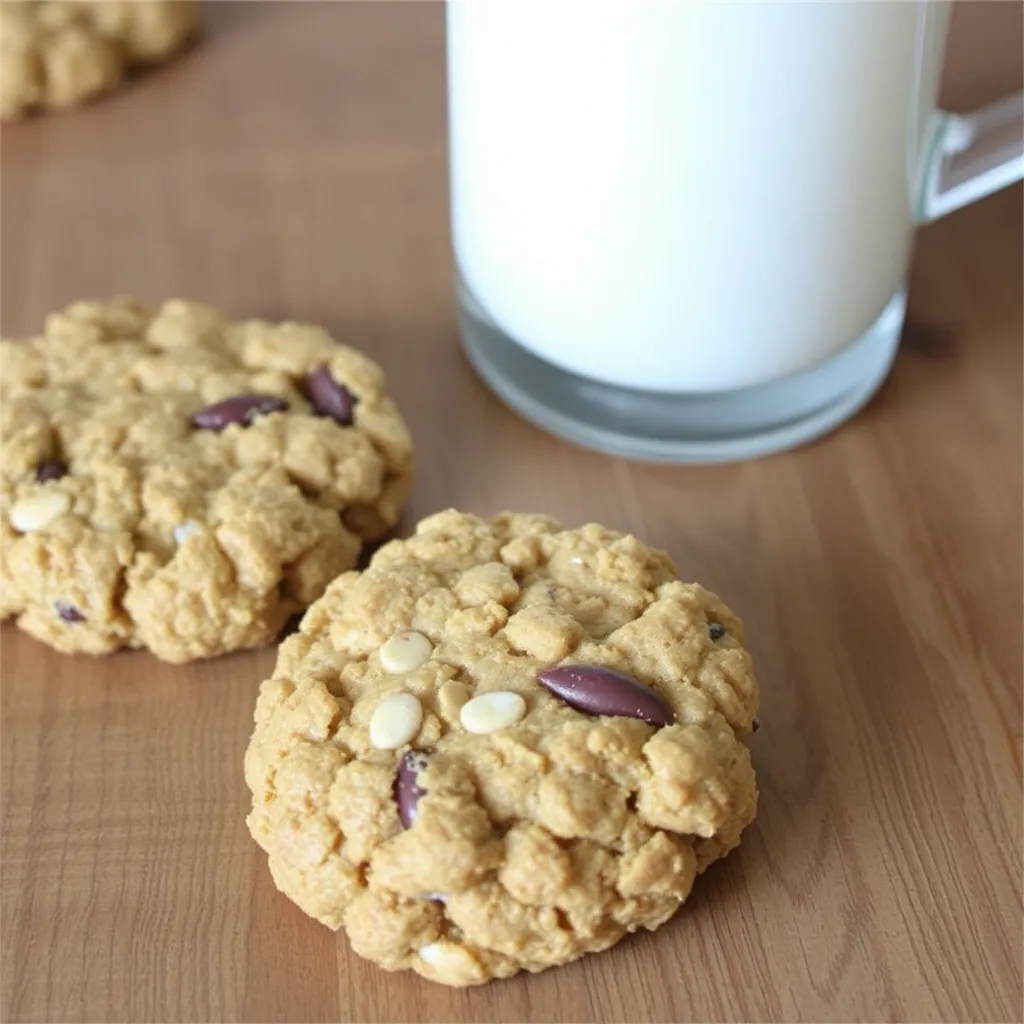
If you have a sweet tooth, these oatmeal sunflower seed cookies are a must-try. They are easy to make and perfect for a quick snack or dessert.
Ingredients:
- 1 cup rolled oats
- 1/2 cup all-purpose flour
- 1/2 cup brown sugar
- 1/2 cup unsalted butter, softened
- 1 large egg
- 1/2 cup sunflower seeds
- 1/2 teaspoon baking soda
- 1/4 teaspoon salt
- 1 teaspoon vanilla extract
Instructions:
- Preheat your oven to 350°F (175°C).
- In a large bowl, mix the oats, flour, brown sugar, baking soda, and salt.
- Add the softened butter and mix until the mixture is crumbly.
- Beat the egg and vanilla extract together, then add them to the bowl and mix well.
- Stir in the sunflower seeds.
- Drop spoonfuls of the dough onto a baking sheet lined with parchment paper.
- Bake for 12-15 minutes or until the edges are golden brown.
- Let the cookies cool on the baking sheet for a few minutes before transferring them to a wire rack to cool completely.
Sunflower Seed Salad
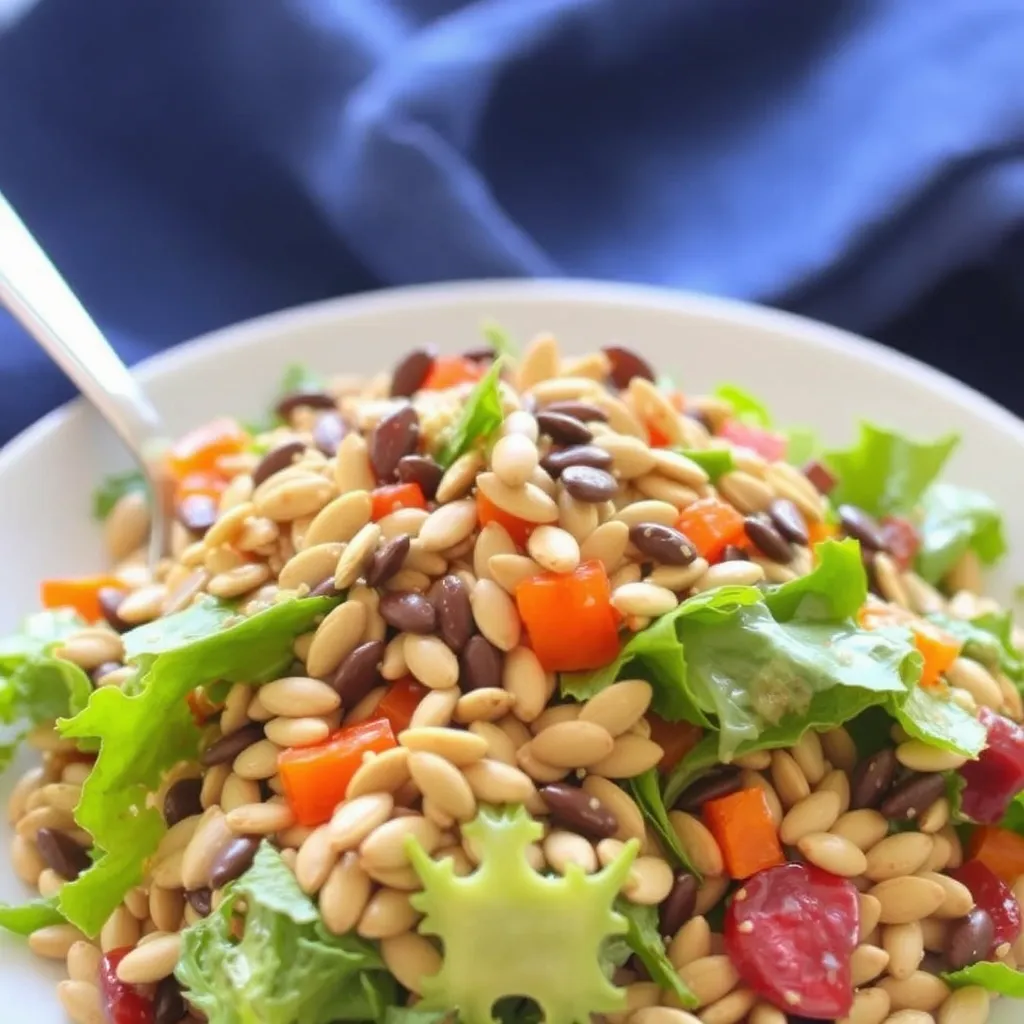
This sunflower seed salad is a refreshing and healthy side dish that pairs well with any meal. It’s simple to make and full of flavor.
Ingredients:
- 2 cups mixed greens (such as spinach, arugula, and lettuce)
- 1/2 cup cherry tomatoes, halved
- 1/4 cup sliced cucumbers
- 1/4 cup red bell pepper, diced
- 1/4 cup sunflower seeds
- 1/4 cup crumbled feta cheese (optional)
- 2 tablespoons olive oil
- 1 tablespoon lemon juice
- Salt and pepper to taste
Instructions:
- In a large bowl, combine the mixed greens, cherry tomatoes, cucumbers, and red bell pepper.
- Top the salad with sunflower seeds and crumbled feta cheese, if using.
- In a small bowl, whisk together the olive oil, lemon juice, salt, and pepper to make the dressing.
- Pour the dressing over the salad and toss to coat.
- Serve immediately and enjoy!
Crispy Sunflower Seed Granola
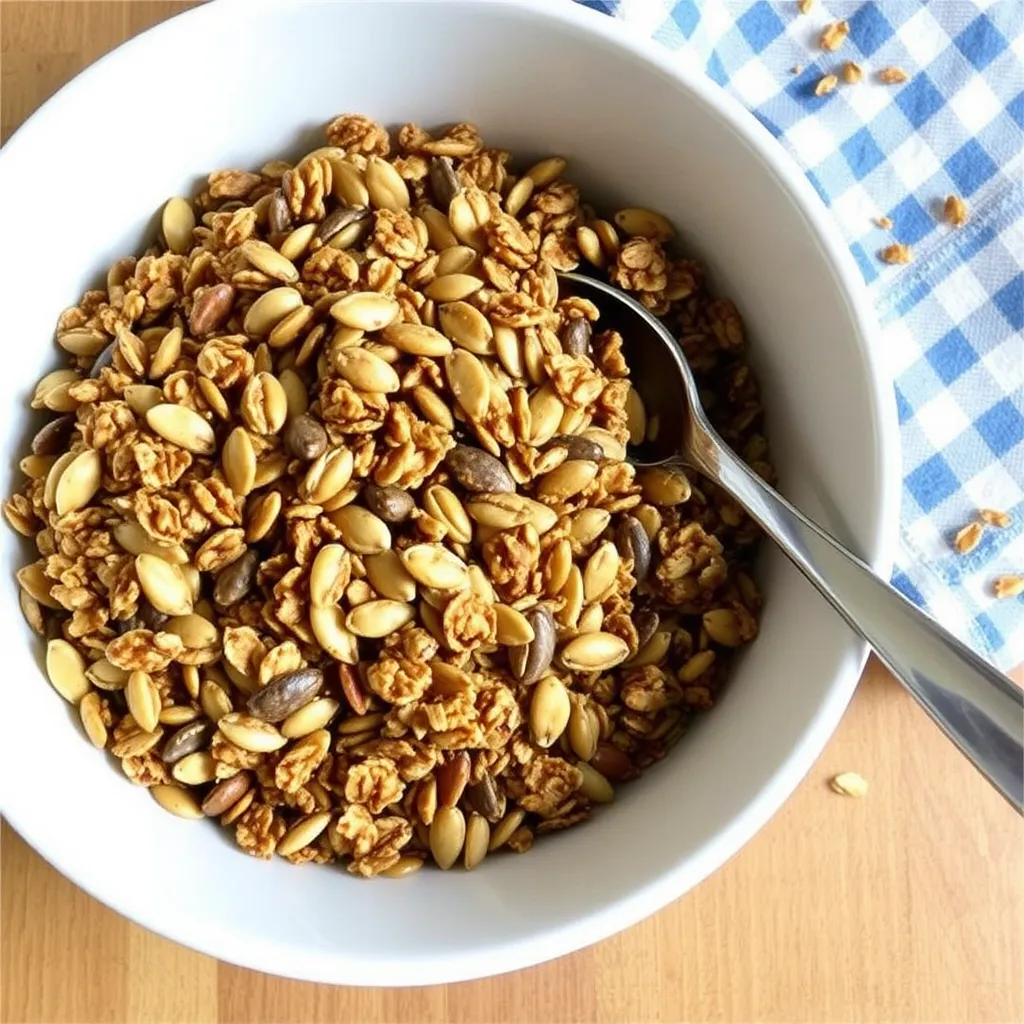
Start your day off right with this crispy sunflower seed granola. It’s perfect for breakfast or as a mid-day snack.
Ingredients:
- 3 cups old-fashioned oats
- 1/2 cup sunflower seeds
- 1/2 cup sliced almonds
- 1/4 cup honey
- 1/4 cup maple syrup
- 1/4 cup coconut oil, melted
- 1 teaspoon vanilla extract
- 1/2 teaspoon ground cinnamon
- 1/4 teaspoon salt
Instructions:
- Preheat your oven to 300°F (150°C).
- In a large bowl, mix the oats, sunflower seeds, and sliced almonds.
- In a small saucepan, heat the honey, maple syrup, coconut oil, vanilla extract, cinnamon, and salt over medium heat until well combined.
- Pour the liquid mixture over the dry ingredients and stir until everything is evenly coated.
- Spread the mixture evenly on a baking sheet lined with parchment paper.
- Bake for 25-30 minutes, stirring halfway through, until the granola is golden brown and crisp.
- Let the granola cool completely on the baking sheet. Store in an airtight container for up to 2 weeks.
Sunflower Seed Chicken Stir-Fry
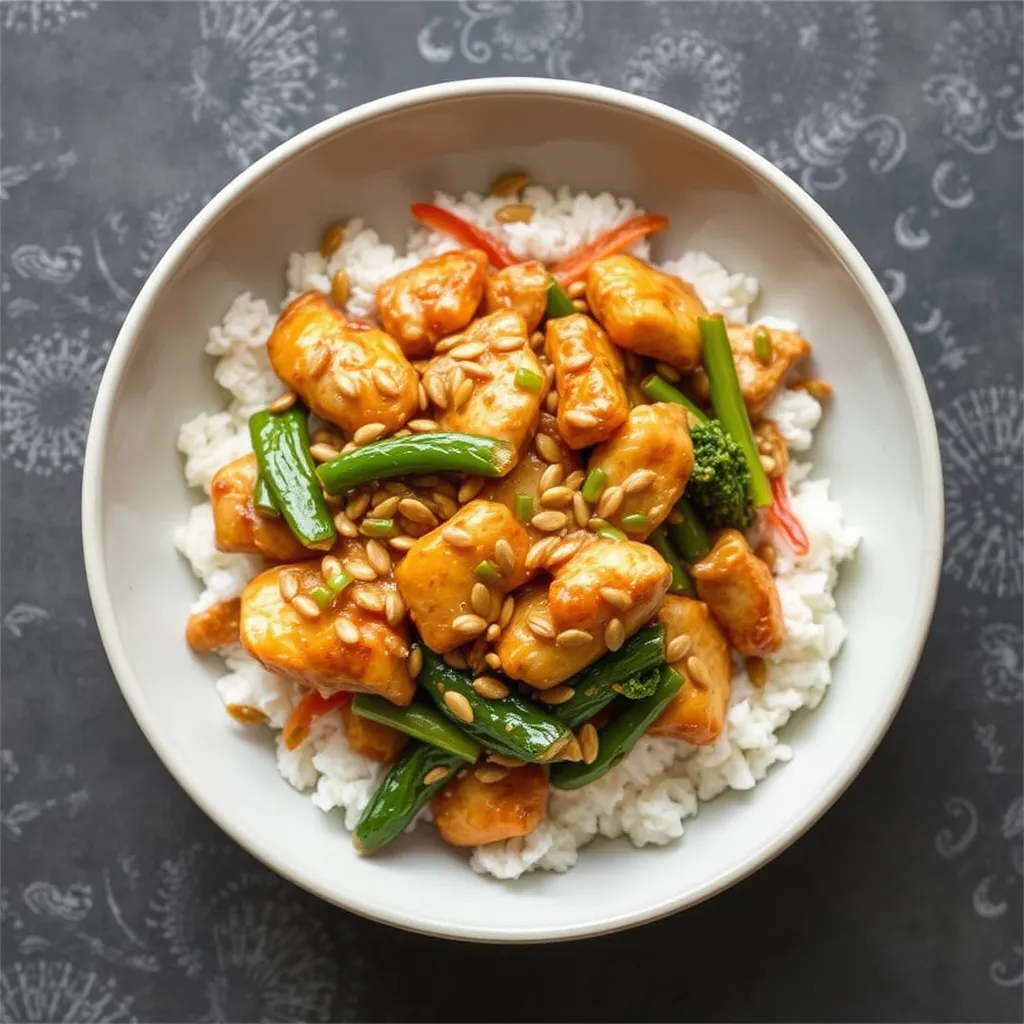
This sunflower seed chicken stir-fry is a quick and easy dinner option that is both delicious and nutritious. It’s perfect for a busy weeknight.
Ingredients:
- 1 pound boneless, skinless chicken breasts, cut into bite-sized pieces
- 2 tablespoons vegetable oil
- 1 bell pepper, sliced
- 1 cup broccoli florets
- 1/4 cup sunflower seeds
- 2 cloves garlic, minced
- 1 tablespoon soy sauce
- 1 tablespoon honey
- 1 teaspoon cornstarch
- 1/4 cup water
- Salt and pepper to taste
Instructions:
- In a small bowl, mix the soy sauce, honey, cornstarch, and water to make the sauce. Set aside.
- Heat 1 tablespoon of vegetable oil in a large skillet over medium-high heat.
- Add the chicken and cook until it is no longer pink, about 5-7 minutes. Remove the chicken from the skillet and set aside.
- Add the remaining 1 tablespoon of vegetable oil to the skillet.
- Add the bell pepper, broccoli, and garlic. Cook for 3-5 minutes, or until the vegetables are tender-crisp.
- Return the chicken to the skillet and add the sunflower seeds.
- Pour the sauce over the chicken and vegetables and stir to combine.
- Cook for an additional 2-3 minutes, or until the sauce has thickened and the chicken is fully cooked.
- Season with salt and pepper to taste.
- Serve hot with rice or noodles.
Sunflower Seed Energy Balls
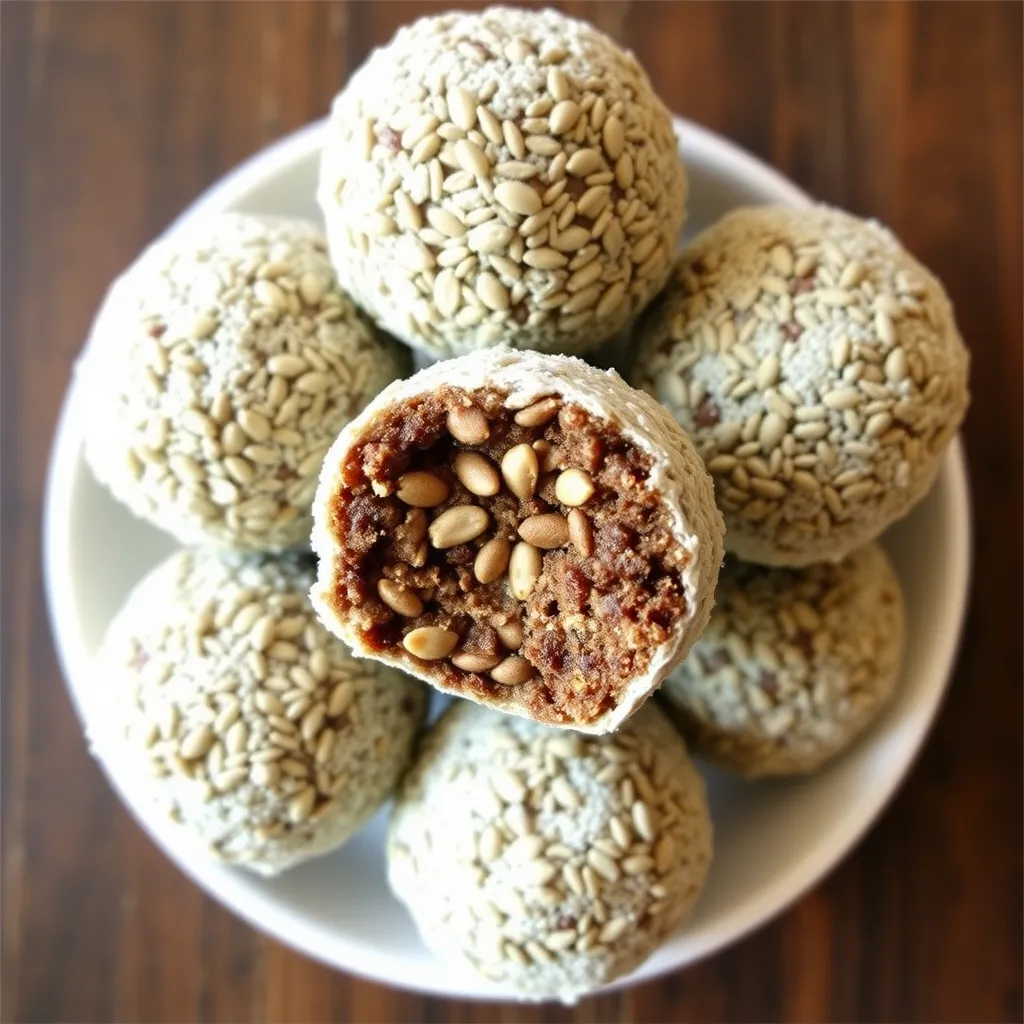
These sunflower seed energy balls are a great no-bake snack that is easy to make and perfect for on-the-go. They are packed with protein and healthy fats to keep you fueled throughout the day.
Ingredients:
- 1 cup rolled oats
- 1/2 cup sunflower seeds
- 1/2 cup natural peanut butter
- 1/4 cup honey
- 1/4 cup ground flaxseed
- 1 teaspoon vanilla extract
- 1/4 teaspoon salt
- 1/4 cup chocolate chips (optional)
Instructions:
- In a large bowl, mix the oats, sunflower seeds, peanut butter, honey, ground flaxseed, vanilla extract, and salt until well combined.
- If using, stir in the chocolate chips.
- Refrigerate the mixture for 30 minutes to firm up.
- Using your hands, roll the mixture into small balls, about 1 inch in diameter.
- Place the energy balls on a plate and refrigerate for at least 30 minutes before serving.
- Store in an airtight container in the refrigerator for up to 1 week.
Frequently Asked Questions (FAQ)
What are the benefits of eating oats and sunflower seeds?
Oats and sunflower seeds are both nutrient-dense foods. Oats are high in fiber, which promotes digestive health and helps you feel full. Sunflower seeds are rich in vitamins and minerals, including vitamin E, magnesium, and selenium, which support immune function and provide energy.
Can I substitute other nuts or seeds in these recipes?
Absolutely! If you don’t have sunflower seeds, you can try substituting them with pumpkin seeds, chia seeds, or even chopped nuts like almonds or walnuts. Just keep in mind that the flavor and texture may vary slightly.
Are these recipes suitable for vegetarians and vegans?
Most of these recipes are vegetarian-friendly. The oatmeal sunflower seed cookies and sunflower seed energy balls are vegan, while the sunflower seed chicken stir-fry contains chicken. You can easily make the stir-fry vegan by using tofu or tempeh instead of chicken.
How long do these recipes keep?
The cookies and granola can be stored in an airtight container at room temperature for up to 2 weeks. The energy balls should be kept in the refrigerator and will last for about 1 week. The salad and stir-fry are best enjoyed fresh, but leftovers can be stored in the refrigerator for 1-2 days.
Conclusion
There you have it—five delicious recipes that include oats and sunflower seeds. From sweet treats to savory dishes, these recipes are sure to become a part of your regular meal rotation. Not only are they tasty, but they are also packed with nutrients to keep you healthy and energized. Happy cooking!
For more recipe ideas and tips, check out our other articles:
- Dinner Recipes with Sunflower Seeds
- Oatmeal Sunflower Seed Cookies
- Sunflower Seed Cookies Recipe
- Sunflower Seeds Recipes, Snacks
Stay tuned for more delicious and healthy recipes!
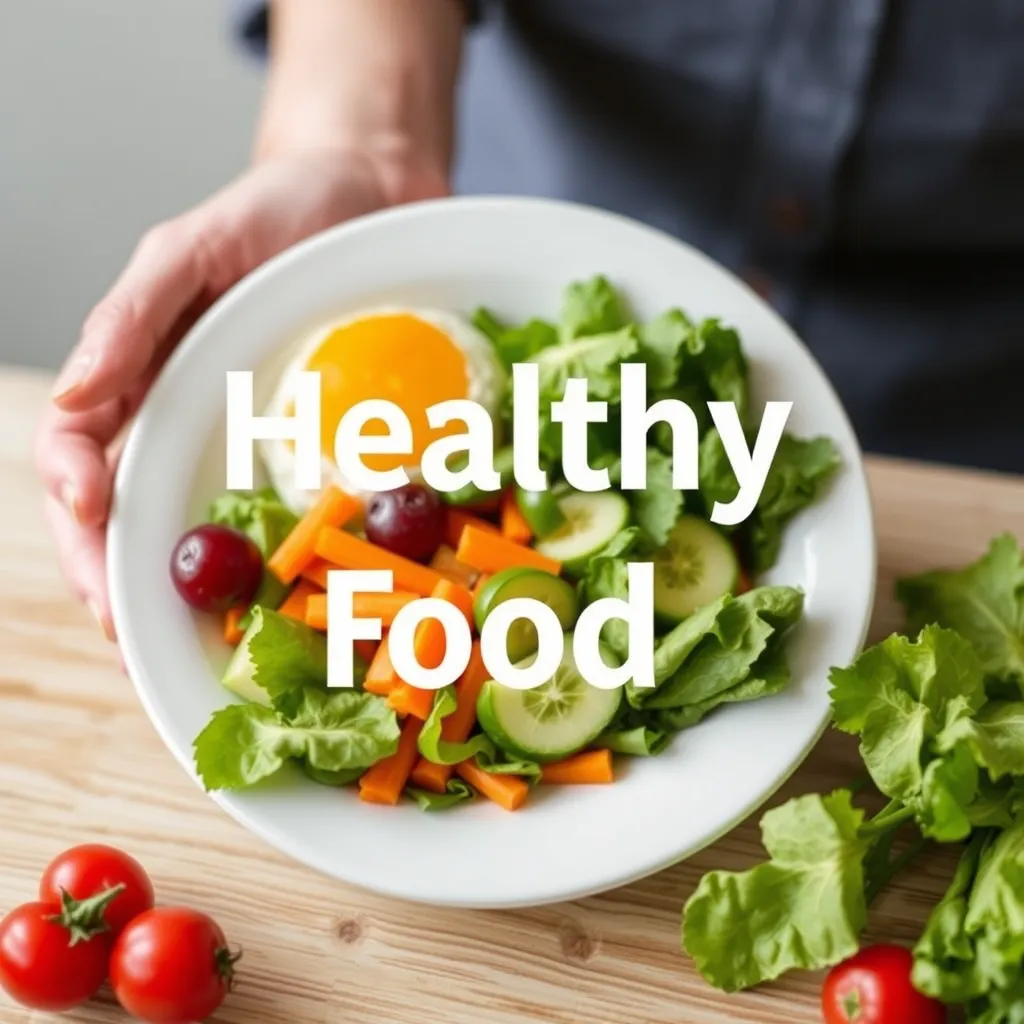
Why Kids Hate Healthy Food Tips to Turn the Tide
Healthy eating is crucial for children’s growth and development, but enjoying nutritious foods can be challenging. Many parents and caregivers struggle with Why Kids Hate Healthy Food Tips. In this article, we’ll explore the reasons behind this common issue and provide practical tips to help your little ones embrace a balanced diet.
Table of Contents
Key Takeaways:
- Kids often dislike healthy foods due to their taste, texture, and appearance.
- Understanding the reasons behind their aversion can help parents and caregivers find effective solutions.
- Tips include involving kids in meal preparation, making healthy foods fun, and leading by example.
- Consistency and patience are key in helping kids develop a taste for healthier options.
Why Kids Hate Healthy Food Tips?
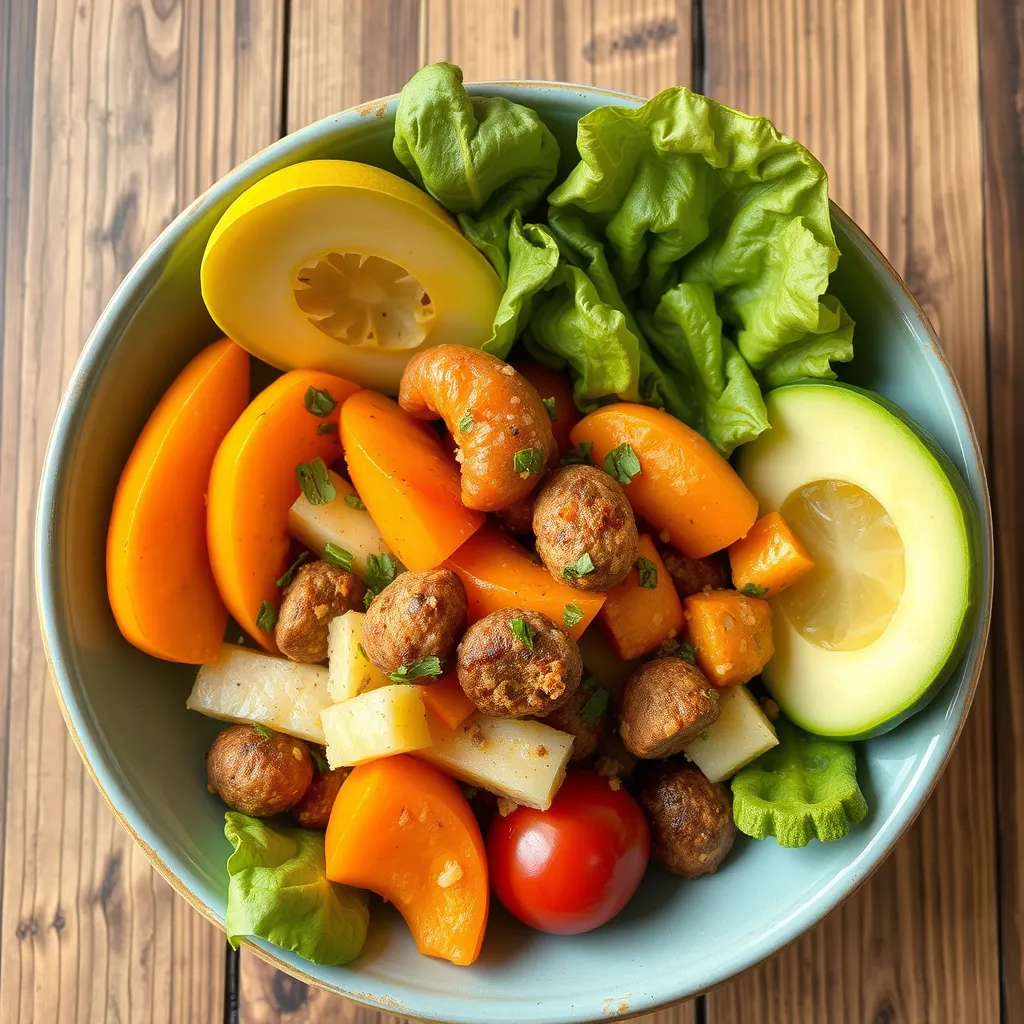
There are several reasons why kids might turn their noses up at healthy foods:
Taste and Texture
Children have more sensitive taste buds than adults, which can make certain flavors and textures overwhelming. Bitter and sour tastes, in particular, are often disliked by kids. For example, vegetables like broccoli and kale can seem too bitter, while fruits like grapefruit can be too sour.
“Kids’ taste preferences are influenced by their developing senses. As they grow older, their taste buds mature, and they may become more open to trying new foods.” – Hiya Health
Appearance
The way a food looks can also affect a child’s willingness to try it. Unusual colors, shapes, and sizes can be off-putting. For instance, a bright green smoothie might look strange to a child who is used to seeing more familiar colors like brown or yellow.
Lack of Exposure
Children need repeated exposure to new foods to develop a liking for them. If a child has only tried a vegetable once or twice, they are less likely to enjoy it. Consistent exposure is key to helping kids become more accepting of healthy foods.
Influence of Peers and Media
Kids are heavily influenced by their peers and the media. If their friends are eating junk food or if they see commercials for unhealthy snacks, they may be less inclined to try healthier options.
“The media plays a significant role in shaping children’s food preferences. Advertisements often portray unhealthy foods as fun and exciting, making it harder for kids to choose healthier alternatives.” – Paper Pinecone
Tips to Help Kids Love Healthy Foods
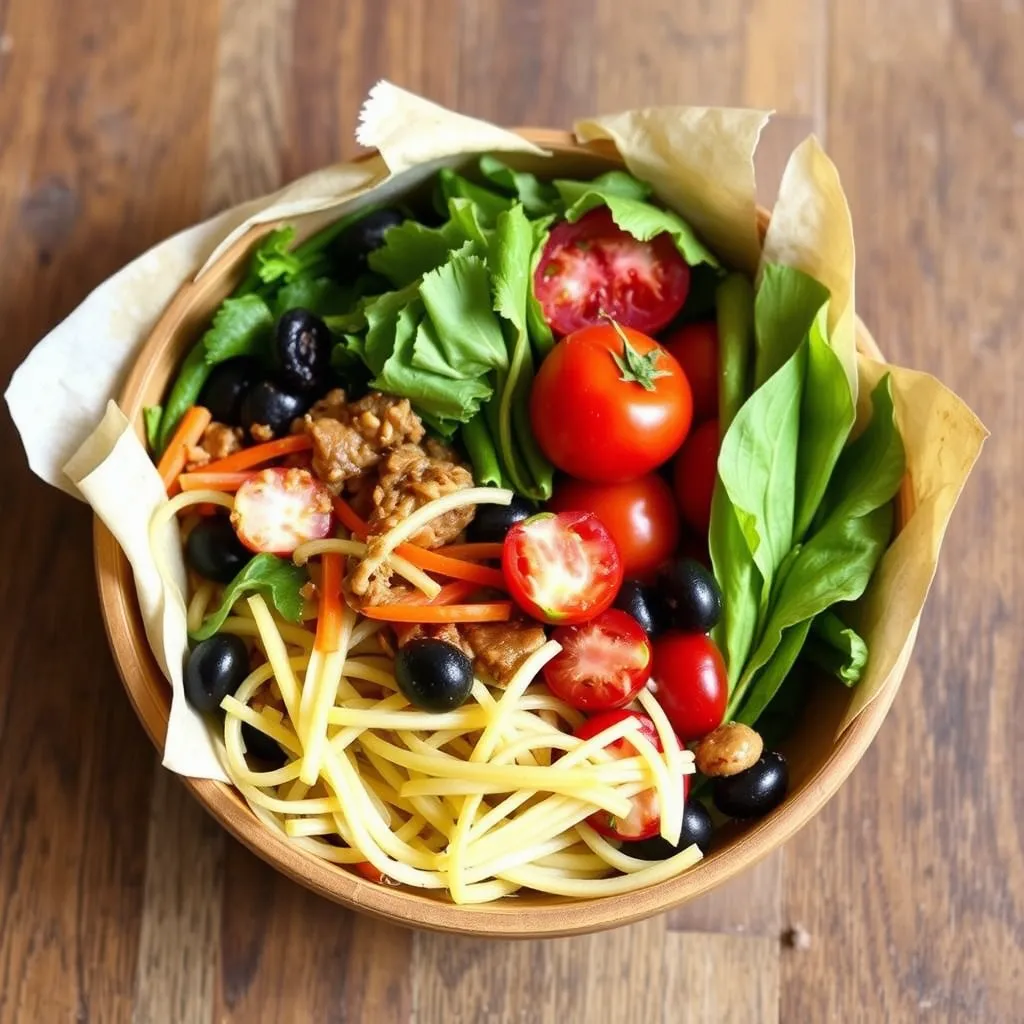
Now that we understand why kids might dislike healthy foods, let’s look at some practical tips to encourage them to eat better:
Involve Kids in Meal Preparation
Getting kids involved in the kitchen can make them more excited about trying new foods. Let them help with tasks like washing vegetables, stirring ingredients, or setting the table. This hands-on experience can make healthy eating feel more engaging and fun.

Preview
Make Healthy Foods Fun
Turn healthy foods into fun shapes or create colorful plates to capture your child’s interest. For example, you can cut fruits and vegetables into animal shapes or arrange them in a rainbow pattern. Making food visually appealing can make it more enticing for kids.
Lead by Example
Children learn by observing the adults around them. If you eat a variety of healthy foods and show enthusiasm for them, your kids are more likely to follow suit. Be a positive role model and share your enjoyment of nutritious meals.
Be Patient and Consistent
It can take multiple exposures to a new food before a child will try it. Don’t give up after one or two attempts. Keep offering the food in different ways and at different times. Patience and consistency are key to helping kids develop a taste for healthy foods.
Offer Choices
Give your child a choice between two or three healthy options. This can make them feel more in control and increase their likelihood of trying the food. For example, ask if they prefer carrots or cucumbers as a snack.
Create a Positive Eating Environment
Eating should be a positive and enjoyable experience. Avoid forcing your child to eat or using food as a reward or punishment. Instead, focus on creating a relaxed and pleasant mealtime atmosphere.
Use Positive Reinforcement
Praise your child when they try new foods or make healthy choices. Positive reinforcement can motivate them to continue exploring different tastes and textures.
Introduce New Foods Gradually
Start with small portions of new foods and gradually increase the amount over time. This can help your child get used to the taste and texture without feeling overwhelmed.
Try Different Cooking Methods
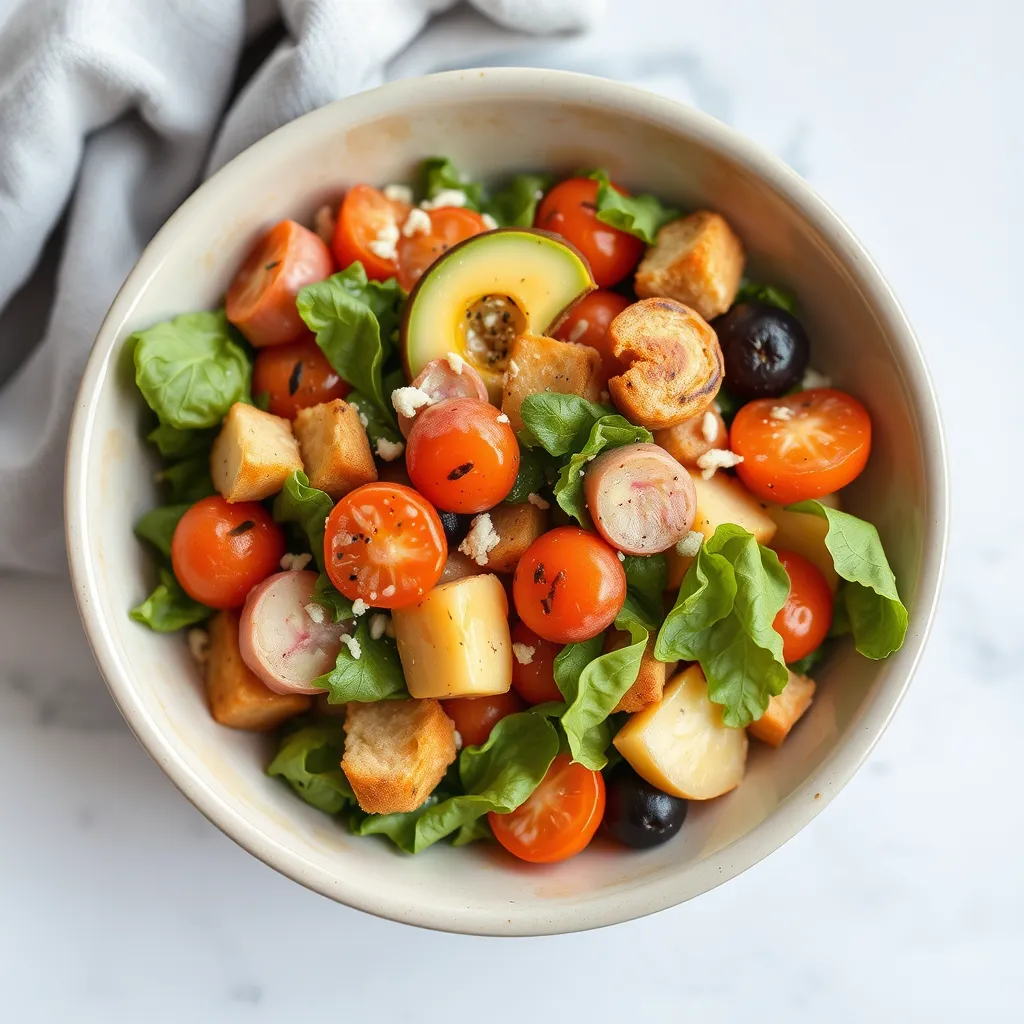
The way a food is cooked can significantly affect its taste and texture. Experiment with different cooking methods like roasting, grilling, or steaming to find what your child enjoys most. For example, roasted vegetables can be sweeter and more appealing than raw ones.
Make Healthy Snacks Accessible
Keep a variety of healthy snacks within reach. Having fruits, vegetables, and whole-grain crackers readily available can encourage your child to make better choices when they’re hungry.
Teach About Nutrition
Help your child understand why healthy foods are important. Explain how different nutrients benefit their body and support their growth and development. Use simple terms and relatable examples to make the information easy to grasp.
Involve Kids in Shopping
Take your child grocery shopping and let them pick out some healthy foods they’d like to try. This can make them more invested in the process and more willing to eat what they’ve chosen.
Use Creative Descriptions
Describe healthy foods in fun and creative ways. For example, call broccoli “dinosaur trees” or refer to carrots as “superhero sticks.” This can make the foods sound more appealing and exciting to kids.
Offer Healthy Alternatives to Favorite Foods
If your child loves a particular unhealthy food, try finding a healthier alternative. For example, make homemade pizza with a whole-wheat crust and lots of vegetables, or create a fruit smoothie instead of a sugary drink.
Be a Good Listener
Pay attention to your child’s feedback about the foods they try. If they don’t like a particular dish, ask for their input on how to improve it. This shows that you value their opinion and can help you find solutions together.
Stay Positive and Encouraging
Avoid negative comments or pressure when it comes to food. Instead, stay positive and encouraging. Celebrate small victories and keep the focus on making healthy choices fun and rewarding.
Frequently Asked Questions (FAQ)
Why do kids dislike vegetables?
Kids often dislike vegetables because of their taste, texture, and appearance. Vegetables can be bitter or have unusual textures that are off-putting to young palates. Repeated exposure and creative presentation can help kids become more accepting of vegetables.
How can I make healthy foods more appealing to my child?
Make healthy foods more appealing by involving your child in meal preparation, making them fun and visually appealing, and using creative descriptions. Offer choices and be patient and consistent in introducing new foods.
What are some healthy snack ideas for kids?
Some healthy snack ideas for kids include sliced fruits, vegetable sticks with hummus, whole-grain crackers with cheese, yogurt with berries, and homemade popcorn. Keep a variety of these snacks accessible to encourage healthy snacking.
How can I teach my child about nutrition?
Teach your child about nutrition by explaining the benefits of different foods in simple terms. Use relatable examples and involve them in meal planning and preparation. Reading books and watching videos about healthy eating can also be helpful.
Is it normal for kids to be picky eaters?
Yes, it is normal for kids to be picky eaters. Many children go through phases where they are selective about what they eat. Consistent exposure to a variety of foods and a positive eating environment can help them become more adventurous eaters over time.
Conclusion
Helping kids love healthy foods is a journey that requires patience, creativity, and consistency. By understanding the reasons behind their aversions and implementing these practical tips, you can make healthy eating a positive and enjoyable experience for your family. Remember, every small step counts in fostering a lifelong appreciation for nutritious foods.
For more tips and resources on kids’ nutrition, check out our other articles:
- The Benefits of a Balanced Diet for Kids
- Simple Recipes for Picky Eaters
- Fun Ways to Get Kids Involved in Cooking
Happy cooking and happy eating!
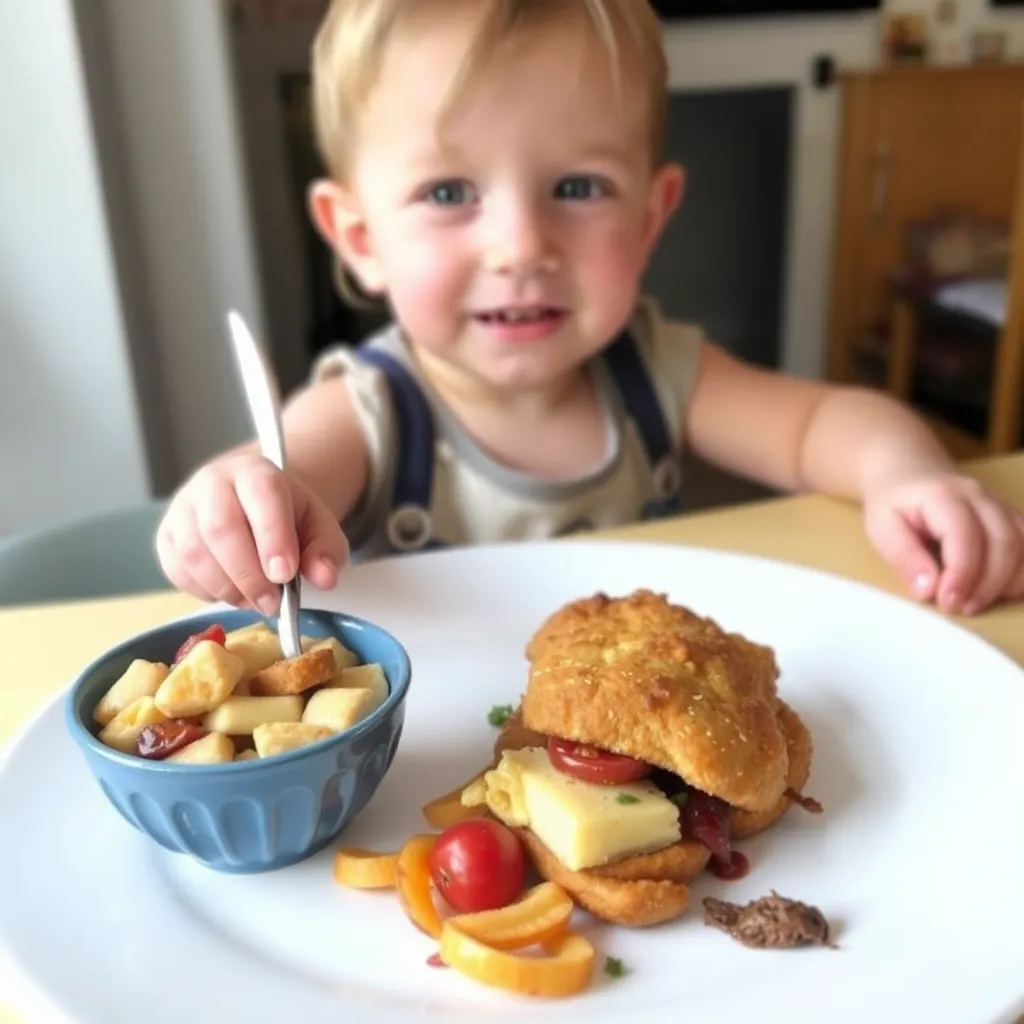
Top 15 Childrens Favourite Food
Are you struggling to find meals that your kids will actually enjoy? Look no further! We’ve compiled a list of the childrens favourite food that is not only tasty but also healthy. Whether you’re a busy parent looking for quick 15-minute meals or someone on a budget, we’ve got you covered. Let’s dive in!
Table of Contents
Key Takeaways
- Top 10 Children’s Favourite Food: Pizza, Pasta, Chicken Nuggets, Burgers, Mac and Cheese, French Fries, Ice Cream, Fruit, Sandwiches, and Smoothies.
- Healthy Alternatives: Whole wheat pasta, grilled chicken, homemade burgers, quinoa mac and cheese, baked sweet potato fries, frozen yogurt, fresh fruit, whole grain bread, and fruit smoothies.
- Quick and Easy Recipes: Find simple, 15-minute meals that kids love.
- Budget-Friendly Options: Affordable ingredients and meal ideas to keep your wallet happy.
Top 10 Childrens Favourite Food
Based on a recent children’s favourite food survey, here are the top 10 foods that kids absolutely adore:
- Pizza
- Pasta
- Chicken Nuggets
- Burgers
- Mac and Cheese
- French Fries
- Ice Cream
- Fruit
- Sandwiches
- Smoothies
Healthy Alternatives for Childrens Favourite Food
While these foods are popular among kids, they can often be high in calories and low in nutrients. Here are some healthier alternatives to keep your little ones happy and healthy:
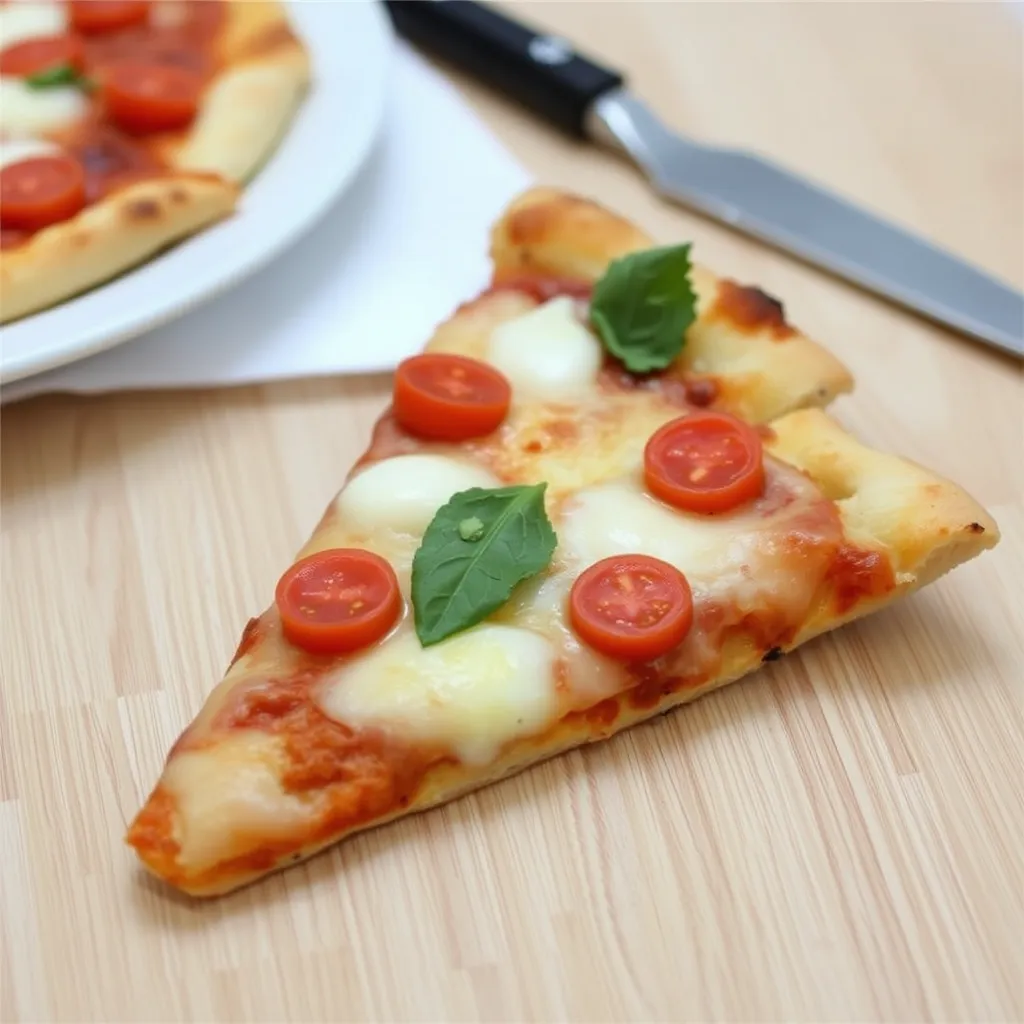
1. Pizza
Instead of ordering greasy pizza, try making a homemade version with whole wheat dough, fresh vegetables, and a light sprinkle of cheese. It’s a fun activity for the whole family!
2. Pasta
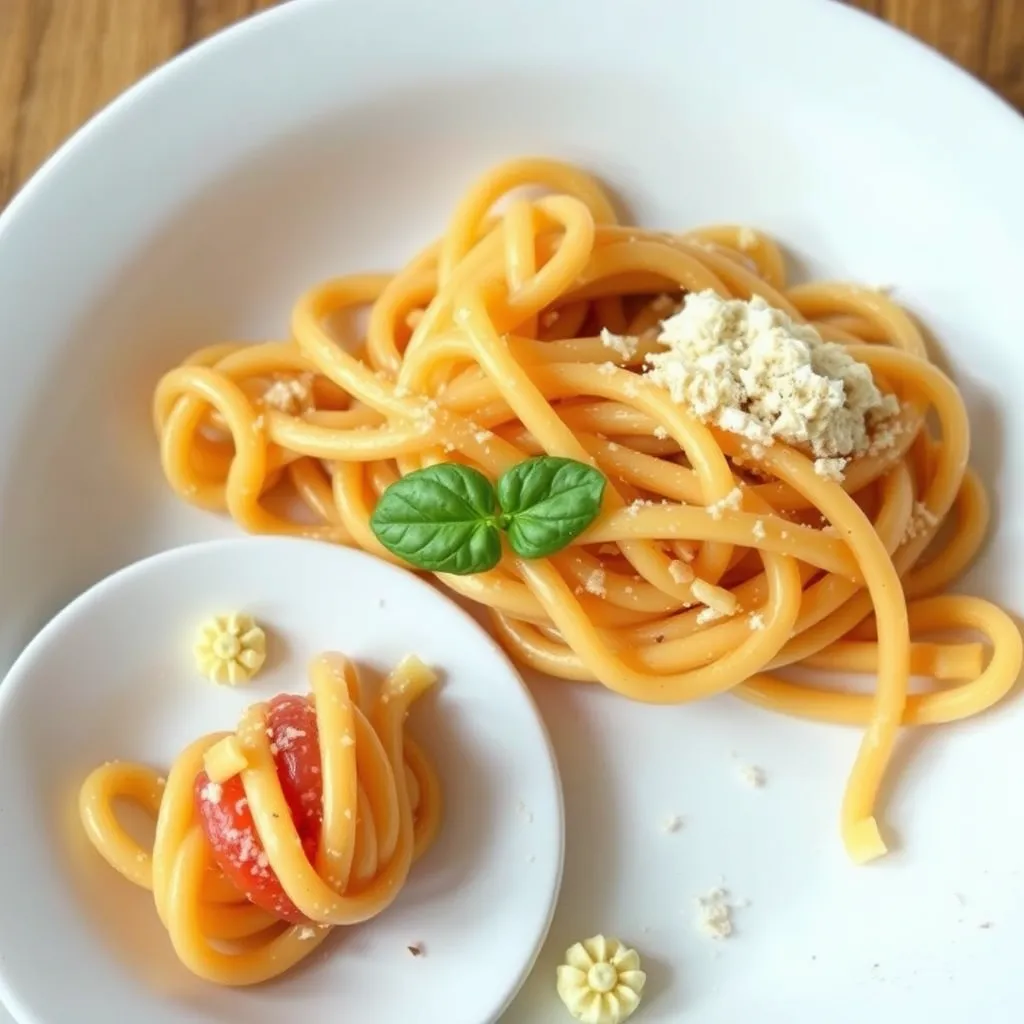
Opt for whole wheat pasta and pair it with a tomato-based sauce and plenty of veggies. Add some lean protein like grilled chicken to make it a balanced meal.
3. Chicken Nuggets
Make your own chicken nuggets using boneless, skinless chicken breast coated in breadcrumbs and baked instead of fried. Serve with a side of dipping sauce and some steamed broccoli.
4. Burgers
Choose lean ground beef or turkey for your burgers and top them with lettuce, tomato, and avocado. Serve on a whole grain bun for added fiber.
5. Mac and Cheese
Use whole wheat pasta and mix in some pureed butternut squash or cauliflower to add vitamins and minerals. Top with a sprinkle of breadcrumbs for a crunchy texture.
6. French Fries
Bake sweet potato fries instead of regular potatoes. They’re naturally sweet and packed with nutrients. Sprinkle them with a bit of salt and paprika for extra flavor.
7. Ice Cream
Opt for frozen yogurt or make your own ice cream using Greek yogurt and fresh fruit. It’s a delicious treat that’s lower in sugar and fat.
8. Fruit
Offer a variety of fruits, such as berries, apples, and bananas. Cut them into fun shapes or make a fruit salad to make them more appealing to kids.
9. Sandwiches
Use whole grain bread and fill with lean meats, cheese, and plenty of veggies. Add a spread like hummus or avocado for extra flavor and nutrition.
10. Smoothies
Blend together fruits, vegetables, and a bit of yogurt or milk for a nutritious and refreshing drink. Add a scoop of protein powder for an extra boost.
15-Minute Meals Kid-Friendly
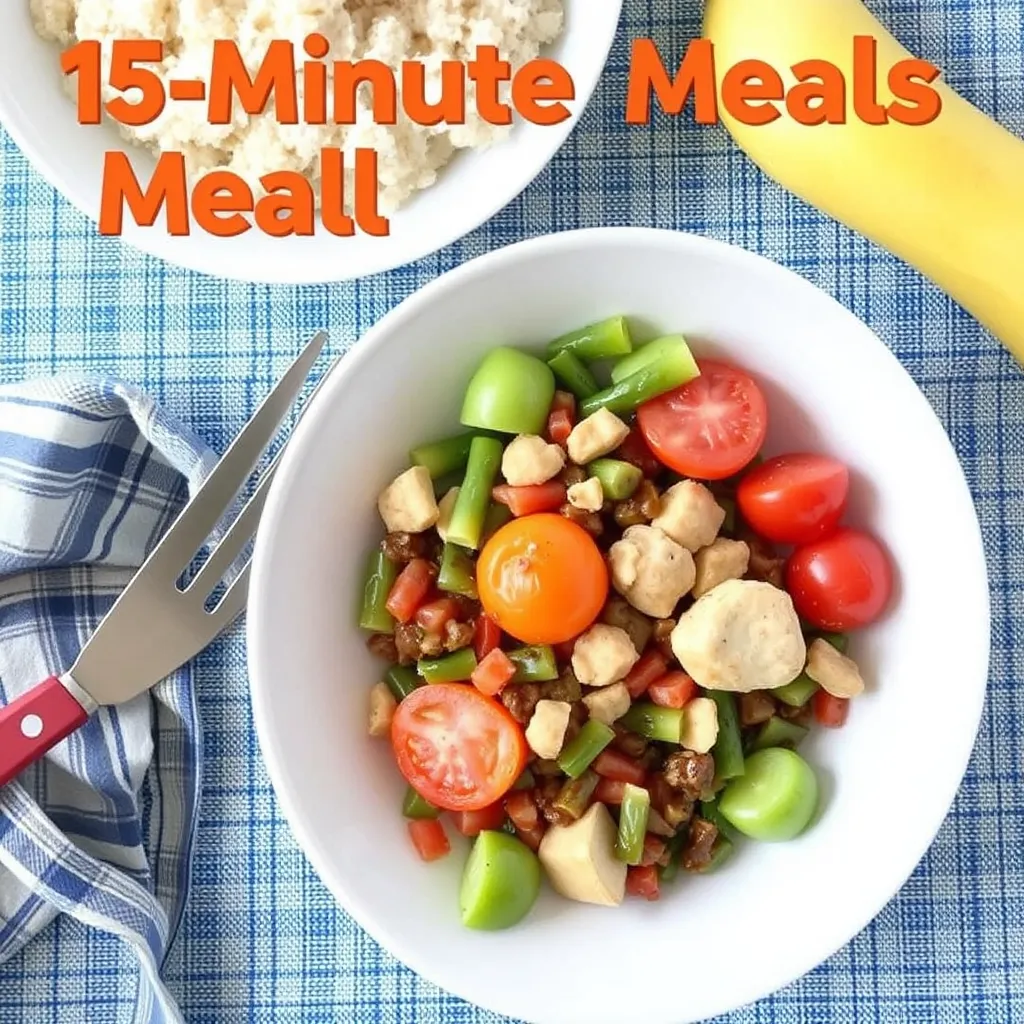
Busy parents need quick and easy meals that kids will enjoy. Here are some 15-minute recipes that are perfect for any day of the week:
1. One-Pot Pasta
Cook pasta, vegetables, and a simple tomato sauce all in one pot for a quick and easy dinner. Add some lean protein like chicken or shrimp for a complete meal.
2. Quesadillas
Fill tortillas with cheese, beans, and vegetables. Cook on a skillet until the cheese is melted and the tortilla is golden brown. Serve with salsa or guacamole.
3. Stir-Fry
Sauté your favorite vegetables and proteins in a wok or large skillet. Add a splash of soy sauce and serve over rice or noodles for a quick and healthy meal.
4. Omelets
Whisk eggs and pour them into a hot skillet. Add cheese, vegetables, and cooked meats. Fold the omelet in half and cook until the eggs are set.
5. Tacos
Fill taco shells with ground beef, chicken, or beans. Top with lettuce, tomato, cheese, and salsa. Let your kids build their own tacos for a fun and interactive meal.
Kids Food Menu Ideas
Planning meals for kids can be challenging, but having a well-thought-out menu can make it easier. Here are some ideas for a weekly kids food menu:
Monday: Chicken Quesadillas
Fill tortillas with grilled chicken, cheese, and vegetables. Serve with a side of guacamole and salsa.
Tuesday: One-Pot Pasta
Cook pasta, vegetables, and tomato sauce all in one pot. Add some chicken or shrimp for extra protein.
Wednesday: Stir-Fry
Sauté your favorite vegetables and proteins in a wok. Serve over rice or noodles for a quick and healthy meal.
Thursday: Omelets
Whisk eggs and cook them in a skillet. Add cheese, vegetables, and cooked meats. Serve with a side of toast or fruit.
Friday: Tacos
Fill taco shells with ground beef, chicken, or beans. Top with lettuce, tomato, cheese, and salsa. Let your kids build their own tacos for a fun meal.
Saturday: Homemade Pizza
Make your own pizza with whole wheat dough, fresh vegetables, and a light sprinkle of cheese. Bake until the crust is golden brown.
Sunday: Smoothie Bowls
Blend fruits, vegetables, and a bit of yogurt or milk. Pour into bowls and top with granola, nuts, and fresh fruit for a nutritious and refreshing meal.
Easy Food for Kids
Here are some simple and easy food ideas that kids can help prepare:
- Fruit Kebabs: Thread pieces of fruit onto skewers for a fun and healthy snack.
- Vegetable Chips: Slice vegetables like sweet potatoes, beets, and carrots. Drizzle with olive oil and bake until crispy.
- Homemade Popsicles: Blend fruit and juice, pour into popsicle molds, and freeze for a refreshing treat.
- Ants on a Log: Spread peanut butter on celery sticks and top with raisins for a classic kid-friendly snack.
- Mini Quiches: Mix eggs, cheese, and vegetables, pour into muffin tins, and bake until set.
Cheap Meals for Kids
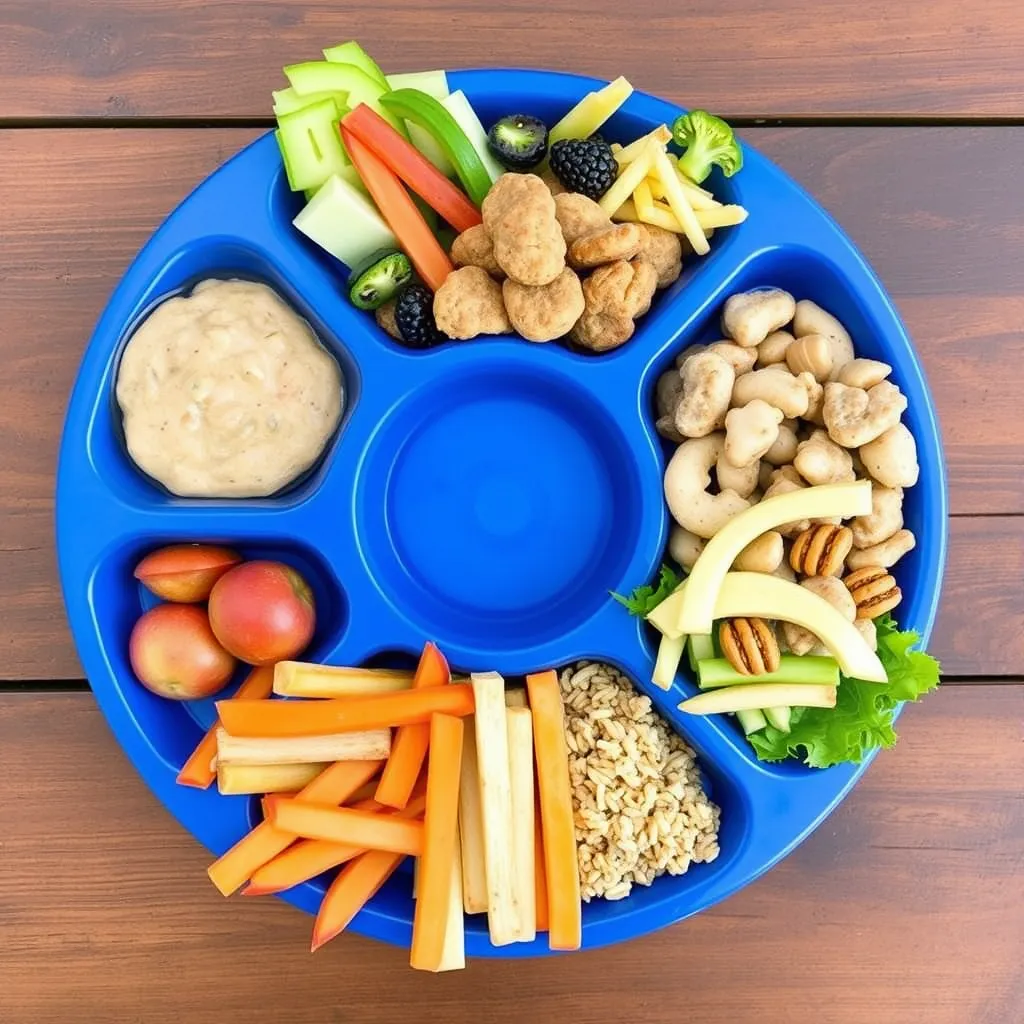
Eating healthy doesn’t have to break the bank. Here are some budget-friendly meal ideas:
- Bean and Rice Burritos: Fill tortillas with cooked beans, rice, and vegetables. Top with salsa or cheese.
- Spaghetti and Meatballs: Use ground turkey or lean beef for the meatballs and serve with whole wheat spaghetti and tomato sauce.
- Vegetable Soup: Sauté onions and garlic, add canned tomatoes and a variety of vegetables. Simmer until tender and blend for a smooth soup.
- Grilled Cheese and Tomato Soup: Make grilled cheese sandwiches with whole grain bread and serve with a cup of tomato soup.
- Chickpea Salad: Mix canned chickpeas with diced vegetables, a bit of lemon juice, and olive oil. Serve on a bed of greens.
Healthy Kids Meals
Ensuring your kids eat healthy is crucial for their growth and development. Here are some tips to make healthy eating fun and enjoyable:
- Involve Your Kids: Let them help with grocery shopping and meal preparation. They’re more likely to eat what they’ve helped make.
- Be Creative: Cut fruits and vegetables into fun shapes or arrange them on the plate to make faces or animals.
- Offer Choices: Give your kids options to choose from. For example, let them pick between carrots and bell peppers for a snack.
- Lead by Example: Eat healthy yourself and your kids will follow your lead.
- Make It Fun: Create themed meals, like a “taco Tuesday” or a “smoothie bowl day,” to make eating healthy exciting.
FAQs
What are the top 10 favorite kid meals?
The top 10 favorite kid meals include pizza, pasta, chicken nuggets, burgers, mac and cheese, French fries, ice cream, fruit, sandwiches, and smoothies.
How can I make healthy versions of childrens favourite food?
You can make healthier versions by using whole grains, lean proteins, and plenty of vegetables. For example, use whole wheat pasta, grill chicken instead of frying, and bake sweet potato fries instead of regular fries.
What are some 15-minute meals that kids love?
Some quick and easy meals include one-pot pasta, quesadillas, stir-fry, omelets, and tacos. These meals are simple to prepare and can be ready in just 15 minutes.
Can you suggest some cheap meals for kids?
Affordable meal ideas include bean and rice burritos, spaghetti and meatballs, vegetable soup, grilled cheese and tomato soup, and chickpea salad. These meals are budget-friendly and nutritious.
How can I make healthy eating fun for kids?
Involve your kids in meal preparation, be creative with food presentation, offer choices, lead by example, and make mealtime fun with themed meals and activities.
Conclusion
Feeding your kids healthy and delicious meals doesn’t have to be a challenge. By incorporating some of these childrens favourite food into your weekly menu, you can ensure that your little ones are getting the nutrients they need while enjoying their meals. Remember, the key is to make healthy eating fun and engaging for the whole family!
For more tips and recipes, check out our other articles on easy recipes for kids and healthy snacks for kids.
5 Best Children’s Recipe Books to Make Cooking Fun
Are you looking for the perfect children’s recipe books to get your little ones excited about cooking? Whether you’re a parent, guardian, or educator, finding the right cookbook can make all the difference. In this guide, we’ll explore the best options available, provide tips on how to choose the right one, and share some fun recipes to try out. Let’s dive in!
Table of Contents
Key Takeaways
- Usborne Children’s Cookbook: A colorful and engaging option with easy-to-follow recipes.
- DK Children’s Cookbook: Packed with step-by-step instructions and vibrant photos.
- Children’s Step-by-Step Cookbook: Ideal for beginners with clear, detailed guidance.
- Best Kids Cookbook: Offers a wide range of recipes suitable for different skill levels.
- Kids Baking Book: Focused on sweet treats and baking adventures.
- Kids First Cookbook: Perfect for introducing young chefs to the kitchen.
Why Choose a Children’s Recipe Book?
Cooking with kids is more than just a fun activity; it’s an educational experience. A good children’s recipe book can help your little ones develop essential life skills, such as:
- Reading Comprehension: Following recipes helps improve reading and understanding.
- Math Skills: Measuring ingredients teaches basic math concepts.
- Science Knowledge: Understanding how ingredients interact introduces basic chemistry.
- Creativity: Experimenting with flavors and presentations fosters creativity.
- Confidence: Successfully completing a recipe boosts self-esteem.
Top 5 Children’s Recipe Books
1. Usborne Children’s Cookbook
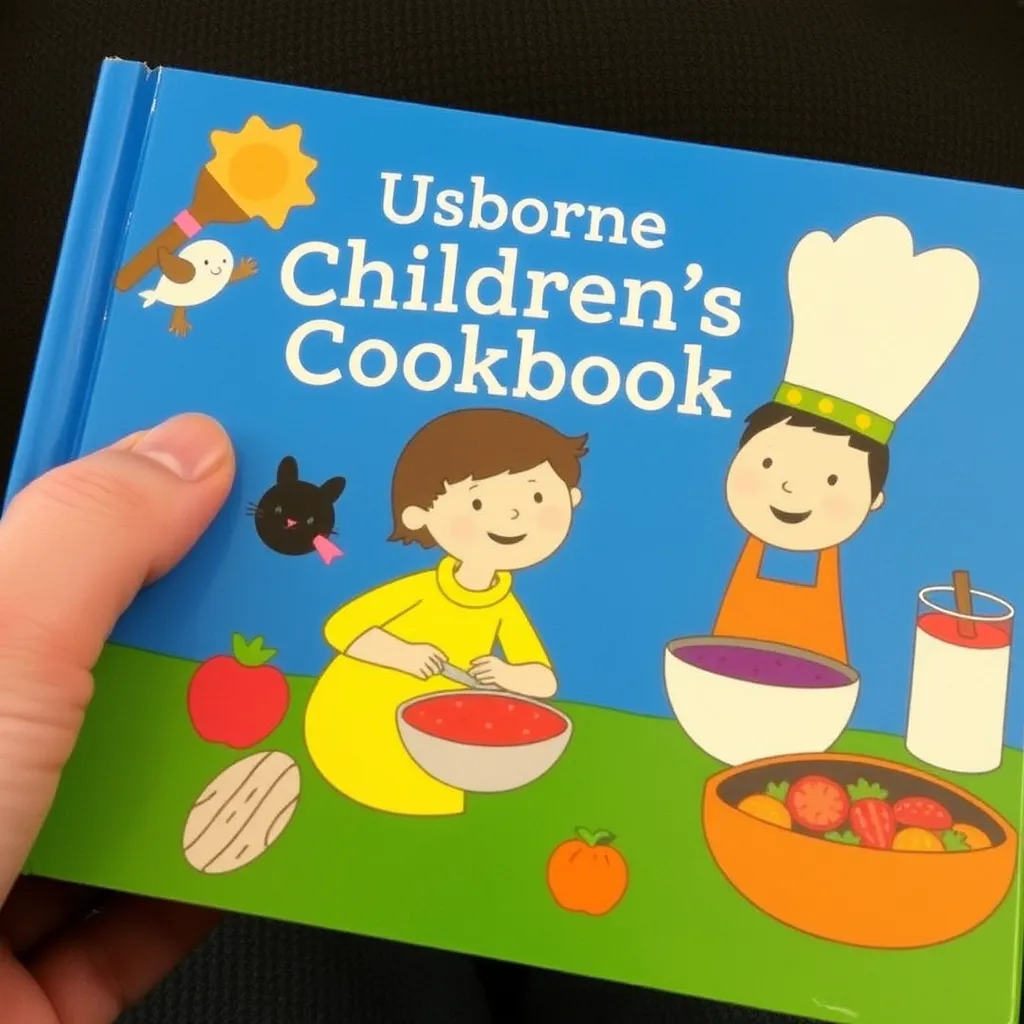
PreviewThe Usborne Children’s Cookbook is a favorite among parents and kids alike. It features over 60 easy recipes, each accompanied by colorful illustrations and simple instructions. This book is perfect for beginners and includes a variety of dishes, from breakfast to dinner and even snacks.
2. DK Children’s Cookbook
PreviewThe DK Children’s Cookbook is another excellent choice. With its step-by-step photos and clear instructions, this book makes cooking accessible and enjoyable for kids. It covers a wide range of recipes, including international dishes and vegetarian options.
3. Children’s Step-by-Step Cookbook
PreviewThe Children’s Step-by-Step Cookbook is designed to guide young chefs through the cooking process with detailed, easy-to-follow steps. Each recipe is broken down into manageable tasks, making it ideal for beginners who are just starting to explore the kitchen.
4. Best Kids Cookbook
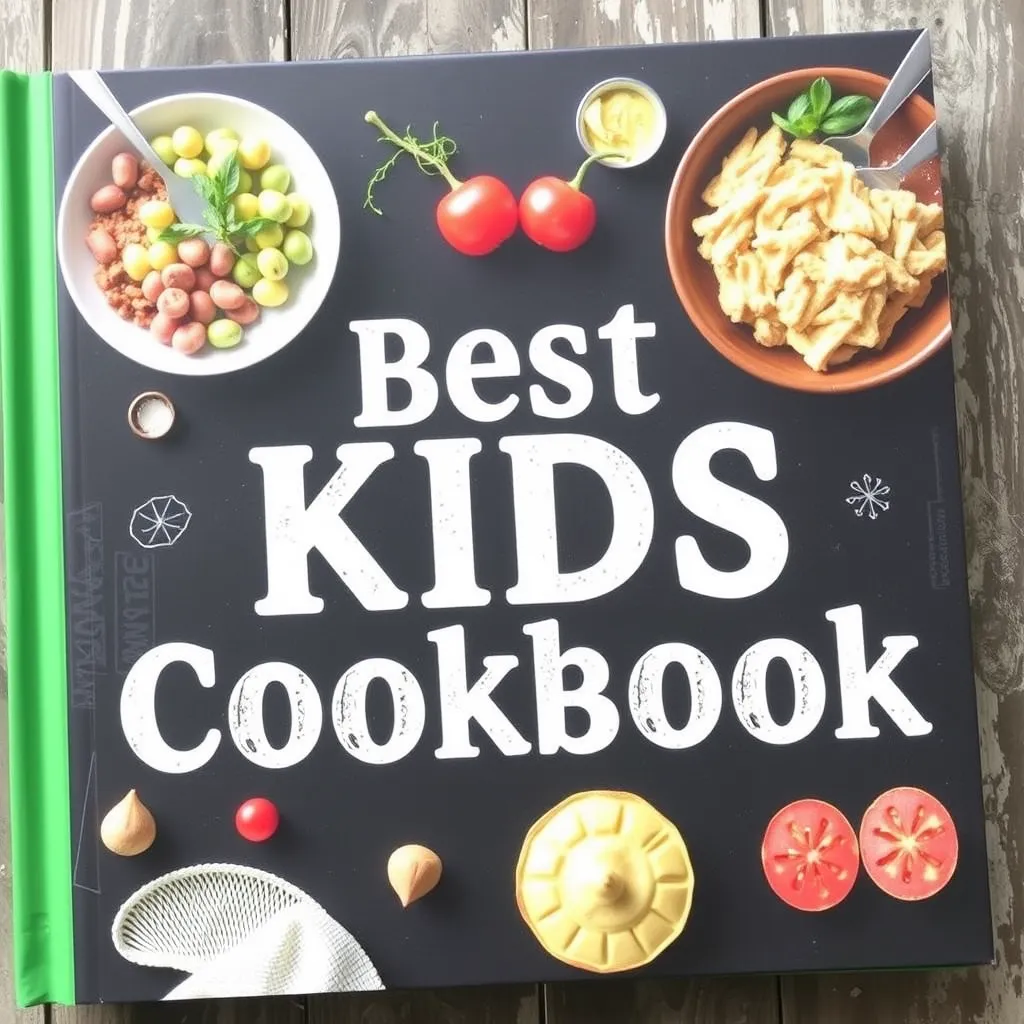
The Best Kids Cookbook offers a diverse collection of recipes that cater to various skill levels. From simple snacks to more complex meals, this book has something for every aspiring chef. The recipes are well-organized and include helpful tips and tricks to ensure success.
5. Kids Baking Book
The Kids Baking Book is a delightful resource for anyone interested in baking. It features a wide range of sweet treats, from cookies and cakes to bread and pastries. The book is filled with colorful photos and easy-to-follow instructions, making it a perfect companion for family baking sessions.
Tips for Choosing the Right Children’s Recipe Book
Selecting the perfect children’s recipe book depends on your child’s age, interests, and skill level. Here are some tips to help you make the right choice:
- Consider Age Range: Look for books that are appropriate for your child’s age. Some books are better suited for younger children, while others may be more challenging for older kids.
- Check Skill Level: Choose a book that matches your child’s current cooking skills. If they are just starting, opt for a book with simple recipes. For more experienced cooks, look for books with more advanced techniques.
- Look for Visual Aids: Books with clear photos and illustrations can help your child understand the steps more easily. This is especially important for younger children who may not read as well.
- Read Reviews: Check online reviews to see what other parents and kids have to say about the book. This can give you valuable insights into its quality and usefulness.
- Consider Interests: If your child has specific interests, such as baking or international cuisine, look for a book that focuses on those areas.
Fun Recipes to Try
Here are a few kid-friendly recipes you can try with your children:
1. Easy Cheesy Pizza
Ingredients:
- 1 pre-made pizza crust
- 1/2 cup tomato sauce
- 1 cup shredded mozzarella cheese
- 1/4 cup sliced bell peppers
- 1/4 cup sliced mushrooms
- 1/4 cup sliced olives
Instructions:
- Preheat the oven to 425°F (220°C).
- Spread the tomato sauce evenly over the pizza crust.
- Sprinkle the shredded mozzarella cheese over the sauce.
- Add the sliced bell peppers, mushrooms, and olives on top.
- Bake in the preheated oven for 12-15 minutes, or until the cheese is melted and bubbly.
- Let it cool for a few minutes before slicing and serving.
2. Chocolate Chip Cookies
Ingredients:
- 1 cup unsalted butter, softened
- 1 cup white sugar
- 1 cup brown sugar
- 2 large eggs
- 2 teaspoons vanilla extract
- 3 cups all-purpose flour
- 1 teaspoon baking soda
- 2 teaspoons hot water
- 1/2 teaspoon salt
- 2 cups semisweet chocolate chips
Instructions:
- Preheat the oven to 350°F (175°C).
- In a large bowl, cream together the butter, white sugar, and brown sugar until smooth.
- Beat in the eggs one at a time, then stir in the vanilla.
- Dissolve the baking soda in hot water and add it to the mixture.
- Stir in the flour and salt.
- Fold in the chocolate chips.
- Drop by rounded spoonfuls onto ungreased baking sheets.
- Bake for 9 to 11 minutes, or until the edges are lightly golden.
- Let the cookies cool on the baking sheet for a few minutes before transferring them to a wire rack to cool completely.
Frequently Asked Questions (FAQ)
1. What is the best children’s recipe book for beginners?
The Usborne Children’s Cookbook is highly recommended for beginners. It features easy-to-follow recipes and colorful illustrations that make cooking fun and engaging for young chefs.
2. Are there any children’s recipe books focused on healthy eating?
Yes, the DK Children’s Cookbook includes a variety of healthy recipes, including vegetarian and international dishes. It’s a great choice for families looking to promote healthy eating habits.
3. Can I find children’s recipe books that focus on baking?
Absolutely! The Kids Baking Book is specifically designed for baking enthusiasts. It offers a wide range of sweet treats and provides detailed instructions to ensure success.
4. How can I involve my child in the cooking process?
Involve your child by letting them choose the recipes, measure ingredients, and assist with simple tasks like stirring and mixing. This not only makes cooking more fun but also helps them develop important skills and confidence in the kitchen.
5. Where can I buy children’s recipe books?
You can find children’s recipe books at local bookstores, online retailers like Amazon, and specialty stores like Waterstones. Many libraries also have a selection of cookbooks for kids, so be sure to check there as well.
Conclusion
Choosing the right children’s recipe book can transform cooking into a fun and educational activity for the whole family. Whether you opt for the colorful Usborne Children’s Cookbook, the detailed DK Children’s Cookbook, or the beginner-friendly Children’s Step-by-Step Cookbook, you’re sure to find a book that will inspire your little chef. Happy cooking!
For more tips and ideas, check out our other articles on how to teach kids to cook and fun kitchen activities for kids.

When baby starts to generate melatonin?
Melatonin is a hormone that plays a crucial role in regulating sleep patterns. For parents, understanding when baby starts to generate melatonin can help ensure better sleep for both the baby and the family. In this article, we’ll explore the key points about newborn melatonin production, how it develops, and tips to support healthy sleep patterns.
Table of Contents
| Key Takeaways |
|---|
| Babies start producing melatonin around 3 months old. Newborns do not produce melatonin initially. Breast milk contains small amounts of melatonin. Exposure to natural light helps regulate melatonin production. Consult a pediatrician before using melatonin supplements for babies. |
Understanding Melatonin and Its Role in Sleep
Melatonin is often referred to as the “sleep hormone” because it helps regulate the sleep-wake cycle. It is produced by the pineal gland in the brain and its levels rise in the evening, signaling the body that it’s time to sleep. For babies, the development of melatonin production is a gradual process.
When Do Babies Start Producing Melatonin?
Newborns are not born with the ability to produce melatonin. According to research, babies start generating melatonin around 3 months old. This is why newborns often have irregular sleep patterns and may wake frequently during the night.
“Babies typically begin producing melatonin around 3 months of age, which helps them establish a more regular sleep pattern.” – Little Ones
Newborn Melatonin Production
In the first few months of life, newborns rely on external factors to regulate their sleep. These factors include feeding schedules, environmental cues, and the melatonin they receive through breast milk. Breast milk contains small amounts of melatonin, which can help soothe and calm the baby.
Do babies get melatonin from breast milk? Yes, breast milk contains trace amounts of melatonin. This natural hormone can help regulate the baby’s sleep patterns and promote better sleep quality.

How to Increase Melatonin in Babies
While it’s important to let your baby’s natural melatonin production develop, there are ways to support healthy sleep patterns:
- Expose Your Baby to Natural Light: Natural light helps regulate the body’s internal clock. Spend time outdoors during the day and keep the room bright during waking hours.
- Create a Consistent Bedtime Routine: A consistent bedtime routine can signal to your baby that it’s time to sleep. This can include a warm bath, reading a book, or gentle rocking.
- Avoid Bright Screens Before Bed: Exposure to screens (like smartphones or tablets) can suppress melatonin production. Avoid screen time at least an hour before bedtime.
- Ensure a Comfortable Sleep Environment: A cool, dark, and quiet room can help your baby sleep better. Consider using a white noise machine to create a soothing environment.
Melatonin for Babies: What You Need to Know

While melatonin supplements are available, it’s important to consult a pediatrician before giving them to your baby. Melatonin supplements are generally not recommended for babies under 6 months old. If your baby is having trouble sleeping, a pediatrician can provide safe and effective solutions.
3 Month Old Baby Melatonin: At 3 months, your baby’s natural melatonin production is just beginning. Focus on creating a supportive sleep environment and establishing a consistent routine.
Melatonin for Babies 6 Months: By 6 months, most babies have established a more regular sleep pattern. If you’re considering melatonin supplements, always consult a pediatrician first.
Frequently Asked Questions (FAQ)
When do babies develop melanin?
Melanin, the pigment responsible for skin color, begins to develop in the womb. However, the amount of melanin can change over time, especially in the first few years of life.
Can I give my baby melatonin supplements?
Melatonin supplements are generally not recommended for babies under 6 months old. Always consult a pediatrician before giving any supplements to your baby.
How can I help my baby sleep better?
Creating a consistent bedtime routine, exposing your baby to natural light during the day, and ensuring a comfortable sleep environment can all help improve your baby’s sleep.
Additional Resources
For more information on baby sleep and melatonin, check out these resources:
- Little Ones: Melatonin and Babies
- Springer: Melatonin and Sleep Regulation in Infants
- My Sweet Sleeper: Melatonin and Your Baby
- The Early Weeks: The Truth About Melatonin and Babies
Conclusion
Understanding when a baby starts to generate melatonin can help parents support their baby’s sleep patterns. While newborns do not produce melatonin initially, by around 3 months old, they begin to generate this important hormone. Creating a supportive sleep environment and following a consistent routine can help your baby sleep better. Always consult a pediatrician before considering melatonin supplements for your baby.
For more tips and advice on baby sleep, explore our other articles on baby sleep tips and creating a bedtime routine.
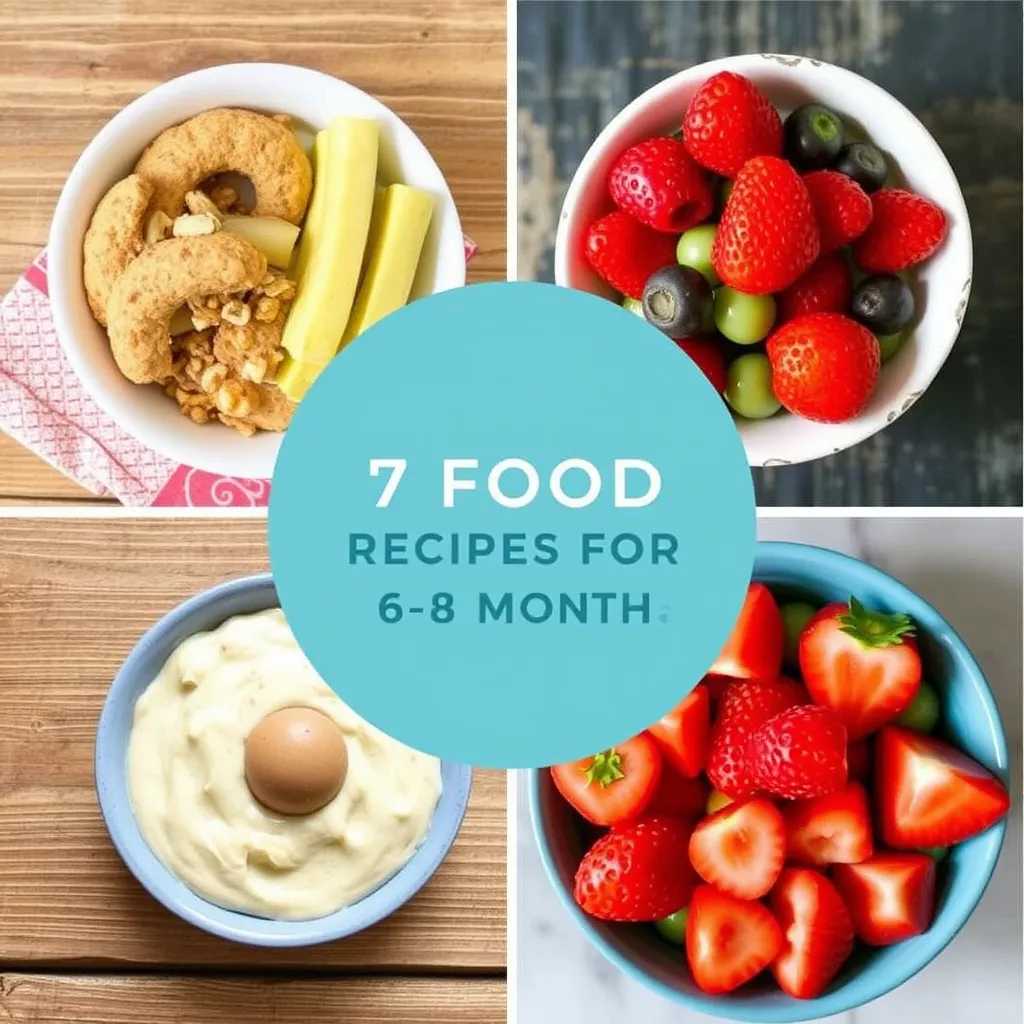
Delicious Baby Food Recipes for 6-8 Months
Welcome to the exciting world of baby food! At 6-8 months, your little one is ready to explore new tastes and textures. This guide will provide you with a variety of healthy, easy-to-make baby food recipes that are perfect for this stage. Whether you’re looking for simple purees or more adventurous combinations, we’ve got you covered!
Table of Contents
Key Takeaways:
- Introducing solid foods at 6-8 months is crucial for your baby’s development.
- Start with single-ingredient purees to identify any allergies.
- Gradually introduce more complex flavors and textures.
- Ensure all ingredients are fresh and organic when possible.
- Always consult with your pediatrician before starting solids.
Why Introduce Solids at 6-8 Months?
At around 6 months, babies start to need more nutrients than breast milk or formula alone can provide. Introducing solids helps them get the extra energy and nutrients they need for growth and development. It also helps them develop their oral motor skills and learn to eat from a spoon.
Getting Started with Baby Food
When introducing solids, start with single-ingredient purees. This helps you identify any potential allergies or sensitivities. Here are some tips to get you started:
- Choose Fresh Ingredients: Use fresh fruits, vegetables, and grains whenever possible.
- Cook Thoroughly: Ensure all ingredients are well-cooked to avoid choking hazards.
- Puree Smoothly: Use a blender or food processor to create smooth, lump-free purees.
- Store Properly: Store leftover purees in the refrigerator for up to 24 hours or freeze them in ice cube trays for later use.
Healthy Baby Food Recipes for 6-8 Months
1. Avocado Puree
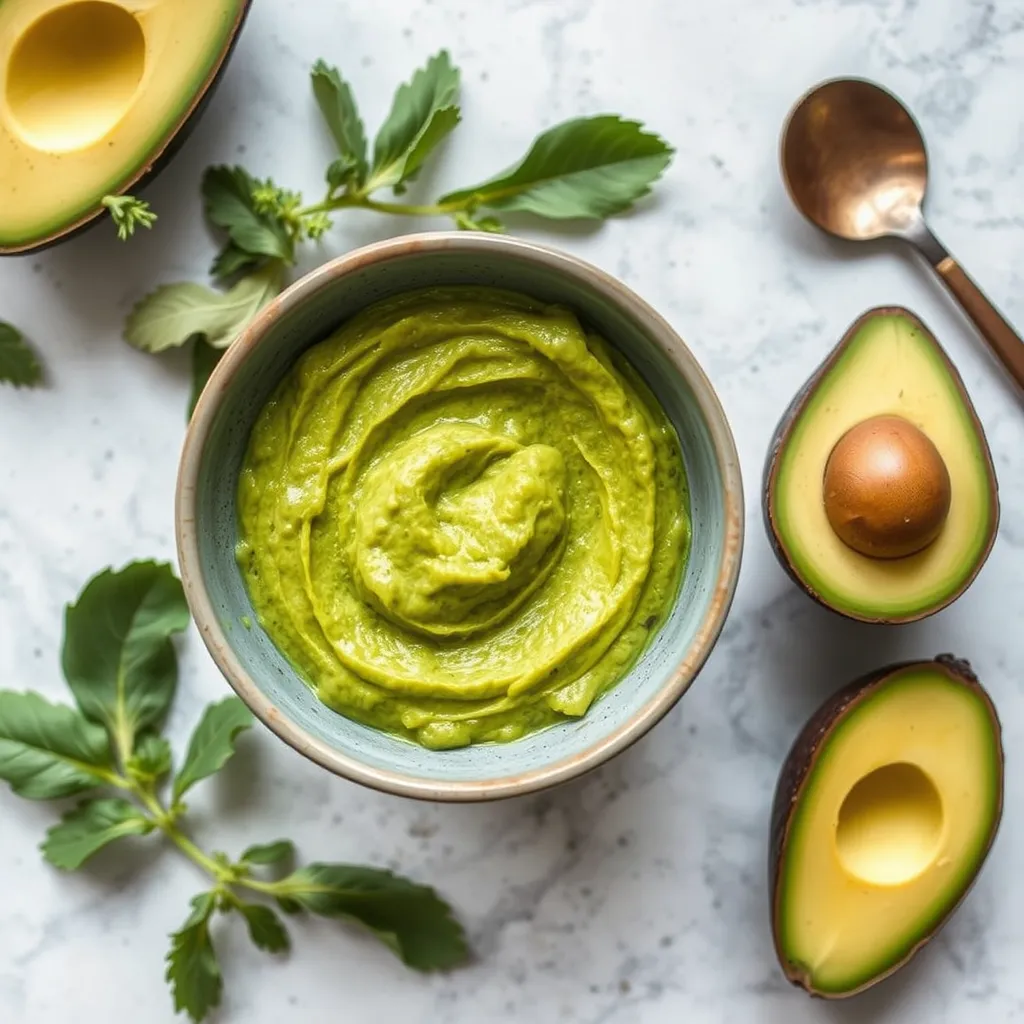
PreviewAvocado is a fantastic first food for babies due to its creamy texture and high nutrient content.
Ingredients:
- 1 ripe avocado
- 1-2 tablespoons of water or breast milk (optional)
Instructions:
- Peel and pit the avocado.
- Place the avocado flesh in a blender or food processor.
- Add water or breast milk if needed to achieve the desired consistency.
- Blend until smooth.
👶 Gentle & Safe Feeding Tools Parents Trust
These are popular, parent-approved items that make this easier and less stressful.
Makes smooth purees fast and saves cleanup time.
👉 Check Price on AmazonPerfect for storing meals safely in the fridge or freezer.
👉 See on AmazonGentle on gums and easy for first feeds.
👉 View on Amazon
- INTRODUCE SOLIDS SAFELY: Haakaa’s award-winning Silicone Feeder features a pouch with fine holes that allow only tiny fo…
- EASE TEETHING DISCOMFORT: Freeze breastmilk or other foods and insert into the pouch to provide soothing relief for your…
- PROMOTES INDEPENDENT FEEDING: Designed with an easy-to-hold ring suitable for tiny hands, our Feeder fosters self-feedin…
2. Sweet Potato Puree
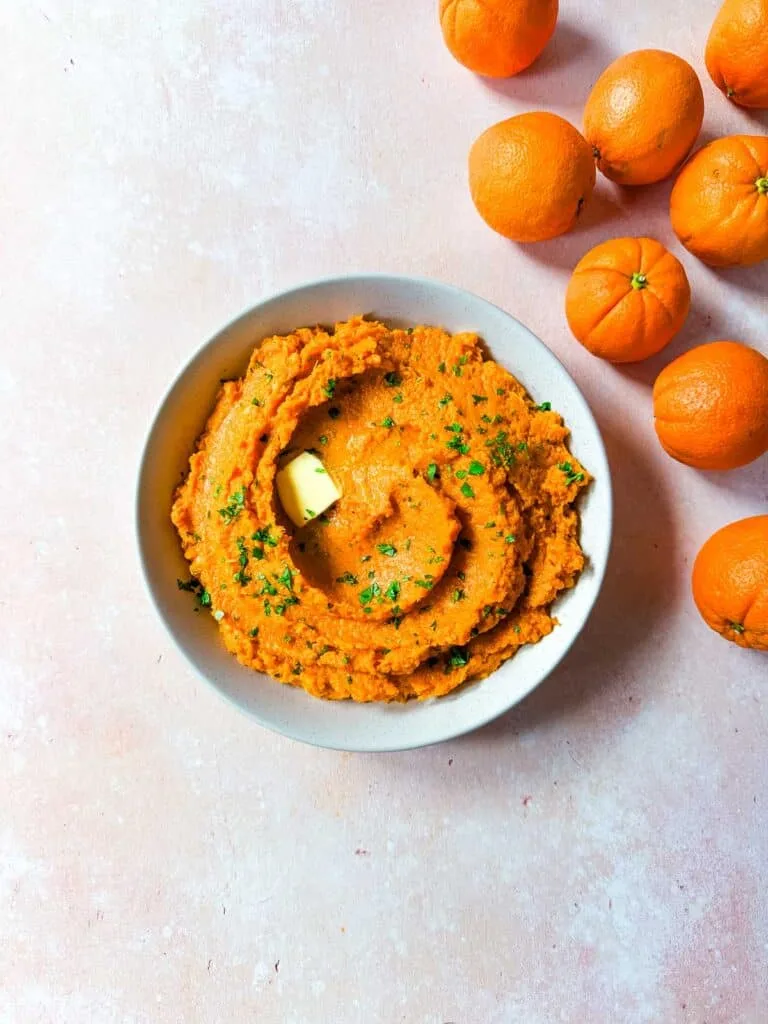
Sweet potatoes are rich in vitamins and minerals, making them an excellent choice for your baby’s first foods.
Ingredients:
- 1 medium sweet potato
- 1-2 tablespoons of water or breast milk (optional)
Instructions:
- Peel and chop the sweet potato into small pieces.
- Boil the sweet potato in a pot of water until tender.
- Drain the water and place the sweet potato in a blender or food processor.
- Add water or breast milk if needed to achieve the desired consistency.
- Blend until smooth.
👶 Gentle & Safe Feeding Tools Parents Trust
These are popular, parent-approved items that make this easier and less stressful.
✅ Grownsy Baby Food Maker
Makes smooth purees fast and saves cleanup time.👉 Check Price on Amazon
✅ Squeeze Station for Homemade Baby Food
Perfect for storing meals safely in the fridge or freezer.👉 See on Amazon
✅ Glass Baby Food Storage Jars
Gentle on gums and easy for first feeds.👉 View on Amazon
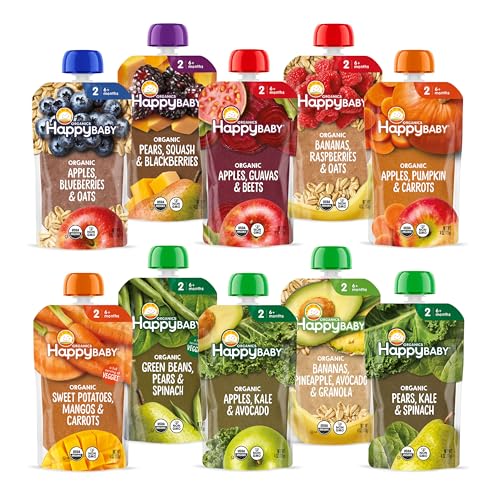
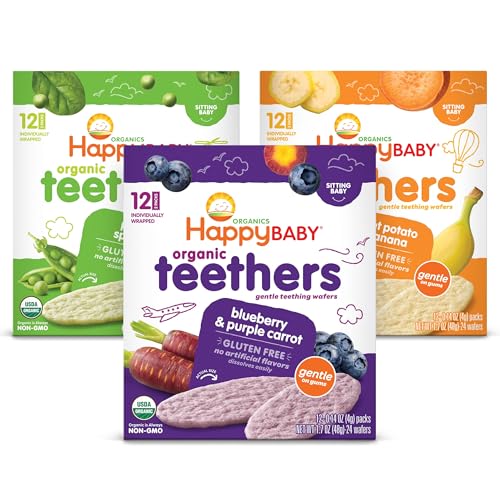
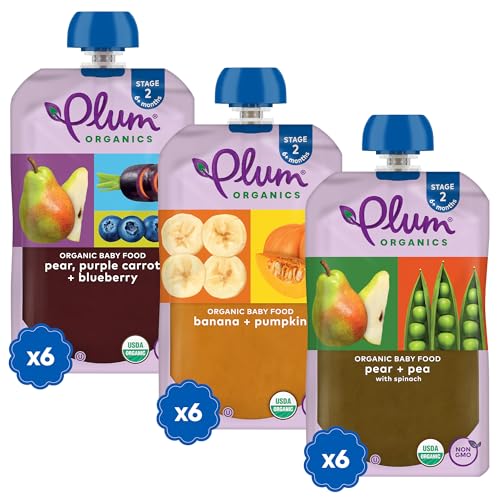
3. Apple and Pear Puree
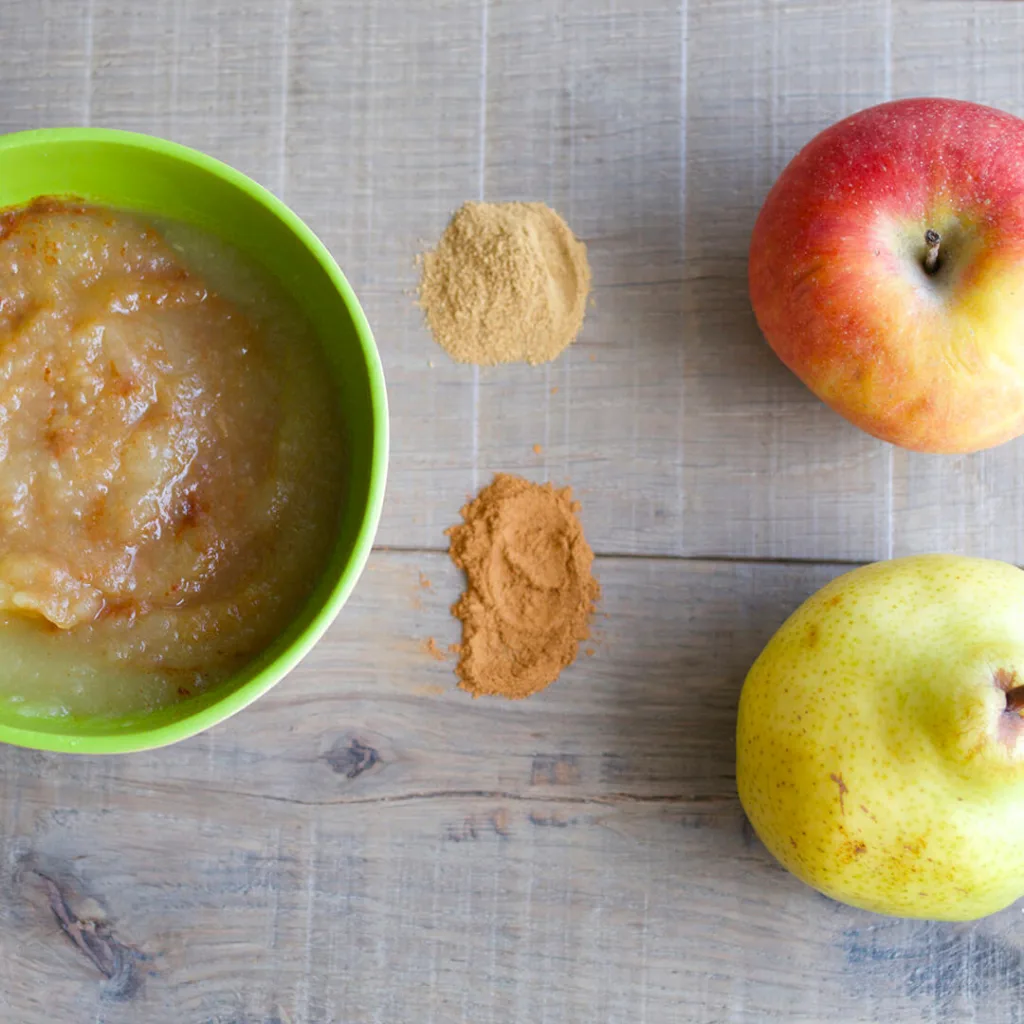
This sweet and fruity puree is a favorite among babies and is easy to prepare.
Ingredients:
- 1 apple, peeled and cored
- 1 pear, peeled and cored
- 1-2 tablespoons of water or breast milk (optional)
Instructions:
- Chop the apple and pear into small pieces.
- Steam the fruit until tender.
- Place the steamed fruit in a blender or food processor.
- Add water or breast milk if needed to achieve the desired consistency.
- Blend until smooth.
4. Carrot and Pea Puree
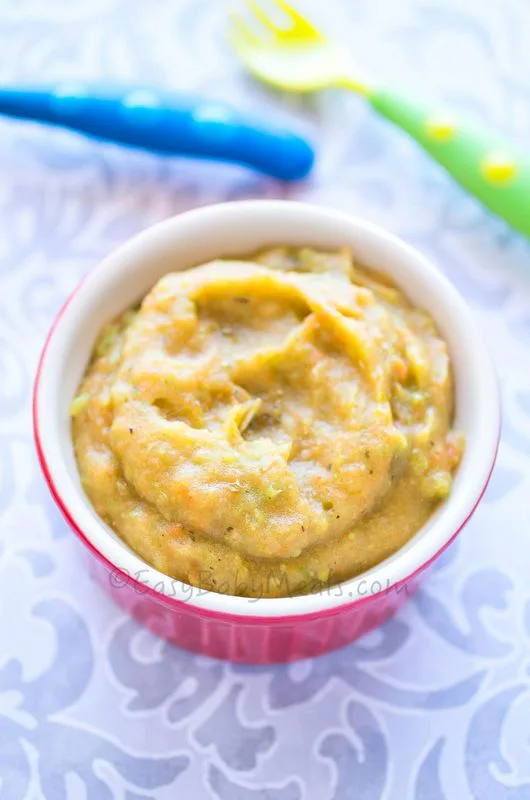
This colorful and nutritious puree is packed with vitamins and minerals.
Ingredients:
- 1 cup of carrots, peeled and chopped
- 1 cup of peas
- 1-2 tablespoons of water or breast milk (optional)
Instructions:
- Boil the carrots and peas in a pot of water until tender.
- Drain the water and place the vegetables in a blender or food processor.
- Add water or breast milk if needed to achieve the desired consistency.
- Blend until smooth.

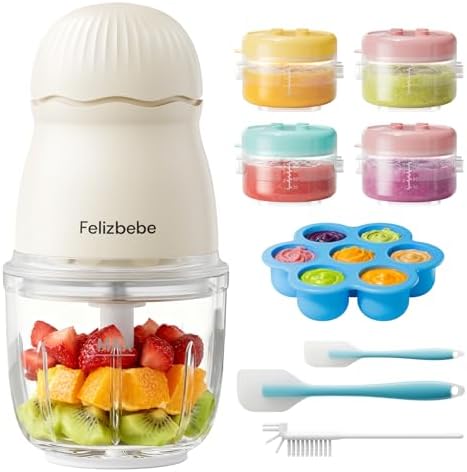

5. Banana and Blueberry Puree
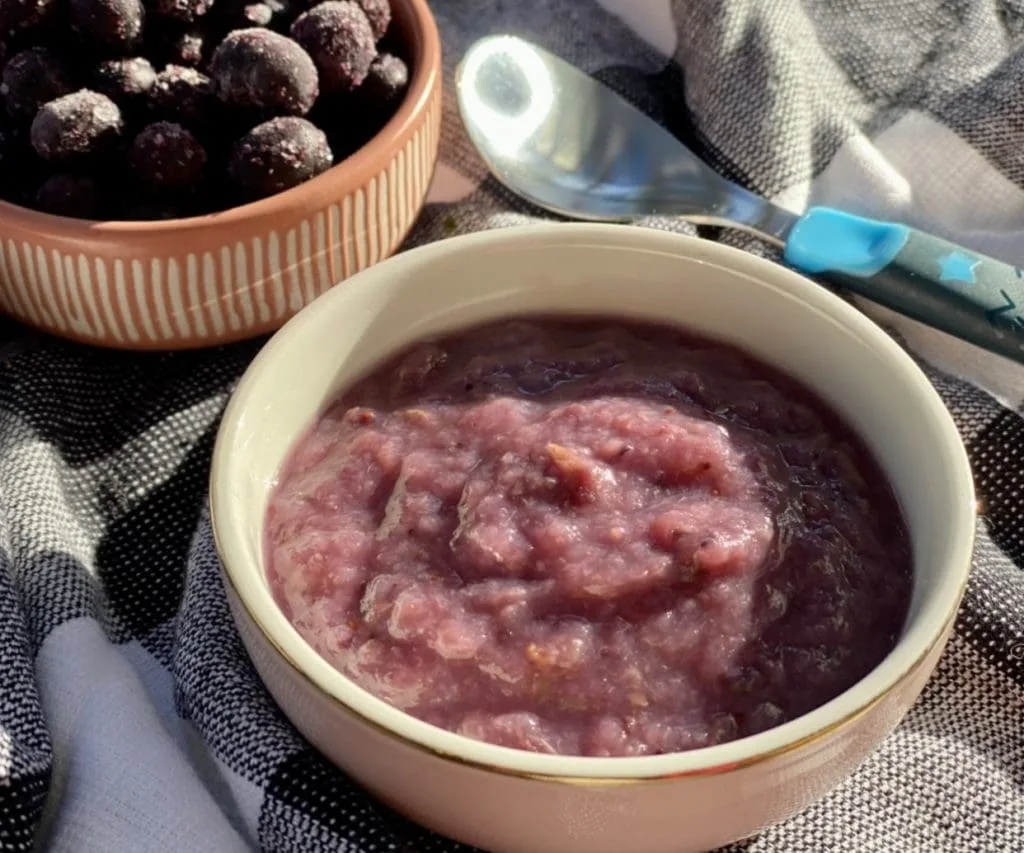
This sweet and tangy puree is a delightful treat for your little one.
Ingredients:
- 1 banana, peeled and mashed
- 1/2 cup of blueberries
- 1-2 tablespoons of water or breast milk (optional)
Instructions:
- Mash the banana in a bowl.
- Blend the blueberries in a blender or food processor until smooth.
- Mix the mashed banana and blended blueberries together.
- Add water or breast milk if needed to achieve the desired consistency.
Baby Food Combinations for 8 Months
As your baby grows, you can start introducing more complex flavors and textures. Here are some delicious combinations to try:
1. Quinoa and Butternut Squash
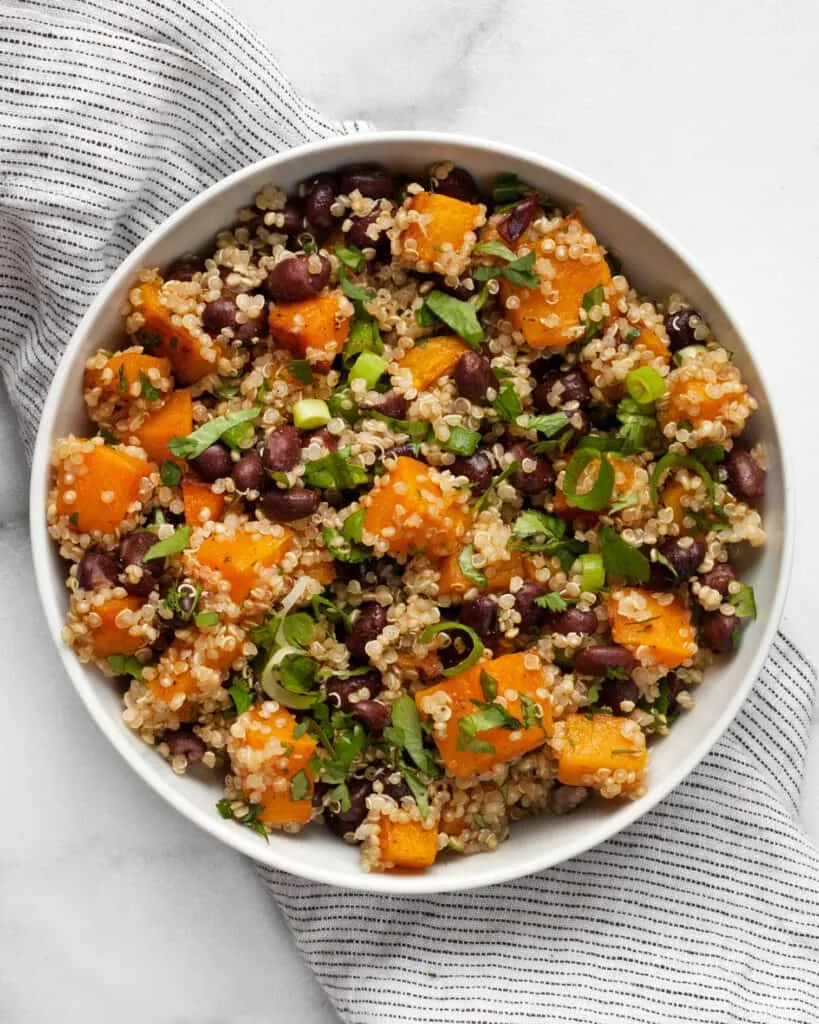
PreviewThis combination is rich in protein and fiber, making it a nutritious choice for your growing baby.
Ingredients:
- 1/2 cup of quinoa
- 1 cup of butternut squash, peeled and chopped
- 1-2 tablespoons of water or breast milk (optional)
Instructions:
- Cook the quinoa according to package instructions.
- Boil the butternut squash in a pot of water until tender.
- Drain the water and place the cooked quinoa and butternut squash in a blender or food processor.
- Add water or breast milk if needed to achieve the desired consistency.
- Blend until smooth.
2. Lentil and Spinach Puree
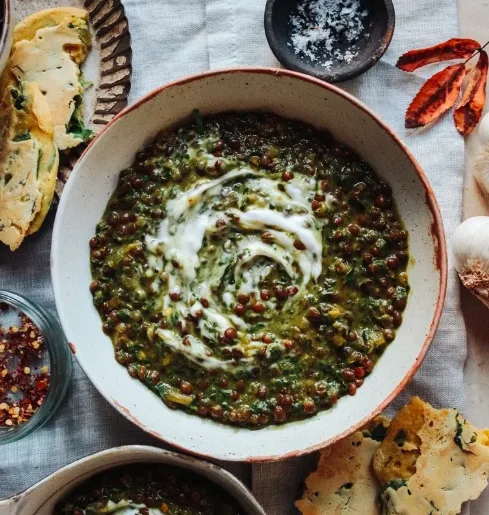
This iron-rich puree is perfect for supporting your baby’s growth and development.
Ingredients:
- 1/2 cup of lentils
- 1 cup of spinach leaves
- 1-2 tablespoons of water or breast milk (optional)
Instructions:
- Cook the lentils according to package instructions.
- Steam the spinach leaves until tender.
- Place the cooked lentils and spinach in a blender or food processor.
- Add water or breast milk if needed to achieve the desired consistency.
- Blend until smooth.
3. Oatmeal and Apple Cinnamon
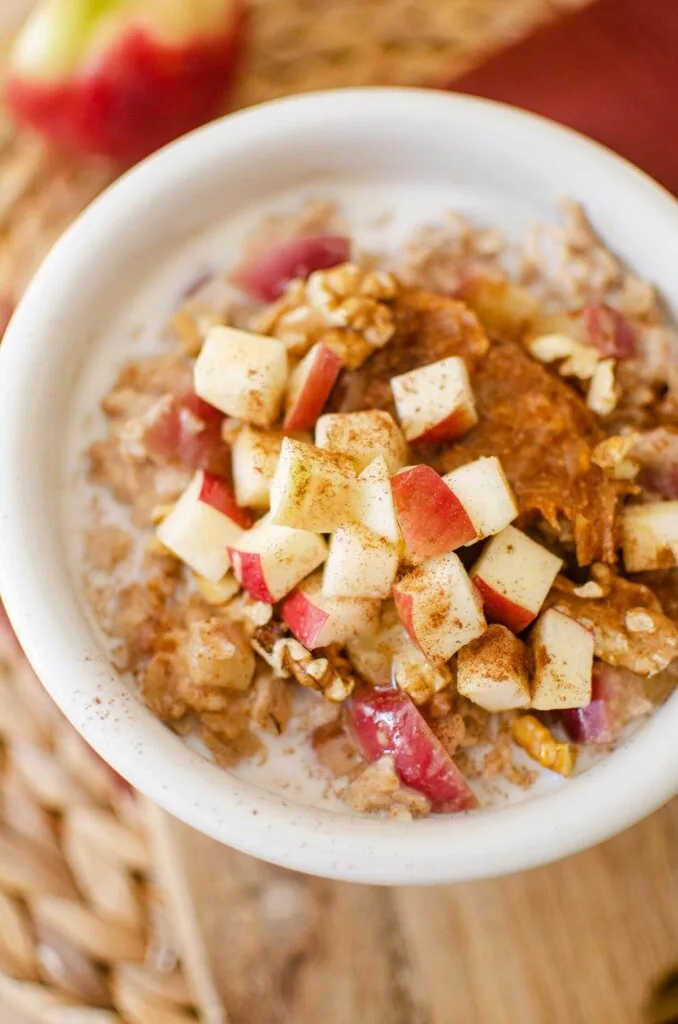
This comforting and flavorful puree is a great way to introduce spices to your baby’s diet.
Ingredients:
- 1/2 cup of rolled oats
- 1 apple, peeled and cored
- 1/4 teaspoon of cinnamon
- 1-2 tablespoons of water or breast milk (optional)
Instructions:
- Cook the rolled oats according to package instructions.
- Steam the apple until tender.
- Place the cooked oats and steamed apple in a blender or food processor.
- Add the cinnamon and water or breast milk if needed to achieve the desired consistency.
- Blend until smooth.
👶 Gentle & Safe Feeding Tools Parents Trust
These are popular, parent-approved items that make this easier and less stressful.
✅ Grownsy Baby Food Maker
Makes smooth purees fast and saves cleanup time.👉 Check Price on Amazon
✅ Squeeze Station for Homemade Baby Food
Perfect for storing meals safely in the fridge or freezer.👉 See on Amazon
✅ Glass Baby Food Storage Jars
Gentle on gums and easy for first feeds.👉 View on Amazon

Baby-Led Weaning Recipes for 6-8 Months
Baby-led weaning (BLW) is an approach where babies feed themselves with whole foods instead of purees. Here are some simple BLW recipes to try:
1. Steamed Vegetables
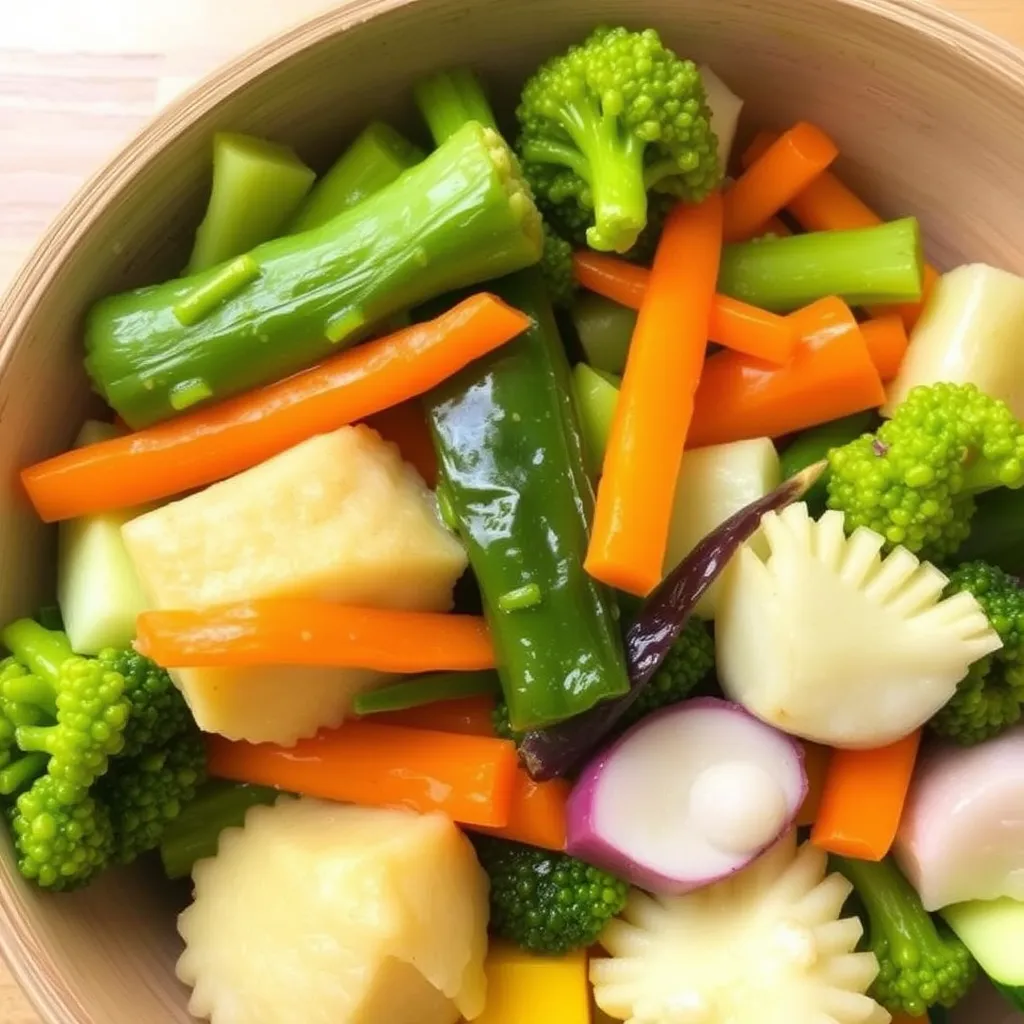
PreviewSteamed vegetables are a great way to introduce your baby to different textures and flavors.
Ingredients:
- Carrots, zucchini, and bell peppers
Instructions:
- Peel and chop the vegetables into long, thin strips.
- Steam the vegetables until tender but still firm enough for your baby to hold.
- Let the vegetables cool slightly before serving.
2. Soft Fruit Slices
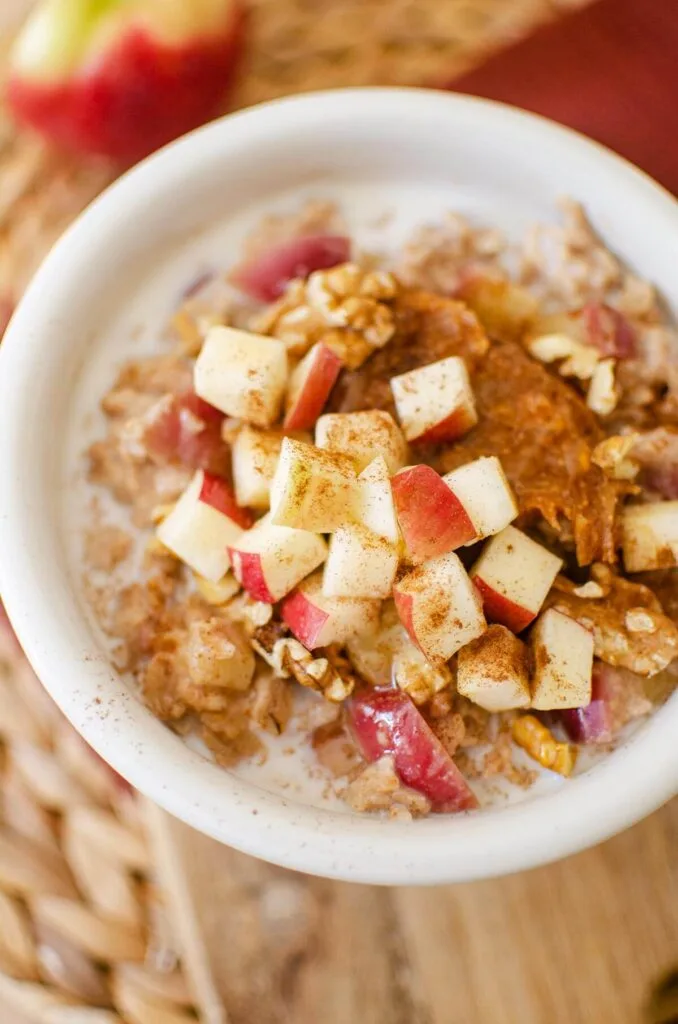
Soft fruits are easy for babies to gum and swallow, making them perfect for BLW.
Ingredients:
- Bananas, peaches, and pears
Instructions:
- Peel and slice the fruits into thin, manageable pieces.
- Offer the fruit slices to your baby, allowing them to explore and enjoy the flavors.
👶 Gentle & Safe Feeding Tools Parents Trust
These are popular, parent-approved items that make this easier and less stressful.
✅ Grownsy Baby Food Maker
Makes smooth purees fast and saves cleanup time.👉 Check Price on Amazon
✅ Squeeze Station for Homemade Baby Food
Perfect for storing meals safely in the fridge or freezer.👉 See on Amazon
✅ Glass Baby Food Storage Jars
Gentle on gums and easy for first feeds.👉 View on Amazon


3. Avocado and Cheese Cubes
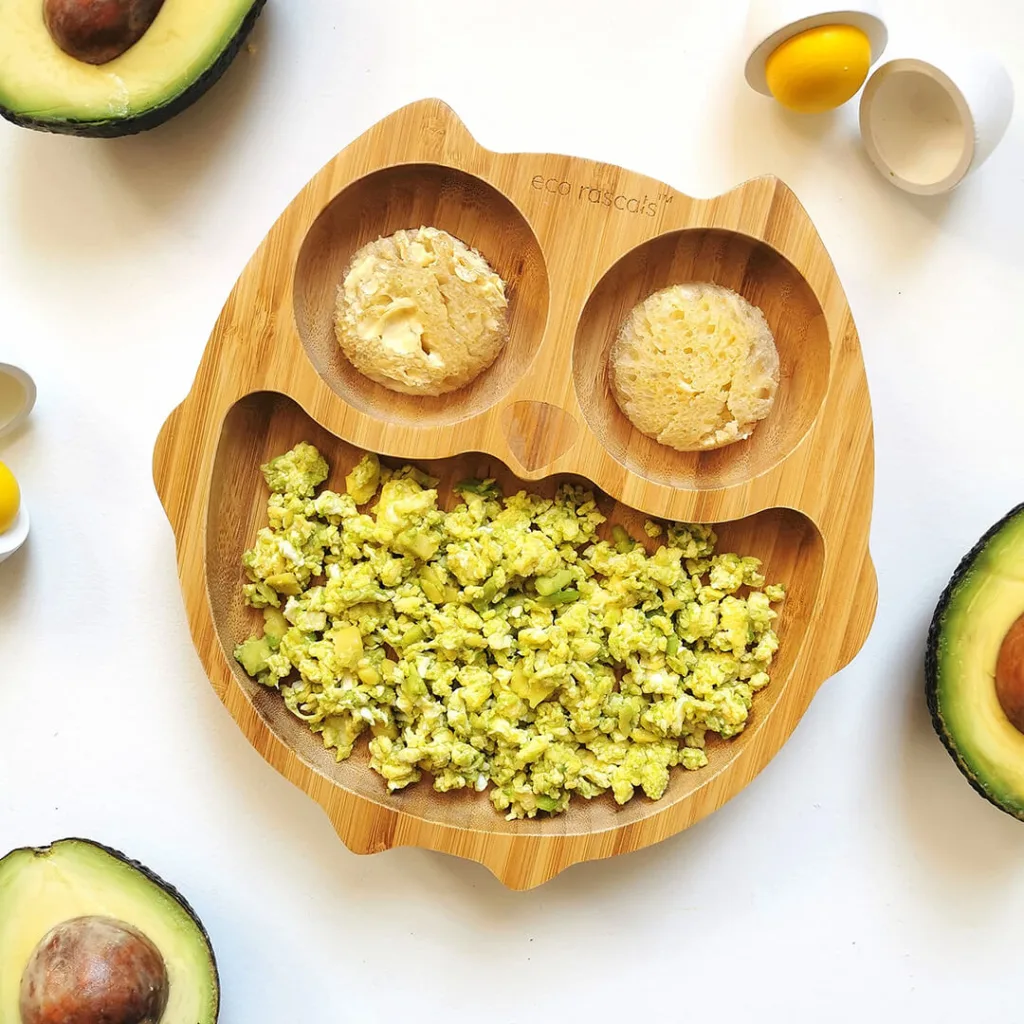
This combination of creamy avocado and mild cheese is a hit with babies.
Ingredients:
- Avocado, peeled and cubed
- Mild cheese, cut into small cubes
Instructions:
- Cube the avocado and cheese into small, bite-sized pieces.
- Place the cubes on a plate and let your baby pick them up and eat at their own pace.
Frequently Asked Questions (FAQ)
Q: When should I start introducing solids to my baby?
A: Most pediatricians recommend starting solids at around 6 months of age. However, always consult with your pediatrician to determine the best time for your baby.
Q: How often should I feed my baby solids?
A: Start with one meal a day and gradually increase to two or three meals as your baby gets used to solids. Always offer breast milk or formula alongside solids.
Q: Can I mix different fruits and vegetables in the same puree?
A: Yes, you can mix different fruits and vegetables to create tasty and nutritious combinations. Just make sure to introduce new ingredients one at a time to monitor for any allergic reactions.
Q: What should I do if my baby doesn’t like a certain food?
A: Don’t force your baby to eat something they don’t like. Try offering the food again in a few days or weeks. Babies’ tastes can change over time.
Q: How do I know if my baby is ready for finger foods?
A: Your baby is ready for finger foods when they can sit up unassisted, bring objects to their mouth, and show interest in what you’re eating. Start with soft, easy-to-gum foods and progress to more challenging textures as your baby grows.
Conclusion
Introducing solids to your 6-8 month old is an exciting milestone. With these healthy and delicious baby food recipes, you can ensure your little one gets the nutrients they need while exploring new flavors and textures. Remember to consult with your pediatrician and always prioritize your baby’s safety and well-being. Happy feeding!
For more baby food ideas and tips, check out our other articles:
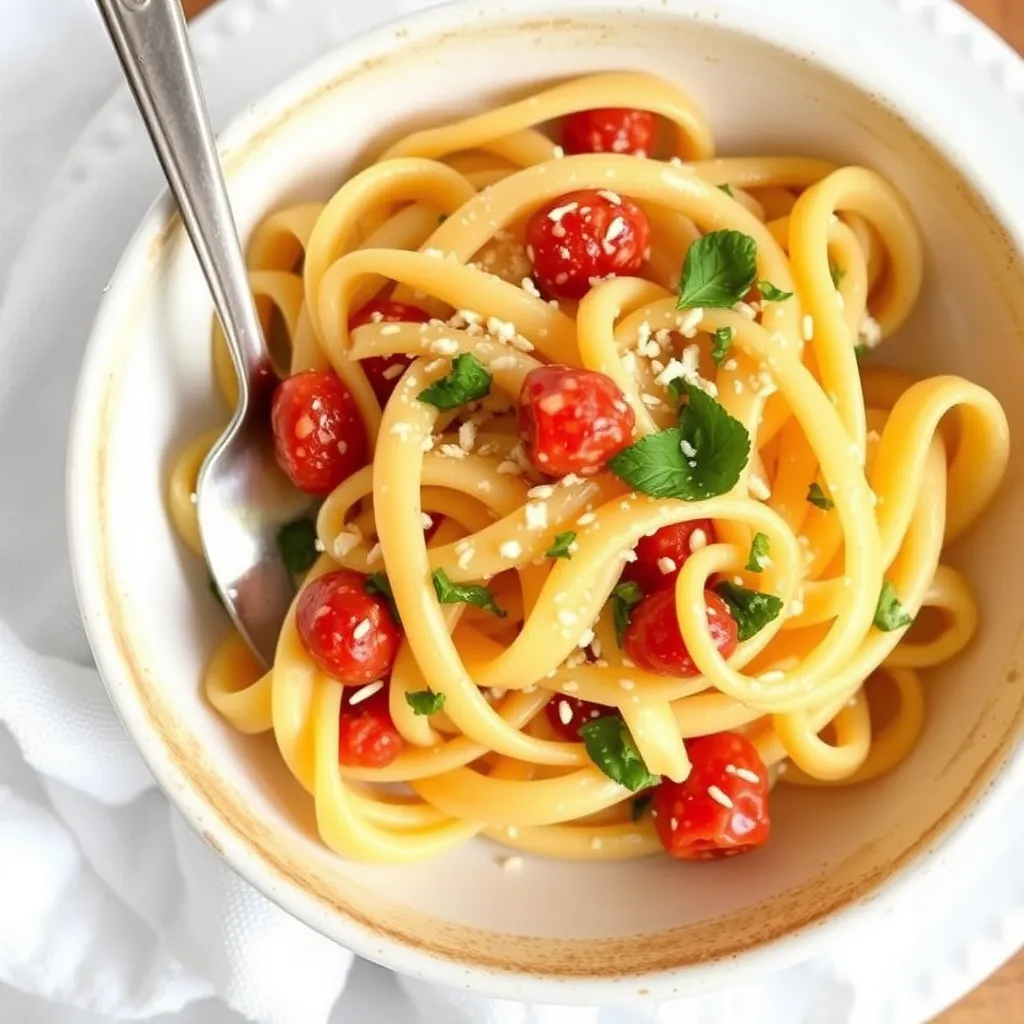
Baby Pasta Recipes That Are Nutritious and Delicious!
When it comes to introducing solid foods to your little one, baby pasta is a fantastic choice. It’s easy to digest, versatile, and can be a fun way to introduce new textures and flavors. Whether you’re shopping for baby pasta at Tesco, baby pasta on Amazon, or looking for a delicious baby pasta recipe, we’ve got you covered. Let’s dive into everything you need to know about baby pasta!
Table of Contents
| Key Takeaways |
|---|
| – Baby pasta is easy to digest and perfect for introducing solids. |
| – Available in various shapes like stars and spirals, making it fun for babies. |
| – Brands like Heinz and Boots offer great options. |
| – Can be introduced to babies as young as 6 months old. |
| – Pair with simple, pureed sauces for a nutritious meal. |
What is Baby Pasta?
Baby pasta is a type of pasta specifically designed for infants and toddlers. It comes in smaller, bite-sized pieces that are easier for little hands to pick up and eat. This makes it a perfect food for babies who are just starting to explore solid foods. Baby pasta is usually made from wheat flour and water, and it can be found in various shapes like stars, spirals, and even alphabets.
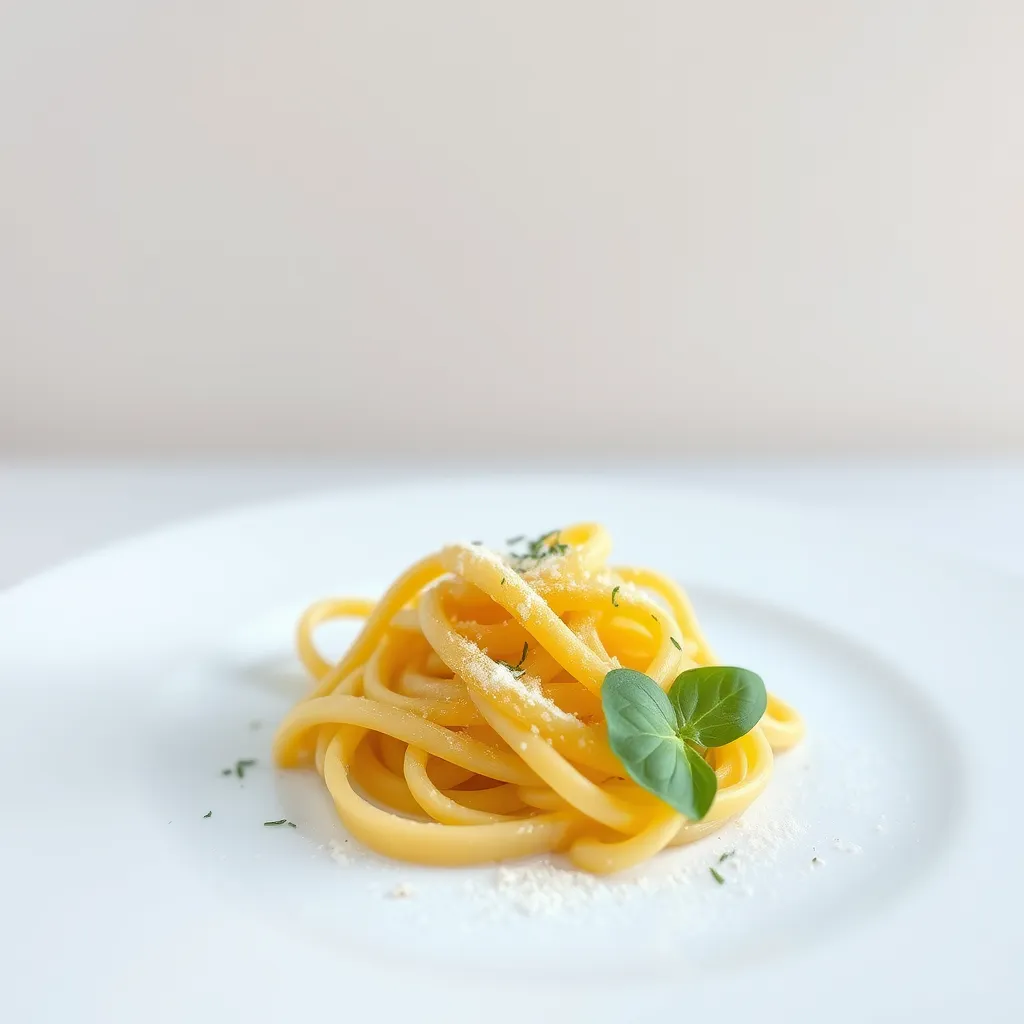
When Can Babies Eat Pasta?
Babies can start eating baby pasta as early as 6 months old. At this age, they are typically ready to try a variety of solid foods. However, it’s always a good idea to consult with your pediatrician before introducing any new food to your baby’s diet. They can provide personalized advice based on your baby’s development and nutritional needs.
⭐ What Parents Use When Making This
These are popular, parent-approved items that make this easier and less stressful.
Makes smooth purees fast and saves cleanup time.
👉 Check Price on AmazonPerfect for storing meals safely in the fridge or freezer.
👉 See on AmazonGentle on gums and easy for first feeds.
👉 View on AmazonTypes of Baby Pasta
There are several types of baby pasta available, each with its own unique shape and size. Here are some popular options:
- Pasta Stars: These small, star-shaped pieces are perfect for little fingers to grasp. They’re also cute and fun for babies to eat!
- Spirals: Spiral-shaped pasta adds a bit more texture and can be a great way to introduce different shapes to your baby.
- Alphabet Pasta: Alphabet-shaped pasta can be a fun and educational way to introduce letters to your little one.
- Macaroni: Small macaroni pieces are another excellent option for babies. They’re easy to chew and can be mixed with a variety of sauces.
Where to Buy Baby Pasta
You can find baby pasta at various stores and online retailers. Here are some popular places to shop:
- Tesco: Tesco offers a wide range of baby pasta products, including organic options and different shapes.
- Boots: Boots has a selection of baby pasta that is suitable for babies and toddlers. They also have a variety of other baby food products.
- Amazon: Amazon is a convenient place to buy baby pasta online. You can find a variety of brands and shapes, and they often have bulk options for better value.
- Heinz: Heinz offers a range of baby pasta products that are specifically designed for infants and toddlers. Their pasta is easy to cook and can be paired with their baby food sauces.
How to Prepare Baby Pasta
Preparing baby pasta is simple and straightforward. Here’s a step-by-step guide:
- Cook the Pasta: Boil water in a pot and add the baby pasta. Cook for about 8-10 minutes or until the pasta is soft and tender. Drain the water and let the pasta cool slightly.
- Mash or Blend (Optional): For younger babies, you can mash the pasta with a fork or blend it into a smooth consistency. This makes it easier for them to swallow.
- Add Sauce: Mix the pasta with a simple, pureed sauce. You can use homemade sauces or store-bought baby food sauces. Some popular options include tomato sauce, cheese sauce, and vegetable purees.
- Serve: Serve the pasta in a small bowl or on a plate. You can also mix in some cooked vegetables or meat for added nutrition.
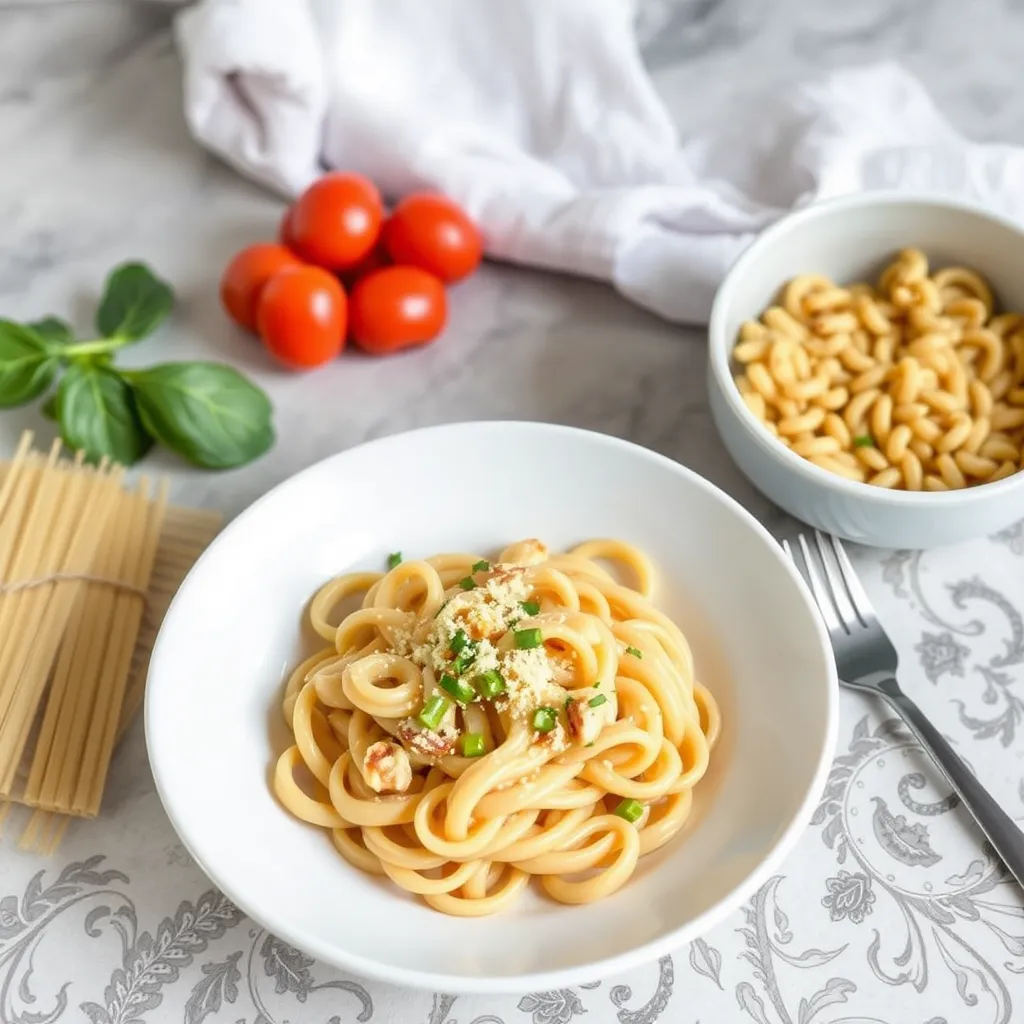
Delicious Baby Pasta Recipes
Here are a few simple and delicious baby pasta recipes that you can try at home:
Tomato and Cheese Pasta
Ingredients:
- 1 cup baby pasta
- 1/2 cup pureed tomatoes
- 1/4 cup grated cheese
- 1/4 cup water
Instructions:
- Cook the baby pasta according to the package instructions. Drain and set aside.
- In a small saucepan, combine the pureed tomatoes and water. Bring to a boil, then reduce heat and simmer for 5 minutes.
- Add the cooked pasta to the sauce and stir well. Sprinkle the grated cheese on top and mix until the cheese is melted.
- Serve the pasta warm. You can also puree the mixture for younger babies.
Vegetable and Cheese Pasta
Ingredients:
- 1 cup baby pasta
- 1/2 cup pureed carrots
- 1/2 cup pureed peas
- 1/4 cup grated cheese
- 1/4 cup water
Instructions:
- Cook the baby pasta according to the package instructions. Drain and set aside.
- In a small saucepan, combine the pureed carrots, pureed peas, and water. Bring to a boil, then reduce heat and simmer for 5 minutes.
- Add the cooked pasta to the sauce and stir well. Sprinkle the grated cheese on top and mix until the cheese is melted.
- Serve the pasta warm. You can also puree the mixture for younger babies.
⭐ What Parents Use When Making This
These are popular, parent-approved items that make this easier and less stressful.
✅ Pasta Maker
Makes smooth purees fast and saves cleanup time. 👉 Check Price on Amazon
✅ All-in-1 Vegetable Chopper with 8 Blades
Perfect for storing meals safely in the fridge or freezer. 👉 See on Amazon
✅ Baby Feeding Bowls with Lids
Gentle on gums and easy for first feeds. 👉 View on Amazon
FAQs About Baby Pasta
Is baby pasta safe for babies under 6 months?
No, it is generally recommended to wait until your baby is at least 6 months old before introducing solid foods, including baby pasta. Always consult with your pediatrician before starting solids.
Can I use regular pasta for my baby?
While you can use regular pasta, baby pasta is specifically designed to be easier for babies to handle and eat. Regular pasta may be too large or difficult for young babies to manage.
How do I introduce baby pasta to my baby?
Start by offering a small amount of cooked and mashed baby pasta mixed with a simple sauce. Observe your baby’s reaction and gradually increase the amount as they get used to the texture and flavor.
What are some good sauces to pair with baby pasta?
Simple, mild sauces like tomato sauce, cheese sauce, and vegetable purees are great choices. Avoid using spicy or strong-flavored sauces, as these can be too overwhelming for young babies.
Can I freeze baby pasta?
Yes, you can freeze cooked baby pasta. Simply cook the pasta, let it cool, and store it in an airtight container or freezer bag. When you’re ready to serve, thaw the pasta and reheat it gently.
Conclusion
Baby pasta is a wonderful food to introduce to your little one. It’s easy to prepare, versatile, and can be a fun way to explore new textures and flavors. Whether you choose baby pasta from Tesco or another retailer, there are plenty of options to suit your baby’s taste and dietary needs. Don’t forget to try out some of our delicious baby pasta recipes to create nutritious and tasty meals for your little one!