
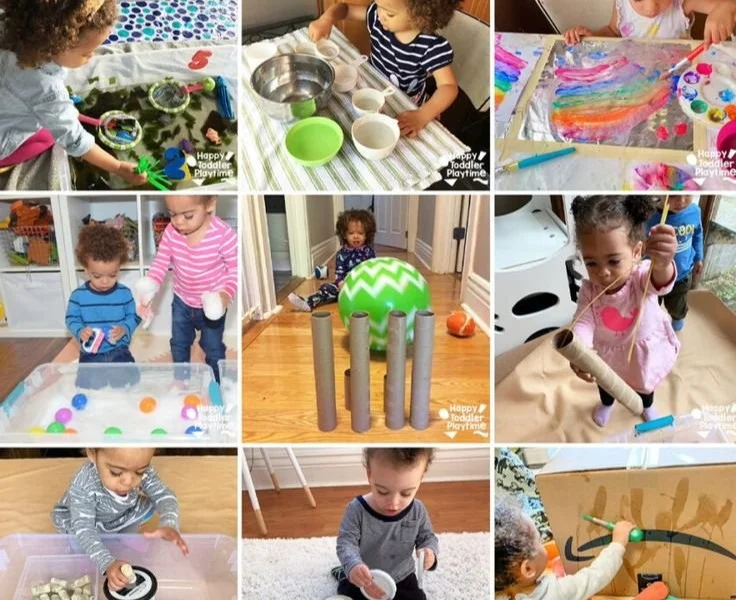
Imagine this: you’ve got an energetic one-year-old who insists on exploring every nook and cranny of your home. It’s that delightful but often overwhelming phase where they seem more curious than ever before. Between the giggles and little tantrums, it can be challenging to come up with activities that will keep them engaged and help with their development. Here’s the thing— playtime isn’t just about fun; it’s also a crucial part of their growth. So, what if I told you there are over 100 activities that are easy to do with one-year-olds that will both entertain and help them learn? Let’s dive into this playful world together!
Engaging Activities for Your One-Year-Old
It’s completely normal to feel stumped when trying to brainstorm activities for little ones. They have such short attention spans, don’t they? So, look at these ideas as a toolkit. Having a variety of options makes it easier to grab something that fits your day. This way, you’ll end up with fewer “What now?” moments!
Creative Exploration
Sensory Bins
Sensory bins are a great way to allow your child to explore different textures, colors, and shapes. Just remember to supervise closely!
- Materials: Rice, dried beans, or sand.
- Action: Let your child scoop, pour, and hide objects in the bin.
Water Play
Water play is a classic and for a good reason—it’s always popular!
- Materials: Plastic cups, spoons, and small toys.
- Action: Fill a shallow container with water and let your toddler splash around.
Play Dough
If you haven’t tried making play dough yet, you absolutely should. It’s simple and so much fun!
- Materials: Flour, water, salt, and food coloring.
- Action: Let your toddler squish and roll the dough into shapes.
Movement Activities
Toddlers have boundless energy! Here are a few activities that get them moving and grooving.
Dance Party
Crank up some tunes and have a mini dance party!
- Materials: Just some fun music.
- Action: Encourage your baby to wiggle, clap, and dance along with you.
Obstacle Course
You’d be amazed at what a little furniture rearrangement can do.
- Materials: Cushions, boxes, and soft toys.
- Action: Create a simple course for your toddler to crawl over and around.
Nature Walk
Just stepping outside can be an adventure.
- Materials: None needed!
- Action: Take your little one outside and explore the area—talk about what you see, hear, and smell.
Building Blocks of Learning
You’re probably aware that this age is crucial for cognitive development. Here are some activities to stir their intellect.
Sorting Games
Sorting helps toddlers recognize similarities and differences in objects.
- Materials: Blocks, colored balls, or even kitchen utensils.
- Action: Encourage your child to organize objects by color, size, or shape.
Story Time
This one is a classic and so easy to incorporate.
- Materials: Picture books.
- Action: Read aloud to your child using different voices and expressions. You can even ask questions about the pictures!
Puzzles
Simple puzzles can be both fun and educational.
- Materials: Age-appropriate puzzles.
- Action: Sit with your child and help them fit pieces together.
Imaginative Play
Imaginative play is wonderful for developing creativity and social skills.
Role Play
Toddlers love mimicking adults; let’s put that to good use!
- Materials: Old clothes or hats.
- Action: Dress up and pretend to be someone else. Maybe a chef or a doctor!
Kitchen Adventures
Cooking can be a big hit—just be sure to keep it safe.
- Materials: Ingredients and utensils (plastic ones for toddlers).
- Action: Let them help you measure and mix (with supervision, of course).
Fun and Artsy Projects
Creativity comes in many forms, so let your little artist shine!
Finger Painting
Let’s be honest: mess is part of the deal.
- Materials: Non-toxic washable paints and paper.
- Action: Set up a finger painting station. Just watch the magic happen!
Sticking and Stamping
This is a lot like painting, but with a twist!
- Materials: Stickers or stamps and paper.
- Action: Allow your child to explore their creativity by placing stickers or stamping shapes on paper.
Color Scavenger Hunt
Turn colors into a fun game!
- Materials: Colorful objects around the house.
- Action: Ask your toddler to find something red, blue, or yellow, giving them a chance to move around.
Discovery Activities
Let’s take the exploration a step further.
Magnifying Glass Discovery
If you have a magnifying glass lying around, it can be a great tool for exploration.
- Materials: Magnifying glass and natural objects (like leaves or rocks).
- Action: Show your toddler how to look at things up close.
Mirror Play
Mirrors can be mesmerizing for little ones!
- Materials: A safe, shatterproof mirror.
- Action: Let your toddler explore their reflection while encouraging them to make different faces.
Quick Tips to Keep Things Running Smoothly
- Routine is Key: Keep a flexible schedule, but try for some consistency. It’ll make your toddler feel more secure and reduce those "What’s next?" moments.
- Embrace the Mess: Let’s face it—kids are messy. Rather than stressing, set up designated areas where mess can happen, like outside or the kitchen.
- Safety First: Always check that the items they’re playing with are safe and appropriate for their age.
Mistakes to Avoid
As with any parenting journey, it’s easy to make common mistakes. Here are a few to keep in mind:
- Over-scheduling activities can lead to overwhelmed toddlers.
- Ignoring your child’s cues can make them feel lost. Pay attention to what excites them.
- Forgetting that less is often more. Simple activities can yield the best results.
Frequently Asked Questions
How long should I spend on each activity?
Since toddlers have short attention spans, it’s best to keep activities to around 10-15 minutes each, especially those that require focus.
What if my toddler doesn’t seem interested?
That’s okay! Kids can be fickle. If one activity doesn’t captivate them, give them space and try something different later.
Is it okay to let them play alone?
For short periods, yes, but always supervise. You can make it a “quiet time” where they explore independently while you keep an eye out.
Bonus Ideas for Extra Fun
- Dance with scarves or ribbons for a visual and physical activity.
- Create a “yes” space—an area with safe items that your child can explore freely.
- Introduce musical instruments, even simple ones like pots and wooden spoons.
Conclusion
As parents, we want the best for our children, and play is a significant part of their learning journey. You’re not alone in feeling challenged. By incorporating these 100+ activities into your routine, you’ll find that nurturing their curiosity can also be rewarding for you. If you need inspiration for themed activities, check out the fun ideas in this craft and party post and consider trying the artistic adventures from All About Me Art Activities. For some playful baking experiences, look into this baking soda balloon experiment or even creating your very own DIY texture rolling pin with tips from DIY ideas. Happy playing!