
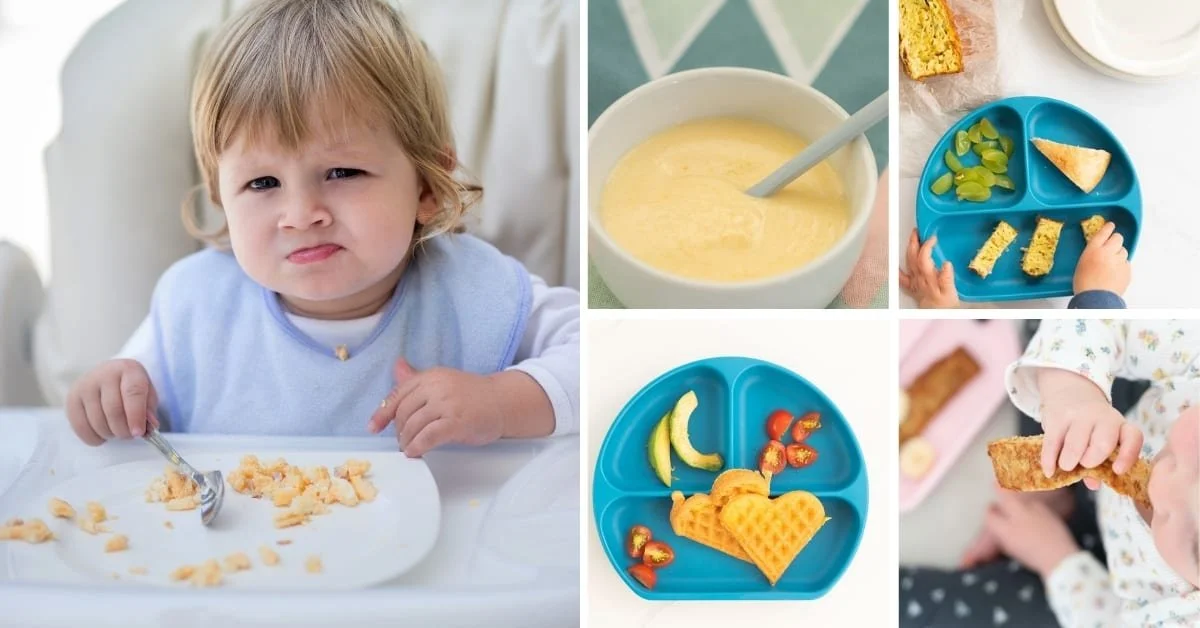
Introducing Eggs to Baby
Imagine you’ve finally decided to introduce solid foods to your little one. You’ve navigated through endless lists of “what’s safe,” and now you’re here considering eggs. Here’s the thing: introducing eggs to your baby can feel both exciting and nerve-wracking. You might be asking, “Am I doing this right?” Trust me, you’re not alone in this little parenting puzzle.
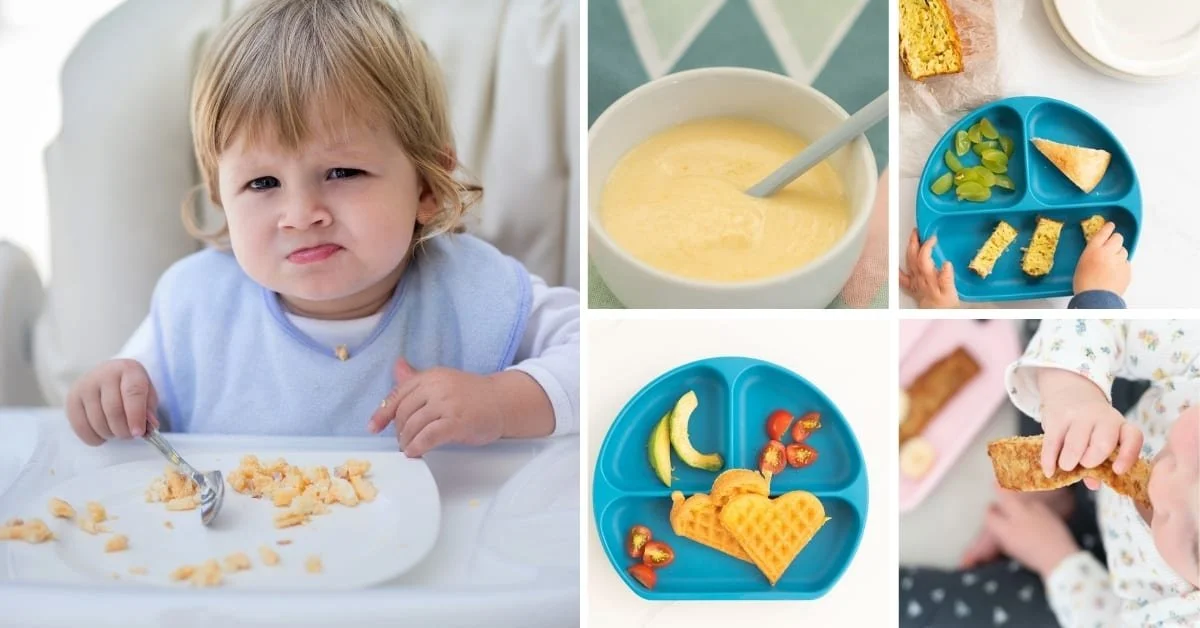
Why Eggs?
Eggs are a powerhouse of nutrition; they’re rich in protein, vitamins, and minerals, making them a great choice for growing babies. They can boost brain development and provide essential fatty acids. Just picture your tiny tot getting all those vital nutrients from a simple scrambled egg or a creamy egg yolk! Plus, eggs are so versatile; they can be boiled, scrambled, or even made into an omelet.
When to Introduce Eggs
So, when exactly should you introduce eggs to your baby? The general recommendation is to start around 6 months, as this is when most babies are ready for solid foods. But before you whip up that first egg dish, let’s talk about the signs of readiness.
Make sure your baby can sit up with support and shows interest in food. You want to feel confident that your little one is ready to embark on this culinary adventure. Feeling unsure? That’s completely normal; we’ve all been there! If you want to explore more about baby development milestones, you should check out this helpful guide.
How to Prepare Eggs Safely
When preparing eggs for your baby, focus first on the method of cooking. Hard-boiled eggs and scrambled eggs are excellent choices because they’re fully cooked. Here’s a quick rundown on how to cook eggs safely:
Hard-boiled eggs: Place the eggs in a pot, cover them with water, and bring them to a boil. Once boiling, cover, and remove from heat. Let them sit in the hot water for about 9-12 minutes, then cool in ice water before peeling.
Scrambled eggs: Crack the eggs into a bowl, whisk them well, and cook in a non-stick skillet over low heat. Make sure they’re fully cooked and solidified before serving.
Now, you might wonder if it’s okay for your baby to eat both the whites and yolks. It’s generally recommended to introduce the yolk first, as egg whites can sometimes cause allergic reactions. Once you’re assured that your little one handles the yolk well, you can try adding the whites later.
Signs of Allergies
As with any new food, it’s crucial to watch for any signs of allergies. Symptoms can include hives, rashes, or even more severe reactions like difficulty breathing. The first time you introduce eggs, consider trying it early in the day so you can monitor any reactions throughout the day. Here’s a real tip: keep a food diary! It can be a great way to track what your baby eats and spot any patterns.
Funny Egg Recipes to Try
Getting creative in the kitchen can make the introduction of eggs a lot more fun! Here are a couple of easy recipes you can whip up:
Egg and Avocado Mash: Mash a boiled egg with a bit of ripe avocado for a creamy, nutritious treat.
Veggie Omelet: Incorporate finely chopped veggies into scrambled eggs. Spinach, bell peppers, and even zucchini mix well and can make the dish colorful and flavorful.
If you want to explore even more fun ideas that might inspire your baby’s meals, consider checking out these super budget-friendly shower ideas for parents: innovative tips.
Incorporating Eggs into Your Baby’s Diet
Once your baby has successfully tried eggs without any allergies, think about incorporating them into their diet regularly. They can be a delightful addition to breakfast, lunch, or even dinner. They make an excellent protein source, so feel free to mix them with other healthy foods. The sky’s the limit!
Balancing with Other Foods
While eggs are great, it’s important to balance them with a variety of other foods. You could offer fruits, veggies, grains, and even proteins like legumes or fish to ensure your little one gets a well-rounded diet. Meal diversity not only supports nutrition but also exposes your baby to various flavors, helping to develop their palate from an early age.
Conclusion
Introducing eggs to your baby can be a joyful experience filled with exploration and tasty discoveries. Just remember to start slow, watch for any reactions, and get creative in the kitchen. As you embark on this adventure, consider learning more about when to introduce other common foods and allergens to your child by visiting these expert guidelines. Additionally, for a deeper dive into safe egg consumption for infants, check out this resource on the safety of eggs for babies. Enjoy these moments and happy feeding!