
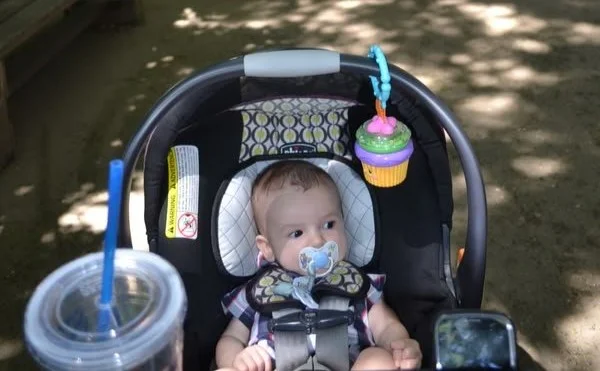
Exploring the Joys of Infant Milestones
Picture this: You’re sitting on the floor surrounded by colorful toys, and there lies your little one, staring at those squishy blocks. You can practically feel the excitement in the air, knowing that they’re about to hit an important milestone. It’s a thrilling time filled with tiny victories and proud moments. As parents, we cherish these stages of development where each new skill brings our babies closer to the world around them. Let’s dive into these key milestones that not only signify growth but also keep parents on their toes.
Understanding Infant Development
Now, you might be wondering why these milestones are so crucial. They serve as markers for physical, emotional, and cognitive growth. Each stage comes with new challenges and exciting moments. Here’s the thing: While the timeline for these milestones can vary, knowing what to expect can help you celebrate each moment.
The Big Ones: Major Milestones
Crawling: This one often comes around 7 to 10 months. It’s a game changer. Not only does it give your baby newfound freedom, but it also opens up a whole new world of exploration. Keep an eye on those little hands!
First Words: By around 12 months, babbling transforms into real words. When your baby calls you "Mama" or "Dada," it hits differently. It’s like they’ve finally found the code to connect with you.
Walking: The big step (literally) usually happens between 10 to 15 months. Remember that moment when your child takes their first few steps? You may even find yourself holding your breath in anticipation!
Social Smiles and Laughter: Those adorable giggles around 3 months are not just cute; they represent your baby’s social development. They’re learning about connection and joy in interaction.
Fine Motor Skills: By age 2, you’ll see improvements in those tiny fingers as they learn to stack blocks or turn pages in a book. This skill, although small, helps them gain confidence.
The Emotional Side of Things
It’s essential to recognize that emotional milestones are just as vital. Your baby’s first smile, giggle, or expression of frustration is a sign of their emotional development. They learn to communicate their needs and feelings through these expressions. Believe me, we’ve all been there when our little ones start throwing tantrums – it’s completely normal! You’ll find that understanding these emotional cues will make parenting a bit easier.
Creating a Nurturing Environment
So, how can you support your baby’s development? It starts with the environment. Here are a few tips that I’ve found helpful:
Encourage Exploration: Childproof your space and let them roam. It’s safe for them to explore while they learn about their surroundings.
Playtime is Learning Time: Engage in activities that boost their motor skills, like stacking toys. You could even incorporate snack time with engaging breakfast ideas that are freezer-friendly, perfect for busy mornings. Check out these delicious options.
Read Together: Yes, starting early counts! Reading simple books introduces them to language and strengthens the bond between you two.
Be Present: Spend quality time with them. Simple acts like making eye contact or responding to their coos can inspire them to keep communicating.
The Joys and Challenges of Toddlerhood
As your baby transitions to a toddler, you’ll see them developing a sense of independence. This stage can be thrilling but challenging, too – anyone else feel like they’re training for a marathon just to keep up? During this era, your toddler may assert themselves and test boundaries. We’ve all been there, right? It’s part of their development.
Here are some great ways to make this journey smoother:
Establish Routines: Kids thrive on routines. Whether it’s storytime before bed or regular snack times, they will feel more secure knowing what to anticipate.
Outdoor Adventures: Kids need to move! Activities, like visiting the park or simply going for a walk, help stimulate their senses.
Incorporate Social Play: Playdates can develop interpersonal skills. Sharing, waiting turns, and interacting with peers are all valuable lessons.
Consider Essential Items: Having a well-packed pool bag makes outings easier. If you’re unsure what to bring along, check out these must-have items.
Mistakes to Avoid on This Journey
Let’s talk about some common pitfalls that can occur during these developmental phases:
Comparing Development: It’s so easy to look at other kids and question if your child is on track. Remember, every child grows at their own pace. It’s normal for children to hit these milestones at different times.
Overstimulation: Too many toys or chaotic environments can be overwhelming. Keep it simple and let them explore in comfort.
Ignoring Emotional Needs: Your child will throw fits (they’re learning!), but it’s essential to understand the emotions behind those actions. Acknowledge their feelings and give them the latest love and support.
Encouragement and Community
As parents, we often need a little community to lean on. Whether you join local groups or connect with friends, having people share their experiences can provide reassurance. Remember, you’re not alone in this.
Final Thoughts
Enjoy the ride of these crucial milestones. Every cry, giggle, and tantrum signifies growth not only for your child but for you as a parent. Celebrate those small victories, learn from challenges, and embrace this beautiful journey of parenthood.
Conclusion
Embracing the nuances of parenting is no easy task, and understanding these developmental milestones can make a significant difference. If you’re looking for additional resources on engaging activities that you can incorporate into your baby’s daily life, check out 10 Activities to Include in Your Daily Schedule for Babies. Additionally, it’s essential to care for yourself during this journey, so take a look at Your Guide to Postpartum Health and Caring for Your Baby to ensure you’re thriving alongside your little one.