
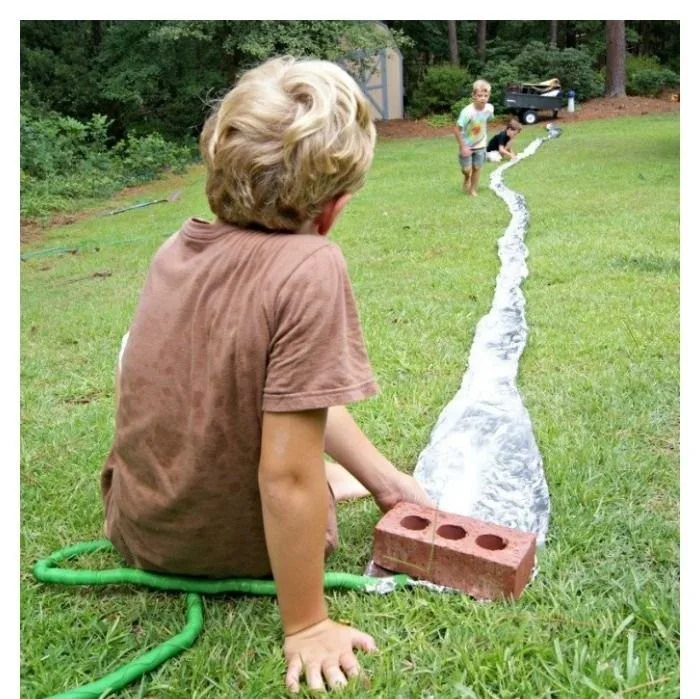
How to Make Tinfoil Rivers for Summer Fun
Imagine this: it’s a hot summer day, your little ones are bouncing off the walls, and you want to keep them entertained without breaking the bank. Here’s the thing about summer activities – they don’t have to be big, expensive, or complicated. You can create all kinds of memories with just a few supplies from around the house. One of the most delightful and simple activities you can set up is making tinfoil rivers! This easy craft not only keeps kids engaged but also sparks their creativity and problem-solving skills.
What You’ll Need
Before diving in, let’s gather some materials. Making tinfoil rivers is incredibly easy and requires only a few items, many of which you’re likely to have at home already:
- Aluminum foil
- A plastic tub or a baking sheet (to contain the mess)
- Water (for the rivers)
- Plastic cups or small toys (to act as boats)
- Optional: tape, scissors, and markers for decorating
Step 1: Preparing the Base
First, you’ll want to create a base for your tinfoil river. If you’re using a baking sheet or a plastic tub, you’re off to a great start. Make sure it’s flat and large enough to hold your river. This is where the fun begins! You can even get the kids involved right away by letting them help you set up.
Once you have your base ready, it’s time to make the river itself. Tear off a large piece of aluminum foil, and gently shape it into a wavy path that will act as the riverbed. Pro tip: Don’t make it too flat; the unexpected bends and curves will keep things interesting for little ones. Plus, hills and dips mean it takes a bit of strategy to get things moving along the river!
Step 2: Setting Up the River
Now, let’s bring your river to life. Carefully place your tinfoil river onto the base you selected. Make sure the ends are raised a little higher than the middle, allowing water to flow down the channel you’ve created.
Here’s an idea – you can also create smaller streams that branch off the main river. This not only adds complexity but gives kids multiple pathways to explore. You might say something like, “What if we invented a whole tinfoil city with rivers running through it?” and watch their imagination blossom.
Step 3: Testing the Flow
Once your river is set up, it’s time to pour in some water. Here’s where excitement truly builds! Get your little ones to help you pour the water slowly along the length of the river and watch as it flows through. They’ll be amazed at how the water travels along the curves you built.
You can even turn this into a fun game: make boats out of cups or small toys and see whose “boat” reaches the end of the river first. This competitive angle adds an element that will keep them engaged. Plus, you can teach them how to make adjustments to their ships using trial and error (it’s honestly a great way to introduce early science concepts).
Additional Variations to Try
The great thing about tinfoil rivers is their versatility! Here are some fun variations you might consider trying with your kids:
- Add Obstacles: Introduce rocks or sticks in the path to create challenges for the boats. Watch as they navigate around them.
- Create Adventures: You could even have them design stories around their adventures on the river, recounting tales of pirate ships or rescue missions.
- Color the Water: If you want to add a bit more creativity, consider adding food coloring to the water. Imagine the surprise on their faces when they see a bright blue “river”!
Embracing Creativity
Let’s be honest, while this activity is filled with fun and laughs, it also fosters creativity. As you explore tinfoil rivers, encourage your children to ask questions like, “What if we built a dam?” or “How can we make the river deeper?” Such inquiries will stimulate their minds and lead to exciting discoveries along the way.
If you’re looking for more activities to keep that creative flow going, be sure to check out some timeless vintage nursery decor ideas. While it may not be rivers, fostering a dreamy atmosphere can lead to enjoyable crafting time!
Quick Tips for Success
- Safety First: Make sure to supervise your kids, especially around water, to prevent slips and spills.
- Expect Mess: Depending on how adventurous your kids get, you might want to set this up outside or on a surface that’s easy to clean.
- Time to Improvise: If the river flow is slow, consider sloping the tinfoil or adjusting the water flow to find the best path for your flowing river.
Common Mistakes to Avoid
We’ve all been there – things don’t always go as planned. Here are some common mistakes you can avoid:
- Flat Riverbed: If the tinfoil is too flat, the water won’t flow well. Make sure there are enough bends and slopes.
- Too Much Water: Pouring too fast can overwhelm the river’s structure and lead to spills. Slow and steady wins the race!
- Not Enough Fun: If your kids lose interest, jazz it up! Introduce friendly competitions or add fun challenges to keep them engaged.
Conclusion
Tinfoil rivers are a fantastic way to engage your child’s creativity and imagination, offering endless fun right at home. Whether you’re competing to see which boat reaches the end first or crafting a story about your river adventures, this activity is sure to be a hit. Plus, there are plenty of other resources to explore for more fun ideas as your family makes memories together. For artistic inspiration, you might love Linda Crossan – River Gallery, and if you’re looking for great meal ideas for lunches, check out the budget-friendly school lunch ideas. Happy crafting!