
Imagine it’s a rainy Saturday afternoon. You’ve got the kids in their pajamas, and you’re all cozied up. But instead of diving into another episode of their favorite cartoon, you’re feeling that pull for something different. You want to engage, inspire, and create lasting memories, right? So, what do you do?
Here’s the thing: it can be tough to think of activities that keep little ones entertained without resorting to screen time. But don’t worry; you’re not alone in this. We’ve all been there, wondering how to fill the hours without the glow of a TV screen. I’ve put together a list of 100 awesome TV-free activities for kids that will spark joy, ignite imagination, and turn any day into an adventure. Get ready to put on your playful hat because here we go!
Crafty Creations
Nature Collages: Head outside to gather leaves, twigs, and flowers. Use these to create beautiful collages on cardboard.
Finger Painting Fun: Spread out a large piece of paper and let your little ones explore with their fingers. Don’t forget the aprons!
DIY Musical Instruments: Use empty containers filled with rice, beans, or pasta to make your own instruments. Set a rhythm and have a dance party.
Upcycled Art: Gather old magazines or newspapers and encourage your kids to make a mixed-media art piece. It’s a great way to talk about recycling too.
Story Stones: Paint small stones with different pictures or words. Use these stones to inspire storytelling sessions.
Outdoor Explorations
Backyard Scavenger Hunt: Create a list of items and let your kids search for them in the yard. It’s surprising how much fun they can have outdoors!
Obstacle Course: Use cushions, hula hoops, and any other toys to set up an obstacle course. It’s a great way for them to burn off some energy.
Nature Walk: Take a stroll around your neighborhood or a local park. Encourage your kids to collect interesting rocks, leaves, or flowers.
Bubble Blowing: Mix some homemade bubble solution and take turns blowing bubbles. Watch as the colors reflect in the sun.
Star Gazing: If it’s nighttime, lie back on a blanket and look up at the stars. Take turns pointing out different constellations.
Hands-On Learning
Pretend Play: Encourage your kids to set up a mini grocery store or restaurant at home. They can practice counting and social skills while having fun.
Cooking Together: Get the kids involved in the kitchen. Let them help measure, mix, and prepare meals or treats. It’s educational and delicious!
Letter Scavenger Hunt: Hide letters around the house and have them find them. Once found, they can put together words.
Measurement Games: Choose an ingredient to measure, and let them use cups or spoons to practice their measuring skills.
Plant a Garden: Start a small vegetable or flower garden in your backyard. Watching plants grow is a beautiful lesson in patience and responsibility.
Exploratory Play
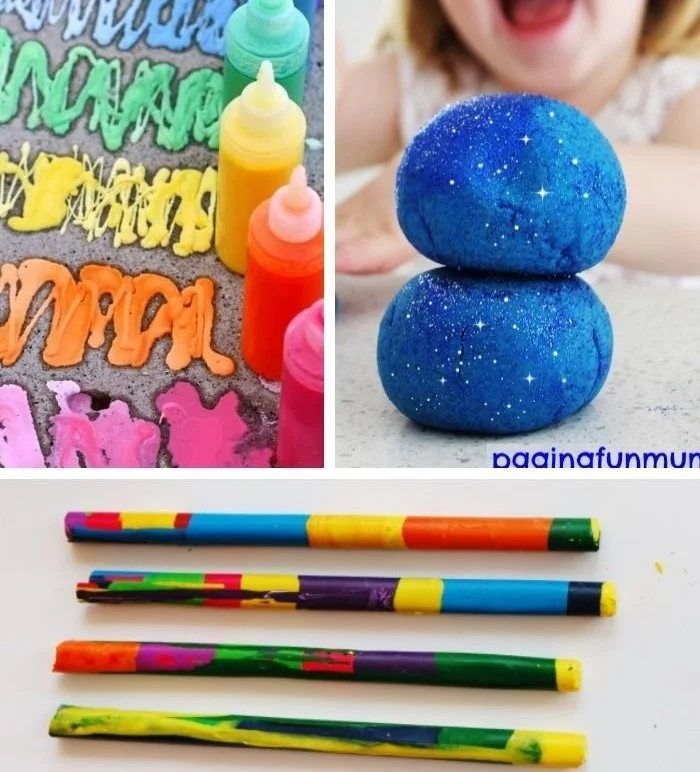
Play Dough Creations: Whip up some homemade play dough and let your kids create whatever comes to mind. It’s a sensory experience!
Building Block City: Pull out the blocks and let them create their own city or structure. Imagination runs wild in this activity!
Sensory Bin: Fill a bin with rice, sand, or water beads along with various scoops and toys for them to explore textures.
Treasure Map: Have your kids draw their own treasure maps and then go “hunting” for treasures around the house.
DIY Dress-Up: Raid the closet and create fun outfits. Kids love pretending to be everything from a chef to a superhero!
Family Bonding Moments
Family Talent Show: Have a mini talent show where everyone gets to show what they can do—sing, dance, or even tell jokes.
Puzzle Time: Work together on a big puzzle. It’s a great way to develop problem-solving skills while spending quality time.
Story Hour: Create a cozy reading nook and have a story hour with each family member picking a favorite book to share.
Candle Making: If you’re feeling a bit adventurous, include your kids in a simple candle-making session using safe materials.
Movie Charades: Act out favorite movie scenes without speaking and have the others guess the film!
Active Adventures
Dance Party: Choose a theme for your dance party (like “80s night” or “Disney favorites”) and dance like nobody’s watching.
Simon Says: A classic game that’s perfect for both indoor and outdoor play. It encourages listening and following directions.
Yoga for Kids: Introduce your children to simple yoga poses. There are fun apps and videos with kid-friendly sessions you can follow together.
Obstacle Course Race: Set a timer and see who can complete the obstacle course the fastest. Keep changing the course to keep it fresh!
Balloon Games: Blow up a balloon and have fun keeping it in the air. It’s surprisingly challenging and gets everyone moving.
Quiet Activities for Calm Moments
Puzzle Making: Use a family photo or a drawing to create a custom puzzle. Cut it into pieces and have fun putting it back together.
Journaling Together: Give each child a notebook to draw or write about their day. It helps enhance writing skills and encourages reflection.
Mandalas and Coloring Books: Provide coloring books or printable mandalas. It’s a calming activity for kids and adults alike.
Listening Walk: Go for a walk and pay attention to the sounds around you. Let your kids describe what they hear.
Rock Painting: Collect rocks and paint them with fun designs or messages. Then, place them around your neighborhood for others to find.
Nurture Their Curiosity
Artsy Playdates: Invite friends over for a creative arts and crafts playdate. It’s a wonderful way to boost social development.
Homemade Play Kits: Create play kits with assorted craft supplies. Presenting them as ‘mystery kits’ adds excitement.
Shadow Play: Use a flashlight to create shadow figures on the wall. Let your kids play with shapes and stories.
Building Forts: Use cushions and blankets to create an indoor fort. It’s a magical spot for playing or reading.
Memory Game: Create a memory card game using everyday items. It’s straightforward to set up and great for cognitive skills.
Imaginative Play
Role Play: Let kids role-play different professions. This encourages imagination and helps explore social skills.
Mini Science Experiments: Conduct simple experiments like baking soda and vinegar volcanoes. It’s a fun way to learn about reactions.
Create a Storybook: As a family, write and illustrate a storybook together. Allow each person to contribute a page.
Cooking Around the World: Pick a country and try cooking a dish from that culture. It’s exciting and educational at the same time.
Animal Movement Games: Pretend to be animals and move like them. It’s a fun way to get active and use imagination.
Connecting with Nature
Water Play: Spend time at a local water source (like a river or pond). Talk about the ecosystem while you play.
Bird Watching: Set up a bird feeder and observe the birds that come to visit. You can even create a bird-watching journal.
Wildlife Pictionary: Take turns drawing your favorite animals and letting others guess. It’s a fun way to incorporate art and learning.
Garden Exploration: Spend time in the garden and teach your kids about different types of plants, insects, and flowers.
Weather Watch: After a rainy day, check out the puddles and see how the weather changes the environment.
Creative Expression
Song Creation: Write silly songs together! Use familiar tunes and change the lyrics. It’ll have everyone giggling.
DIY Puppets: Create puppets using socks or paper bags. Put on a puppet show to showcase your creations.
Themed Drawing Days: Set themes each week (like animals, superheroes, or space) and let everyone unleash their inner artist.
Colorful Mosaics: Use colored paper or beads to create beautiful mosaic art. It’s satisfying to watch the design come together.
Photography Day: Give your child an old camera or phone (with supervision) and have them capture moments during the day.
Engage their Senses
Scent Exploration: Provide a variety of herbs or spices and ask your kids to identify the scents. It’s a fun sensory experience.
Taste Testing: Gather various fruits or snacks and let the kids have a taste test. They can grade them on sweetness, crunchiness, etc.
Play Aroma Guessing: Blindfold them and have them guess different scents from items in your kitchen. It’s a hilarious time!
DIY Sensory Bottles: Fill bottles with glitter, water, and oil to create calming sensory bottles they can shake.
Sound Hunt: Close your eyes and listen. Take turns identifying sounds you hear. It’s a calming yet engaging activity.
Quality Time
Family Board Game Night: Pull out board games and enjoy some friendly competition. It’s a great way to bond!
Movie Night with a Twist: Instead of a movie, listen to an audiobook together. It sparks imagination, and everyone can visualize the story.
Karaoke Night: Sing your hearts out with a family karaoke session. Nobody cares if you’re off-key when you’re having fun!
Memory Jar: Create a memory jar where everyone adds memory notes throughout the year which you can read together later.
Conversation Starters: Dig into deeper conversations with fun questions like "If you could be any animal, what would you be and why?"
Indoor Adventures
Treasure Hunt: Hide goodies around the house and give clues to find them. Kids love surprises!
Indoor Picnic: Set up a picnic on the living room floor. It’s amusing and makes lunchtime feel special.
Balloon Tennis: Blow up some balloons and use paper plates as paddles for an indoor tennis game. It’s loads of fun!
Indoor Bowling: Set up a bowling game with empty plastic bottles and a soft ball. It’s competitive and great for coordination skills.
DIY Sports Day: Set out different stations for activities like hopscotch, frisbee, or bean bag toss.
Celebrating Each Other
Compliment Jar: Start a jar where each family member adds a compliment about someone else. It builds self-esteem and shows appreciation!
Gratitude Journal: Each night, have everyone note what they’re grateful for. It’s a nice way to end the day.
Theme Days: Plan special theme days (like “Silly Hat Day” or “Favorite Color Day”). Dress up and have fun dress rehearsals.
Initiate a Family Goal: Work together towards a goal like a puzzle or hiking trail, emphasizing teamwork and cooperation.
Plan Playdates: When you can, organize playdates with other families. It’s all about connection.
Emotional Connections
Sharing Feelings: Create a “feelings wall” where everyone can express their emotions with art or words.
Gentle Book Talks: Choose emotional topics or stories to discuss. It helps kids articulate feelings and understand empathy.
Meditation for Kids: Spend ten minutes practicing mindfulness or gentle meditation together. It’s a great way to relax.
Family Debates: Choose light topics to debate and allow everyone to voice their opinions. It promotes critical thinking and respect.
Writing Letters to Each Other: Write kind letters to each family member. Exchange and read them aloud for heartwarming moments.
Incorporating Learning
Learn about Cultures: Pick a country each week and learn about their traditions, languages, and cuisine together.
Pen Pals: Establish a pen pal relationship with a family member or friend. It encourages writing skills too.
Math Games: Incorporate math into playtime with counting games or by using everyday objects.
Create a Time Capsule: Let everyone add something to a time capsule that you can open together years later.
Explore Science Topics: Choose a science topic of interest and explore it together through fun experiments or documentaries.
Nature and World Awareness
Animal Charades: Act out different animals and let others guess which animal it is. Fun and educational!
Go to a Local Farm: Visit a local farm or zoo. It’s an excellent way for kids to learn about animals and nature.
Explore Community Resources: Visit local museums or cultural centers, many of which offer free family activities.
Nature Journaling: Take a journal on nature walks and encourage your kids to draw what they see.
Sustainable Practices: Teach kids the importance of sustainability through recycling and reducing waste at home.
Preparing for Future Adventures
Plan a Dream Vacation: Let the kids research and create itineraries for their dream vacations. It builds their organizational skills!
Create Vision Boards: Encourage each child to create vision boards for their dreams and aspirations.
Goal-Setting Activities: Spend time talking about hopes and dreams, and help them set achievable goals.
Set up A Local Adventure List: Create a list of local parks or attractions to explore together as a family.
Family Bucket List: Brainstorm a family bucket list of activities you want to do together this year. It’s exciting!
Closing the Day
Reflect and Share: At the end of each day, spend time reflecting together about what you learned or enjoyed.
Stargazing Storytime: Cap off a day of adventures by laying in a backyard or at a window with stargazing and story sharing.
Kindness Projects: Collaborate on community service projects that teach your kids about giving back.
Homemade Gifts: Plan and create homemade gifts for family or friends for special occasions.
Create a Family Mission Statement: Work together to draft a family mission statement that reflects your values and goals.
Conclusion
As you embark on these 100 awesome TV-free activities for kids, remember, the goal isn’t just to keep them busy—it’s to enrich their lives and strengthen your bonds as a family. Each moment spent together is a chance to learn, grow, and laugh.
If you’re looking for more ideas to keep your children engaged creatively, or wondering about some low-stimulation shows as a backup plan, you might find these resources helpful: check out 60 TV shows recommended for ages 8-12 and Best Low Stimulation Shows for Toddlers and Preschoolers. Plus, if you want an extensive collection of activities, consider exploring 501 TV-free Activities For Kids.
Here’s to many screen-free days filled with laughter, creativity, and unforgettable memories!