
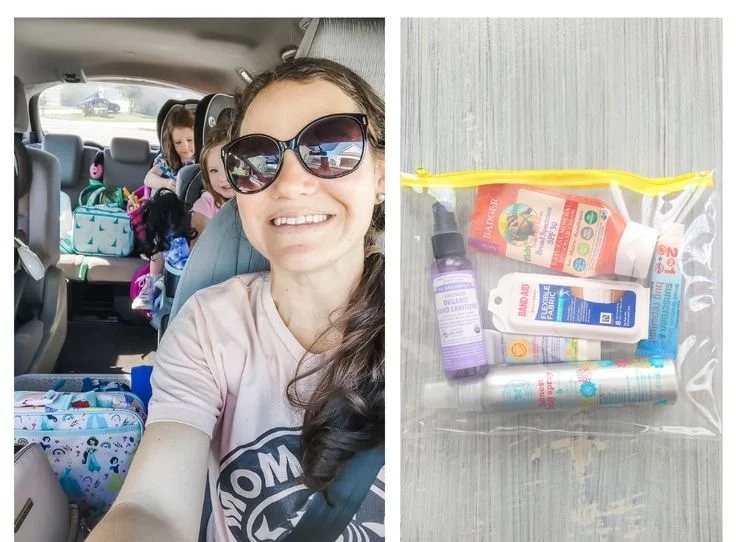
Imagine this: it’s a sunny Monday morning, and your three little ones are bursting with energy, each one vying for your attention while reminding you that “I’m bored!” as you sip your lukewarm coffee. Sound familiar? As parents, we all know the mix of excitement and dread that summer brings. With the kids home all day, the thought of keeping them entertained (without losing your sanity) can seem daunting. So, here’s the thing: an organized summer isn’t just a nice idea; it’s a necessity! By putting systems in place, we can reduce stress and maximize fun. Today, I’m going to share my tips on how I create an organized, joyful summer with my kids.
Create a Weekly Schedule
One of the best ways to keep our summer days organized is by establishing a flexible weekly schedule. You don’t need to have everything planned down to the minute, but having a general idea of what each day looks like can be a game changer.
Here’s how I do it:
Morning Routine: Outline a simple morning routine that includes breakfast, getting dressed, and a quick tidy-up.
Daily Themes: Assign themes to each day. For example, “Art Day,” “Outdoor Adventure Day,” and “Science Experiment Day.” This gives kids something to look forward to while simplifying planning for you.
Time Blocks: Divide the day into time blocks. For instance, mornings can be for activities, afternoons can be for quiet time or nap, and evenings can be family time.
Now, you might be wondering how to keep your kids engaged during that sacred “quiet time.” You can stock up on puzzles, books, or even set up a sensory bin (have you considered letting them explore rice, beans, or water beads?).
Prepare Fun Activity Kits
Think of activity kits as your secret sauce! They can be customized to match your kids’ interests, and preparing them in advance will save you countless "What should we do today?" moments.
Here’s what to include in your kits:
- Arts and Crafts: Gather items like colored paper, crayons, stickers, and glue.
- Nature Exploration: Pack a magnifying glass, a small notebook, and some crayons for leaf rubbings.
- Science Fun: Include basic supplies for simple experiments, like baking soda and vinegar volcanoes.
- Outdoor Games: Toss in a frisbee or a jump rope for some energetic play.
Creating these kits together can also be a fun pre-summer activity. Let your kids help you assemble the kits; it gets them excited about what’s to come!
Set Up a Color-Coded System
Recognizing that each child has different needs and interests can help in organizing their activities. One effective method is a color-coded system.
- Assign a color to each child for their activities and supplies.
- Use colored bins (I love clear bins!) for toys, art supplies, and even clothes.
- Label areas in your playroom or living room based on these colors.
This way, if a meltdown occurs over whose turn it is to play with the red dinosaur, you’ll have your color system to fall back on. It gives kids ownership over their things and also helps in teaching sharing.
Design a Chore Chart
I know, the very mention of chores might make our little ones groan. However, incorporating a kid-friendly chore chart fosters responsibility while keeping things tidy. It doesn’t have to be overwhelming.
Here’s a simple example:
- Ages 2-3: Tidying up toys, emptying small trash cans, or helping with dusting.
- Ages 4-5: Setting the table, making their bed, or sorting laundry.
Make the chore chart colorful and engaging—stickers, stars, or even small rewards can keep them motivated. Just think of it as a game; kids thrive on positive reinforcement and fun!
Plan Family Outings
Let’s face it, summer is the perfect time for family adventures. Planning outings not only breaks the monotony but also creates cherished memories.
You might want to consider:
- Nature Walks: Visit local parks and nature reserves. It’s a chance for exploration and free play.
- Beach Days: Pack your beach essentials, and let the kids dig in the sand.
- Museum Visits: Check out your local children’s museum. Many offer special summer programs.
Always keep the unexpected in mind! Weather can change your plans. Having a few backup indoor activities (like viewing fun educational shows or providing group crafts) can come in handy if our outdoor adventures get rained out.
Incorporate Learning
Let’s be honest—summer learning loss is real. To keep our kids engaged, I love blending fun with learning.
Reading Time: Create a mini library at home with books appropriate for their reading level (there are countless resources online for great summer reading lists!).
Learning Apps: There are tons of educational apps available that offer fun games. Choose ones that focus on math, reading, or science.
Cooking Together: Involve your kids in meal prep, teaching them basic cooking skills while keeping it fun (and delicious!). Try making healthy snacks together. For more ideas on family-friendly snacks, check out this great list of snack ideas.
Foster Independence
Here’s a tough love moment: our kids need to learn independence, especially as they grow. Summer is the perfect time to delve into that.
- Playdates: Encourage kids to play with friends without hovering.
- Quiet Time Alone: Set them up in a safe area where they can engage in independent play. It gives you a breather and helps them develop creative thinking.
- Encourage Decision Making: Allow them to choose some of their activities or what to wear. This gives them a sense of control and responsibility.
You’re not alone in this journey, and you might find that creating caring independence can lead to less stress for everyone involved.
Develop a Reward System
Kids love rewards, and positive reinforcement makes everything feel like a fun game. Think sticker charts for chores, or even a “Summer Fun Jar” where they get to draw a fun activity or outing for completing their tasks.
- Weekly Goals: Set simple, achievable goals—like being kind or completing chores on time.
- Creative Rewards: Offer fun rewards like a family movie night or letting them pick dinner one night.
This kind of structure keeps the kids motivated and engaged, plus it feels rewarding for you as a parent.
Conclusion
Creating an organized summer doesn’t mean you need to stick to rigid schedules or eliminate spontaneity. It’s about finding a balance that brings joy to your days while minimizing stress. By implementing these strategies—like establishing a weekly schedule, creating adventure kits, and fostering independence—you’ll set the stage for a summer filled with laughter, learning, and a lot less chaos.
Do bear in mind that every family is unique, so adapt these ideas to fit your family’s needs. And if you’re looking for additional organization tips, check out Let’s Get Organized! by Hi Sugarplum! or consider printing a simple chart like the one illustrated in Let’s Get Organized: Babysitter Printout. Lastly, you can take a look at Let’s get Organized! for more fabulous ideas tailored to your family’s needs.
Let’s embrace a summer filled with joy, creativity, and organization—we’ve got this!