
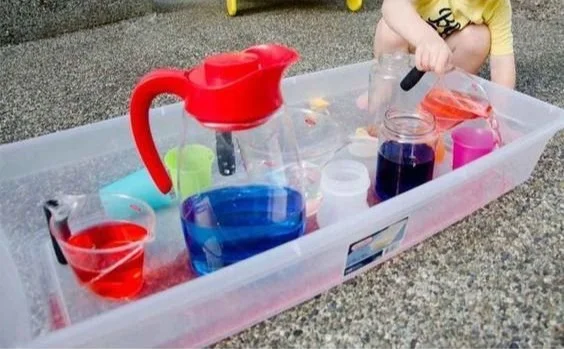
Imagine this: it’s a sunny afternoon, and your toddler is bouncing off the walls, curious as ever. You’re juggling the laundry, dinner prep, and a million other things, and all you want is a moment of peace. Sound familiar? What if I told you that a simple pouring station could offer both entertainment and development benefits for your little one? That’s right—setting up a toddler pouring station can support motor skills development and provide sensory play that keeps those tiny hands busy!
Understanding the Benefits of a Pouring Station
So, let’s get into it. A pouring station is an engaging way for toddlers to explore their fine motor skills. But here’s the thing: it’s not just about learning to pour. It enhances their hand-eye coordination, encourages concentration, and boosts confidence as they see how they can control the flow of liquid. Plus, it’s a fantastic cross-section of play and learning.
Why is this important? As parents, we often get caught up in structured activities and educational timelines. But the truth is, toddlers learn best through play! When they engage in activities that seem simple but are so rich in opportunity for growth, they’re not just occupied—they’re developing skills that will benefit them for years to come.
Setting Up Your Toddler Pouring Station
Now that we’ve resolved that pouring is more than just fun, let’s dive into how to set up your very own toddler pouring station. This can be as simple or elaborate as you want, and you probably have many of the supplies hanging around the house.
What You’ll Need
- Containers: Gather a variety of cups, pitchers, jars, and bowls. Different sizes and shapes can help them understand volume and capacity.
- Liquid: Water is a classic choice, but you can also use rice, beans, or even dry pasta. (Who knew those pantry staples could double as engaging playthings?)
- Protective covering: Grab an old towel or plastic tablecloth to place under the station. Trust me, this is a game-changer!
- Equipment: Depending on your toddler’s skill level, you might want to include spoons, funnels, or scoops. These tools can make pouring even more fun.
Where to Set It Up
Position your pouring station in a safe, accessible spot. Many parents opt for the kitchen or dining room table, but you could easily set up outside on a patio or in the yard. The idea is to create an inviting space where your little one can experiment freely without you worrying about potential messes.
How to Introduce the Pouring Station
Once your station is set up, it’s time for the fun part. Here’s a simple approach to introduce it effectively:
- Lead by Example: Show your child how to pour using a large container first. Demonstrate slowly so they can see how it works.
- Encourage Exploration: Let your child try it next! They might spill a little (or a lot), and that’s part of the learning process.
- Ask Questions: Engage them by asking questions like, “What happens when you pour slowly?” or “Can you fill this cup without spilling?”
- Make It a Game: Set up challenges, such as filling a specific container or pouring to a line marked on another container. It turns learning into play!
Activities to Enhance the Pouring Experience
You’re probably wondering how to keep this pouring station fresh and exciting. Here are a few ideas to continuously engage your little learner:
Color Mixing Station
Set out primary colors of water mixed with food coloring. Encourage your toddler to pour different colors into a clear container to see what happens. It’s a colorful way to learn about mixing and color theory!
Sensory Play
Incorporate various textures and materials aside from liquids. Pour dry materials like sand, rice, or even small beans to explore the difference in weight and texture while practicing those crucial pouring skills.
Nature Exploration
Add elements like leaves, petals, or even small pine cones to your pouring station. This not only sparks curiosity about the environment but also brings nature into your play!
Common Mistakes to Avoid
Let’s be honest—this is a journey, and we’ll all be learning as we go. Here are some pitfalls to watch for:
- Over-structuring: It’s easy to over-direct toddlers. Allow them the freedom to explore the pouring station without too much guidance.
- Choosing the Wrong Location: If you set up in a place where you can’t easily supervise, you may end up with a messy situation. Pick a spot where you can relax and watch from a distance.
- Being Too Clean: Yes, spills will happen. Embrace the chaos! Messy play is crucial for sensory development and allows your child to learn about consequences.
Quick Tips for Success
- Keep It Simple: Start with just a few items and gradually expand as your toddler gets more comfortable.
- Switch it Up: Change the materials every few days to reignite interest and curiosity.
- Incorporate Learning Topics: Talk about the science behind pouring, the importance of measurements, or the origins of the materials you’re using. It can be a sneaky way to sneak in learning!
The Importance of Supervision
While pouring can be incredibly rewarding, it’s essential to supervise your toddler during these activities, particularly if using water or small objects that could pose a choking hazard. Always have a watchful eye while they frolic through their sensory exploration.
Conclusion
Setting up a toddler pouring station is more than just a fun activity; it’s a powerful way to encourage fine motor skills and cognitive development while giving you a break! You’ll find that your little one not only enjoys this hands-on experience but also benefits from the freedom it offers. Remember, every splash and spill is a step toward their growth. To learn more about making the most of these enriching activities, check out this pouring station activity for toddlers and discover additional tips on how to maximize the fun through exploration at this resource on pouring stations. Happy pouring!