
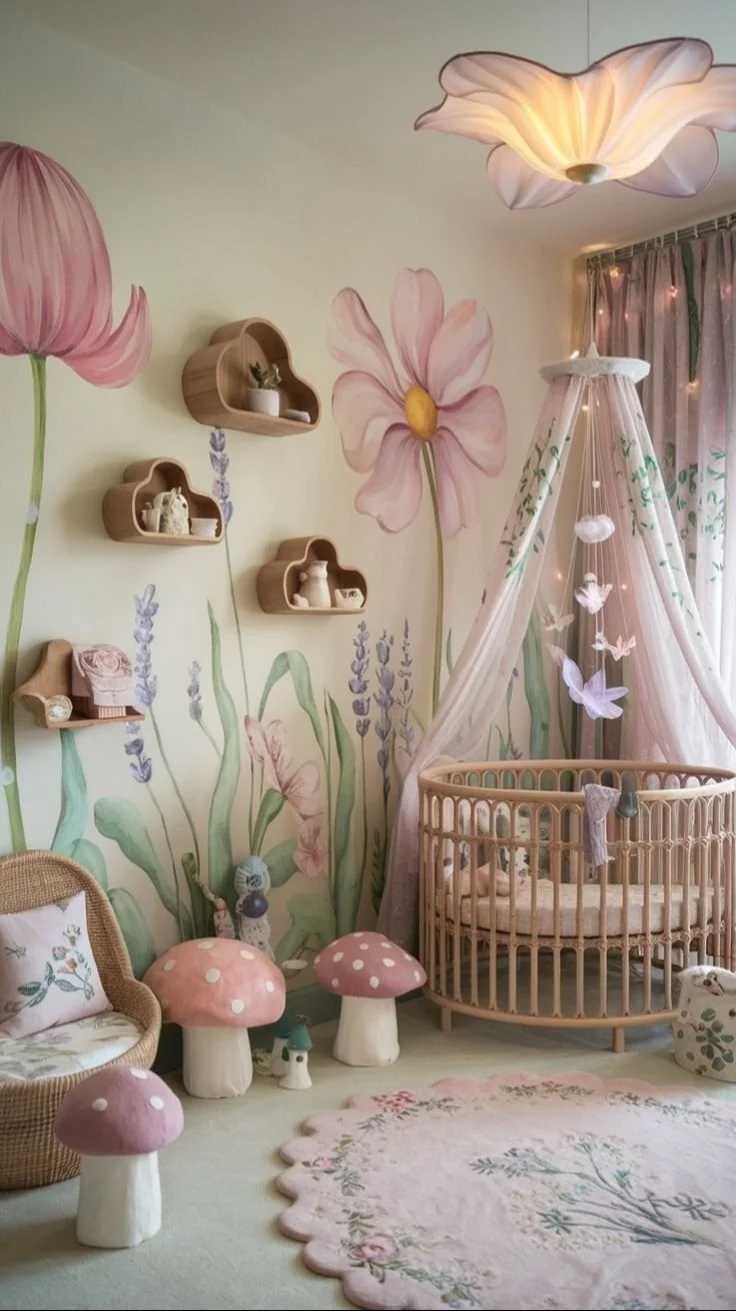
Imagine this: It’s 2 a.m., you’re bleary-eyed, and your little one is wide awake, bouncing in their crib like it’s party time. You look at that sweet face and feel that overwhelming mix of love and exhaustion. We’ve all been there, haven’t we? The early years of parenting can be a whirlwind, and as you navigate this precious but challenging time, there’s one thing that becomes crystal clear — understanding your toddler’s development plays a crucial role in enjoying your parenting journey.
Understanding Toddler Development
Here’s the thing about those toddler years, ages 1 to 4 specifically; they’re a time of dramatic growth and change. From the moment they learn to walk, it feels like the pace picks up. Suddenly, you have a miniature human exploring, testing boundaries, and soaking up the world like a sponge. But what exactly does your toddler need from you during this period?
Basic Milestones to Watch For
The road of development is paved with milestones, and sometimes we can feel overwhelmed trying to keep track. You might worry about whether your little one is hitting their markers at the right time. Here are some typical milestones you can expect:
- Social Skills: They’ll start to engage more with peers, even if it’s just to play side by side.
- Language Development: You’ll hear that sweet voice start babbling, forming words, and eventually stringing together simple sentences.
- Motor Skills: Watch them as they master running, jumping, and climbing — activities that’ll make you break a sweat just by watching.
- Cognitive Skills: Your toddler will start showing curiosity through questioning. “Why, Mommy?” might become the soundtrack to your day.
Now, you might be wondering how you can support this vital development. Don’t worry; it doesn’t have to be complicated!
Activities to Support Development
Every day can be a fresh chance to nurture skills. Whether you’re big on arts and crafts or enjoy outdoor adventures, there’s something here for everyone.
Creative Play
Let’s be honest; toddlers love to explore, and one of the best ways to do this is through creative play. Providing them with art supplies can lead to glorious messes with crayons and paint. It sparks imagination and fine motor skills simultaneously.
If you’re feeling particularly adventurous, try set up a “Little Artist” corner with various accessible materials. Who knows, you might have the next Picasso on your hands!
Story Time Adventures
Reading to your toddler is so much more than just a calming routine before bed. The benefits are practically endless! Choose books with bright pictures and simple, engaging stories. They’ll love hearing your voice and seeing your expressions. Plus, you’ll be paving the way for language development and literacy skills.
Consider making story time more interactive. Ask questions about the pictures and characters. Perhaps you can act out parts or let them predict what happens next. These simple interactions make the story come alive!
Outdoor Exploration
Nothing beats the great outdoors for a toddler full of energy. Whether it’s a park or your backyard, let them roam and explore. Think of it as a mini adventure! Simple things like picking flowers, watching ants, or searching for colorful leaves can ignite curiosity.
If you’re looking for something structured, consider taking short nature walks. You can collect leaves and rocks, which can later turn into another art project at home.
Nutrition for Growing Toddlers
When you think about toddler development, nutrition is just as crucial as any skill-building activity. After all, healthy food fuels all that energy! Our picky eaters can sometimes turn meal times into battles, but you’re not alone in this.
Tips to Make Nutrition Fun
Involve Them in Cooking: Kids love to get their hands dirty. Let them sprinkle cheese on their pasta or mix ingredients in a bowl. It’s a great way to introduce new foods!
Create Fun Names for Meals: Turn a simple oatmeal breakfast into “Monkey Oatmeal” with bananas. It’s amazing how a quirky name can make them want to eat.
Visible Choices: Present a colorful plate. They might be more inclined to try a bite of something new if it looks appealing!
If you’re unsure where to start, check out this article on easy baby food purees for some great ideas that’ll make meal prep easier for you.
Engaging with Emotions
Let’s take a moment to chat about something we often overlook in the whirlwind of growth and development: emotions. As your toddler experiences new feelings, they’ll have their share of tantrums and meltdowns, and guess what? This is completely normal.
When they struggle with emotions, it can be tough to manage as a parent. Here are a few tips to help guide them:
Label Their Feelings: Help them identify what they’re feeling. “I can see you’re angry because your toy is stuck.” This simple phrase validates their emotions and helps them learn to communicate better.
Model Calm Responses: Kids tend to imitate us. If you react calmly, they’ll learn to handle their frustrations similarly. Take a deep breath together!
Practice Deep Breaths: Introducing calming techniques early on can be a game-changer. Make it a fun game to take deep breaths together, inhaling like they’re smelling flowers and exhaling like they’re blowing out birthday candles.
Mistakes to Avoid
Let’s not sugarcoat it; we’re all learning here. Recognizing some common pitfalls can help make our parenting journey smoother.
Comparing to Others: Every child develops at their own pace. Celebrating your child’s unique growth can be far more rewarding.
Over-scheduling: It’s tempting to fill your days with activities, but downtime is just as essential. Simple playtime is often when the best connections happen.
Neglecting Yourself: You can’t pour from an empty cup. Make sure you’re taking time for self-care. When you feel good, you can support your little one better.
FAQs About Toddler Development
You might still have a few questions rattling around in your brain, and that’s entirely normal. Here are some quick answers to common concerns:
What if my toddler doesn’t speak clearly?
Every child develops speech differently. If you’re concerned, don’t hesitate to reach out to your pediatrician for guidance.Is it normal for toddlers to have tantrums?
Yes! Tantrums often happen as they learn to manage strong feelings. It’s a part of their emotional development.
Bonus Ideas for Learning
Interactive Learning Apps: There are many apps now geared toward toddlers that mix education and fun.
Playdates: Social interactions with peers offer invaluable lessons in sharing and cooperation.
Conclusion
As we wrap this up, remember that parenting during these early years is a journey filled with both challenges and immense joy. By supporting your toddler’s development, you’re helping shape a confident, curious, and resilient little person. If you’re feeling overwhelmed, just take it one day at a time. You’ve got this! Don’t forget to lean on resources out there, like great parenting articles and expert advice, which can provide clarity along your journey. And don’t forget the importance of keeping things light-hearted. After all, childhood is fleeting, but the memories are forever.