
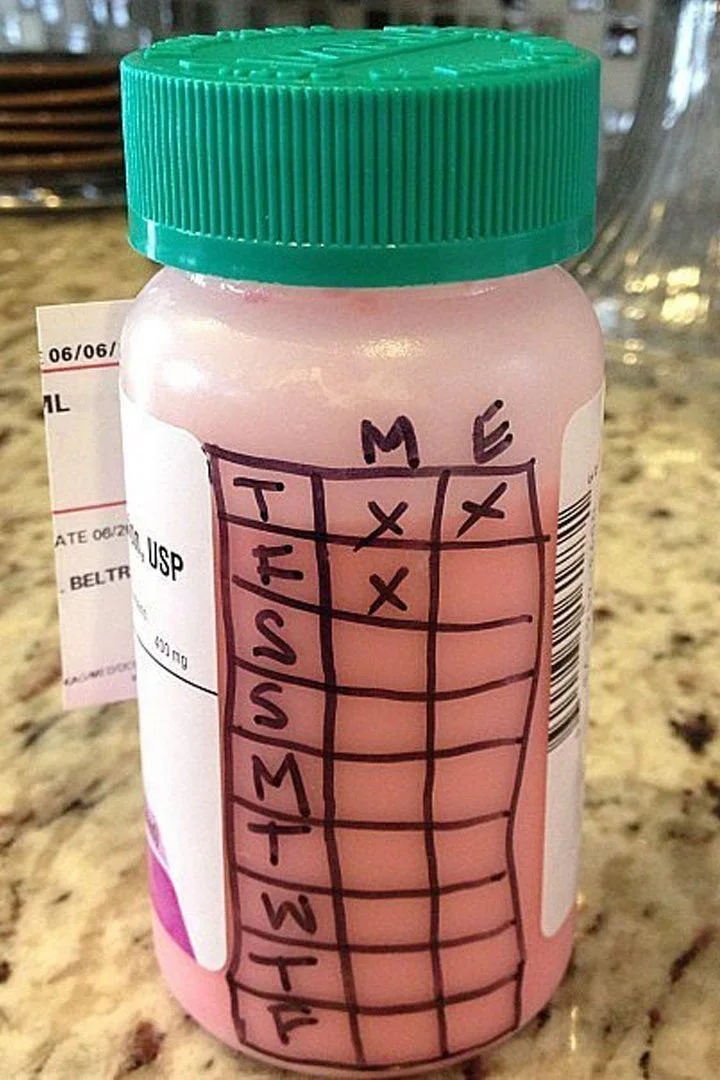
The 47 Best Parenting Hacks You Need to Learn
Parenting is a marathon, not a sprint. Whether you’re a new parent or a seasoned pro, small strategies can save time, reduce stress, and help your family thrive. If you’re organizing a celebration for a new arrival, you might appreciate curated recommendations — for example, check out the thoughtfully chosen venues in Austin that make hosting a baby shower a breeze: top Austin baby shower venues. Below are 47 practical, tested parenting hacks arranged for quick reading and easy implementation.
Quick wins (Everyday life)
- Diaper station in every main living area — keep diapers, wipes, and a spare outfit together.
- Use a baby monitor app on a spare tablet for an extra camera view.
- Pre-measure formula portions into airtight containers for fast night feeds.
- Keep a snack basket in the car for impromptu stops.
- Pack outfits in zip-top bags by day to streamline morning dressing.
- Use a mesh laundry bag for small toys in the washing machine.
- Invest in a convertible stroller with easy folding — saves garage fights.
- Color-code water bottles and sippy cups to avoid mix-ups.
- Turn chore time into a two-minute dance party to get cooperation.
- Use a pegboard in the nursery for rotating daily activity supplies.
Sleep and bedtime hacks
- Establish a wind-down ritual (bath, book, cuddle) to signal sleep time.
- If you’re unsure about safe sleeping positions, review expert guidance on the most comfortable and secure ways to place infants: recommended baby sleeping positions.
- White-noise machines double as sleep cues and sound buffers.
- Use blackout shades to lengthen naps on sunny days.
- Keep a dim night-light for middle-of-the-night feeding changes.
- Try the “dream feed” (a late-evening feed while the baby is still drowsy) to extend overnight sleep stretches.
- Create a consistent room temperature checklist for optimal sleep comfort.
Feeding and mealtime hacks
- Freeze portions of purees in muffin tins for quick meals.
- Use silicone bibs with snack-catching pockets for less mess.
- Let toddlers help prep simple foods to boost appetite and interest.
- Keep a magnetic board of weekly meals to manage picky-eater expectations.
- Offer a small plate of new foods alongside favorites — less pressure, more exposure.
- Use an over-the-sink drying rack to save counter space while washing bottles.
Out and about hacks
- Keep a compact, pre-packed “go” kit with spare clothes, wipes, and a blanket.
- Use stroller hooks and a lightweight backpack instead of a diaper bag for balance.
- Snap a quick photo of your child before outings in case you get separated.
- Bring a small sensory toy kit for restaurant waits (sticky notes, clothespins, soft ball).
- Use shoe tags or uniform color clothing for quick group identification on field trips.
Safety and health hacks
- Keep a small first-aid kit in the car and one at home.
- Childproof one room as a safe play area for moments when you need to focus.
- Teach a simple, fun emergency phrase (like “Find Mom!”) for older toddlers.
- Label allergy- and medication-info inside your phone lock screen for caregivers.
- Use a mesh door anchor to prevent drawn curtains from falling on grabby hands.
Learning, play, and behavior hacks
- Rotate toys weekly to keep interest high without buying more.
- Create a “yes” box: safe, surprising items kids can freely explore.
- Use timers to visualize transitions (three-minute sand timers or phone timers).
- Celebrate effort with small tokens or stickers to reinforce persistence.
- Make learning tactile — sensory bins, rice scoops, and pasta threading teach motor skills.
- Sing instructions (like cleanup songs) to make routines predictable and fun.
- Use everyday moments (cooking, shopping) as mini-lessons to teach counting and language.
Organization and household hacks
- Label bins with pictures for pre-readers to stay organized.
- Keep a family calendar visible with color-coded appointments.
- Use command hooks on the back of doors for frequent-use items.
- Create a “drop station” near the entry for backpacks and shoes.
- Batch-cook and freeze meals for busy weeks.
- Delegate age-appropriate chores early to build responsibility (toy sorting, table clearing).
- Schedule a weekly 20-minute tidy time where everyone participates — consistency beats perfection.
Implementation tips
- Start small: pick two or three hacks to try this week and build from what works.
- Share the load: teach partners and caregivers the systems so they become habits.
- Adjust to personality: some kids love structure, others need more gentle routines — tweak, don’t force.
Conclusion
Parenting hacks are most useful when they fit your family’s rhythm and values. For creative strategy ideas that translate across projects and time-management contexts, consider this concise growth-hacking checklist with practical tips for inspiration on simplifying systems. If you’re balancing home life and remote work with parenting responsibilities, these remote work tips and routines can help you set boundaries and boost productivity while caring for children.