63 Toddler Meals to Meal Prep for Quick and Easy Dinners
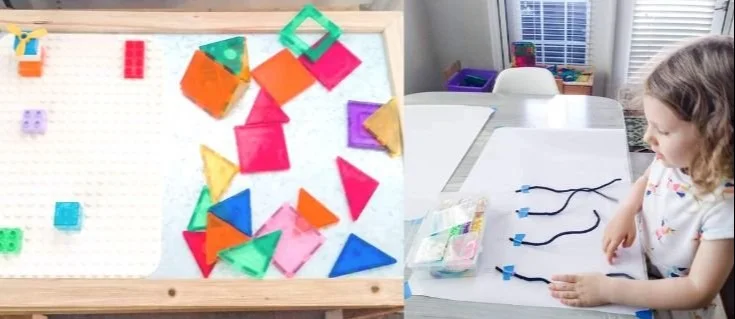
Getting dinner on the table every night can feel like a marathon, especially with a toddler underfoot. Meal prepping a variety of toddler-friendly dishes ahead of time cuts stress, saves time, and helps you offer balanced, nutritious meals without reinventing the wheel each evening. While you plan your prep day, keep little hands busy with a few quiet activities like fun and easy crafts for kids so they’re content while you cook.
Below is a practical, customizable approach to converting the idea of “63 meals” into a real, manageable routine of weekly prep and mix-and-match dinners.
Why batch-cooking for toddlers works
- Consistency: Toddlers thrive on routine. Repeating familiar flavors helps them accept new textures and ingredients.
- Time savings: Pre-cooking components (grains, proteins, sauces) reduces nightly cooking to quick assembly and reheating.
- Variety within limits: Rotating 6–8 base components across a week creates many combinations without overwhelming a picky eater.
Build-your-week framework
Aim for 6–8 base items that can be recombined into roughly 63 small-meal variations over time. Here’s a sample framework you can scale:
- 2 grains/starches: soft-cooked quinoa, mashed sweet potatoes
- 2 proteins: shredded chicken, mashed lentils or lentil patties
- 2-3 veg or fruit sides: steamed carrot coins, peas, and apple slices (cook or puree for younger toddlers)
- 1-2 sauces/spreads: mild tomato sauce, yogurt-herb dip
- 1-2 snacks/breakfasts: mini pancakes, oatmeal jars
With these parts, you can make bowls, sandwiches, quesadillas, finger-food platters, and more.
Prep-day plan (2–3 hours)
- Plan menus: Choose 6–8 bases and decide how to combine them into dinners, lunches, and snacks for the week.
- Shop with purpose: Buy ingredients that can be used in multiple dishes (e.g., carrots used raw, steamed, and pureed).
- Cook efficiently:
- Roast or steam a big tray of mixed vegetables.
- Bake/shred multiple chicken breasts at once.
- Cook a large pot of quinoa or rice.
- Make a double batch of a toddler-friendly sauce or soup base and freeze portions.
- Portion and store: Use small containers for toddler-sized portions. Label with date and contents.
- Quick assembly station: Keep a set of “assembly” staples (cheese, tortillas, soft bread, dips) easy to reach for fast dinners.
10 simple toddler-friendly dinner ideas from your prep
- Shredded chicken, mashed sweet potato, and peas
- Quinoa with lentils and mild tomato sauce
- Mini quesadillas: mashed beans, shredded cheese, and soft-cooked veg
- Chicken and veg rice bowl with yogurt-herb drizzle
- Lentil patties with carrot coins and apple slices
- Pasta stars in mild tomato sauce with hidden pureed veg
- Breakfast-for-dinner: mini pancakes, fruit, and yogurt
- Soft tacos: shredded chicken, mashed avocado, and gentle salsa
- Veg and cheese frittata squares with whole-grain toast
- Steamed fish flakes (if introduced) with quinoa and steamed zucchini
Tip: For younger toddlers, keep textures soft and chop foods into small pieces to prevent choking. For new ingredients, serve alongside familiar favorites to increase acceptance.
Snacks and small meals to round out the 63
Having a list of 10–15 ready snacks expands possibilities. Think: hummus with soft pita, apple slices (steamed or thinly sliced for toddlers), cottage cheese with fruit, yogurt parfaits, or simple banana-pear mash. Learn more about the nutritional role of fruit by reading about the benefits of apples for toddlers when you consider which fruits to prep.
Storage, safety, and reheating
- Refrigerate portions for up to 3 days; freeze for longer storage.
- Cool cooked food quickly before refrigerating to reduce bacterial growth.
- Reheat thoroughly and check temperature before serving; stir to avoid hot spots.
- Label and rotate older items first.
Making it fun (and getting kids involved)
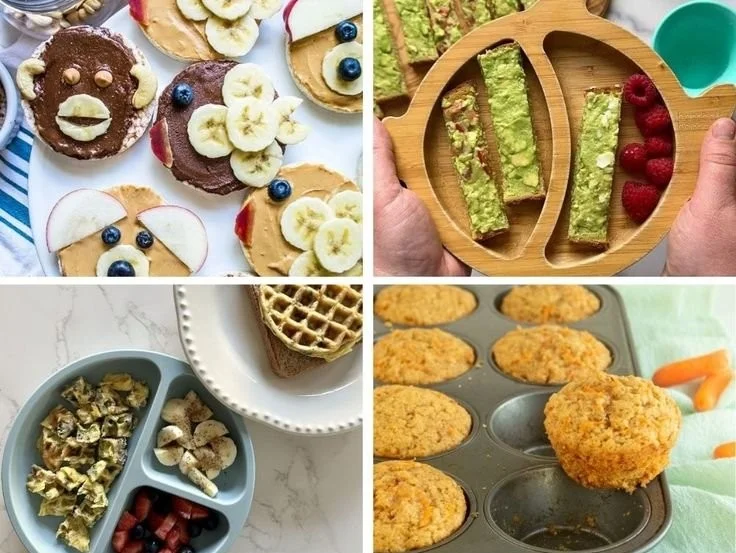
Toddlers enjoy being part of the process. Give them safe, supervised tasks like stirring, washing produce, or choosing between two veggie options. Serving meals in colorful bento-style sections or using cookie cutters on sandwiches can increase interest.
Adapting to picky eaters and food allergies
- Keep a trusted plain option (e.g., plain rice or mashed potato) on the plate as an anchor.
- Introduce new foods alongside favorites, in small amounts.
- For allergies, substitute safe proteins and grains and keep cross-contamination in mind during prep.
Weekly rotation example
- Week A: Focus on chicken, quinoa, carrots, apples, and yogurt sauces.
- Week B: Rotate in lentils, sweet potatoes, peas, mild cheese, and mashed fruit.
- Repeat with small tweaks—different spices, herbs, or a new veggie—to keep meals interesting without extra work.
Shopping checklist for a week of preps
- Proteins: chicken breasts, canned beans, lentils
- Grains: quinoa, small pasta, whole-grain tortillas
- Veggies: carrots, peas, sweet potatoes, zucchini
- Fruits: apples, bananas, berries (if in season)
- Dairy/alternatives: plain yogurt, mild cheese
- Pantry: mild tomato sauce, low-sodium broths, olive oil, simple spices (paprika, mild curry powder)
Final tips
- Start small: prep one or two components the first week and scale up when it feels manageable.
- Use freezer-friendly containers to build variety slowly.
- Keep a list of go-to combinations so assembling dinner requires minimal thought.
Conclusion
Meal prepping toddler-friendly dinners turns the goal of “63 meals” into an achievable rotation of flexible components. For more inspiration on balanced dinner options you can adapt into prep-friendly recipes, check Taste of Home’s collection of 63 heart-healthy suppers to borrow simple ideas and modify them for little palates with this helpful resource: Taste of Home’s heart-healthy suppers collection. If you want a sample weekly structure to plug your prepped items into, consider using the Healthy Weekly Meal Plan #63 as a template for pacing and variety: Healthy Weekly Meal Plan #63.