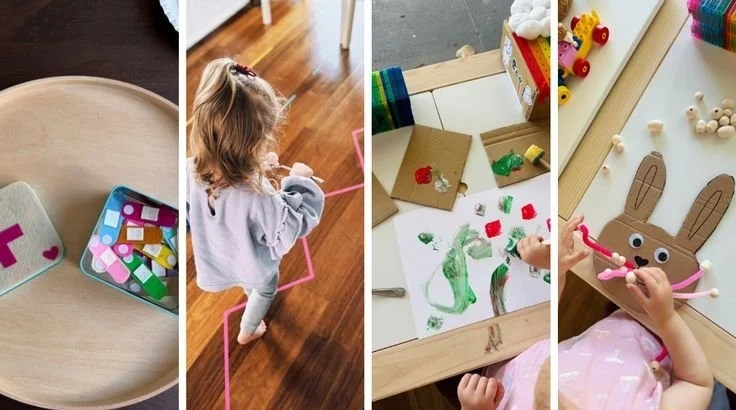
62 Fun Toddler Activities That Spark Learning for Your Two-Year-Old
Are you a busy parent looking for engaging ways to help your two-year-old learn new skills? Finding activities that are both fun and educational can be overwhelming at times. But don’t worry! I’ve gathered a list of 62 easy toddler activities that encourage learning and growth while keeping your curious little one entertained.
Why Engaging Activities Matter
At two years old, children are like sponges, eagerly soaking up new experiences. Engaging activities help develop fine and gross motor skills, enhance cognitive abilities, and improve social interaction. Plus, they create memorable bonding moments between you and your child. Let’s dive into some exciting options!
Creative Arts and Crafts
Finger Painting
- Provide non-toxic paints and let your child explore colors and textures.
Nature Collage
- Collect leaves, flowers, and twigs during a walk and create a fun collage.
Play Dough Fun
- Make homemade play dough and encourage your child to shape and mold their creations.
Sticker Art
- Set up a sticker station with a variety of stickers for your child to arrange on paper.
Craft Sticks Construction
- Use craft sticks to build simple structures together.
Sensory Activities
Sensory Bins
- Fill a container with rice, beans, or sand and hide small toys for your toddler to find.
Water Play
- Fill a basin with water and add cups, scoops, and toys for a splash-tastic time.
Texture Hunt
- Gather items with different textures and let your toddler explore them with their hands.
Bubble Wrap Stomp
- Lay down bubble wrap and let your child jump and stomp to create popping sounds.
DIY Slime
- Make a simple slime recipe and watch your toddler’s excitement as they play with it.
Active Play
Obstacle Course
- Use cushions, chairs, and toys to create a safe indoor obstacle course.
Ball Toss
- Play catch with soft balls to enhance hand-eye coordination.
Dance Party
- Put on some music and have dance-offs. It’s great for physical activity and fun!
Nature Walk
- Explore local parks, counting trees, birds, and other natural landmarks.
Animal Walks
- Imitate different animals with your child (hop like a frog or slither like a snake) to get moving.
Learning Through Play
Storytime with Props
- Use toys to act out stories and enhance understanding and creativity.
Shape Sorting
- Teach shapes by sorting objects using shape sorters or DIY cutouts.
Alphabet Treasure Hunt
- Hide alphabet letters around the house and go on a treasure hunt to find them.
Number Games
- Use everyday objects like blocks to introduce numbers while counting together.
Simple Puzzles
- Choose age-appropriate puzzles to develop problem-solving skills.
Imaginative Play
Pretend Kitchen
- Set up a play kitchen and pretend to cook together, discussing food and recipes.
Dress-Up Fun
- Provide costumes and encourage imaginative role-playing.
Building Forts
- Use blankets and pillows to create a cozy fort and tell stories inside.
Dollhouse Role Play
- Spend time interacting with dolls and figurines to inspire storytelling and social skills.
Car Races
- Create a track for toy cars and have fun racing them together.
Quick Tips For Success
- Keep It Simple: Choose activities that require minimal setup to ensure you both enjoy the moments.
- Follow Their Lead: Let your child’s interests guide the fun. If they love dinosaurs, incorporate that into your activities.
- Be Patient: Learning takes time. Celebrate their successes, big or small.
Mistakes to Avoid
- Over-scheduling: Avoid packing a day full of activities. Your child needs downtime to recharge.
- Too Much Screen Time: Balance screen time with hands-on activities for healthier learning.
- Neglecting Messes: Don’t be afraid to get messy; it’s part of the learning process!
FAQs
What age are these activities suitable for?
Most of these activities are designed for two-year-olds but can be adjusted for younger or older toddlers.
How long should each activity last?
Keep each activity to around 15-30 minutes, depending on your child’s attention span.
Do I need a lot of materials?
Many activities utilize common household items, making them easy and budget-friendly.
Bonus Ideas
If you’re looking for even more inspiration, consider:
- Seasonal Crafts: Celebrate holidays with themed crafts that spark joy and creativity.
- Gardening Together: Introduce your child to nature by planting flowers, herbs, or vegetables.
- Cooking Simple Recipes: Invite them into the kitchen for simple, safe cooking tasks like mixing ingredients or washing veggies.
By incorporating these fun and easy toddler activities into your days, you’re not just keeping your child entertained—you’re fostering learning and growth that will benefit them for years to come. Have fun exploring together!