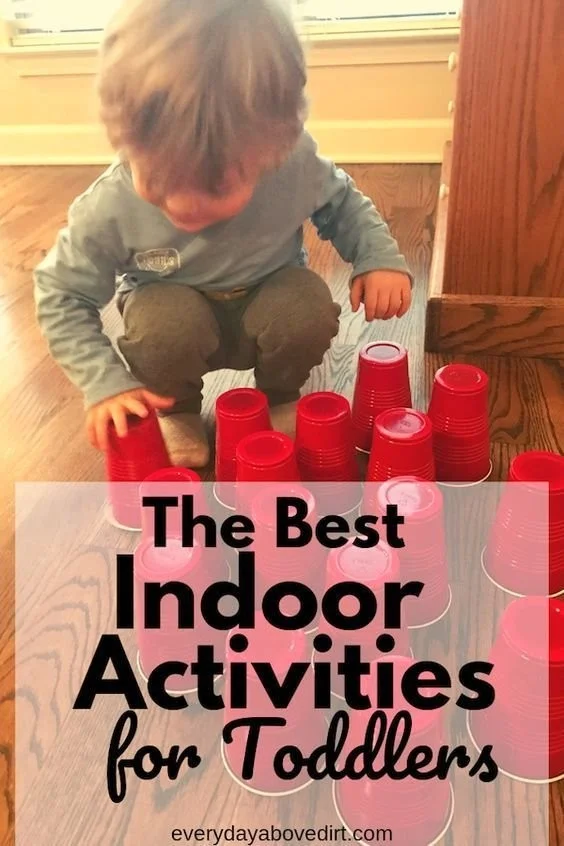
42 Fresh Indoor Ideas for Toddlers and Preschoolers: Keep Playtime Fun and Simple
Rainy days, long winters, or a fussy nap schedule don’t have to mean bored toddlers. With a little creativity, everyday items and a handful of minutes can turn your living room into a learning lab, an art studio, or an active playground. Below you’ll find approachable, low-prep activities that support motor skills, language, creativity, and calm focus—organized so you can pick something that fits the mood and energy level.
If you want a ready-made list to print or pin, this indoor activities for toddlers collection is a great companion to the ideas here.
How to choose an activity
- Energy level: pick high-movement games when your child is restless, and quieter sensory or art projects when they need to wind down.
- Prep time: many ideas require zero prep; others take 5–10 minutes.
- Learning focus: choose activities that emphasize gross motor, fine motor, language, sensory exploration, or creativity based on what you want to encourage today.
- Safety: always supervise small parts, messy play with food, and climbing or jumping activities.
Active & Gross Motor Play
- Obstacle course: cushions, chairs, and tape lines create tunnels, balance beams, and jumping spots.
- Balloon volleyball: keep a balloon off the floor and count hits.
- Dance freeze: upbeat songs, then freeze when the music stops.
- Tunnel crawl: use couch cushions or a blanket draped over chairs.
- Sock skating: wear socks on a wood or tile floor for a “skating” race.
- Pillow mountain climb: stack soft pillows to climb and descend carefully.
Fine Motor & Manipulative Play
- Sticker collage: peel-and-stick fun on paper or cardboard.
- Pom-pom sorting: use tongs or tweezers to sort by color into muffin tins.
- Clothespin drop: clip clothespins onto cardboard for pinching practice.
- Threading pasta necklaces: use large pasta shapes on yarn (supervise).
- Button art: glue buttons onto paper to make faces or patterns.
- Playdough sculptures: roll, pinch, and cut with safe tools.
Sensory Activities
- Sensory bin: rice, beans, or water beads with scoops and cups.
- Edible finger paint: yogurt mixed with natural food color (taste-safe).
- Ice cube treasure hunt: freeze small toys in ice and let kids melt them out.
- Cloud dough: flour and oil mixed to a moldable, sandy texture.
- Bubble wrap stomping: toss on the floor for tactile popping.
- Nature-feel tray: shells, leaves, and pinecones for touch exploration.
Quiet, Calm, and Focus
- Story stones: paint simple pictures on stones and tell a story together.
- Felt board scenes: make characters and shapes from felt sheets.
- Matching card games: pairs of animals, colors, or shapes.
- Simple puzzles: large-piece puzzles to build concentration.
- Sensory bottle: glitter and water in a sealed bottle to watch settle.
- Lacing cards: punch holes around a shape and let children sew with laces.
Creative & Artistic
- Tape resist painting: apply tape to paper, paint over it, then peel off.
- Shadow drawing: trace shadows of toys with a lamp.
- Nature collage: glue pressed leaves, petals, and sticks to paper.
- Homemade instruments: rice in sealed containers for shakers, pots for drums.
- Sticker story: place stickers and have the child tell a short story about them.
- Handprint art: turn handprints into animals or trees with a marker.
Early Learning Activities
- Color scavenger hunt: call out colors and have kids find matching objects.
- Shape hunt: search for circles, squares, and triangles around the room.
- Letter-lotto with foam letters: match foam letters to a letter board.
- Counting with blocks: stack and count towers together.
- Pattern play: create simple patterns with colored beads or blocks.
- Sorting everyday objects: socks, spoons, or small toys sorted by category.
Food-Based Activities (educational and sensory)
- Fruit kabob patterns: alternate fruit pieces to teach sequences (supervise choking hazards).
- Apple stamping: slice apples to stamp shapes in paint and discuss textures. For more ideas on using apples in toddler-friendly ways, see this article about the benefits of apples for toddlers.
- Yogurt parfait station: layer yogurt, fruit, and cereal for a taste-and-build lesson.
- Smoothie-making lesson: let kids help add ingredients and press the blender button with supervision.
Imaginative Play & Role-Play
- Mini market: set up a pretend grocery store with play food and play money.
- Dress-up theater: simple costumes and a cardboard stage for short performances.
Tips to keep things manageable
- Rotate: keep three go-to bins of toys or activities and rotate them to maintain novelty.
- Involve kids in set-up and clean-up to build responsibility.
- Keep a “no-screen” timer for set blocks of interactive play to maintain balance.
- Scale activities down: use 2–3 items for a toddler and more complex steps for preschoolers.
Conclusion
If you want to add toys and supplies that support these indoor ideas, you can shop indoor toys for 3-year-olds to fill your activity boxes. For more inspiration and a full list of 42 easy-to-follow projects, check the original roundup of 42 Simple Indoor Activities for Toddlers and Preschoolers.