1-Year-Old Meal Plan — Nutritionist-Approved Guidance
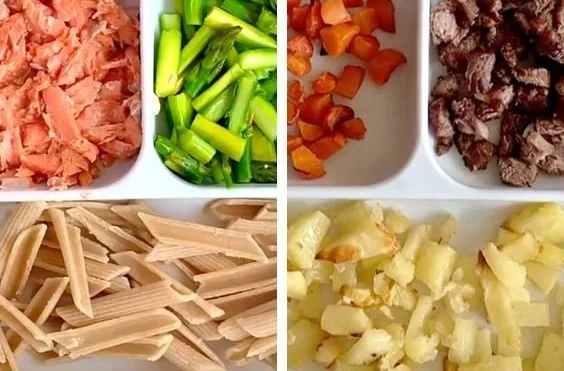
Introducing solids and shaping a nutritious routine for a one-year-old can feel overwhelming. At this stage your toddler is moving from frequent milk feeds to more family-style meals and needs balanced portions of protein, whole grains, fruits, vegetables, and healthy fats. For quick inspiration on textures and portion sizes tailored to this age, see these practical meal ideas for 1-year-olds that focus on variety and safety.
This article outlines daily rhythms, sample meals, safety tips, and how to adapt a plan as your child’s appetite and skills change.
Daily rhythm and portions
- Milk: Many one-year-olds still take breastmilk or formula; whole cow’s milk can be introduced after consulting your pediatrician. Aim for about 400-500 mL (13–17 oz) of milk per day to avoid displacing iron-rich foods.
- Meals and snacks: Offer three meals plus two planned snacks. Expect appetite to fluctuate — follow hunger cues.
- Portions: Serve roughly one-quarter to one-third of adult portions. A useful guide is 1 tablespoon per year of age per food group at each meal, then adjust to the child’s appetite.
Sample 1-day meal plan (flexible)
Breakfast
- Soft scrambled egg with grated cheese and a few pieces of soft, ripe pear.
- Small whole-grain toast fingers or pancake bite.
Morning snack
- Full-fat yogurt with mashed banana or soft berries.
Lunch
- Small cubes of baked chicken or mashed lentils.
- Cooked sweet potato chunks.
- Steamed peas or soft carrot pieces.
Afternoon snack
- Soft avocado slices and whole-grain crackers.
Dinner
- Mild vegetable and beef (or tofu) stew with softened pasta or rice.
- Steamed broccoli florets cut into tiny pieces.
Bedtime (if needed)
- Small milk feed or milk in a cup, depending on your routine.
Adjust textures—mash, finely chop, or offer finger foods depending on your child’s chewing and self-feeding abilities. Rotate proteins, grains, and vegetables across the week to cover different nutrients.
Foods to emphasize and limit
Emphasize:
- Iron-rich foods: meat, lentils, fortified cereals.
- Healthy fats: avocado, full-fat dairy, olive oil.
- Vitamin C sources with iron-containing meals, like citrus, kiwi, or bell pepper, to enhance absorption.
Limit or avoid:
- Added salt and sugar.
- Whole nuts and large chunks that can cause choking; offer nut butters spread thinly or finely ground.
- Unpasteurized dairy and undercooked eggs or meats.
Safety and allergy considerations
- Always supervise eating. Cut foods into small, manageable pieces.
- Introduce common allergens (peanut, egg, dairy, soy, wheat, fish) one at a time, in small amounts, while observing for reactions, and check with your pediatrician if your family has a history of severe allergies.
- Avoid honey until after 12 months due to botulism risk (if your child is just at one year, consult your pediatrician about timing).
Feeding skills and independence
Encourage self-feeding to build motor skills and confidence:
- Offer soft finger foods and let your toddler practice grasping.
- Provide a cup for milk to support the transition away from bottles.
- Keep mealtimes relaxed and family-centered—toddlers model what they see.
For more detailed recipes and snack suggestions appropriate for this developmental stage, you can explore further meal ideas for one-year-old toddlers that include batch-cook options and simple finger-food swaps.
Troubleshooting picky eating
- Keep offering foods even if they’re rejected; it can take many exposures before acceptance.
- Pair new foods with familiar favorites.
- Avoid pressuring; make mealtime predictable and pleasant.
When to seek help
Consult your pediatrician or a pediatric dietitian if your child:
- Consistently refuses food or shows prolonged poor weight gain.
- Has restrictive eating patterns limiting several food groups.
- Has suspected nutrient deficiency symptoms (e.g., extreme fatigue, pallor).
Conclusion
For practical guidance on transitioning to solids and techniques like hot weaning, this external resource provides additional context: hot weaning at 10 months resource. If you want a professional-style sample plan to adapt for a one-year-old, this nutritionist-approved example is helpful: 10 Month Old Meal Plan – Nutritionist Approved.

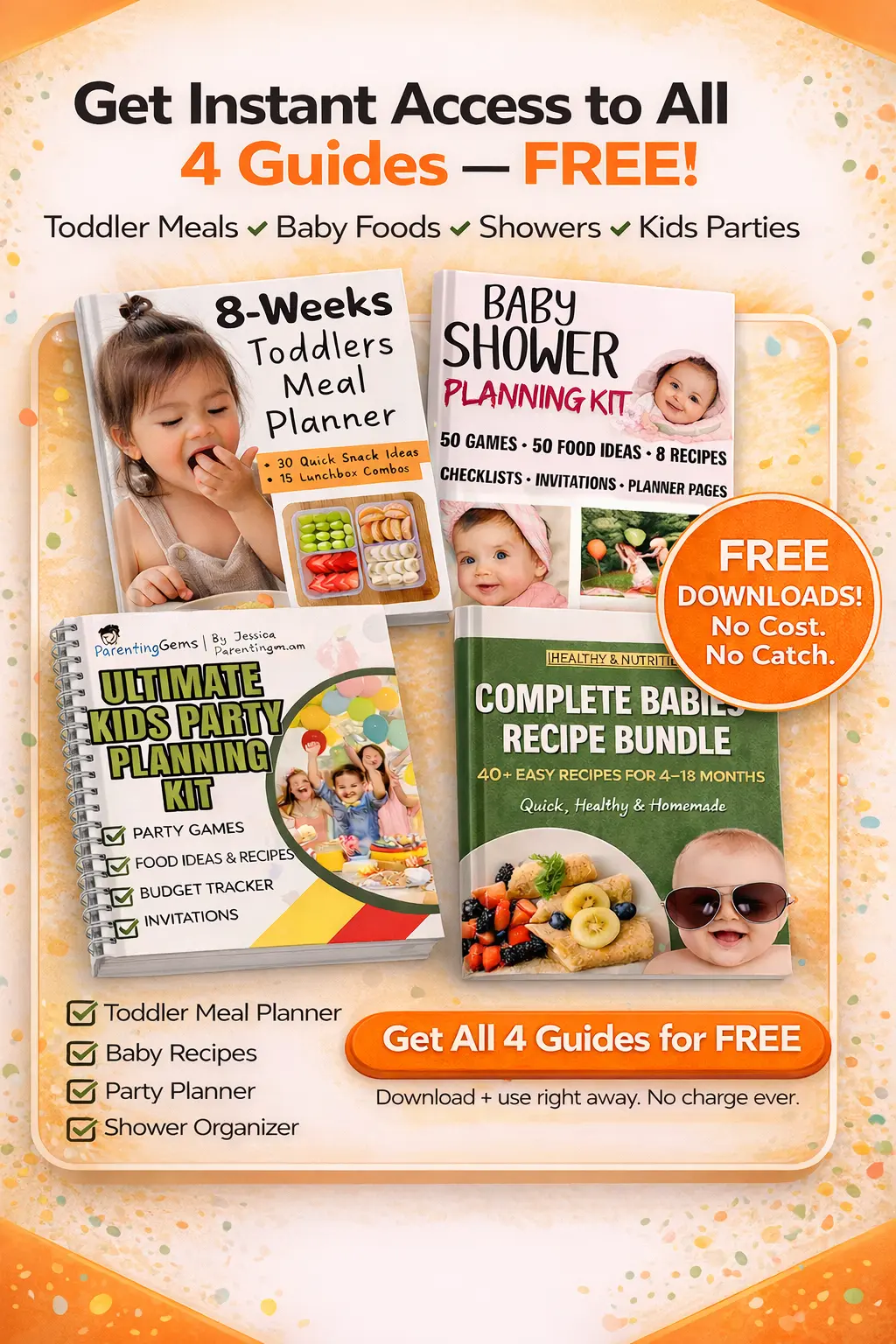
Click to get the full bundle — instant download