
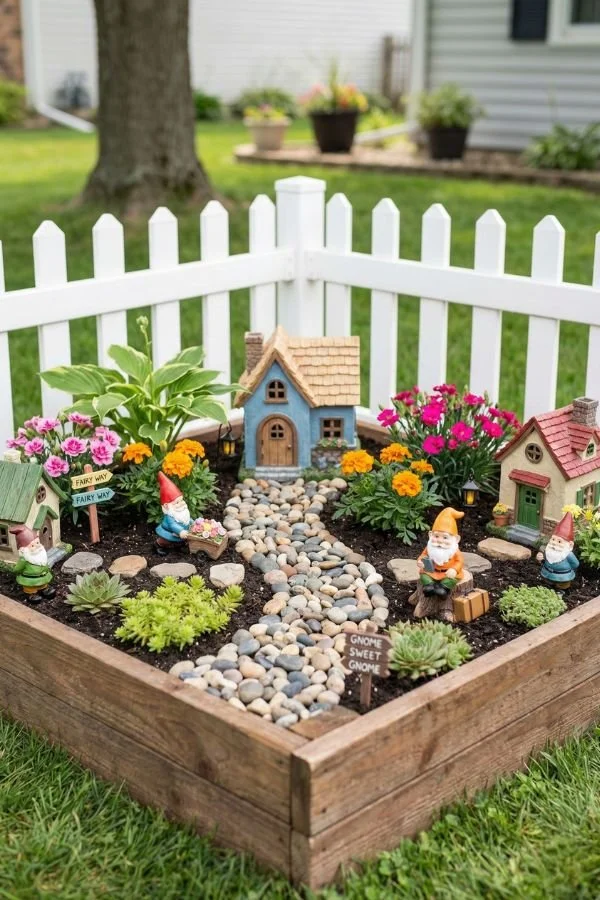
Transforming Ordinary Planters into Enchanting Fairy Gardens
Imagine this: you’re in your backyard, and your little one is exploring tiny realms of imagination. Every toy is a character, and the garden becomes a world of magic and adventure. What if I told you that you could enhance this experience with fairy gardens right in your planters? These whimsical spaces not only provide an imaginative escape but also beautify your outdoor space—and they can be downright easy to create.
Creating a fairy garden can be the perfect family activity that sparks creativity. You might be wondering how to transform simple pots into magical hubs. Well, let’s dive into creative fairy garden ideas that will have your little ones dreaming up enchanting stories as they play!
Start with the Right Planters
For fairy gardens, you don’t need to splurge on fancy planters. What you do need is to ensure they have adequate drainage. Repurposing old pots can add character and charm. Consider using broken pots gathered from the garage or even clay pots that have been lying around. These can give your fairy garden a rustic touch.
If you’re feeling adventurous, you might even want to build a tiered display using stacked pots. Think of it as a multi-level fairyland! Each level can showcase different elements: maybe some miniature houses on one tier and a quaint bridge on another. This layered approach allows for creative storytelling opportunities and captures your child’s imagination.
Choosing the Right Plants
Now, here’s the thing: not all plants are created equal when it comes to fairy gardens. You’ll want to select small plants that look delightful and thrive in containers. Succulents, dwarf conifers, and small ferns are incredible choices. When you plant these, think about how they’ll enhance the enchanted vibe you’re going for.
Don’t hesitate to check out ideas that fit your decor! For cozy, inviting nurseries, consider incorporating elements from a cottage garden nursery, where soft colors and whimsical touches create the perfect inviting atmosphere.
Adding Miniature Accessories
As you set up your fairy garden, don’t forget to think small—literally! Use mini accessories to create a captivating scene. You can easily find tiny fairies, miniature furniture, or even small animal figurines. For a personal touch, craft some yourself!
What if you set up a tiny swing made from twine and a stick? Your little ones will love playing with the intricacies of their miniature world. Plus, it’s a fun way to spark conversations about the importance of imagination.
Include Natural Elements
Integrating natural materials not only emphasizes the magic of the garden but also provides a tactile experience for kids. Incorporate stones, wood chips, or even moss. These elements can serve as pathways or borders and will blend seamlessly with plants.
I’m sure you’ve seen how children love digging in the dirt. So why not tap into that? Using beach sand or small pebbles can create a sensory-rich environment that invites your kids to play and explore. It’s a way for them to connect with nature while they engage in imaginative play.
Seasonal Touches
Every fairy garden can change with the seasons, which is a great strategy to keep things fresh and exciting. For instance, you can use autumn leaves or mini pumpkins during fall, or delicate snowflakes and tiny sleds in winter. These seasonal adjustments can help your little ones appreciate the changing world around them — feeling the cycles of nature through their magical garden.
By frequently updating your fairy garden, you’ll keep your child engaged and turning the soil to create new adventures. Remember, it’s all about the journey together!
Involve Your Child
You’re probably familiar with how much fun it can be to let your child take the lead on projects. Give them some autonomy in choosing the plants and accessories. This way, they feel ownership over their enchanting creation. Ask them what they envision, and lay out the materials. You’ll be amazed at what they come up with!
It’s completely normal to feel a bit overwhelmed at first, especially if you’re tackling garden projects and keeping an eye on your little ones. But remember, you’re not alone in this. Other parents have found joy and success in these projects, turning gardening into a cherished family activity.
Documenting the Journey
As you create and evolve your fairy garden, you’ll want to capture these moments. Take photos regularly and create a scrapbook together. This will not only document the growth of the plants but also the growth of your child’s imagination.
Consider crafting a storybook filled with the adventures your fairies have had throughout the seasons. Each visit can spark new ideas, adventures, and fond memories.
Encouraging Growth Beyond the Garden
Creating fairy gardens can be a segue to many learning opportunities. Discuss plant growth, ecosystems, and even the importance of nurturing living things. As you search for decorations and plants, have conversations about nature’s roles in our lives and the environment. It’s a beautiful way to bond and learn together.
If you’re looking for more ways to make family nights easier, check out these easy family dinner ideas that can free up time for your fairy garden adventures!
Conclusion
Involving your children in the creation of a fairy garden can foster their creativity and spark joy in both playtime and gardening. Plus, who doesn’t love a dash of whimsy in their lives? You’ll find countless possibilities as you experiment with different planters, plants, and accessories. To explore more artistic inspiration, check out this DIY fairy garden guide that provides fun project ideas. For outdoor inspirations, consider visiting this page on creative outdoor fairy gardens that might just fuel the creative flames!