
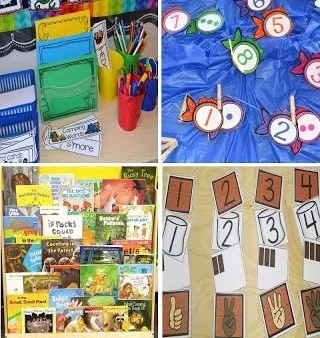
Imagine it’s a sunny day, and your little ones are buzzing with excitement as they march into class, backpacks in hand. What’s got them so riled up? It’s camping week, and you’ve transformed your classroom into a magical woodland wonderland! We’ve all been there—trying to ignite that spark of interest in our children, and when you add in a little camping theme, you leverage their natural curiosity about the world around them.
You see, everyone loves a camping theme. It opens the door to discussions about forest animals, the intricate lives of insects, the wonders of the night sky, and even the gentle flow of rivers. Let’s be honest, what’s not to love? Plus, it’s the perfect chance to indulge your inner kid while teaching your little learners!
Setting Up Your Camping Theme
Creating a camping theme in your classroom doesn’t have to break the bank or take forever. Picture this: cozy corners filled with faux campfires made from orange and red construction paper, children’s literature stacked high with stories of adventure, and perhaps even some soft, playful greenery sprouting up from the craft table.
Decorate with Nature
Bring the outdoors inside by incorporating natural elements. Use real pinecones, twigs, and even leaves glued onto bulletin boards to create educational displays. Need ideas? Checking out local parks or nature centers can inspire plenty because, as parents, we often forget where to find those gems.Create Learning Centers
Breaking your classroom into thematic centers can keep kids engaged. Here’s how you might break it down:- Nature Exploration Center: Fill this spot with magnifying glasses for a closer look at leaves and insects (kids will love being mini-scientists).
- Art Center: Invite the children to create woodland critters using recycled materials or natural items like leaves and sticks.
- Storytelling Corner: Set up a cozy space with blankets and cushions for reading by flashlight (a camping essential!). Use books that celebrate nature to deepen appreciation for it.
Fun Activities for Little Learners
So we’ve set the stage, but how do we keep children engaged? Here’s the thing: hands-on activities work wonders at this age, fostering curiosity and creativity. Let’s dive into some hands-on activities that’ll have your kids itching to learn more.
Nature Scavenger Hunts
What if you took learning outside? Create a scavenger hunt! Kids can search for specific leaves, stones, or in perfect timing with the seasons, pinecones. Consider blending it with a nature talk—what trees surround us, or which animals might be hunting or foraging in the area?
Insect Observation
Insects are everywhere! Why not set up a mini farm with live specimens? You could explore ants in an ant farm, or bring in ladybugs for the kids to marvel at. After their observations, they can draw their favorite insects and share fun facts they learned during their explorations.
Camping Cooking Class
Who doesn’t love s’mores? Create a mini “campfire” in the classroom (safely, of course), using a flickering light or even a candle (supervised, of course). Engage kids in preparing s’mores—it’s a great way to discuss ingredients and the joy of sharing food. This might just lead to discussions about nutrition, as fruits or nuts can be a delightful addition!
Engaging with the Night Sky
Let’s be real, the night sky is utterly fascinating for both kids and adults. A simple stargazing activity can promote conversation about constellations or even the phases of the moon.
Star Chart Creation
Provide the kids with black construction paper and glitter glue. They can create their own ‘night sky’ using stickers and glitter, discussing the stars as they do it. An added touch could be reading a book about constellations to bring that information to life!
Storytime Under the Stars
Arrange a “story time under the stars” session using a projector to cast images of stars on the ceiling. Light up the classroom with soft ambient music in the background—a fun and serene way to help kids wind down while expanding their understanding of astronomy.
Encouraging Exploration by the Water
Water is a wonderfully versatile teaching tool. Let’s explore how you can introduce activities around rivers, lakes, and fishing while being budget-conscious.
Water Play Activity
Set up a water table with toy fish, boats, and buckets. Talk about how rivers flow and the aquatic life they sustain. Kids can sort fish by color or size or even practice counting. Bonus points for incorporating simple science experiments, like floating vs. sinking!
Fishing Games
You can create a fishing game using a cardboard box filled with water and paper fish with magnets attached. It’s an engaging way for kids to practice their counting skills and sight words by writing on the fish!
Nature Journals
Creating nature journals is a fantastic way for children to document their learning adventures. Kids can sketch their favorite animals, write stories, or record their scavenger hunt findings. This element of reflection not only solidifies what they’ve learned but also enhances literacy skills.
Bonus Ideas for the Camping Theme
Here are a few extra activity ideas that you might be able to incorporate:
- Animal Puppets: Have the kids create animal puppets from paper bags. They can then perform a little skit, reinforcing what they’ve learned about their forest friends.
- Nature Sound Bingo: Create bingo cards with different nature sounds for them to identify. This promotes listening skills while getting them to connect with the outdoors.
- Group Projects: Work on a big mural of a forest scene. Kids can work together to fill it with animals, plants, and even rivers. It fosters teamwork and creativity!
Mistakes to Avoid
When diving into any new theme, there are a few things to keep in mind:
- Avoid Overdoing It: It’s easy to get carried away. Focus on a few well-executed activities rather than overwhelming kids with too many.
- Neglecting Safety: Always supervise activities involving food or outdoor exploration to create a fun and safe environment.
Quick Tips for Success
- Keep It Interactive: Remember, children love hands-on activities. The more they can touch, feel, and experiment, the more likely they are to stay engaged.
- Incorporate Movement: Kids have wiggles! Utilize active, movement-based learning activities to keep energy levels high.
- Celebrate Their Work: Display their projects around the room; it fosters pride in their work and showcases their learning journey.
Conclusion
As we wrap up this exploration of a camping-themed classroom, it’s clear that incorporating nature, animals, and hands-on activities inspires curiosity and joy in children’s learning. I hope this gives you some fresh ideas to make your camping week memorable!
For more inspiration on engaging nature activities, check out this great resource on camping centers and activities. And if you’re looking for printables and structured activities, you’ll find fantastic options with Pocket of Preschool. Happy camping!