
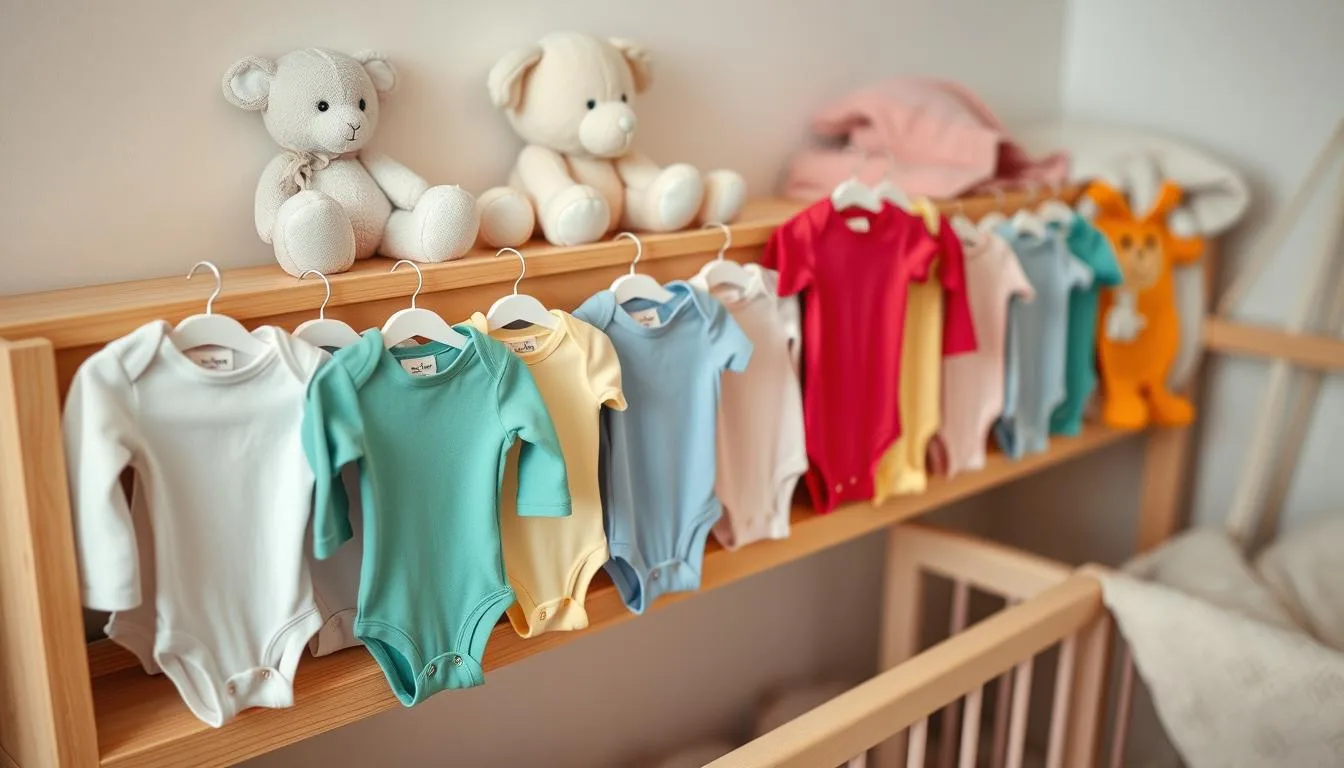
Choosing the right Onesies for Infants can make a big difference for parents. Onesies, also known as baby bodysuits, have changed the game in infant clothing. They are simple yet brilliant, offering unmatched comfort and ease for your baby in the first few months.
Today’s baby clothes focus on soft, breathable materials that are gentle on sensitive skin. Organic cotton is a favorite among parents who value both comfort and quality. Onesies are great for everyday use and special occasions, keeping your baby cozy and looking good.
Table of Contents
Key Takeaways
- Onesies provide ultimate comfort and convenience for infants
- Organic cotton offers superior softness and skin protection
- Versatile clothing option for daily wear and special events
- Easy to dress and change, reducing parent stress
- Available in multiple styles and designs for different needs
Understanding Baby Onesie Essentials
Choosing the right clothes for your baby can make a big difference. Onesies are a must-have for new parents. They offer comfort and ease for your little one.
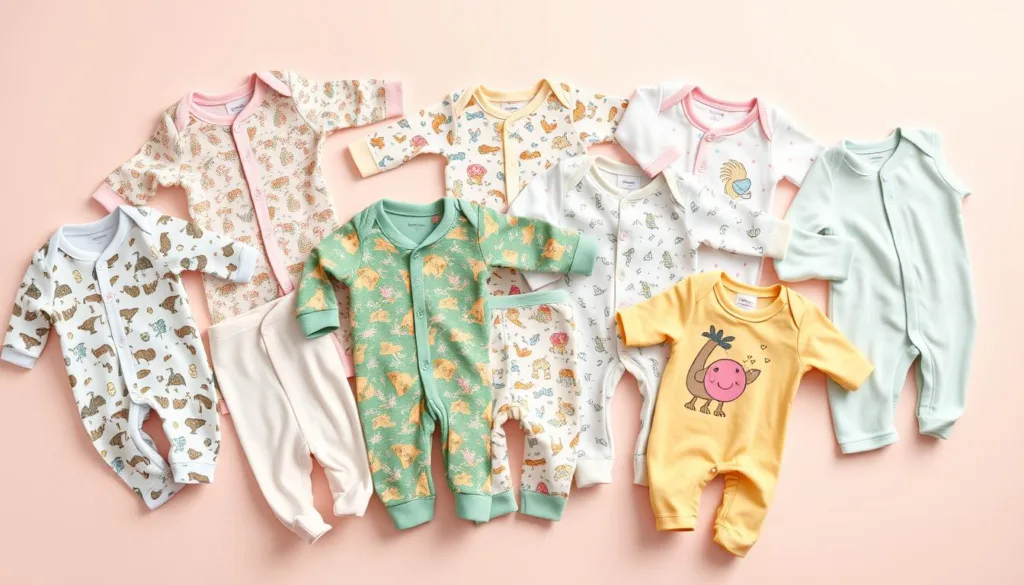
Knowing about baby clothes is key for comfort. Parents want solutions that make daily life easier. They want their babies to be cozy and happy.
Benefits of One-Piece Clothing
- Enables easy dressing with minimal fuss
- Streamlines diaper changes with strategic closures
- Provides full-body coverage and warmth
- Reduces layers for simplified outfit management
Types of Baby Onesies
Bodysuit styles come in many types to fit different needs. Your baby’s wardrobe can include:
- Footie onesies for complete body coverage
- Sleeper gowns for nighttime comfort
- Snap-button bodysuits for quick changes
- Zip-front designs for effortless dressing
Key Features to Consider
| Feature | Importance | Recommendation |
|---|---|---|
| Material | Skin sensitivity | Organic cotton, soft modal blends |
| Closure Type | Ease of Use | Snap buttons, side zippers |
| Size Range | Growth Accommodation | 0-3, 3-6 months |
“Choosing the right onesie is about balancing comfort, practicality, and your baby’s unique needs.” – Pediatric Clothing Experts
Investing in good onesies makes parenting easier and more fun.
Organic Cotton vs. Regular Cotton Onesies
Choosing eco-friendly baby clothes is important. Knowing the difference between organic and regular cotton is key. Organic cotton is better for your baby and the planet, making it a top choice for sustainable fashion.
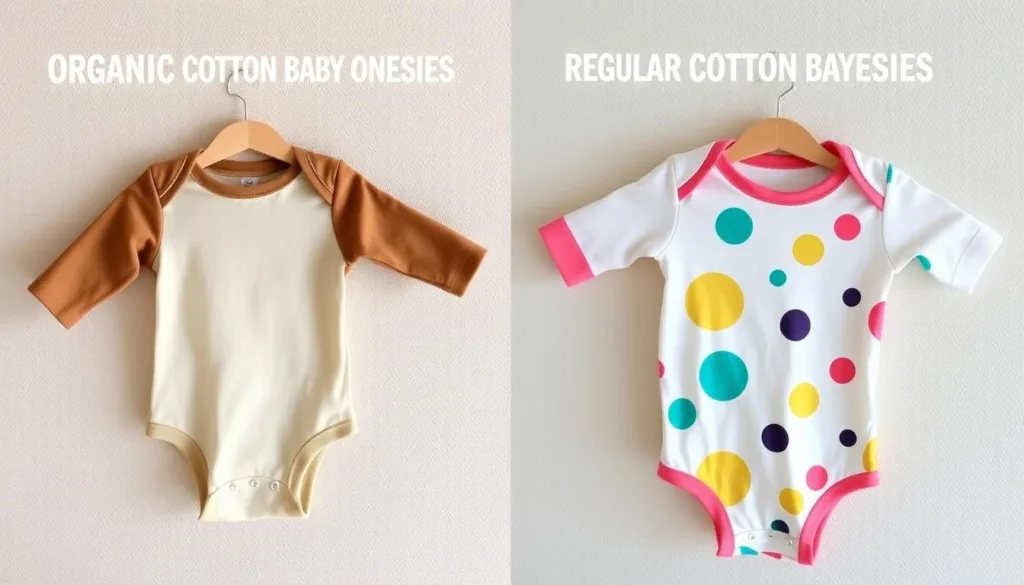
- Grown without harmful pesticides
- Softer and gentler on sensitive baby skin
- More environmentally sustainable production
- Reduced chemical exposure for infants
“Choosing organic cotton means investing in your baby’s comfort and our planet’s future.” – Sustainable Parenting Magazine
Looking at how organic and regular cotton are made shows their differences:
| Feature | Organic Cotton | Regular Cotton |
|---|---|---|
| Pesticide Use | Zero synthetic chemicals | High chemical intervention |
| Skin Sensitivity | Hypoallergenic | Potential irritation |
| Environmental Impact | Low carbon footprint | Higher environmental strain |
For parents wanting the best for their baby and the planet, organic cotton onesies are the best. They are incredibly soft, breathable, and give you peace of mind.
Seasonal Onesies for Year-Round Comfort
Dressing your infant for different seasons is all about choosing the right clothes. The right onesie helps regulate temperature and keeps your baby warm or cool as needed.
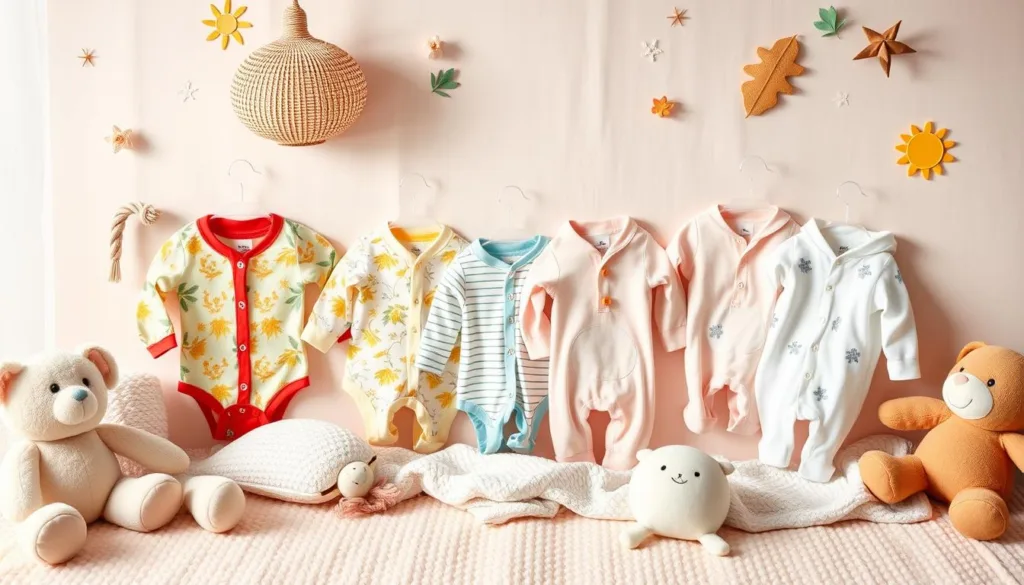
Choosing the perfect onesie means knowing about breathable fabrics and layering. These help your baby stay comfortable in any weather. It’s all about picking the right materials and design for each season.
Summer-Weight Options
Summer onesies are all about being light and breathable. They help keep your baby cool and comfy. Look for ones made from:
- 100% organic cotton
- Lightweight modal blends
- Soft linen materials
Winter-Ready Designs
Winter onesies are all about keeping warm. They have features like:
- Thick knitted cotton materials
- Thermal-lined configurations
- Full-body coverage for temperature regulation
Transitional Weather Choices
Transitional onesies are great for changing weather. They’re designed to be layered easily for any temperature.
| Season | Recommended Fabric | Price Range |
|---|---|---|
| Summer | Organic Cotton Modal | $21.99 |
| Winter | Knitted Cotton | $44.99 |
| Spring/Fall | Layerable Blends | $29.99 |
“Comfort is key when selecting seasonal infant clothing.” – Pediatric Clothing Experts
Invest in versatile, high-quality onesies. They should provide comfort and protection in any weather.
Size Guide for Infant Onesies
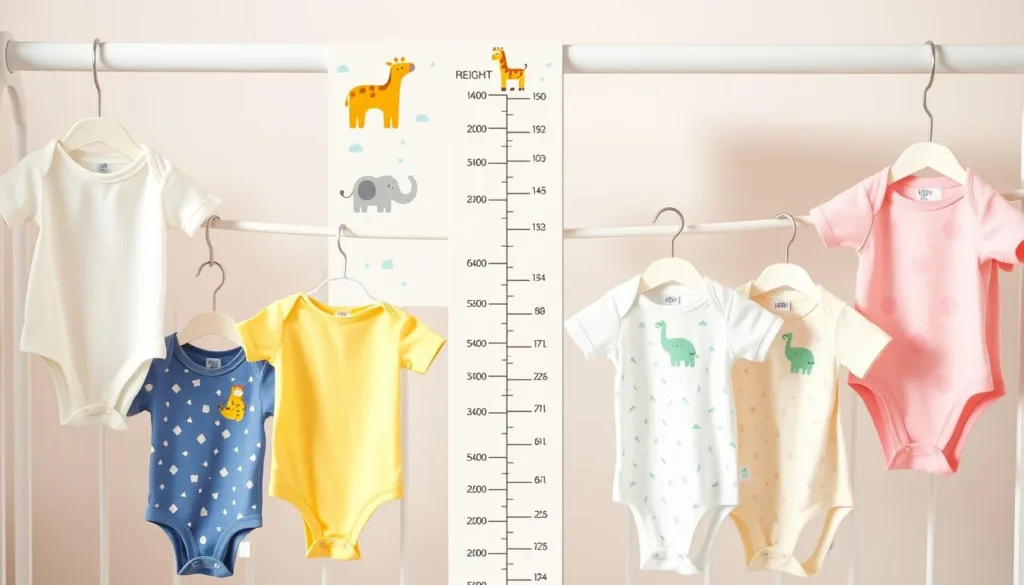
Finding the right size for your newborn can be tough. Knowing about baby growth charts helps you pick the perfect onesie. Babies grow fast, so it’s key to get the right size.
When picking out onesies, keep these things in mind:
- Weight range for different sizes
- Length measurements
- Baby’s current growth rate
- Specific brand sizing variations
Here’s a detailed breakdown of typical onesie sizes:
| Size | Weight Range | Height Range |
|---|---|---|
| Preemie | Up to 6 pounds | Up to 18 inches |
| Newborn | 6-8.8 pounds | 18-21.5 inches |
| 0-3 Months | 8.8-12.6 pounds | 21.5-24 inches |
| 3-6 Months | 12.6-16.5 pounds | 24-27 inches |
Pro tip: Babies grow 1-1.5 inches and gain 1-2 pounds monthly in their first six months. This means you’ll need to change sizes often.
“Always buy slightly larger sizes to accommodate your baby’s quick growth and save on clothing expenses.”
Brands like Carter’s, Baby Gap, and Amazon Essentials have detailed size charts. Check each brand’s recommendations for the best fit for your baby.
Popular Onesies for Infants Styles and Designs
Choosing the right onesie for your baby is key. You need to know about different closures and designs. Easy-change outfits are great for parents who want style and convenience. The right onesie can make your baby’s wardrobe better and more comfortable.
Infant clothing designers have made many closure types. This meets the needs of different parents. Let’s look at the most popular ones:
Zip-Front Options
Zip-front onesies are perfect for busy parents. They make dressing and changing diapers quick and easy. Popular styles include:
- Full-length zipper designs
- Partial zipper configurations
- One-handed zipper mechanisms
Snap-Button Varieties
Snap-button onesies are a classic choice. They are stylish and easy to use. Key features include:
- Multiple snap locations
- Reinforced closure points
- Soft-touch button designs
Wrap-Style Configurations
Wrap-style onesies offer unique dressing solutions. They add flexibility and comfort for your baby.
| Closure Type | Ease of Use | Comfort Rating |
|---|---|---|
| Zip-Front | High | 8/10 |
| Snap-Button | Medium | 7/10 |
| Wrap-Style | Medium-High | 9/10 |
“The right onesie is more than just clothing – it’s a comfort system for your infant.” – Pediatric Fashion Experts
When picking a onesie for your baby, think about what you need. Each style has its own benefits. They help make outfits easy to change, keeping your baby comfy and cute.
Premium Materials for Sensitive Skin
Choosing the right fabrics is key to protecting your baby’s delicate skin. Hypoallergenic fabrics have changed the game for parents looking for the most comfortable clothes for their little ones.
Bamboo clothing is a top pick for infant wear. Its natural properties make it perfect for sensitive skin. These soft textiles offer many benefits:
- Naturally antimicrobial
- Moisture-wicking capabilities
- Temperature-regulating properties
- Extremely gentle on delicate skin
Premium brands are now using new fabric technologies. The Babyfi® Silver Line is a big step forward in infant clothing. It combines bamboo with silver fiber technology. This unique blend offers:
- Up to 99.9% bacteria reduction
- Enhanced skin protection
- Improved comfort for babies with sensitive skin
“Choosing the right fabric is more than fashion—it’s about your baby’s comfort and health.”
When picking out infant clothing, look at these top organic brands. They focus on skin-friendly materials:
- Pehr
- Hanna Andersson
- Burt’s Bees Baby
- Quince
These brands are committed to sustainable, hypoallergenic fabrics. They ensure your baby gets the gentlest care. Invest in premium materials that protect and nurture your infant’s sensitive skin.
Price Range and Value Considerations
Finding affordable baby clothes can be tough for new parents. Knowing the price ranges and value options helps you buy smart for your baby’s clothes.
Budget-Friendly Options
Infant wear can start at very low prices. Basic cotton onesies cost between $8 and $15. This is great for parents who want to save money. These options usually include:
- Simple solid-color designs
- Multipacks with 3-5 onesies
- Essential everyday wear
Luxury Collections
Parents who want the best look for high-end infant wear. Premium onesies from top brands cost between $30 and $45. They feature:
- Intricate designs
- Premium fabric blends
- Specialized craftsmanship
Best Value Picks
Smart parents find onesies that are both good quality and affordable. Our research shows some great choices:
| Brand | Price Range | Features |
|---|---|---|
| Jamie Kay | $21.99 – $29.99 | Organic cotton, multiple styles |
| Little Me | $19.99 – $24.99 | Soft fabrics, cute designs |
“Investing in quality onesies doesn’t mean breaking the bank. Look for versatile pieces that grow with your baby.” – Parenting Expert
When buying infant clothing, look for designs that are useful for many things. Cost-effective choices are not just about the cheapest price. They are about lasting value and comfort for your baby.
Care and Maintenance Tips
Looking after your baby’s clothes is key. It’s all about washing and caring for fabrics right. This keeps your little one’s clothes lasting longer and feeling comfy.
Here are some must-know tips for washing baby clothes:
- Use gentle, baby-safe detergents free from harsh chemicals
- Wash new clothes before first use to remove potential irritants
- Separate white and colored items to prevent color bleeding
- Choose cold or warm water settings for delicate fabrics
Pro tip: Always check the care label for specific washing instructions, especially for specialty fabrics like organic cotton or bamboo.
“Gentle care extends the life of your baby’s clothing and protects their sensitive skin.” – Infant Care Experts
Different fabrics need different care. For example, organic cotton onesies should air dry to stay soft. Bamboo clothes need extra care with mild detergents and cool water.
Storing clothes right is also crucial. Here are some tips:
- Fold clothes neatly to prevent wrinkles
- Store in cool, dry places
- Use breathable storage containers
- Rotate clothing to ensure even wear
By following these washing and fabric care tips, your baby’s clothes will stay soft, clean, and comfy for a long time.
Special Occasion and Everyday Onesies
Dressing your baby for different occasions is all about finding clothes that are both comfy and stylish. You need onesies that can go from casual to special events without a hitch. This way, your baby can look great and feel comfortable all day long.
When picking out holiday outfits for your little one, keep these tips in mind:
- Choose onesies that are comfy and let your baby move freely.
- Opt for designs that are easy to change.
- Find styles that can be worn in many different places.
- Make sure the onesies are made of soft, high-quality materials.
“The right onesie can make every moment special, whether it’s a family gathering or a playdate.”
Different events need different onesie styles. Here’s a quick guide to versatile options:
| Occasion | Recommended Style | Price Range |
|---|---|---|
| Casual Playtime | Cotton Snap-Front Onesies | $21.99 – $29.99 |
| Holiday Celebrations | Dressy Embroidered Onesies | $34.99 – $44.99 |
| Family Photos | Coordinated Themed Onesies | $29.99 – $39.99 |
Your baby’s closet should have flexible playwear for all kinds of places. Look for onesies with stretchy necklines, soft fabrics, and easy closures. These features make dressing and changing a breeze.
The best infant clothes are both practical and cute. They should make your baby look adorable while keeping them comfy in any setting.
Safety Features and Standards
Keeping your baby safe is all about knowing the key safety features in infant clothes. Child safety standards are more than rules. They are a parent’s first defense to keep their little one safe.
When picking out onesies, it’s important to think about more than just how comfy they are. Baby clothing rules are key to keeping babies safe from dangers.
CPSC Guidelines for Infant Clothing
The Consumer Product Safety Commission (CPSC) sets strict rules to keep babies safe. Important guidelines include:
- Flame resistance for sleepwear
- Chemical safety tests for fabrics
- Standards for closures to avoid choking
- Size guidelines for a good fit
Quality Certifications for Safe Clothing
Look for certifications that show clothes are safe and made from non-toxic materials. Good certifications include:
| Certification | Focus Area | Importance |
|---|---|---|
| GOTS (Global Organic Textile Standard) | Organic Material Safety | Ensures chemical-free textile production |
| OEKO-TEX Standard 100 | Chemical Safety | Tests for harmful substances in textiles |
| CPSIA Compliant | Overall Child Safety | Meets US federal safety regulations |
Material Safety Considerations
Choosing the right materials is key for baby safety. Newborns have extremely sensitive skin that can react to harsh chemicals or synthetic fabrics. Focus on:
- 100% organic cotton fabrics
- Hypoallergenic material blends
- Breathable, natural fiber clothing
- Chemical-free dye processes
“Safety isn’t expensive, it’s priceless” – Protecting your child starts with informed clothing choices.
Brand Comparison and Reviews
Looking for the best infant onesies? Knowing the top baby clothing brands is key. Customer feedback and ratings help find the best for your baby.
- Pehr: Certified organic baby clothes with diverse collections
- Mori: Award-winning pajamas with innovative designs
- Colored Organics: Specialized in organic newborn onesies
- Quincy Mae: Organic cotton and bamboo clothing options
Customer ratings show what each brand does well:
| Brand | Key Features | Customer Rating |
|---|---|---|
| Gerber | 4-Pack Sleep ‘n Play Footie Onesies | 4.8/5 (100,000+ reviews) |
| Jamie Kay | Soft Cotton Cardigans | 4.7/5 |
| Raising Mama | 5% Thicker Material | 4.9/5 |
When picking baby clothes, look beyond looks. Comfort, durability, and material quality matter most for your baby’s clothes.
Pro tip: Most babies wear onesies until their first birthday, so invest in versatile, high-quality options.
Check the size ranges, which usually fit newborns to 9 months. Brands like Raising Mama offer sizes up to 5/6, making your investment last longer.
Conclusion
Choosing the right clothes for your baby is more than just picking outfits. It’s about making sure they’re comfortable and stylish. With 72% of parents focusing on comfort, picking the right onesies is key.
Baby wardrobe essentials like onesies are great for infants from 0 to 12 months. Look for lightweight, breathable fabrics that are gentle on their skin. Brands with UV protection, moisture-wicking, and soft materials like organic cotton or bamboo are best.
Parent-approved clothing is about more than looks. It’s about being practical. Look for easy snap closures, fabrics that can be machine washed, and tagless designs to avoid skin irritation. Remember, 93% of parents like machine-washable options, and 78% prefer tagless designs for their baby’s skin.
Your baby’s clothes should grow with them, offering comfort and freedom of movement. By choosing versatile, high-quality onesies, you’ll create a wardrobe that supports their growth and keeps them comfortable.
FAQ
What are the different types of onesies available?
Onesies come in many styles. You can find footies, sleeper gowns, bodysuits, and more. Brands like Jamie Kay and Little Me have options for every need, from daily wear to special events.
Why should I choose organic cotton onesies?
Organic cotton onesies are great for babies with sensitive skin. They are soft, breathable, and eco-friendly. Jamie Kay offers organic onesies that are gentle and safe for your baby.
How do I choose the right size for my baby?
Onesies come in sizes from newborn to 24 months. Think about your baby’s size and how fast they grow. Little Me has size charts to help you find the perfect fit for your baby.
What materials are best for baby onesies?
The best materials are organic cotton, bamboo, and modal blends. These are soft, keep moisture away, and regulate temperature. They’re perfect for your baby’s sensitive skin.
How much do onesies typically cost?
Onesie prices vary. You can find affordable ones for . Jamie Kay and Little Me offer mid-range ones for .99 to .99. Luxury ones can cost up to .99. Buying in bulk can save you money.
How should I care for baby onesies?
Most onesies can be machine washed. Use gentle, baby-safe detergent and follow the care label. For delicate materials like bamboo or organic cotton, air drying is best to keep them soft.
Are onesies safe for my baby?
Yes, onesies from trusted brands meet safety standards. Look for certifications like GOTS for organic materials. Choose brands that focus on safety and use non-toxic materials.
Can onesies be used for different seasons?
Yes, you can find onesies for every season. Summer onesies are light, while winter ones are warm. Jamie Kay has pieces that can be layered for changing temperatures.
What closure types are available for onesies?
Onesies have different closures. You can find zip-front, snap-button, and wrap designs. Each type makes dressing and diaper changes easier.
Can onesies be used for special occasions?
Absolutely! Little Me has onesies for holidays and celebrations. Many designs are versatile, fitting for both casual and dressy events.